
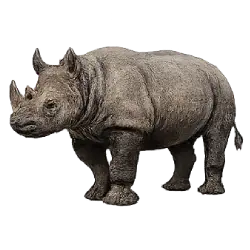
Black Rhinoceros
Species principle: Thorn Browsing
Grip the thorn.
The right mouth can turn roughness into nourishment.
Black Rhinoceroses are browsers with pointed prehensile upper lips used to grasp leaves, twigs, and thorny branches.
Animal Qualities
Grip the thorn.
Animals grouped here express a similar quality through their behavior in nature. Each species still has its own principle, lesson, meaning, and field-guide page.
10 species
Species principle: Thorn Browsing
Grip the thorn.
The right mouth can turn roughness into nourishment.
Black Rhinoceroses are browsers with pointed prehensile upper lips used to grasp leaves, twigs, and thorny branches.

Species principle: Skimming Specialism
Skim the surface.
One unusual feature can change the whole job.
Black skimmers have an elongated lower mandible used to skim the water surface and catch fish by touch.
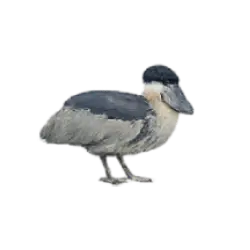
Species principle: Utility
Trust the strange tool.
The strange tool becomes perfect when the right darkness arrives.
Boat-billed Herons have unusually broad scoop-like bills and large eyes, and they often feed at night in mangroves and wetlands.
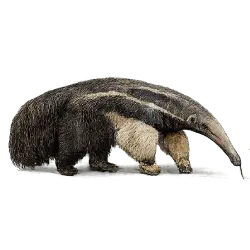
Species principle: Extraction
Sweep the hidden swarm.
Strange tools become elegant when they reach what teeth cannot.
Giant Anteaters lack teeth and use long tubular snouts, powerful claws, and sticky tongues to feed rapidly on ants and termites from nests.
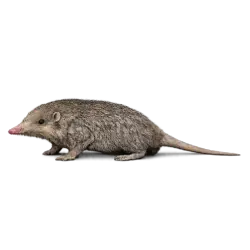
Species principle: Ancient Toolkit
Keep the old tool sharp.
Old lineages survive by keeping strange tools sharp.
Hispaniolan Solenodons are ancient insectivorous mammals with long flexible snouts, digging habits, and venomous saliva delivered through grooved lower incisors.
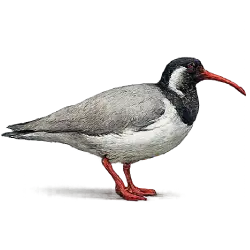
Species principle: River Precision
Probe the stones.
Precision belongs to the one shaped for the narrow places between stones.
Ibisbills use long downcurved bills to probe among stones and gravel in fast mountain streams for aquatic invertebrates.
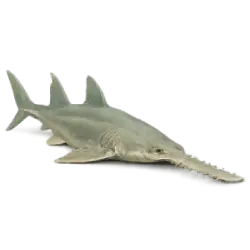
Species principle: Heavy Saw
Swing the big saw.
When one tool leads the body, the whole strategy follows its edge.
Largetooth Sawfish use large tooth-lined rostrums with sensory pores to detect prey and slash through muddy river and coastal waters.

Species principle: Tongue Reach
Reach with every part.
Odd tools become elegance when every part reaches the work.
Northern Tamanduas use strong claws to open insect nests, long sticky tongues to feed, and prehensile tails to climb and balance in trees.

Species principle: Saw Sense
Lead with the saw.
One remarkable tool can sense, strike, and lead the whole body.
Smalltooth Sawfish use tooth-lined rostrums with sensory organs to detect prey and may slash the saw to stun fish in shallow coastal and estuarine waters.
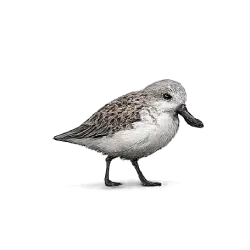
Species principle: Spoon Precision
Sweep the mud.
One special tool can turn mud into a map of hidden food.
Spoon-billed Sandpipers have distinctive spoon-shaped bills used to probe and sweep shallow mudflats for tiny invertebrates during migration and feeding.