

Frilled Lizard
Species principle: Startle Display
Flare, then run.
A sudden shape can create the space needed to survive.
Frilled Lizards extend a large neck frill, open the mouth, and may rear up when threatened before fleeing, often to a tree.
Animal Qualities
Flare, then run.
Animals grouped here express a similar quality through their behavior in nature. Each species still has its own principle, lesson, meaning, and field-guide page.
5 species
Species principle: Startle Display
Flare, then run.
A sudden shape can create the space needed to survive.
Frilled Lizards extend a large neck frill, open the mouth, and may rear up when threatened before fleeing, often to a tree.
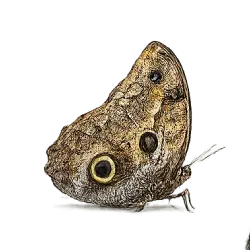
Species principle: False Gaze
Flash the owl-eyes.
A painted eye can buy the second needed to live.
Owl Butterflies have large eyespots on their wings that can startle, confuse, or deter predators by resembling the eyes of a larger animal.
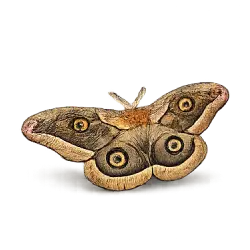
Species principle: Eyespot Warning
Unfold the giant eyes.
A single bold signal can interrupt danger long enough to live.
Polyphemus Moths have large eyespots on the hindwings that are revealed when wings open, startling or distracting predators.
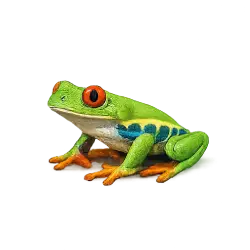
Species principle: Startle
Flash and flee.
One bright second can break the spell of danger.
Red-eyed Tree Frogs use bright red eyes, vivid side colors, and sudden movement as startle coloration when disturbed, helping them escape predators.
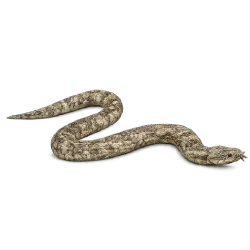
Species principle: Prediction
Strike where fear goes.
The strike lands when you know where fear will move next.
Tentacled Snakes use paired snout tentacles and a curved body posture to detect and ambush fish. They can trigger fish escape responses and strike toward where the fish will flee.