AnimalDex
en
Back to Qualities

Animal Qualities

Stillness

Become broken bark.

Animals grouped here express a similar quality through their behavior in nature. Each species still has its own principle, lesson, meaning, and field-guide page.

23 species

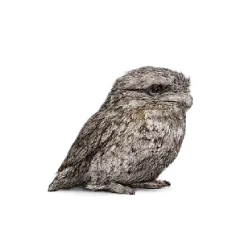
Tawny Frogmouth (Podargus strigoides) thumbnail image on AnimalDex

Tawny Frogmouth

Species principle: Disguise

Become broken bark.

The watcher becomes invisible by becoming what the forest expects to see.

Tawny Frogmouths use cryptic bark-like plumage and rigid still postures to resemble broken branches during the day, avoiding predators through camouflage.
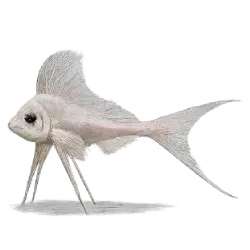
Tripod Fish (Bathypterois grallator) thumbnail image on AnimalDex

Tripod Fish

Species principle: Tripod Stillness

Stand in the deep.

Stillness becomes active when the body is built to hold its place.

Tripod Fish use elongated fin rays like stilts to stand above the deep seafloor and wait for small drifting prey in low-light environments.

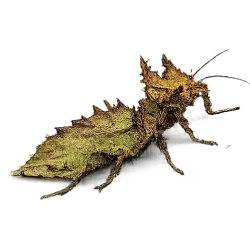
Walking Leaf (Phyllium philippinicum) thumbnail image on AnimalDex

Walking Leaf

Species principle: Leaf Mimicry

Become the leaf.

The safest form may be the one the world mistakes for scenery.

Walking Leaf insects have leaf-shaped bodies, legs, coloration, veins, and swaying movement that help them resemble leaves and avoid predators.

Warty Frogfish (Antennarius maculatus) thumbnail image on AnimalDex

Warty Frogfish

Species principle: Lure

Offer the lure.

Stillness becomes magnetic when it knows what to offer.

Warty Frogfish use camouflage and a modified dorsal spine as a lure to attract prey before rapidly engulfing it with a large mouth.

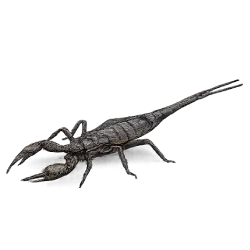
Water Scorpion (Nepa cinerea) thumbnail image on AnimalDex

Water Scorpion

Species principle: Still Trap

Breathe and wait.

Speed is unnecessary when the trap can breathe and wait.

Water Scorpions are aquatic insects with grasping forelegs and a long siphon-like breathing tube, waiting among plants or still water to ambush prey.

Explore related indexes