AnimalDex
en
Back to Qualities

Animal Qualities

Strategic Hunting

Hunt beyond size.

Animals grouped here express a similar quality through their behavior in nature. Each species still has its own principle, lesson, meaning, and field-guide page.

14 species

Black-footed Cat animal lesson image on AnimalDex

Black-footed Cat

Species principle: Tiny Ferocity

Hunt beyond size.

Small size does not soften a hunter built to strike again and again.

Black-footed Cats are among the smallest wild cats but are highly active nocturnal hunters with strong hunting success across arid grasslands and scrub.
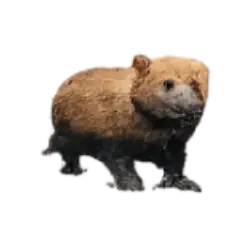
Bush Dog (Speothos venaticus) thumbnail image on AnimalDex

Bush Dog

Species principle: Pack Surge

Rush as one.

Small bodies become a wave when the group moves as one.

Bush Dogs are social canids with webbed feet and pack-hunting behavior, often moving through forests, wetlands, and water edges in coordinated groups.

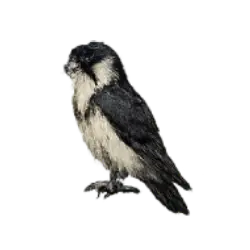
Collared Falconet (Microhierax caerulescens) thumbnail image on AnimalDex

Collared Falconet

Species principle: Small Boldness

Strike small, strike true.

Size stops mattering when the strike knows itself.

Collared Falconets are tiny raptors that hunt insects and small birds from exposed perches, using quick flights and bold predatory behavior despite their small size.

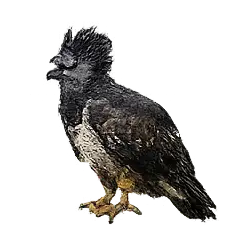
Crowned Eagle (Stephanoaetus coronatus) thumbnail image on AnimalDex

Crowned Eagle

Species principle: Forest Grip

Grip through forest.

In dense forest, power belongs to the grip that can finish the chase.

Crowned Eagles are powerful forest raptors with large talons, hunting monkeys, small antelope, and other prey in African forests.

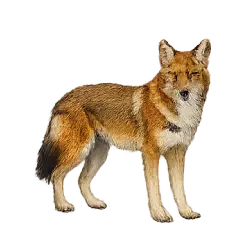
Ethiopian Wolf animal lesson image on AnimalDex

Ethiopian Wolf

Species principle: Highland Specialization

Hunt the highlands.

A rare place calls for a rare kind of hunter.

Ethiopian Wolves are highly specialized canids of Afroalpine grasslands, hunting rodents such as giant mole-rats and living in packs with solitary foraging.

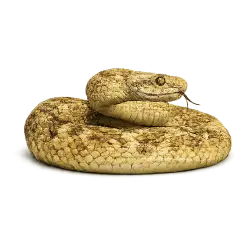
Golden Lancehead animal lesson image on AnimalDex

Golden Lancehead

Species principle: Island Specialization

Belong to one island.

Rare places create rare tools, and rare tools demand rare discipline.

Golden Lanceheads are venomous pit vipers restricted to Ilha da Queimada Grande. Their heat-sensing pits and venomous strike support bird-focused hunting on the island.

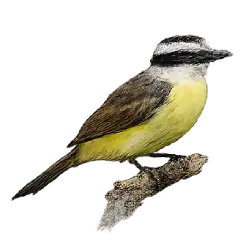
Great Kiskadee (Pitangus sulphuratus) thumbnail image on AnimalDex

Great Kiskadee

Species principle: Boldness

Call from the branch.

A clear call can turn readiness into presence.

Great Kiskadees are bold flycatchers with loud calls, strong bills, and flexible hunting behavior. They perch visibly near open ground or water and sally out to catch prey.

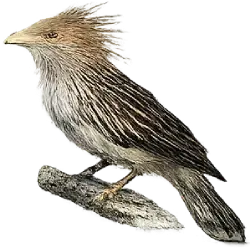
Guira Cuckoo (Guira guira) thumbnail image on AnimalDex

Guira Cuckoo

Species principle: Scruffy Alliance

Hunt with the scruffs.

The strange little team can become stronger than the polished loner.

Guira Cuckoos are social cuckoos that often move and forage in groups, using calls and cooperative behavior in open scrub and woodland habitats.

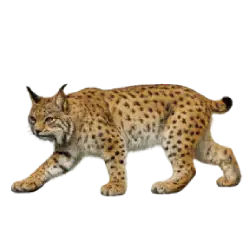
Iberian Lynx (Lynx pardinus) thumbnail image on AnimalDex

Iberian Lynx

Species principle: Specialist Focus

Know the rabbit.

Deep skill grows around the prey you learn better than anything else.

Iberian Lynx are specialized predators strongly associated with hunting European rabbits in Mediterranean scrubland and open woodland habitats.

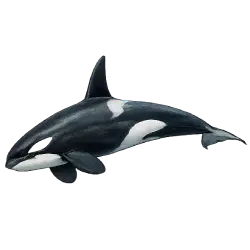
Orca (Orcinus orca) thumbnail image on AnimalDex

Orca

Species principle: Pod Intelligence

Hunt as one.

Strength becomes strategy when the family learns to hunt as one mind.

Orcas live in social pods with learned hunting traditions, vocal communication, cooperative prey capture, and strong family bonds.

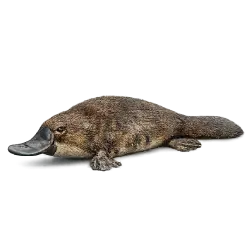
Platypus (Ornithorhynchus anatinus) thumbnail image on AnimalDex

Platypus

Species principle: Integration

Make the strange whole.

Unusual parts become genius when they work as one system.

Platypuses combine webbed feet, dense fur, egg-laying reproduction, venomous male spurs, and electroreceptive bills used to detect prey underwater.

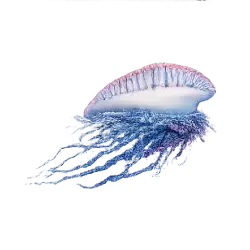
Portuguese Man o' War (Physalia physalis) thumbnail image on AnimalDex

Portuguese Man o' War

Species principle: Collective Drift

Sail as one.

Many bodies can become one strange vessel when each part accepts its role.

The Portuguese Man o' War is a siphonophore colony made of specialized zooids, using a gas-filled float, wind and currents, and long stinging tentacles to capture prey.

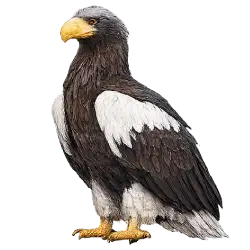
Steller's Sea Eagle (Haliaeetus pelagicus) thumbnail image on AnimalDex

Steller's Sea Eagle

Species principle: Sea Command

Command the coast.

Dominance sharpens when the eye, wing, and strike all belong to the same coast.

Steller’s Sea Eagles are massive coastal raptors with huge bills and talons, hunting fish and waterbirds along cold northern coasts and rivers.

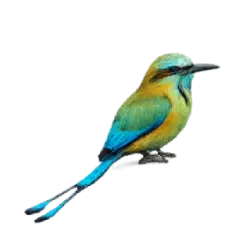
Turquoise-browed Motmot (Eumomota superciliosa) thumbnail image on AnimalDex

Turquoise-browed Motmot

Species principle: Racket-Tail Poise

Swing and wait.

Waiting becomes powerful when the whole body knows why it is still.

Turquoise-browed Motmots perch quietly while hunting insects and small prey, often swinging their racket-tipped tails in a distinctive pendulum-like display.

Explore related indexes