

American cockroach
Species principle: Survivability
Outlast the problem.
Survival is a skill.
Cockroaches adapt to harsh conditions, reproduce quickly, and persist almost everywhere.
Animal Qualities
Outlast the problem.
Animals grouped here express a similar quality through their behavior in nature. Each species still has its own principle, lesson, meaning, and field-guide page.
14 species
Species principle: Survivability
Outlast the problem.
Survival is a skill.
Cockroaches adapt to harsh conditions, reproduce quickly, and persist almost everywhere.
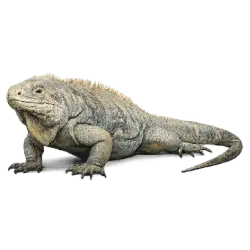
Species principle: Island Grounding
Hold the island.
A harsh island becomes home when the body knows where to dig and stand.
Anegada Rock Iguanas are large ground-dwelling iguanas of dry island habitats, using burrows, strong limbs, and herbivory to survive in rocky terrain.
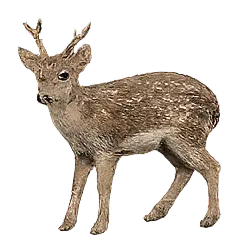
Species principle: Island Rarity
Guard the small island.
Small places can hold lives found nowhere else.
Bawean Deer are restricted to Bawean Island and depend on remaining forest and scrub habitats for survival.

Species principle: Canopy Secrecy
Hide in leaves.
Gentle secrecy can be a complete survival strategy.
Common Spotted Cuscuses are arboreal marsupials that use tree cover, slow movement, and nocturnal habits.
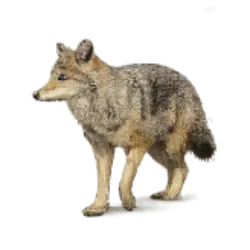
Species principle: Elasticity
Bend through the edges.
Survival bends without breaking when it can feed in many worlds.
Coyotes are highly flexible canids with broad diets and strong ability to live in wild, rural, suburban, and urban edge habitats. Their adaptability has allowed them to expand across many environments.
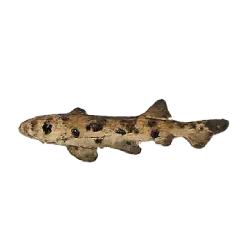
Species principle: Improvisation
Walk the reef.
When the water leaves, invent another way to move.
Epaulette Sharks can use paired fins to walk or crawl over reef flats and tide pools, and tolerate low-oxygen conditions during low tides.
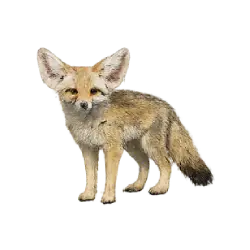
Species principle: Listening
Hear the sand.
Survival begins by hearing what the heat tries to hide.
Fennec Foxes have very large ears that help detect prey sounds underground and dissipate heat, supporting survival in desert environments.
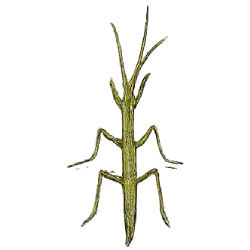
Species principle: Rediscovered Survival
Return as the twig.
A life can vanish from memory and still be waiting on the branch.
Giant Stick Insects from Lord Howe Island were believed extinct before surviving populations were rediscovered. Their stick-like bodies provide strong plant mimicry.
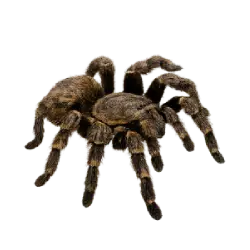
Species principle: Intimidation
Make approach costly.
Sometimes survival begins by making the approach itself uncomfortable.
Goliath Birdeaters are very large tarantulas that can defend themselves by rubbing urticating hairs from the abdomen, creating irritation for threats, along with threat postures and large fangs.

Species principle: Tiny Thermoregulation
Know your needs.
Survival sharpens when the smallest body knows its needs exactly.
Kirk's Dik-diks use small size, evasive movement through thorn scrub, and elongated noses that help cool blood and conserve water in dry habitats.
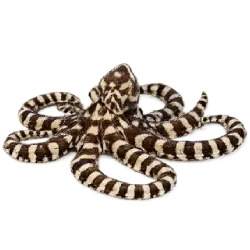
Species principle: Shape Mimicry
Become the signal.
Survival expands when the self can become many signals.
Mimic Octopuses can alter posture, movement, and appearance to resemble other sea animals such as flatfish, lionfish, or sea snakes, confusing predators or prey.
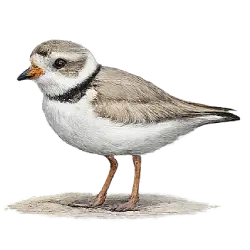
Species principle: Beach Discretion
Vanish on sand.
In exposed places, survival comes from moving lightly and disappearing quickly.
Piping Plovers nest and forage on open sandy beaches, using pale plumage, quick stop-start movement, and camouflage to avoid detection.
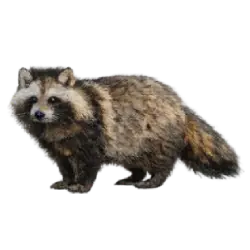
Species principle: Seasonality
Change with winter.
Survival belongs to the one who changes pace with the season.
Raccoon Dogs are omnivorous canids with flexible diets. In cold parts of their range they may enter winter torpor, reducing activity while relying on stored fat and seasonal foraging.
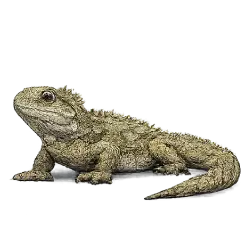
Species principle: Deep Time
Keep the old answer.
Old answers endure when they still fit the world well enough.
Tuatara are the only surviving members of an ancient reptile lineage, with slow growth, long lives, and island survival in New Zealand.