AnimalDex
en
Back to Qualities

Animal Qualities

Unusual design

Trust the strange tool.

Animals grouped here express a similar quality through their behavior in nature. Each species still has its own principle, lesson, meaning, and field-guide page.

9 species

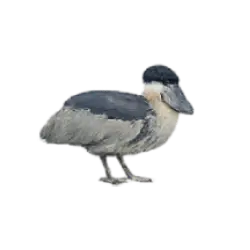
Boat-billed Heron (Cochlearius cochlearius) thumbnail image on AnimalDex

Boat-billed Heron

Species principle: Utility

Trust the strange tool.

The strange tool becomes perfect when the right darkness arrives.

Boat-billed Herons have unusually broad scoop-like bills and large eyes, and they often feed at night in mangroves and wetlands.
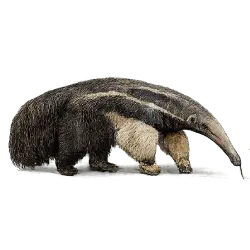
Giant Anteater (Myrmecophaga tridactyla) thumbnail image on AnimalDex

Giant Anteater

Species principle: Extraction

Sweep the hidden swarm.

Strange tools become elegant when they reach what teeth cannot.

Giant Anteaters lack teeth and use long tubular snouts, powerful claws, and sticky tongues to feed rapidly on ants and termites from nests.

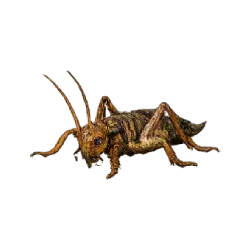
Giant Weta animal lesson image on AnimalDex

Giant Weta

Species principle: Strange Fit

Fit your strange shape.

A strange shape is only strange until you see the world it fits.

Giant Wētā are large flightless insects from New Zealand, adapted to nocturnal life and island habitats with sturdy bodies and climbing ability.

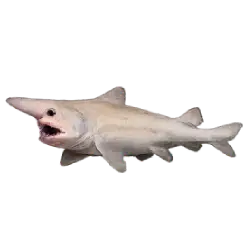
Goblin Shark (Mitsukurina owstoni) thumbnail image on AnimalDex

Goblin Shark

Species principle: Hidden Extension

Launch the jaw.

In strange depths, the unseen tool may be the one that reaches first.

Goblin Sharks have highly protrusible jaws that can project forward rapidly to capture prey in deep-sea environments.

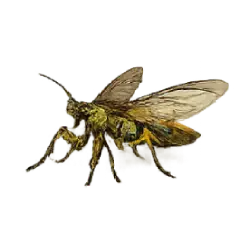
Mantidfly (Climaciella brunnea) thumbnail image on AnimalDex

Mantidfly

Species principle: Hybrid Power

Use the strange mix.

Unusual combinations become strength when each part knows its role.

Mantidflies combine lacewing-like wings with mantis-like raptorial forelegs, using predatory grabbing behavior while often resembling wasps or other insects.

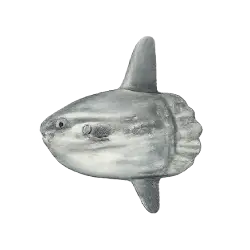
Ocean Sunfish (Mola mola) thumbnail image on AnimalDex

Ocean Sunfish

Species principle: Odd Thriving

Thrive strange.

A strange shape can thrive when it stops apologizing for its design.

Ocean Sunfish have huge flattened bodies, swim with dorsal and anal fins, bask near the surface, and feed largely on gelatinous prey such as jellyfish.

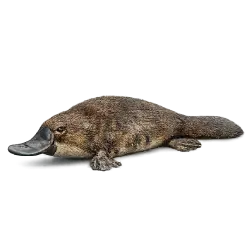
Platypus (Ornithorhynchus anatinus) thumbnail image on AnimalDex

Platypus

Species principle: Integration

Make the strange whole.

Unusual parts become genius when they work as one system.

Platypuses combine webbed feet, dense fur, egg-laying reproduction, venomous male spurs, and electroreceptive bills used to detect prey underwater.

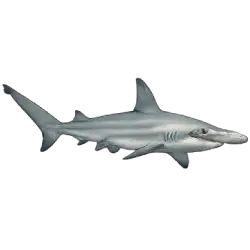
Scalloped Hammerhead (Sphyrna lewini) thumbnail image on AnimalDex

Scalloped Hammerhead

Species principle: Wide Sensing

Feel wide.

A strange shape can widen what the world allows you to feel.

Scalloped Hammerheads have broad cephalofoils that support electroreception, maneuvering, and sensory scanning while schooling and hunting in the ocean.

Siberian Musk Deer (Moschus moschiferus) thumbnail image on AnimalDex

Siberian Musk Deer

Species principle: Alternate Weaponry

Choose another weapon.

Nature has more than one way to carry strength.

Siberian Musk Deer lack antlers but males have elongated upper canine tusks used in display and competition, while navigating mountain forests with careful movement.

Explore related indexes