

Barred Eagle-Owl
Species principle: Canopy Vigilance
Watch the canopy.
Patience and elevation sharpen perception before action.
Barred Eagle-Owls are forest owls that perch, listen, and hunt from wooded cover, often active at night.
Animal Qualities
Watch the canopy.
Animals grouped here express a similar quality through their behavior in nature. Each species still has its own principle, lesson, meaning, and field-guide page.
9 species
Species principle: Canopy Vigilance
Watch the canopy.
Patience and elevation sharpen perception before action.
Barred Eagle-Owls are forest owls that perch, listen, and hunt from wooded cover, often active at night.
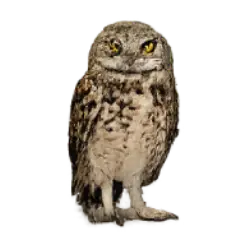
Species principle: Grounded Watch
Watch from the hole.
Home can be below the earth while the eyes stay wide on the horizon.
Burrowing Owls live in open habitats and use underground burrows, often made by other animals. They stand near burrow entrances on long legs and scan for predators or prey.

Species principle: Herd Alertness
Alert together.
Safety improves when individual sensitivity serves the whole group.
Chital are spotted deer that rely on herd vigilance, speed, and alert communication to avoid predators.
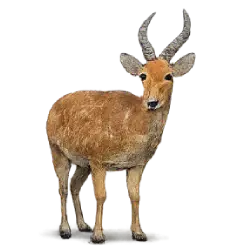
Species principle: Open-Plain Endurance
Run the plain.
Survival in open ground often belongs to the one who can keep moving.
Hartebeest are antelopes of open habitats that rely on running endurance, herd awareness, and vigilance.

Species principle: Vigilance
Watch the horizon.
The group stays free because someone is willing to watch the horizon.
Meerkats live in cooperative groups where individuals often take sentry positions, standing upright to watch for predators while others forage. Alarm calls warn the group of danger.
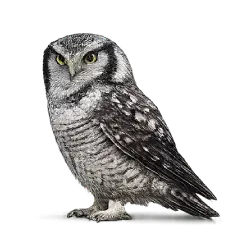
Species principle: Daylight Vigil
Watch the snow.
Endurance sharpens when the watcher stays awake through the pale season.
Northern Hawk Owls are diurnal or crepuscular owls that perch high and hunt in open boreal forest edges, often in snowy northern landscapes.
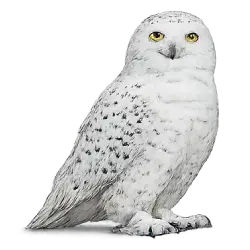
Species principle: Arctic Vigil
Watch the white.
In a white world, patience becomes a watchtower.
Snowy Owls hunt across open tundra and snowy landscapes using strong eyesight, hearing, silent flight, and high perches or ground positions to detect prey.
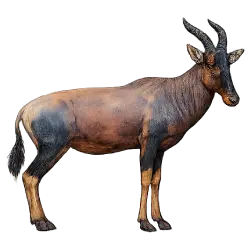
Species principle: Plain Watch
Stand the mound.
The open world is safer from the one willing to rise and scan.
Topi often stand on elevated spots such as termite mounds to scan open savannas for predators and display presence.
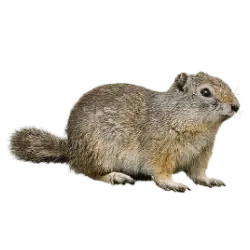
Species principle: Lookout
Watch the meadow.
The colony lasts because someone keeps watching the open ground.
Uinta Ground Squirrels live in burrow colonies in mountain meadows and use upright vigilance, calls, and quick retreat to avoid predators.