AnimalDex
en
Back to Qualities

Animal Qualities

Warning

Warn without delay.

Animals grouped here express a similar quality through their behavior in nature. Each species still has its own principle, lesson, meaning, and field-guide page.

26 species

Black Mamba (Dendroaspis polylepis) thumbnail image on AnimalDex

Black Mamba

Species principle: Immediate Boundary

Warn without delay.

A clear line works best before danger is allowed to settle.

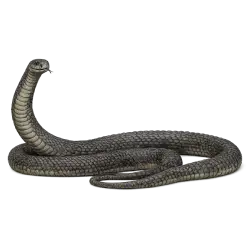
Black Mambas are fast elapids that use threat displays, including raising the body and showing the dark mouth interior, before striking defensively if pressed.
Blue-ringed Octopus (Hapalochlaena lunulata) thumbnail image on AnimalDex

Blue-ringed Octopus

Species principle: Ringed Warning

Flash the rings.

A clear signal can stop danger before contact becomes necessary.

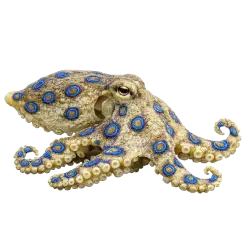
Blue-ringed Octopuses flash vivid blue rings when threatened. Their small bodies carry highly potent venom, making the warning display an important deterrent signal.

Blue-tongued Skink (Tiliqua scincoides) thumbnail image on AnimalDex

Blue-tongued Skink

Species principle: Bluff

Flash the tongue.

A sudden signal can end a fight before it begins.

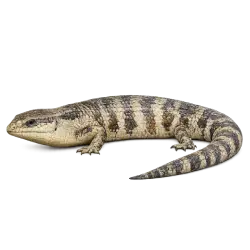
Blue-tongued Skinks use a bright blue tongue display, body flattening, hissing, and open-mouth postures to startle or warn predators when threatened.

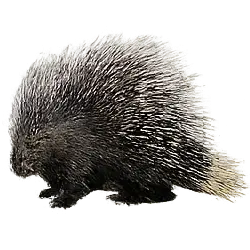
Crested Porcupine (Hystrix cristata) thumbnail image on AnimalDex

Crested Porcupine

Species principle: Shielding

Raise the shield.

A slow traveler becomes brave when the shield is already raised.

Crested Porcupines use long quills, raised crests, rattling, and backward-facing defensive postures to deter predators without needing speed.

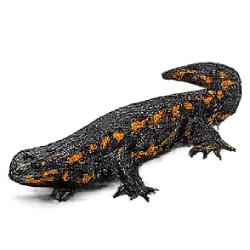
Emperor Newt (Tylototriton shanjing) thumbnail image on AnimalDex

Emperor Newt

Species principle: Small Grandeur

Wear the little crown.

Grandeur does not require size when the signal is unmistakable.

Emperor Newts have dark bodies with vivid orange ridges and glandular skin, using conspicuous coloration as a warning display.

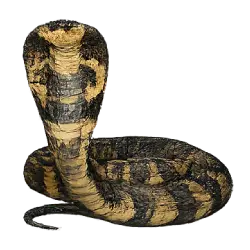
False Water Cobra (Hydrodynastes gigas) thumbnail image on AnimalDex

False Water Cobra

Species principle: Hood Bluff

Widen the warning.

A well-timed warning can make danger hesitate before force is needed.

False Water Cobras flatten the neck in a cobra-like display and use size, movement, and rear-fanged venom as part of their defensive and predatory strategy.

Fire Salamander (Salamandra salamandra) thumbnail image on AnimalDex

Fire Salamander

Species principle: Warning Beauty

Wear the flame.

Being visible can protect you when the signal is honest.

Fire Salamanders have bright yellow or orange warning markings and toxic skin secretions, often active in moist forests after rain.

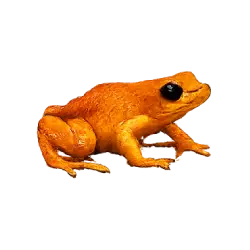
Golden Mantella (Mantella aurantiaca) thumbnail image on AnimalDex

Golden Mantella

Species principle: Amber Warning

Glow before danger.

Small bodies can speak first when their color tells the truth.

Golden Mantellas use bright orange coloration as warning coloration associated with skin toxins, helping deter predators despite their tiny size.

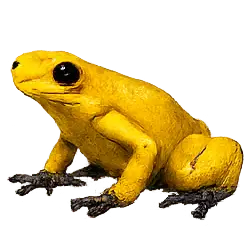
Golden Poison Frog (Phyllobates terribilis) thumbnail image on AnimalDex

Golden Poison Frog

Species principle: Golden Warning

Wear lethal gold.

The smallest body can command distance when its color tells the truth.

Golden Poison Frogs have bright warning coloration and extremely potent skin toxins, discouraging predators through aposematic signaling.

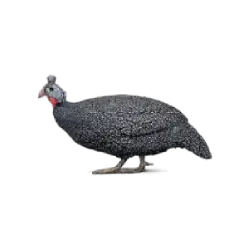
Helmeted Guineafowl (Numida meleagris) thumbnail image on AnimalDex

Helmeted Guineafowl

Species principle: Ground Flock

Run noisy.

A hard place grows safer when many feet and voices move together.

Helmeted Guineafowl are social ground birds that move in flocks, run quickly, and use loud calls to maintain contact and warn of danger.

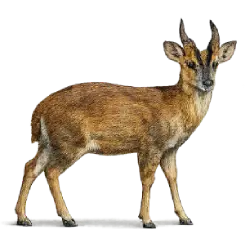
Indian Muntjac (Muntiacus muntjak) thumbnail image on AnimalDex

Indian Muntjac

Species principle: Forest Alarm

Bark through cover.

A small voice becomes protection when the whole forest understands it.

Indian Muntjacs are small forest deer known for bark-like alarm calls used when disturbed or threatened in dense vegetation.

Indonesian blue-tongued skink animal lesson image on AnimalDex

Indonesian blue-tongued skink

Species principle: Tongue Display

Show blue first.

A clear signal can defend space without escalation.

Indonesian Blue-tongued Skinks use a vivid blue tongue display as a defensive warning, along with sturdy bodies and calm movement.

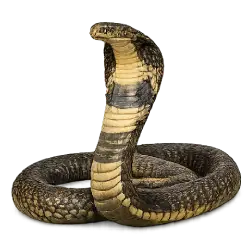
King Cobra (Ophiophagus hannah) thumbnail image on AnimalDex

King Cobra

Species principle: Command

Raise the hood.

Presence can end a conflict before the strike is needed.

King Cobras raise the front of the body, spread a hood, and give warning displays. They are large venomous snakes that also prey on other snakes.

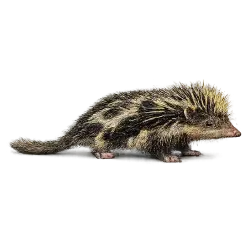
Lowland Streaked Tenrec animal lesson image on AnimalDex

Lowland Streaked Tenrec

Species principle: Stridulation

Buzz the warning.

Small defenders can protect more by making the warning travel.

Lowland Streaked Tenrecs have spines and can communicate by rubbing specialized quills together, producing sounds used in social signaling.

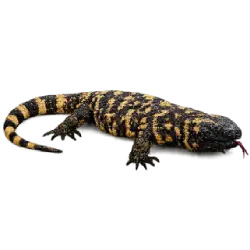
Mexican Beaded Lizard (Heloderma horridum) thumbnail image on AnimalDex

Mexican Beaded Lizard

Species principle: Beaded Slow Venom

Do not rush the bite.

Slow steps can still carry consequences no one should ignore.

Mexican Beaded Lizards are venomous lizards with bead-like scales, slow movement, and powerful bites used defensively and in feeding.

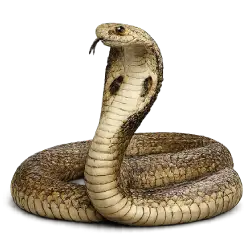
Monocled Cobra (Naja kaouthia) thumbnail image on AnimalDex

Monocled Cobra

Species principle: Hooded Warning

Show the hood.

A clear warning can end a fight before it begins.

Monocled Cobras raise the body, spread a hood with a monocle-like marking, and use venomous defense when threatened.

Oriental Fire-bellied Toad (Bombina orientalis) thumbnail image on AnimalDex

Oriental Fire-bellied Toad

Species principle: Warning Flash

Flash the fire.

A clear warning can stop danger before contact.

Oriental Fire-bellied Toads display bright orange-red undersides in a defensive posture called the unken reflex, warning predators of toxins.

Poison Dart Frog (Dendrobatidae) thumbnail image on AnimalDex

Poison Dart Frog

Species principle: Bright Warning

Wear the warning.

A small body can command respect when its signal is honest and clear.

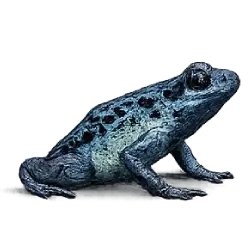
Poison Dart Frogs are known for vivid warning coloration and skin toxins in many species.

Explore related indexes