

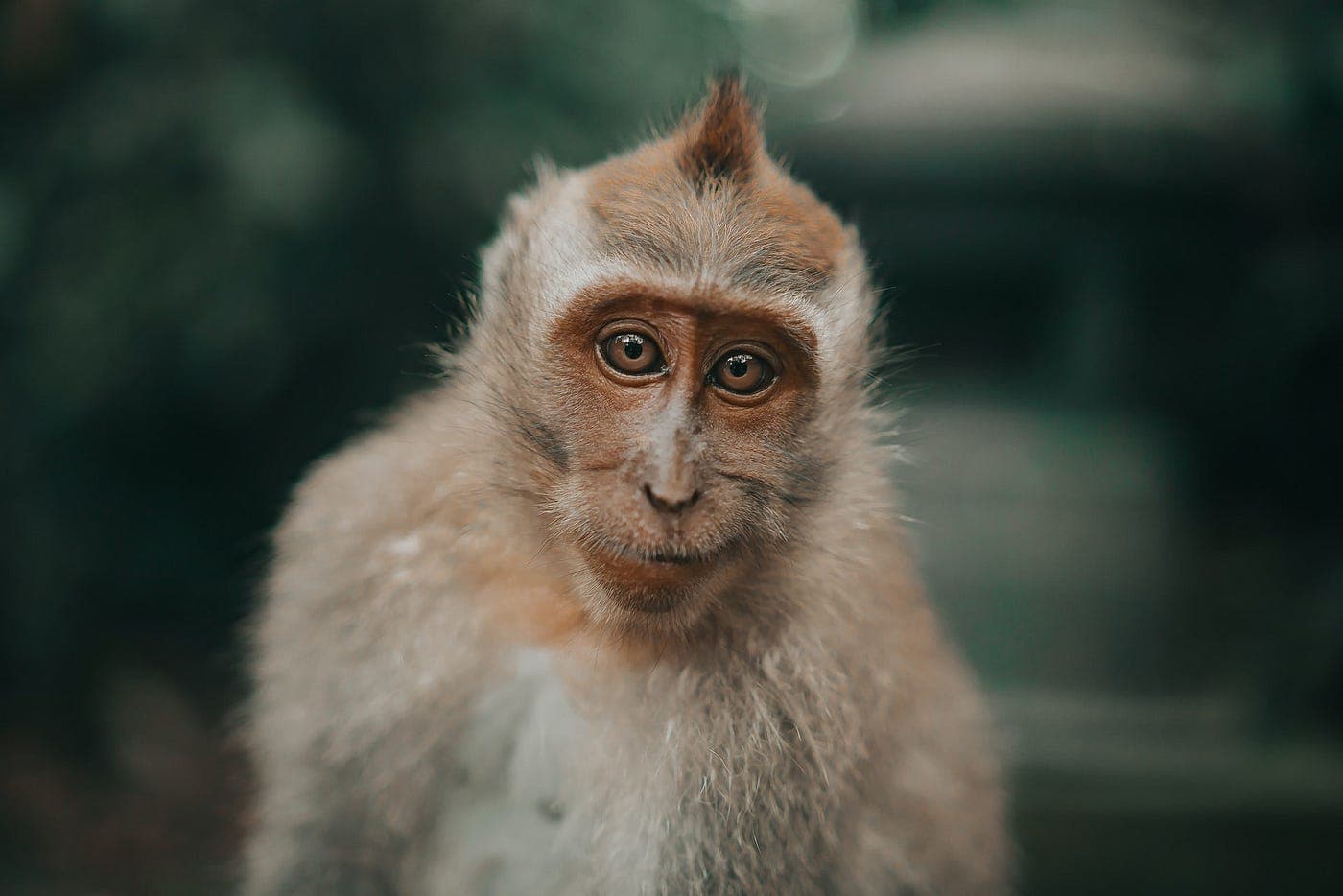
Animals in Bali: What You Can Spot, Learn, and Collect
A practical Bali wildlife guide built around animals travelers can realistically spot, from birds and coastal species to high-value sightings that make the island feel richer than a resort-only trip.
Quick answer
Start with the direct answer, then use the sections below to see why the location matters and which animals are actually realistic to spot there.
Bali is best for accessible wildlife, not fantasy checklist tourism. If you plan around coasts, temple edges, wetland pockets, and a few reliable managed sites, you can build a satisfying animal list with birds, marine species, insects, and a handful of island-specific highlights.
Bali is not the deepest wild-animal destination in Indonesia, but it is one of the easiest places to combine travel with practical wildlife discovery.
That makes it ideal for AnimalDex users who want a location page that favors realistic sightings over inflated safari-style promises.
Why this location matters
Good location pages explain why the place is worth your time, not just which names belong on a destination checklist.
The island is easy to navigate and supports family travel, so it works well for casual spotters and first-time collectors.
Bali also rewards people who stay curious about ordinary habitats. A trip becomes much richer when you notice birds, shoreline species, and smaller animals instead of looking only for one iconic headline encounter.
Animals to spot
These are intentionally practical species picks, balancing accessibility, excitement, and what travelers can realistically notice in the location.
Barn Swallow
One of the simplest practical additions around open areas, roadsides, and everyday human-edge movement.
Spotting note: Very accessible confidence-builder.
Read species guideCommon Kingfisher
A strong target near waterways, rice-field edges, and calmer wet habitat where patient scanning pays off.
Spotting note: Realistic with early-morning patience.
Read species guideCicada
Useful for travelers who want to notice Bali's smaller sound-rich life instead of focusing only on large visible animals.
Spotting note: Often heard before clearly seen.
Read species guideClownfish
A practical marine species for snorkeling and shallow reef tourism, especially when the trip already includes water time.
Spotting note: Good marine win in the right reef setting.
Read species guideGreen Sea Turtle
A stronger excitement species for coastal and marine days when you want a real wildlife highlight without forcing a long expedition.
Spotting note: Better with guided reef or coastal sessions.
Read species guideBali Myna
The island's most emotionally resonant bird target, best treated as a meaningful specialist sighting rather than an automatic checkmark.
Spotting note: High-value conservation-linked target.
Read species guideHoney Bee
Honey Bee adds realistic depth to the Bali animal list without forcing the page around one headline encounter.
Spotting note: Useful supporting species with the right habitat and timing.
Read species guideManta Ray
Manta Ray broadens the Bali page beyond the obvious targets and makes habitat-led spotting feel more complete.
Spotting note: Better treated as a realistic secondary target than a guaranteed sighting.
Read species guideDolphin
Dolphin is a strong supporting species that helps Bali feel richer than a one-animal destination.
Spotting note: Strong add when you pay attention to habitat instead of chasing one flagship animal.
Read species guideReticulated Python
Reticulated Python gives the Bali page more ecological range, not just more raw checklist count.
Spotting note: Meaningful supporting sighting rather than the only reason to choose the location.
Read species guideBest for
Use this section to decide whether the location fits your travel style, skill level, and AnimalDex goals.
- Families who want real animal discovery without hard expedition logistics.
- Travelers who like balancing beaches, temples, and light wildlife spotting.
- Beginner photographers practicing everyday bird and shoreline observation.
- Collectors who enjoy turning an ordinary vacation into a species-rich trip.
Spotting tips
These tips are meant to make the page useful in the field, not just readable on the page.
- Start early. Bali feels much better for wildlife before the hottest, busiest parts of the day.
- Think in micro-habitats: rice-field edges, quiet water, coastal shallows, reef access, and treed temple surroundings.
- Do not ignore ordinary sightings. Swallows, insects, and kingfishers are often the difference between a vague trip and a useful collection log.
- Use marine days strategically. A single snorkeling session can add more memorable species than hours of random roadside guessing.
Track the animals you find in Bali
Build your collection while you travel through Bali, from easy wins to the species worth planning around.
Related comparisons
Use these comparison pages to compare some of the animals connected to this location more directly.
Komodo Dragon vs King Cobra: What Happens in a Real Clash?
Komodo dragon usually has the edge in a direct physical clash because of its size, armor, and crushing close-range force. King cobra remains dangerous because one clean venom-delivering strike can change the outcome fast.
Read comparisonRelated tier lists
These tier lists add broader context around the species that make this location interesting.
Most Adaptable Animals in the World: Top 100 Tier List
A structured ranking of the most adaptable animals in the world, focusing on habitat flexibility, behavioral adjustment, problem solving, and success in changing conditions.
Read tier listAnimals with the Best Camouflage: Top 100 Tier List
A structured ranking of animals with the best camouflage, focusing on concealment quality, background matching, adaptive color change, and how often camouflage changes outcomes.
Read tier listRelated blog guides
Go deeper with practical field, travel, and animal-learning articles linked to this location.
Best animals to spot in Bali (2026)
A practical Bali animal-spotting guide for 2026 covering where to look, what to notice, and how to keep wildlife discovery respectful and useful.
Read blog articleHow to identify animals in the wild (2026 guide)
A practical 2026 guide for identifying animals in the wild using body shape, behavior, habitat context, and respectful observation habits.
Read blog articleZoo vs wild animals: what’s the difference?
A practical guide to understanding how zoo and wild contexts differ for behavior, spotting expectations, learning, and respectful observation.
Read blog articleRelated locations
Keep exploring with nearby or similar destinations that support the same kind of AnimalDex discovery.
Animals in Indonesia: What You Can Spot, Learn, and Collect
A practical guide to animals in Indonesia, from accessible birds and coastal wildlife to headline species that make the country one of the world's strongest wildlife-travel destinations.
Read location guideWildlife in Jakarta: Best Animals to Spot Near the City
A structured Jakarta wildlife guide focused on realistic city and near-city animal spotting, with practical routes for urban travelers, families, and zoo visitors.
Read location guideAnimals in Komodo National Park: What You Can Realistically Spot
A structured guide to Komodo National Park focused on what visitors can realistically spot, from Komodo dragons and marine life to smaller species that reward patient observation.
Read location guideLocation FAQ
Short direct answers to the questions travelers usually ask before choosing a wildlife destination or zoo day.
What animals can I see in Bali?
Birds, insects, reef fish, turtles, and a few higher-value specialist species are the most realistic Bali answers.
Is Bali good for wildlife spotting?
Yes, especially if you treat it as an accessible mixed-trip destination rather than expecting a deep-forest safari experience.