

Animal identificationWildlife learningField guide
How to identify animals in the wild (2026 guide)
How to identify animals in the wild: silhouette, size against known objects, behaviour, habitat and range maps, lookalike pairs and verifying AI scans.

In this guide
- Start with silhouette, movement and context
- Size against things you already know
- Behaviour gives the animal away
- Habitat and range maps remove most wrong answers
- Lookalike pairs and how to split them
- Use AI to narrow possibilities, then verify with traits
- Respectful observation leads to better IDs and better outcomes
Start with silhouette, movement and context
The fastest path to a correct ID is not guessing a species name immediately. Start broader: what shape is it, how big is it, how does it move, and where are you. Cornell's bird-identification method boils this down to four keys, size and shape, colour pattern, behaviour, and habitat, and the same four work for mammals, reptiles and fish.
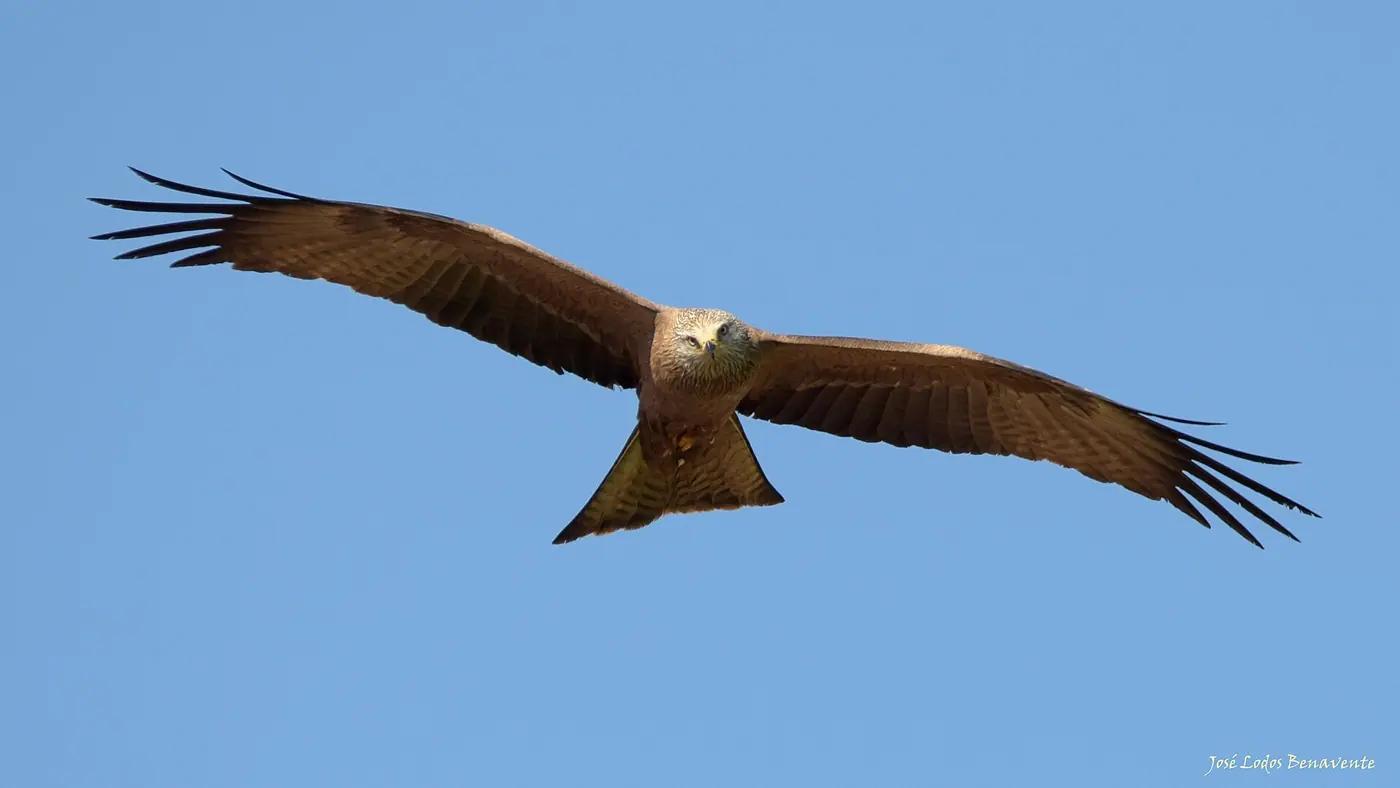
Silhouette comes first because it survives bad light. A raptor overhead with a deeply forked tail and long, angled wings is a kite before you see a single colour; a bird with a short fan tail and broad wings held in a shallow V is a buzzard. A heron flies with its neck folded, a stork and a crane with the neck straight out. A canid with a bushy tail held low and straight is a fox; a wild dog carries a thinner tail with a white tip and moves as part of a group.
Bald EagleAfrican Wild DogRed Fox
Size against things you already know
Size is the clue beginners misjudge most, because a lone animal against the sky or open water has nothing to scale it. Fix that by comparing it with an object or a species you know, and keep a few yardsticks in your head. Field guides do this too: most describe birds as sparrow-sized, pigeon-sized or crow-sized before giving measurements.
Fence posts, gate bars, kerb stones and road markings are reliable rulers. A standard fence post stands about 1.2 m; a brick is 215 mm long; a mallard is 55 cm from bill to tail. If a bird on a post is half the post's height, you are not looking at a sparrow.
| Yardstick | Length | Use it for |
|---|---|---|
| House sparrow | 15 cm | Small songbirds, finches, warblers |
| Feral pigeon | 33 cm | Thrushes, doves, small raptors |
| Carrion crow | 45 to 50 cm | Medium raptors, ducks, gulls |
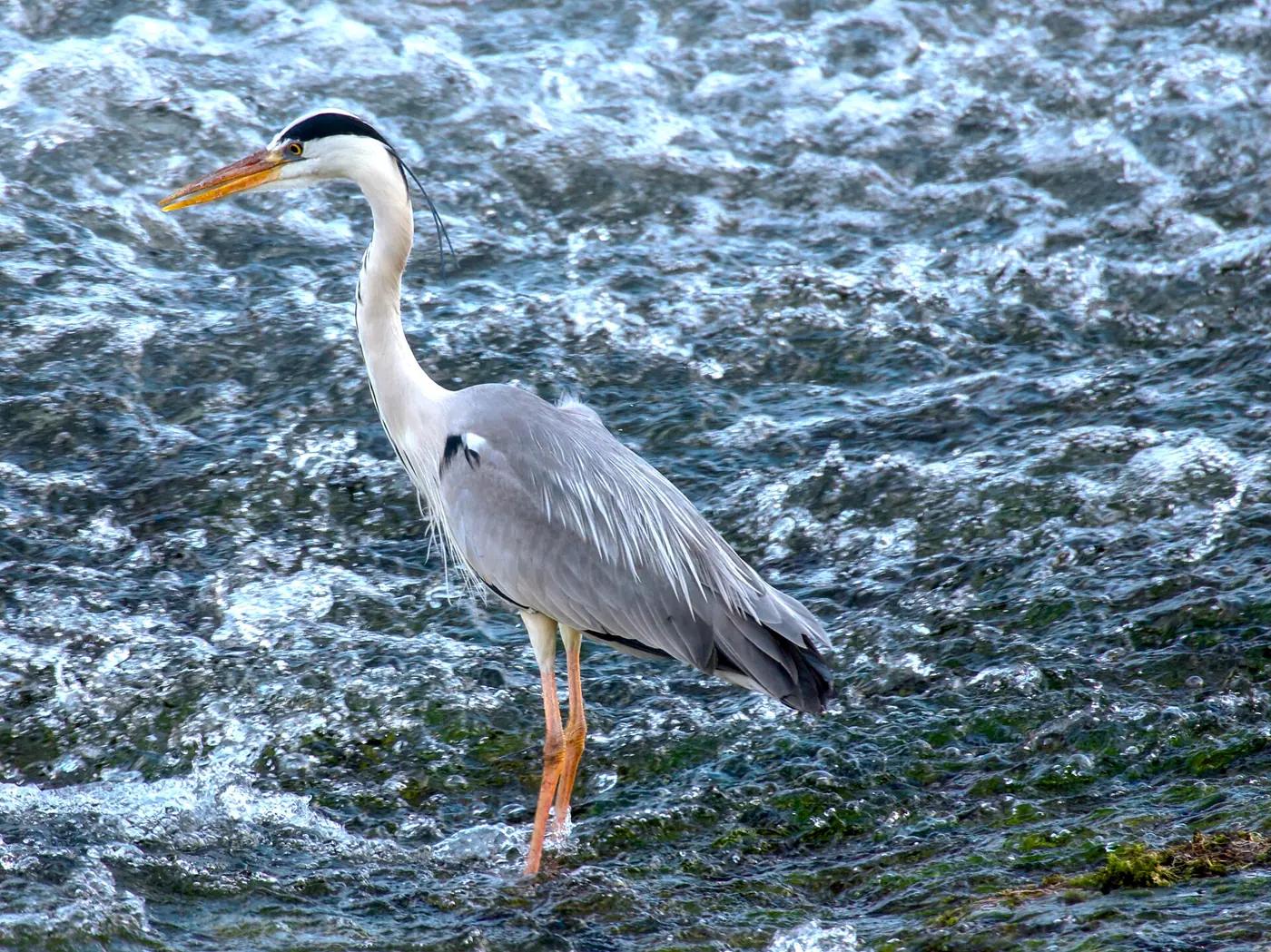
| Grey heron | 90 to 100 cm tall | Large waterbirds, storks, cranes |
| Domestic cat | 45 cm body, 4 kg | Foxes, martens, small wild cats |
| Labrador-sized dog | 55 to 60 cm at the shoulder, 30 kg | Coyotes, jackals, young deer |
| Fence post | About 1.2 m | Anything perched or standing beside it |
Behaviour gives the animal away
Many species have one behaviour that is close to diagnostic. A small falcon hanging motionless in the wind over a verge is a kestrel; peregrines never hover. A black-and-white bird constantly pumping its tail on a riverbank is a wagtail. A gliding bird on thermals that circles for minutes without a wingbeat is a vulture or a buzzard, not an eagle in a hurry. A lizard flattening itself on a warm rock in the morning is basking to raise its body temperature, which tells you the time of day it is easiest to find.
Group behaviour is just as useful. Wild dogs and wolves move in coordinated packs; foxes and jackals are usually alone or in pairs. Starlings wheel in dense flocks, crows fly in loose straggles, geese in a V.
Hovering
Kestrels, terns, kingfishers and hummingbirds hover. Peregrines, sparrowhawks and buzzards do not.
Tail movement
Wagtails pump, redstarts quiver, squirrels flick, deer flag a white rump when alarmed.
Foraging style
Woodpeckers climb trunks head-up, nuthatches head-down; dabbling ducks up-end, diving ducks disappear.
Flight pattern
Woodpeckers and finches bound in deep undulations; pigeons and raptors fly straight; swifts never land on branches.
Time of day
Owls, badgers, hedgehogs and most snakes at dusk or night; reptiles and butterflies in warm morning sun.
Social structure
Pack, pair or solitary narrows canids, cats and primates quickly.
Peregrine FalconWhite-headed VultureBarn Owl
Habitat and range maps remove most wrong answers
Habitat eliminates more candidates than any single marking. A dipper lives only on fast, clean rivers; a sand lizard on heath and dunes; a water monitor within reach of water. Mangrove edges, open savannah, dry scrub and city parks each have a short list of likely species, and an animal that seems out of place is usually a lookalike that belongs there.
Range maps do the same job at a larger scale. Before you settle on a name, check that the species occurs where you are, in this season. Cornell's All About Birds, eBird and iNaturalist show year-round, breeding and wintering ranges, and a species recorded nowhere within 500 km of you is far more likely to be a common relative than a vagrant. A Komodo dragon exists on five Indonesian islands; a monitor lizard seen anywhere else is a different species.
Komodo DragonWhite-headed Vulture
Lookalike pairs and how to split them
Most wrong identifications are not wild guesses. They are the right family and the wrong species, because two animals share a shape and differ in one or two details. Learn the splitting feature for the pairs common where you live and you will fix most of your own errors.
| Pair | Split them by | Detail |
|---|---|---|
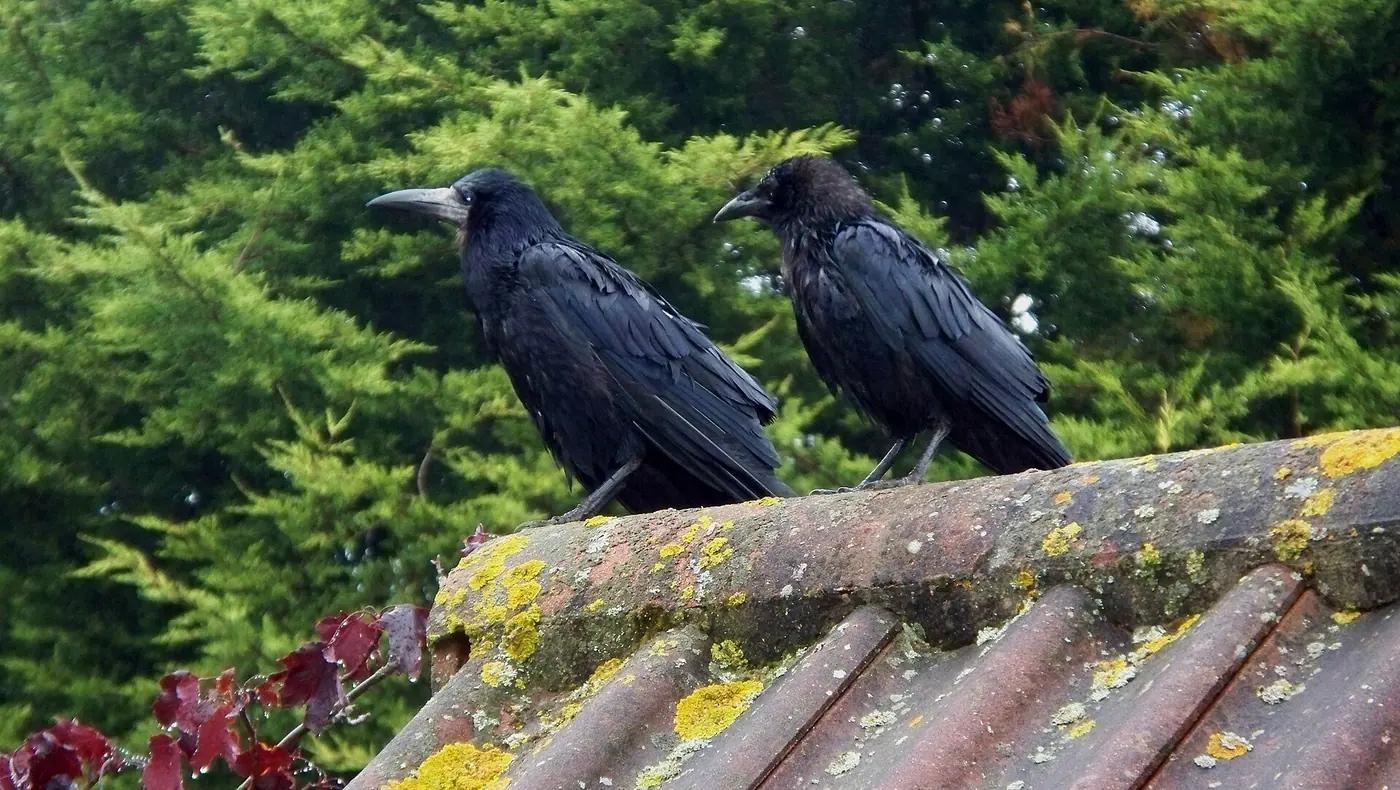
| Carrion crow vs rook | Face | Adult rook has a bare grey-white patch at the base of the bill and a peaked crown; crow is all black with a feathered bill base |
| Red kite vs common buzzard | Tail | Kite: deeply forked tail, long angled wings, buoyant twisting flight. Buzzard: rounded fan tail, broad wings, circles steadily |
| Peregrine vs kestrel | Hovering | Kestrel hovers and has a long tail; peregrine is stocky, anchor-shaped, never hovers |
| Red deer vs fallow deer | Antlers and rump | Red: branched round antlers, cream rump patch with no black border. Fallow: flattened palmate antlers, white rump with black horseshoe |
| Harbour seal vs grey seal | Head profile | Harbour: rounded dog-like head, V-shaped nostrils. Grey: long flat Roman nose, parallel nostrils |
| Dolphin vs porpoise | Dorsal fin | Dolphin: curved, sickle-shaped fin and a beak. Porpoise: small triangular fin, no beak |
| Juvenile bald eagle vs golden eagle | Legs and head | Golden has feathered legs to the toes and a smaller head; young bald has bare lower legs and blotchy white underwings |
Use AI to narrow possibilities, then verify with traits
A good animal scanner should support your judgment, not replace it. Treat the output as a shortlist of two or three candidates, then run the checks above: does the size fit, does the behaviour fit, is the species on the range map for this place and season, and which splitting feature can you actually see in your photo. If none is visible, record the genus or the lookalike group rather than forcing a species.
Photograph for identification, not for beauty. A side-on shot showing the whole body, a second frame of the head, and a third with the animal beside something of known size will resolve more IDs than one frame-filling portrait. The goal is not only a fast answer. It is becoming better at recognition over repeated sightings.

AI animal scanner and identification appHow AnimalDex indexes animals
Respectful observation leads to better IDs and better outcomes
Stressing wildlife produces worse photos and worse behaviour clues. An animal that has noticed you stops feeding, stops displaying and starts leaving, which removes the very behaviour you need for an identification. Distance, patience and calm observation produce longer views, more natural behaviour and safer encounters.
Keep at least 25 m from most wildlife, more from anything with young, and let the animal leave first. Curiosity over cruelty is practical fieldcraft, not just a value statement.
Shape, size, behaviour, place. Run those four before you reach for a name, and the name usually arrives on its own.
Systems Intelligence & Hidden Purpose
See these animals as engineered biological systems: what they are built to do, how they fit the wider environment, and what their design can teach us.
Specialized Hardware
Long-range vision, broad soaring wings, and a hooked bill optimized for fish capture make the bald eagle a precision hunter built for scanning large water systems with minimal wasted energy.
Systems Script
Bald eagles sit near the top of aquatic food chains, linking fish-rich waterways to wider nutrient and predator dynamics. Where they persist, they often reflect habitat quality, prey stability, and protected nesting space.
Strategic Insight
Altitude is a strategy. Step back, widen the field, and let pattern recognition do work before you commit energy to the dive.
Specialized Hardware
Exceptional eyesight, soaring efficiency, and scavenger-grade feeding hardware allow the white-headed vulture to locate carcasses quickly and convert death into cleanup before disease risk spreads.
Systems Script
This species is part of the ecosystem sanitation layer. By clearing carrion, vultures reduce pathogen buildup, accelerate nutrient cycling, and keep the wider environmental operating system cleaner and more stable.
Strategic Insight
Not every valuable system creates by adding more. Some create advantage by removing waste faster than everyone else.
Quick questions
Short answers to common questions readers ask on this topic.
- What is the easiest way to identify an animal you do not recognise?
- Work through four questions in order: what shape is it, how big is it compared with something you know, what is it doing, and where are you. Those four narrow most sightings to a family or a pair of species before you open a field guide or an app, and the remaining choice usually turns on one visible feature.
- How do you judge the size of a wild animal?
- Compare it with a reference you can measure, such as a fence post (about 1.2 m), a brick or a species you know well. Birders describe birds as sparrow-sized (15 cm), pigeon-sized (33 cm) or crow-sized (45 to 50 cm). A lone animal against sky or water has no scale, so wait for it to land or pass something.
- Can you identify animals by their behaviour alone?
- Often, yes, or at least to a small group. Hovering points to a kestrel, tail-pumping to a wagtail, circling without wingbeats to a vulture or buzzard, pack movement to wild dogs or wolves. Combined with habitat and time of day, a single behaviour frequently settles an ID that colour alone could not.
- Should I trust an AI animal scan result without checking traits?
- No. Use the scan as a shortlist, then confirm it with size, behaviour, habitat and the species' range map for your location and season. If the splitting feature between two lookalikes is not visible in your photo, record the group rather than guessing the species.
- What is the safest way to improve identification accuracy in the field?
- Keep your distance, observe for longer, and capture several angles: a full side view, a head shot and a frame with a size reference. Calm observation keeps the animal behaving naturally, and natural behaviour is one of your four main identification clues.
Animals mentioned
Jump from this article into the species pages behind the examples, systems notes, and field-guide references.
White-headed VultureBald EagleKomodo DragonCrowRed DeerPeregrine FalconAfrican Wild DogRed FoxBarn Owl
Answer guides related to this topic
If you want direct comparisons and clear recommendations, continue with these answer-focused pages.
AI Animal Scanner
Understand how AI animal scanners work and why AnimalDex pairs fast scanning with species verification, collection, and field-guide depth.
Best Animal Identification Apps
Compare the best animal identification apps by features like photo/video identification, species coverage, collection capabilities, offline use, and more.
Talk to Animals
AnimalDex lets you talk to any animal: scan or pick a species and it answers as itself, from its real biology, behaviour and survival strategy. Free to try, in the app and on every animal page.
Related comparisons
Continue with structured animal-vs-animal comparison pages connected to the species in this guide.
Bald Eagle vs Peregrine Falcon: Who Would Win in a Fight?
Peregrine falcon wins the speed question clearly. Bald eagle usually gets the overall edge in a direct clash because size, talon grip, and durability matter more once contact happens.
African Wild Dog vs Hyena: Who Would Win in a Fight?
Spotted hyena gets the edge in direct physical conflict because it is tougher and more built for brutal contact. African wild dog stays exceptional in pure pack-hunt coordination and endurance pursuit.
Bald Eagle vs Crowned Eagle: Who Would Win in a Fight?
Bald eagle gets the broader size and open-space verdict, while crowned eagle becomes far more dangerous in forested ambush contexts where explosive attack on agile prey matters more.
Crocodile Monitor vs Komodo Dragon: Who Would Win?
Komodo dragon gets the overall edge because it is heavier and more brutally grounded in close combat. Crocodile monitor stays impressive through climbing, length, and speed in vertical forest structure.
Related guides
Wildlife photography
Wildlife photography for beginners without stressing animals
Beginner wildlife photography tips that keep animals calm: distances, stress signals, camera and phone settings, hides and the ethics rules.
7 min read

What makes an animal rare? Range, population and endemism
What makes an animal rare: IUCN Red List categories, range size versus population, endemism, fragmentation, and why rare to see is not always rare.
8 min read
Zoo, safari or nature walk: a family animal spotting guide
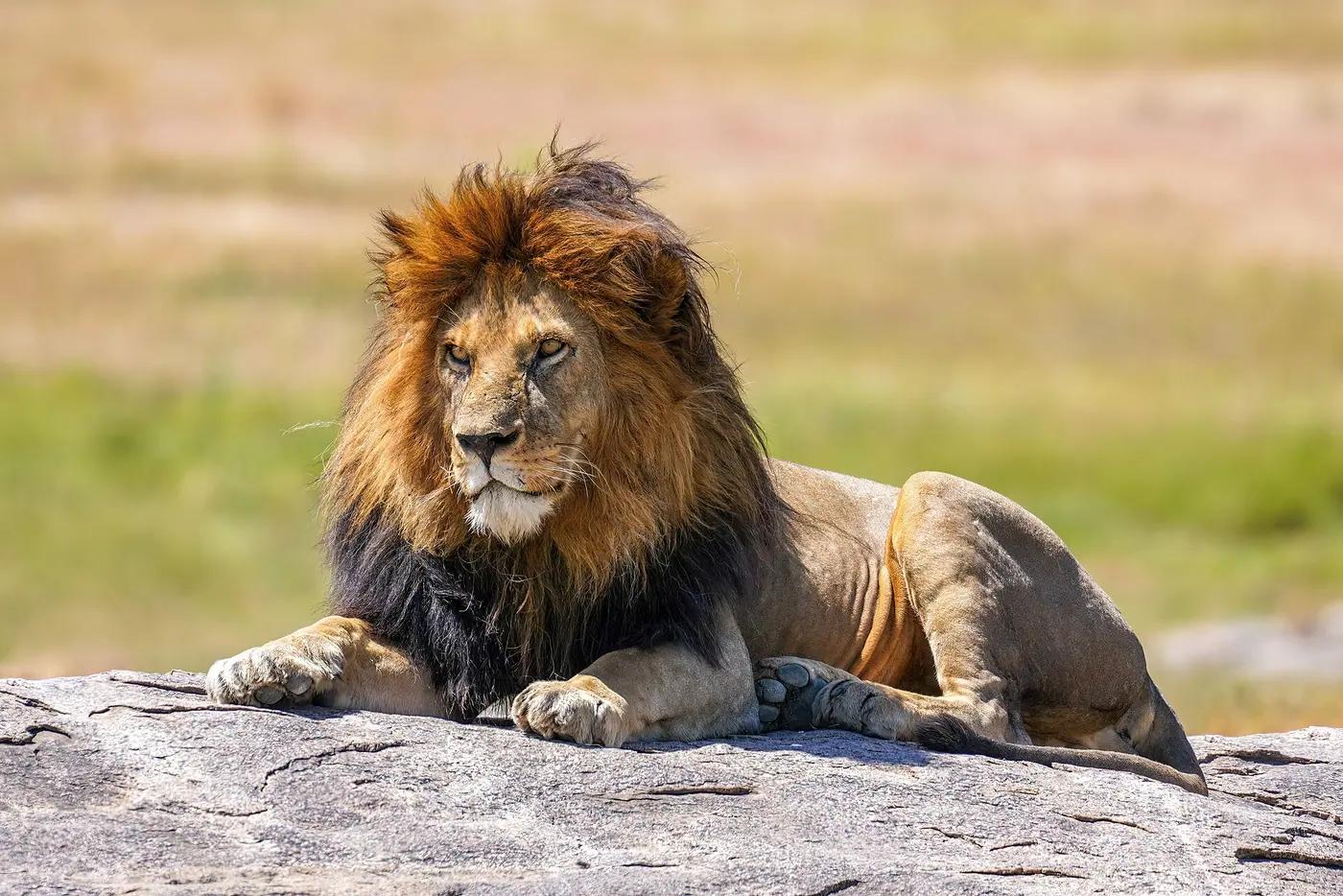
How to plan zoo visits, safari drives and local nature walks so kids actually see animals: best times, distances, simple games and what to look for.
7 min read