Animals in Indonesia: What You Can Spot, Learn, and Collect
A practical guide to animals in Indonesia, from accessible birds and coastal wildlife to headline species that make the country one of the world's strongest wildlife-travel destinations.
Quick answer
Start with the direct answer, then use the sections below to see why the location matters and which animals are actually realistic to spot there.
Indonesia is strongest when you think in layers: easy everyday wildlife, reliable coastal and birdlife encounters, then flagship species that make the trip unforgettable. You are more likely to succeed by building a realistic spotting plan around islands, habitat, and access than by chasing one dream animal blindly.
Indonesia is too large and too ecologically diverse to treat as one simple wildlife destination. Reef systems, mangroves, cities, rainforests, volcanic islands, and protected parks all create different spotting experiences.
That is what makes the country so valuable for AnimalDex. It supports both casual travelers who want practical sightings and collectors who want a richer species list from one broader trip.
Explore animal places in Indonesia
Open a curated guide to animal-focused attractions or protected habitats connected to this location.
Why this location matters
Good location pages explain why the place is worth your time, not just which names belong on a destination checklist.
The country combines globally famous flagship wildlife with plenty of accessible animals that ordinary travelers can realistically notice.
It works well for mixed travel styles because a single Indonesia trip can include urban wildlife, coastal species, zoo discovery, and high-value park or island encounters.
Where to find each animal in Indonesia
Indonesia spans two biogeographic worlds across a 5,000km arc. The zones below split it the way a trip does: Sumatra's rainforest, Kalimantan's peat swamp and rivers, the dry islands of Wallacea, the coral triangle water that connects everything, and Java's farmland and cities where most everyday sightings happen.
Habitat zone
Sumatran rainforest
Lowland and hill rainforest along the Bukit Barisan range — the last stronghold for the island's big forest mammals.
13 animals mapped here
Habitat zone
Kalimantan peat forest & rivers
Blackwater rivers, peat swamp and dipterocarp forest across Indonesian Borneo.
5 animals mapped here
Habitat zone
Bali, Nusa Tenggara & the dry islands
Savanna, monsoon scrub and limestone hills from West Bali east through Nusa Tenggara — Komodo country.
2 animals mapped here
Habitat zone
Coral Triangle water
Raja Ampat, the Banda Sea and the reef systems that make this the richest marine region on earth.
2 animals mapped here
Habitat zone
Java's farmland, cities & volcanoes
Rice terraces, volcano slopes and the most densely settled countryside in Southeast Asia.
6 animals mapped here
Zones are habitat guidance, not guarantees. Pin positions mark the part of the region each animal is realistically worked for; the coastline is simplified for legibility.
Where to look
Wildlife map of Indonesia
Each pin is a real place you can visit, with the animals worth working for there.
Positions are geocoded from OpenStreetMap. Habitat access and opening times change — check locally before travelling. Smaller pins are public AnimalDex captures, placed to the nearest kilometre.
Field proof
Found in Indonesia by AnimalDex users
Real captures logged in the AnimalDex app inside this area and shared publicly by their collectors, with the animal confirmed by the app's identification. Places are shown to the nearest region, never the exact spot.
- 541
- public captures
- 317
- species recorded
- 58
- collectors
- 293
- wild sightings
Recent captures from the field
Species people have actually logged here
Every name links to its species guide. The count is how many public captures of that animal sit inside this area.
- Black Ant15 captures
- Common House Gecko11 captures
- House Fly11 captures
- Asian Weaver Ant9 captures
- Eurasian Tree Sparrow8 captures
- Goldfish7 captures
- Mosquito7 captures
- Siamese Fighting Fish7 captures
- Brahminy Kite6 captures
- Cockroach6 captures
- Drain Fly6 captures
- Green Peafowl5 captures
- Long-tailed Macaque5 captures
- Red Ant5 captures
- Greater Flamingo4 captures
- Guppy4 captures
- Reticulated Python4 captures
- Saltwater Crocodile4 captures
- Southern Cassowary4 captures
- Water Monitor4 captures
- African Pygmy Hedgehog3 captures
- Asian Palm Civet3 captures
- Blue-and-yellow Macaw3 captures
- Capybara3 captures
- Chital3 captures
- Daddy Long-Legs Spider3 captures
- Eclectus Parrot3 captures
- Fischer's Lovebird3 captures
- Ghost Ant3 captures
- Green Iguana3 captures
- Indian Peafowl3 captures
- Indonesian Blue-tongued Skink3 captures
- Javan Myna3 captures
- Leopard Gecko3 captures
- Meerkat3 captures
- Muscovy Duck3 captures
- Nile Tilapia3 captures
- Ostrich3 captures
- Red Junglefowl3 captures
- Sooty-headed Bulbul3 captures
Collectors choose to share these captures on Discover and can withdraw them at any time. Coordinates are rounded to about a kilometre and refreshed with each site build.
Animals to spot
These are intentionally practical species picks, balancing accessibility, excitement, and what travelers can realistically notice in the location.
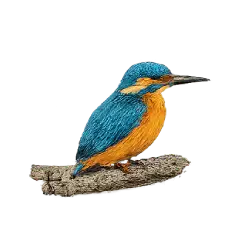
Common KingfisherD
A practical starting species for waterways, rice-field edges, and calmer wet habitats across the country.
Spotting note: Good everyday win for patient travelers.
Read species guide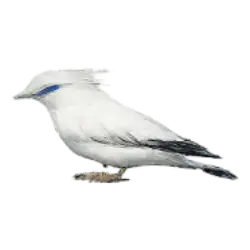
Bali MynaC
One of the most recognizable Indonesia-linked birds, especially meaningful for travelers focusing on Bali or conservation-minded birding.
Spotting note: Specialist target rather than a casual everyday sighting.
Read species guide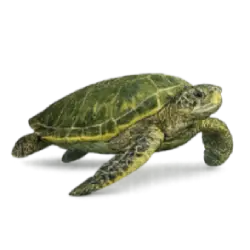
Green Sea TurtleC
A strong island-and-coastline species for reef trips, snorkeling days, and marine-focused travel.
Spotting note: More realistic with guided marine access than random beach luck.
Read species guide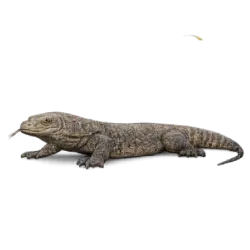
Komodo DragonA
The headline reptile for Indonesia, best treated as a park-focused destination species rather than something you casually add anywhere.
Spotting note: Flagship target that needs the right island and setting.
Read species guide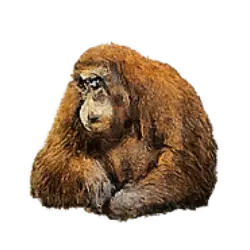
OrangutanA
A major rainforest draw for travelers extending into Borneo or Sumatra and one of the strongest learning species in the whole ecosystem.
Spotting note: High-value forest or sanctuary-linked target.
Read species guide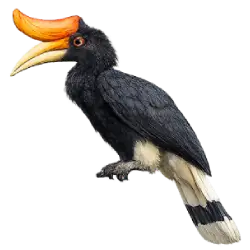
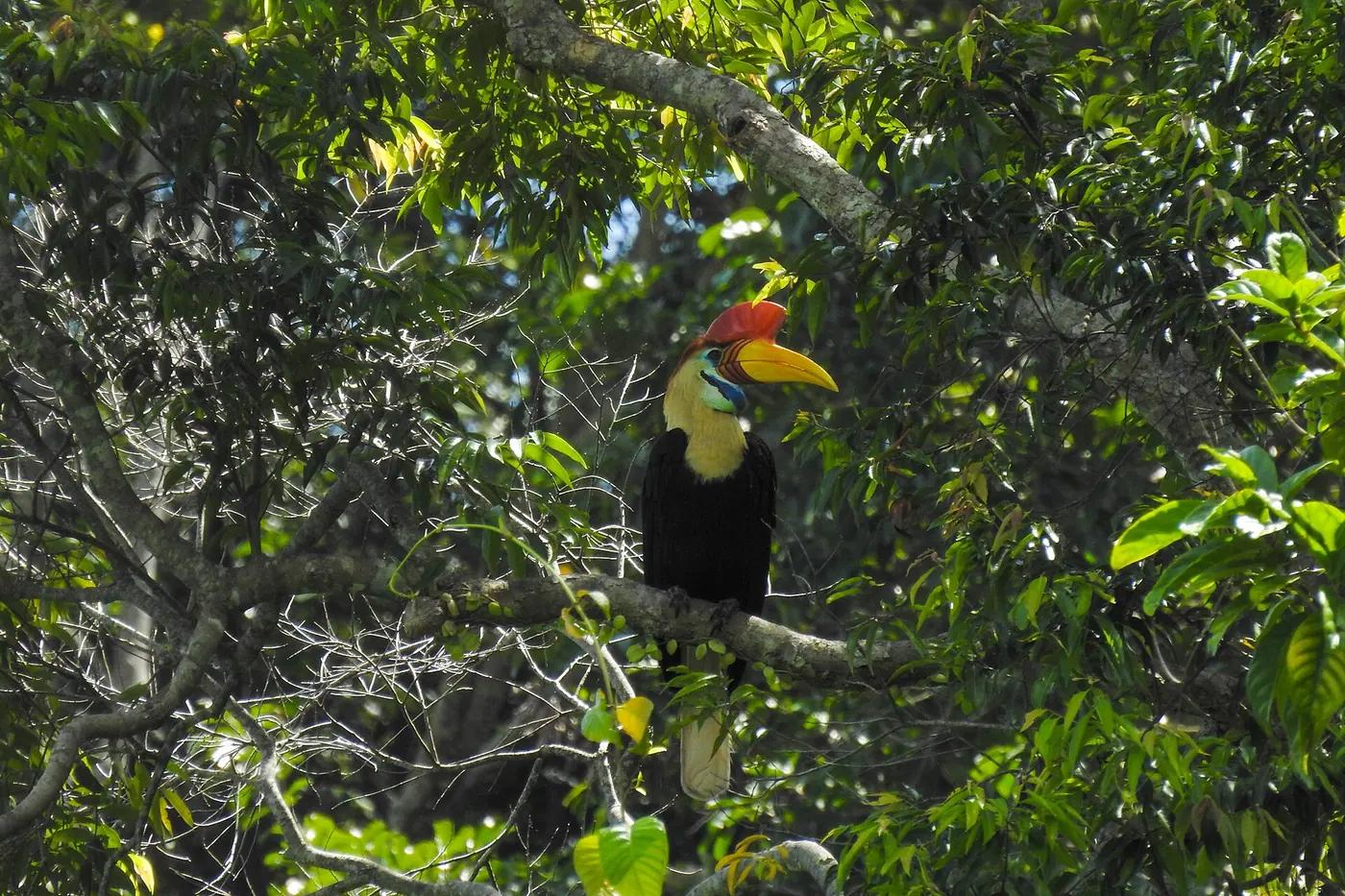
Rhinoceros HornbillB
A memorable canopy bird for travelers moving into deeper forest destinations where broad tropical birdlife becomes part of the trip.
Spotting note: More likely on habitat-led forest itineraries than urban travel.
Read species guide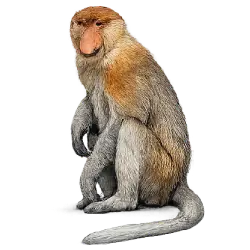
Proboscis MonkeyB
Proboscis Monkey adds realistic depth to the Indonesia animal list without forcing the page around one headline encounter.
Spotting note: Useful supporting species with the right habitat and timing.
Read species guide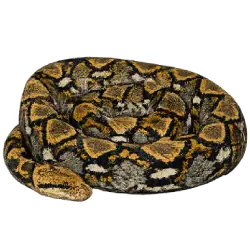
Reticulated PythonB
Reticulated Python broadens the Indonesia page beyond the obvious targets and makes habitat-led spotting feel more complete.
Spotting note: Better treated as a realistic secondary target than a guaranteed sighting.
Read species guide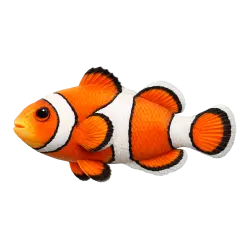
ClownfishE
Clownfish is a strong supporting species that helps Indonesia feel richer than a one-animal destination.
Spotting note: Strong add when you pay attention to habitat instead of chasing one flagship animal.
Read species guide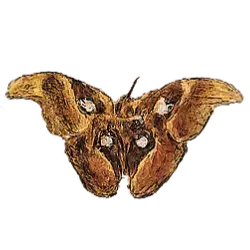
Atlas MothE
Atlas Moth gives the Indonesia page more ecological range, not just more raw checklist count.
Spotting note: Meaningful supporting sighting rather than the only reason to choose the location.
Read species guide
Zebra DoveD
Zebra Dove adds realistic depth to the Indonesia animal list without forcing the page around one headline encounter.
Spotting note: Useful supporting species with the right habitat and timing.
Read species guide
Long-tailed MacaqueC
Long Tailed Macaque broadens the Indonesia page beyond the obvious targets and makes habitat-led spotting feel more complete.
Spotting note: Better treated as a realistic secondary target than a guaranteed sighting.
Read species guideBornean OrangutanA
Bornean Orangutan is a strong supporting species that helps Indonesia feel richer than a one-animal destination.
Spotting note: Strong add when you pay attention to habitat instead of chasing one flagship animal.
Read species guide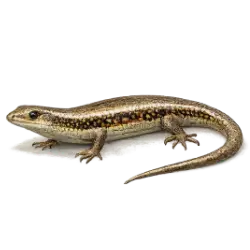
Common Sun SkinkD
Common Sun Skink gives the Indonesia page more ecological range, not just more raw checklist count.
Spotting note: Meaningful supporting sighting rather than the only reason to choose the location.
Read species guide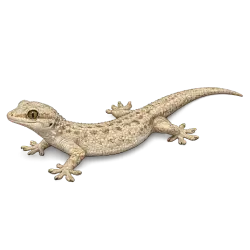
Common House GeckoE
Common House Gecko adds realistic depth to the Indonesia animal list without forcing the page around one headline encounter.
Spotting note: Useful supporting species with the right habitat and timing.
Read species guide
Tree FrogE
Tree Frog broadens the Indonesia page beyond the obvious targets and makes habitat-led spotting feel more complete.
Spotting note: Better treated as a realistic secondary target than a guaranteed sighting.
Read species guide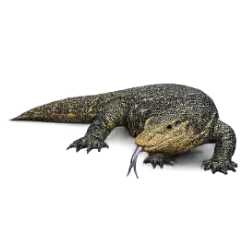
Water MonitorC
Water Monitor is a strong supporting species that helps Indonesia feel richer than a one-animal destination.
Spotting note: Strong add when you pay attention to habitat instead of chasing one flagship animal.
Read species guide
MosquitoE
Mosquito gives the Indonesia page more ecological range, not just more raw checklist count.
Spotting note: Meaningful supporting sighting rather than the only reason to choose the location.
Read species guide
Asian Weaver AntE
Asian Weaver Ant adds realistic depth to the Indonesia animal list without forcing the page around one headline encounter.
Spotting note: Useful supporting species with the right habitat and timing.
Read species guide
Javan MynaD
Javan Myna broadens the Indonesia page beyond the obvious targets and makes habitat-led spotting feel more complete.
Spotting note: Better treated as a realistic secondary target than a guaranteed sighting.
Read species guide
Asian Palm CivetD
Asian Palm Civet is a strong supporting species that helps Indonesia feel richer than a one-animal destination.
Spotting note: Strong add when you pay attention to habitat instead of chasing one flagship animal.
Read species guide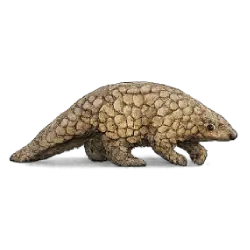
Sunda PangolinC
Sunda Pangolin gives the Indonesia page more ecological range, not just more raw checklist count.
Spotting note: Meaningful supporting sighting rather than the only reason to choose the location.
Read species guide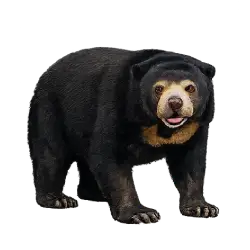
Sun BearB
Sun Bear adds realistic depth to the Indonesia animal list without forcing the page around one headline encounter.
Spotting note: Useful supporting species with the right habitat and timing.
Read species guide
Lesser Mouse-deerD
Lesser Mouse Deer broadens the Indonesia page beyond the obvious targets and makes habitat-led spotting feel more complete.
Spotting note: Better treated as a realistic secondary target than a guaranteed sighting.
Read species guide
Sunda Clouded LeopardA
Sunda Clouded Leopard is a strong supporting species that helps Indonesia feel richer than a one-animal destination.
Spotting note: Strong add when you pay attention to habitat instead of chasing one flagship animal.
Read species guide
House FlyE
House Fly gives the Indonesia page more ecological range, not just more raw checklist count.
Spotting note: Meaningful supporting sighting rather than the only reason to choose the location.
Read species guide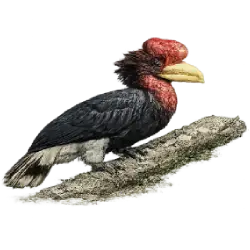
Helmeted HornbillB
Helmeted Hornbill adds realistic depth to the Indonesia animal list without forcing the page around one headline encounter.
Spotting note: Useful supporting species with the right habitat and timing.
Read species guide
Common House SpiderE
Common House Spider broadens the Indonesia page beyond the obvious targets and makes habitat-led spotting feel more complete.
Spotting note: Better treated as a realistic secondary target than a guaranteed sighting.
Read species guideBest for
Use this section to decide whether the location fits your travel style, skill level, and AnimalDex goals.
- Travelers who want both accessible sightings and big-name wildlife.
- Families mixing everyday discovery with one or two major animal destinations.
- Collectors building a broad trip list instead of chasing only one flagship species.
- Photographers who want coastline, birdlife, and rainforest variety in one country.
Spotting tips
These tips are meant to make the page useful in the field, not just readable on the page.
- 01Plan by island and habitat first. Indonesia rewards a split between city, coast, reef, and park or forest time.
- 02Use easy sightings to build momentum. Kingfishers, swallows, insects, and shoreline life are often more realistic than a single dream mammal.
- 03Treat flagship species like Komodo dragons and orangutans as destination anchors, not guaranteed add-ons.
- 04If the trip includes family or beginner travelers, pair one serious wildlife stop with more reliable zoo or sanctuary visits.
Virtual Wildlife Guides
Wildlife guides to Indonesia
AnimalDex builds virtual guides from explorers' own wild sightings: which animals they found, how rare they are, and when. A guide is advice from someone who has been there, not a tour. Buying one unlocks the author's notes for every animal, a chat with the author, and introductions to local people they met. Wildlife is never guaranteed.
Checking for virtual guides to Indonesia...
How to choose a local wildlife guide in Indonesia
- Ask what they usually find in the season you are visiting. A good guide gives an honest answer, not a promised sighting.
- Check how they treat animals: no baiting, calling in, handling, or close flash photography for a better shot.
- Confirm the meeting area, duration, group size, total price, and how you pay before the day, plus any permits or park fees the place requires.
Track the animals you find in Indonesia
Build your collection while you travel through Indonesia, from easy wins to the species worth planning around.
Related tier lists
These tier lists add broader context around the species that make this location interesting.
100 Most Adaptable Animals
The red fox is the most adaptable animal in our ranking, ahead of crows, wolves, peregrine falcons and leopards: the generalists that thrive anywhere.
Read tier list100 Smartest Animals Ranked
Dolphins, chimpanzees, orcas, octopuses and ravens lead the 100 smartest animals. See how each one solves problems, uses tools and communicates.
Read tier listStealthiest Hunters in the Animal World
A structured ranking of the stealthiest hunters in the animal world, focusing on concealment, approach discipline, ambush control, and the ability to stay unread until the final moment.
Read tier listRelated blog guides
Go deeper with practical field, travel, and animal-learning articles linked to this location.
How to identify animals in the wild (2026 guide)
How to identify animals in the wild: silhouette, size against known objects, behaviour, habitat and range maps, lookalike pairs and verifying AI scans.
Read blog articleBest animals to spot in Bali (2026)
The best animals to spot in Bali and where: Bali myna in West Bali National Park, macaques at Ubud and Uluwatu, mantas at Nusa Penida, reef fish and more.
Read blog articleZoo vs wild animals: what’s the difference?
Zoo vs wild animals: how behaviour, activity, diet and lifespan differ, what enrichment is for, and how to watch animals well in either setting.
Read blog articleRelated locations
Keep exploring with nearby or similar destinations that support the same kind of AnimalDex discovery.
Animals in Bali: What You Can Spot, Learn, and Collect
A practical Bali wildlife guide built around animals travelers can realistically spot, from birds and coastal species to high-value sightings that make the island feel richer than a resort-only trip.
Read location guideAnimals in Komodo National Park: What You Can Realistically Spot
A structured guide to Komodo National Park focused on what visitors can realistically spot, from Komodo dragons and marine life to smaller species that reward patient observation.
Read location guideAnimals in Borneo: What You Can Spot and Why the Region Matters
A structured Borneo wildlife guide focused on realistic rainforest, river, and sanctuary-linked spotting with strong links into species pages and broader AnimalDex discovery.
Read location guideLocation FAQ
Short direct answers to the questions travelers usually ask before choosing a wildlife destination or zoo day.
What animals can I realistically see in Indonesia?
Common birds, insects, reef species, and shoreline wildlife are the most realistic broad-trip answers, while Komodo dragons and orangutans usually require dedicated destination planning.
Is Indonesia good for beginner wildlife travelers?
Yes. It works especially well if you mix easy-access wildlife with one focused park, island, or zoo day instead of trying to force every major species into one itinerary.
Have AnimalDex users found animals in Indonesia?
Yes. AnimalDex users have publicly logged 541 captures of 317 different species in Indonesia, including black ant, common house gecko, house fly, asian weaver ant. Each one was photographed in the app at the moment of the sighting.
How do I find a wildlife guide to Indonesia?
Check the Wildlife Guides section on this page or browse Wildlife Guides on AnimalDex. Each one is a virtual guide built from an explorer's own wild sightings around Indonesia: the animals they found, how rare they are, and when. It is advice from someone who has been there, not a tour. If you want someone with you on the day, compare local guides on wildlife knowledge, how they treat animals, and clear pricing before you go.