

Zoo animalsWild animalsFamily-friendly animal learning
Zoo vs wild animals: what’s the difference?
Zoo vs wild animals: how behaviour, activity, diet and lifespan differ, what enrichment is for, and how to watch animals well in either setting.

Observation conditions are fundamentally different
A zoo gives you proximity, predictability and time. The animal is within 20 m, it will be there tomorrow, and you can watch it for an hour. The wild gives you none of that and, in exchange, shows you the behaviour the animal evolved: hunting, long-distance movement, real predator avoidance and social life at natural group sizes.
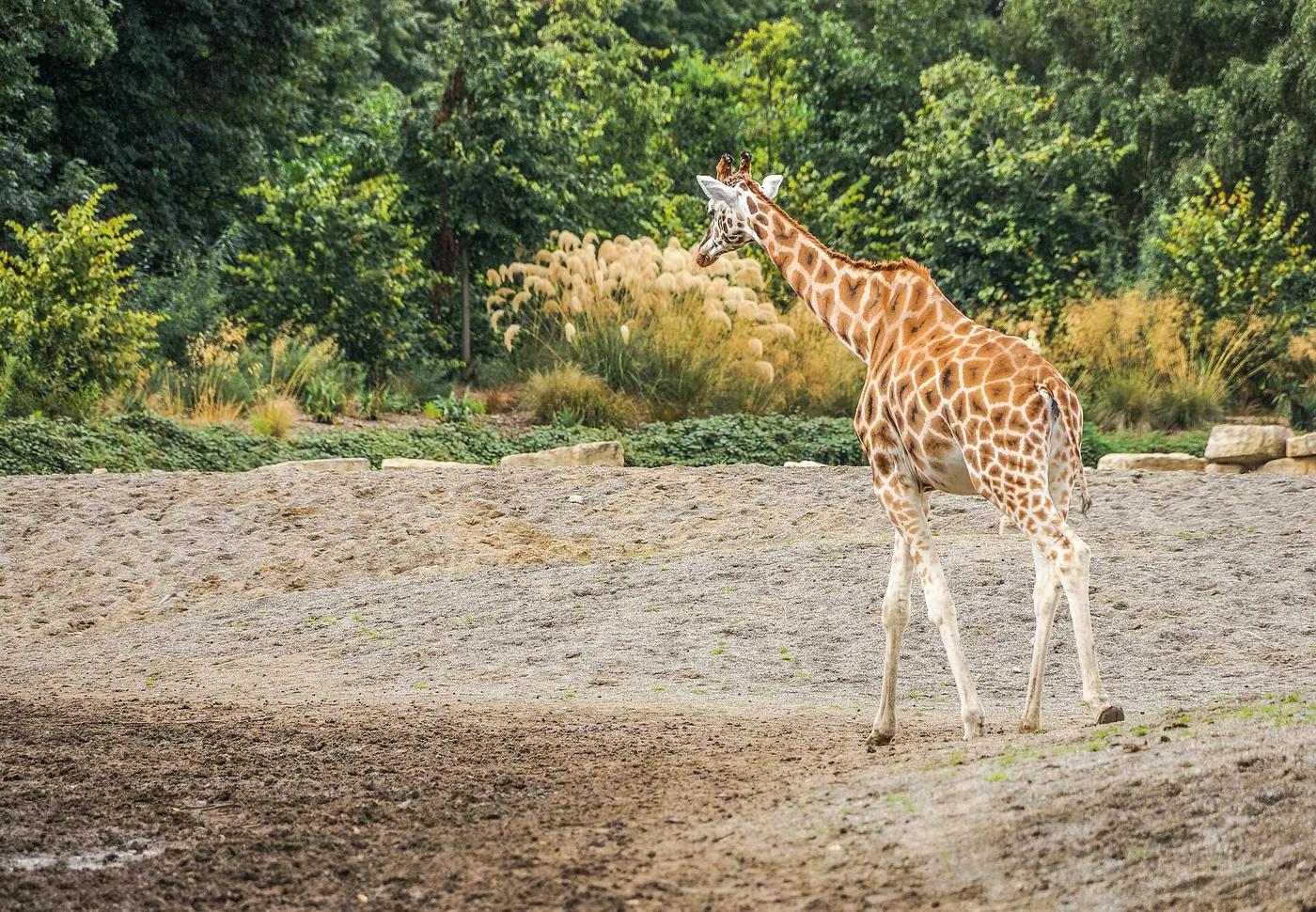
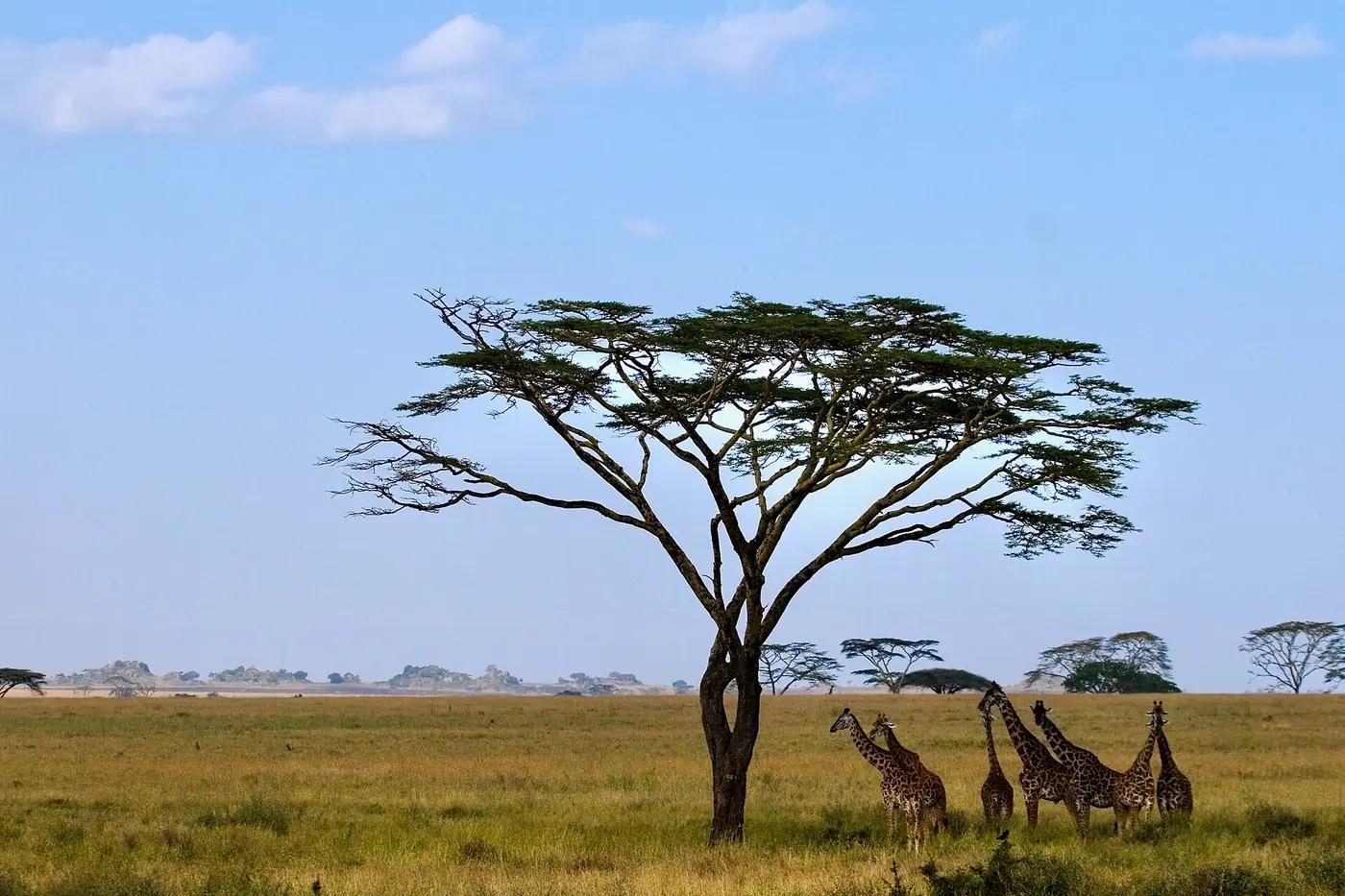
Neither is automatically better. A zoo is where most people first learn what a giraffe's ossicones look like up close or how an eagle's talons lock; the wild is where you learn that giraffes browse for most of the day and that an eagle spends most of it perched. The two settings teach different halves of the same animal.
Same species, different day
Five ways behaviour changes in an enclosure
Captive animals are the same species with a different daily budget. Food arrives on a schedule, there are no predators, space is fixed and the same people pass every day. Those four facts explain most of what you see.
| Behaviour | In the wild | In a zoo | What to notice |
|---|---|---|---|
| Foraging time | Elephants and giraffes feed 16 to 18 hours a day; wild dogs hunt twice daily | Minutes to an hour per feed unless food is hidden or puzzle-fed | Look for scatter feeds, browse hung high, and animals still searching after a feed |
| Activity rhythm | Set by heat, light and prey: dawn and dusk peaks, midday rest | Set by the keeper timetable: active at opening, feeds and talks | Plan visits around the posted schedule |
| Vigilance | Constant scanning; herds post lookouts; sleep is short and light | Much reduced; lions in a zoo sleep as much as wild ones but rarely look up | A relaxed captive animal lying in the open is normal, not sick |
| Movement | Wild dogs range over 500 square kilometres or more; polar bears walk tens of kilometres | Fixed enclosure; repeated routes | Varied routes and use of the whole enclosure are good signs |
| Lifespan | Shorter: predation, injury, drought, disease | Often longer: lions, elephants and many primates outlive wild averages with veterinary care | Age signs such as worn teeth or grey muzzles are more common in zoos |
Enrichment: what it is and what it tells you
Enrichment is the deliberate work a zoo does to give animals choices and problems to solve: food hidden in logs or frozen into ice, scents from other species sprayed on rocks, climbing frames and pools, novel objects, training sessions that let a keeper check teeth or feet without sedation. Accredited zoos, including those under the Association of Zoos and Aquariums, treat it as a welfare requirement rather than a show.
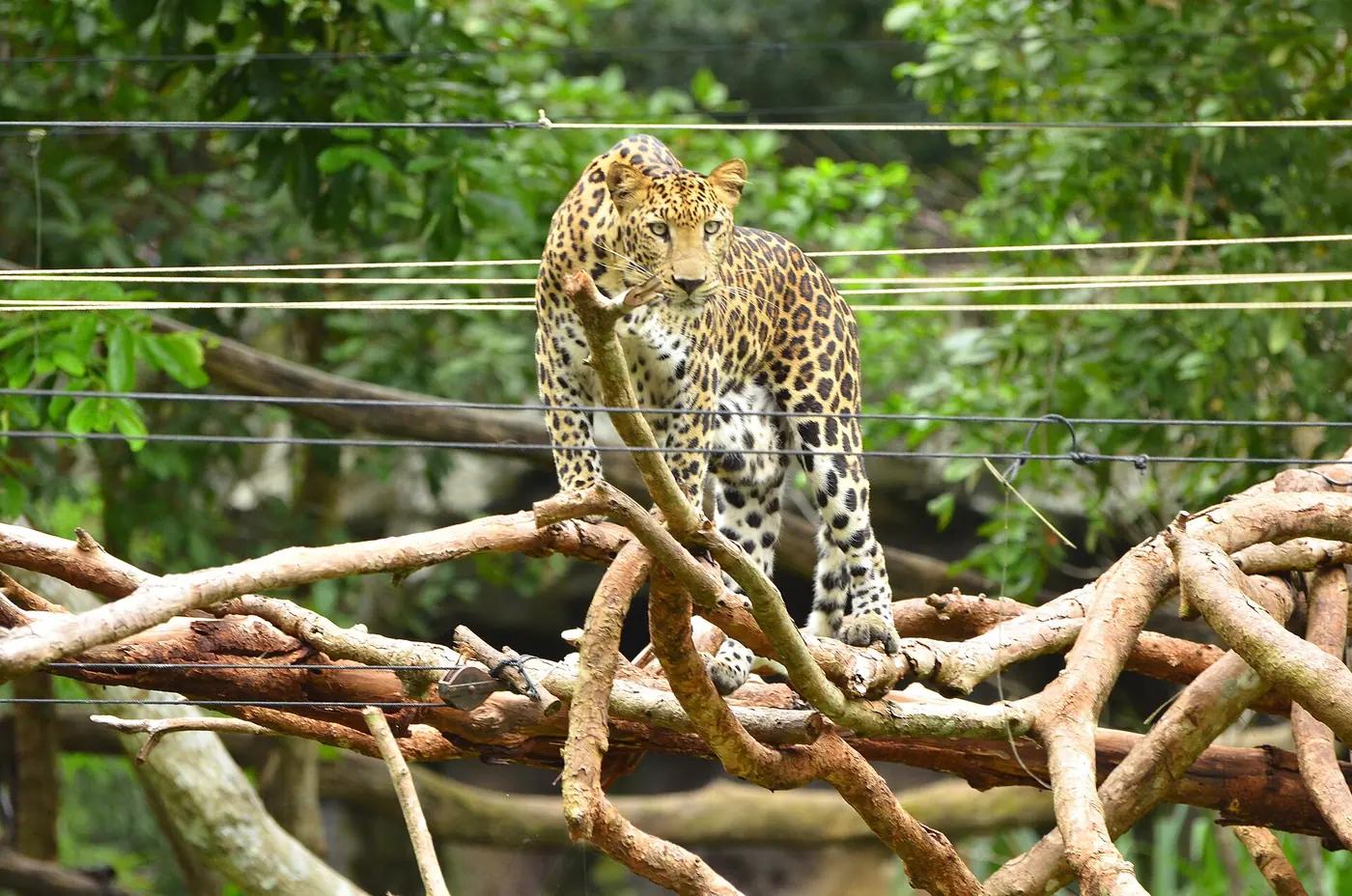
Enrichment is also a window for visitors. A leopard working a meat-filled puzzle on a climbing frame shows you the stalking, reaching and gripping it would use on a kill. The absence of enrichment shows too. Stereotypies, the repetitive pacing, swaying or route-tracing that can develop in under-stimulated animals, are a recognised welfare signal, and modern enclosure design exists largely to prevent them. If you see an animal walking the same loop over and over, you are looking at a problem the keepers are probably already working on.
Behaviour interpretation needs context
In a managed environment, behaviour reflects enclosure design, enrichment cycles and human presence as much as instinct. A Komodo dragon basking under a heat lamp at 10 am is doing what the lamp timer tells it; in the wild the same animal basks where the morning sun hits a trail and then goes hunting. African wild dogs in a zoo greet, rally and play like a wild pack, but the pack is usually smaller than the wild average of around ten adults and it never has to run down an impala.
Understanding that context makes your notes more accurate. Record a zoo observation as what the animal can do; record a wild observation as what it does when nothing is arranged for it.
How to watch a zoo animal well
Most visitors spend under a minute at each enclosure and leave with a photograph of an animal asleep. The fix is to treat the zoo like a hide: arrive at opening, read the day's feed and talk times, and give three or four animals twenty minutes each instead of forty animals thirty seconds each.
Go early or late
Animals are let out at opening and are often most active in the first hour; late afternoon feeds bring them to the front again.
Use the keeper talk
Keepers know individual animals by name, age and temperament, and will tell you which behaviours to look for in the next ten minutes.
Watch, then name
Spend the first minute describing what the animal is doing before you check the sign. It builds the habit you need in the wild.
No glass tapping, no flash
Both push animals to the back of the enclosure. Quiet, still visitors at the barrier get the long look.
Count and compare
Group size, who eats first, who grooms whom, and which individual is on watch are all visible in a zoo and hard to see in the wild.
Family zoo and safari learning
How to watch a wild animal well
In the field the animal sets the terms. Arrive before it does, stay low and still, and keep enough distance that its behaviour never changes because of you; wildlife agencies such as the US National Park Service use 25 m from most animals and 100 m from bears and wolves as the minimum. A car, a hide or a bench you have sat on for half an hour all work better than walking toward anything.
Expect to see less, and to understand more of what you see. A wild giraffe herd spreading out to browse, lookouts facing different directions, tells you about predation pressure in a way no enclosure can. One clean sighting of a wild animal behaving naturally is worth a dozen close views of a captive one, and the captive views are what prepare you to recognise it.
The zoo teaches you what an animal looks like. The wild teaches you what it does. You need both to read either one.
How to identify animals in the wildWildlife photography without disturbing animals
Use both contexts to build better animal literacy
Zoo encounters give beginners the visual traits: the eagle's yellow cere, the wild dog's four-toed feet and mottled coat, the dragon's forked tongue. Wild encounters test that recognition under real conditions, at distance, in poor light, for a few seconds. Logging both in one collection keeps the two linked.
In AnimalDex, a live capture of a zoo animal and a live capture of the same species in the wild both become cards, with the place recorded on each. The zoo card is where many people learn a species; the wild card is the one that feels earned.
Systems Intelligence & Hidden Purpose
See these animals as engineered biological systems: what they are built to do, how they fit the wider environment, and what their design can teach us.
Specialized Hardware
Long-range vision, broad soaring wings, and a hooked bill optimized for fish capture make the bald eagle a precision hunter built for scanning large water systems with minimal wasted energy.
Systems Script
Bald eagles sit near the top of aquatic food chains, linking fish-rich waterways to wider nutrient and predator dynamics. Where they persist, they often reflect habitat quality, prey stability, and protected nesting space.
Strategic Insight
Altitude is a strategy. Step back, widen the field, and let pattern recognition do work before you commit energy to the dive.
Specialized Hardware
Oversized ears, endurance-focused limbs, and a social communication stack built on posture, vocal cues, and pack coordination turn the African wild dog into elite pursuit hardware.
Systems Script
African wild dogs pressure prey populations through coordinated movement rather than isolated brute force. They help shape herbivore behavior, redistribute risk across landscapes, and reward connected ecosystems over fragmented ones.
Strategic Insight
High-performance teams do not need constant hierarchy chatter. Shared rules, clean signals, and role clarity create speed that solo talent cannot match.
Quick questions
Short answers to common questions readers ask on this topic.
- Do zoo animals behave differently from wild animals?
- Yes, mainly in how they spend their time. Scheduled food cuts foraging from most of the day to minutes, there are no predators to watch for, and the enclosure fixes how far they can travel. Core behaviours such as grooming, play, dominance and parental care stay the same, which is why zoos are a good place to learn them.
- What is enrichment in a zoo?
- Enrichment is anything a zoo adds to give animals choices and problems to solve: hidden or frozen food, scents, climbing structures, pools, novel objects and training sessions. Accredited zoos treat it as a welfare standard. It also lets visitors see natural behaviours, such as a leopard working a food puzzle on a climbing frame.
- Do zoo animals live longer than wild animals?
- Often, yes. Veterinary care, steady food and no predators mean lions, elephants and many primates in accredited zoos outlive wild averages. There are exceptions, and lifespan on its own is not a welfare measure, but it is one reason you see more visibly old animals in zoos than in the wild.
- Why do zoo animals pace back and forth?
- Repetitive pacing, swaying or route-tracing is called stereotypic behaviour and is a recognised sign that an animal is under-stimulated or stressed. Modern enclosure design and enrichment programmes exist largely to prevent it. If you see it, the keepers are usually already aware and working on it.
- How can families use both zoo and wild experiences well?
- Use the same checklist in both: one clear identification clue, one behaviour note and one habitat note per sighting. Learn the species at the zoo, where it is close and still, then look for it in the wild, where the same animal is distant and brief. Logging both in one collection keeps the lessons connected.
Animals mentioned
Jump from this article into the species pages behind the examples, systems notes, and field-guide references.
Komodo DragonBald EagleAfrican Wild DogGiraffeLionElephantWhite-headed Vulture
Answer guides related to this topic
If you want direct comparisons and clear recommendations, continue with these answer-focused pages.
Best Animal Identification Apps
Compare the best animal identification apps by features like photo/video identification, species coverage, collection capabilities, offline use, and more.
What Is Animal Collecting
Learn what animal collecting means in modern apps and how AnimalDex turns real-world sightings into cards, sets, rarity, and species learning.
Pokemon-Like Animal App
Looking for a Pokemon-like animal app with real species? AnimalDex combines creature-collection energy with AI scanning and wildlife learning.
Related comparisons
Continue with structured animal-vs-animal comparison pages connected to the species in this guide.
Elephant vs Giraffe: Which Is Stronger?
Elephant is the stronger overall answer because it carries much more mass and pushing power. Giraffe stays dangerous through height, kicking, and awkward geometry rather than through direct bulk.
Giraffe vs Lion: Who Would Win in a Fight?
Adult giraffe is far more dangerous than people assume and can absolutely repel or injure lions. Lion still gets the better overall predation answer once pride pressure, target vulnerability, or repeated attacks enter the story.
Lion vs Elephant: Who Would Win in a Fight?
Adult elephant is the stronger overall answer. Lion only becomes realistic when the scenario involves pride pressure, vulnerability, exhaustion, or a younger and less secure elephant.
African Wild Dog vs Hyena: Who Would Win in a Fight?
Spotted hyena gets the edge in direct physical conflict because it is tougher and more built for brutal contact. African wild dog stays exceptional in pure pack-hunt coordination and endurance pursuit.
Related guides
Family animal learning
Zoo, safari or nature walk: a family animal spotting guide
How to plan zoo visits, safari drives and local nature walks so kids actually see animals: best times, distances, simple games and what to look for.
7 min read

How to identify animals in the wild (2026 guide)
How to identify animals in the wild: silhouette, size against known objects, behaviour, habitat and range maps, lookalike pairs and verifying AI scans.
8 min read

What makes an animal rare? Range, population and endemism
What makes an animal rare: IUCN Red List categories, range size versus population, endemism, fragmentation, and why rare to see is not always rare.
8 min read