
Panduan lapangan hewan
Crow
Identifikasi, habitat, rarity, perilaku, simbolisme, fakta, dan pelajaran praktis dari alam.
The Street-Smart Inventor. The Crow uses a sturdy beak, bright eyes, and a quick memory to test food, tools, and tricky little problems. It shows us that clever ideas can turn ordinary things into something useful.
Kartu AnimalDex
Buka kartu hewan ini
Pindai atau tangkap hewan ini dengan AnimalDex untuk membuka kartu koleksi dan menambahkannya ke koleksi satwa liarmu.
Dapatkan AnimalDexNama ilmiah
Corvus spp.
Kategori
Bird
Habitat
Woodland edges, farmland, cities, coastlines, and open country with reliable food opportunities.
Rarity
Relatively common · 15/100
Native range
Widespread across much of Europe, Asia, North America, and many islands depending on species.
Innovation
Test the object.
Object-Testing Intelligence
Apa yang diajarkannya
Ordinary things become tools when a mind is willing to test them.
Coba
Your product fails, so you test a rough workaround before building more.
Bukti alam
Crows are highly intelligent corvids known for problem-solving, memory, social learning, object manipulation, and in some species tool use or tool-like behavior.
Gunakan untuk
Tangkapan Crow berperingkat
Belum ada tangkapan komunitas berperingkat untuk spesies ini.
Mengapa Innovation?
Alasan di balik Prinsip Hewan ini dan biologi yang mendukungnya.
Crows are highly adaptable songbirds known for strong memory, social learning, and unusual problem-solving ability in both wild and human-shaped environments.
Cara mengidentifikasi Crow
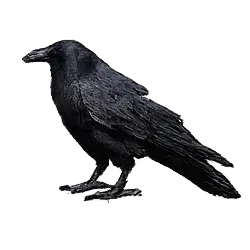
- Glossy black or charcoal plumage with a sturdy straight bill
- Broad wings and fan-shaped tail in flight
- Confident upright posture and direct ground-walking gait
Kenapa Crow menarik
- Crows are one of the strongest bird examples of flexible intelligence outside captive studies.
- Their behavior shows how learning speed can matter as much as physical specialization.
Habitat: Woodland edges, farmland, cities, coastlines, and open country with reliable food opportunities.
Native range: Widespread across much of Europe, Asia, North America, and many islands depending on species.
nativeRangeCardTitle
nativeRangeCardDescription
Woodland edges, farmland, cities, coastlines, and open country with reliable food opportunities.
To find Crow in the wild, focus on the exact habitat patches that match its body design and daily behavior, not just the broad country where it exists. You usually do better by working one good piece of habitat inside widespread across much of Europe, Asia, North America, and many islands depending on species. than by covering too much ground.
- Forest edge, canopy gaps, fruiting trees, or shaded trails where cover and food meet
- Open grassland edges, lightly wooded plains, or raised ground where you can scan long distances
- Headlands, reef edges, island colonies, tidal channels, or productive coastal water
- First light and late afternoon are often best, when animals come out to feed along the edge of water.
- Work edges, clearings, fruiting trees, and stream crossings rather than walking randomly through dense cover.
- Use sound, flight lines, and perch trees as clues; birds often reveal themselves before they sit in the open.
Insects, carrion, eggs, seeds, fruit, small animals, and human leftovers support Innovation because the crow’s menu rewards experimentation. The more varied the food, the more useful the mind becomes.
Crows are diurnal, spending daylight searching, watching, calling, and testing. The rhythm supports Innovation because the day gives time to observe cause and effect.
Crows can live many years, especially when they survive early dangers. A longer life strengthens Innovation because memory compounds: every solved problem can shape the next one.
Females lay eggs in stick nests, and both parents usually help raise young. Young crows often remain connected to family groups, making learning a social inheritance.
Males and females look similar in many crow species. The Innovation lesson belongs to the shared corvid mind rather than ornament or obvious sex display.
- Caches food and revisits hiding spots accurately
- Uses social warning calls to track predators and human threats
- Experiments with objects and routines when food access changes
Crow most often symbolizes innovation in AnimalDex because its real survival behavior repeatedly shows this pattern.
Ordinary things become tools when a mind is willing to test them.
Crows are highly intelligent corvids known for problem-solving, memory, social learning, object manipulation, and in some species tool use or tool-like behavior.
- Watch from a distance around nest season because crows defend young aggressively.
- Observe repeated routines over time rather than trying to lure close interaction.
statsTitle
statsDescription
statsSourceLabel: statsSourceSpeciesProfile
dominanceStat
45
speedStat
55
sizeStat
18
intelligenceStat
78
rarityStat
15%
Total
211
Size scale
Small
Uses the canonical size stat for consistent placement
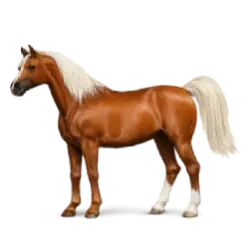
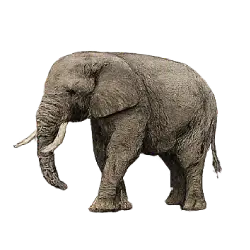
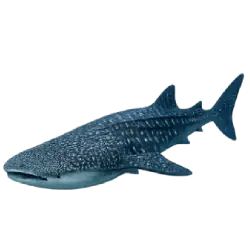
US$103 – US$215
Perkiraan rentang nilai
Kepercayaan 69%
Perkiraan nilai AnimalDex dibuat dari stat spesies kanonik.
Not a marketplace listing.
Perkiraan nilai berdasarkan hewan yang teridentifikasi dan konteks harga yang tersedia. Bukan daftar marketplace.
Seberapa langka Crow?
Rarity: Relatively common (15/100)
Most crow species remain common because they tolerate disturbance, use diverse foods, and learn quickly around people.
Systems Intelligence & Hidden Purpose
Sudut pandang systems biology untuk melihat bagaimana spesies ini dibangun, peran apa yang dijalankannya di ekosistem, dan pelajaran praktis apa yang bisa dipetik manusia.
System Role
The Opportunistic Forensics Analyst
Crow
Specialized Hardware
A large relative brain, strong visual memory, versatile beak use, and social learning make crows excellent at pattern detection, tool use, and rapid behavioral updates.
Systems Script
Crows work the ecosystem's edge cases: scavenging waste, moving seeds, preying on smaller animals, and extracting signal from human-altered environments. They thrive where flexibility matters more than purity.
Strategic Insight
General intelligence scales when memory, experimentation, and information sharing stay connected. Learn fast, keep the useful parts, and drop the vanity.
Public Animal Power
Explore this Animal Power
This is a public capture, so you can explore its Animal Power here. Personal Apex matches and challenges use your Wild Profile and animals you own.
Own an animal with this power to use it in Growth challenges.
Hewan terkait
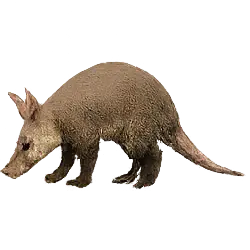
Aardvark
The aardvark is a nocturnal African mammal known for its long snout, strong digging…
Baca panduan spesies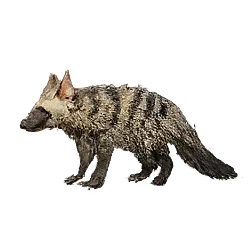
Aardwolf
The aardwolf is a small striped relative of hyenas that feeds mainly on termites rather…
Baca panduan spesies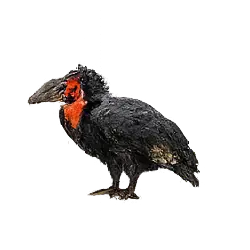
Abyssinian Ground Hornbill
Abyssinian Ground Hornbill is a bird known for bare red facial skin, huge…
Baca panduan spesiesLebih banyak hewan dengan kekuatan Learning
Jelajahi semua hewan Learning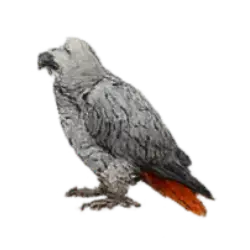
African Grey Parrot
The African grey parrot is a highly intelligent parrot known for gray plumage, red…
Baca panduan spesies
Broad-bodied Chaser
Dragonfly teaches Fast Focus because its real biology turns broad-bodied aerial hunter…
Baca panduan spesies
Budgerigar
Budgerigar teaches Social Mimicry because its real biology turns small flock parrot…
Baca panduan spesiesBawa ensiklopedia ke dunia nyata
AnimalDex membantumu memindai hewan nyata, mengidentifikasi spesies, mengoleksi kartu, dan belajar dari alam di mana pun kamu berada.
Panduan blog terkait
Lanjutkan belajar lewat artikel praktis yang terhubung dengan spesies ini.
Capture Animals App: Identify, Collect, and Learn About Real Animals
Looking for a capture animals app? AnimalDex lets you scan real animals, identify species, collect discoveries, and build your own real-world animal collection.
Baca artikel blogBiomimicry in Animals: 35 Examples of Nature-Inspired Design
Discover 35 examples of biomimicry in animals, from shark skin and gecko feet to owl wings, elephant trunks, whale fins, spider silk, dolphins, ants, bees, and more.
Baca artikel blogWhat If Every Animal Is a Lesson?
Biomimicry, animal intelligence, symbolism, reincarnation, conservation, and why AnimalDex treats every animal as a living lesson.
Baca artikel blogComparisons terkait
Lihat bagaimana spesies ini tampil di halaman perbandingan AnimalDex yang terstruktur.
Raven vs Crow Intelligence: Which Bird Is Smarter?
There is no clean knockout winner. Ravens often get the edge in complex solo problem solving and object play, while crows often shine in urban adaptation, social flexibility, and tool-linked reputation.
Baca halaman comparisonMuncul di tier list
Lihat posisi spesies ini di halaman tier list AnimalDex yang dibangun dengan perbandingan terstruktur dan metodologi yang jelas.
#2 · Adaptability
Most Adaptable Animals in the World: Top 100 Tier List
Crows stay near the top because learning and opportunism make them remarkably hard to lock out of new conditions.
Baca tier list#6 · Intelligence
Smartest Animals in the World: Top 250 Tier List
Crows are elite real-world adapters, especially in human-modified environments.
Baca tier list#8 · Communication
Most Communicative Animals in the Wild: Top 100 Tier List
Crow makes the list because corvids pair vocal communication with social learning and situational awareness.
Baca tier list