
Panduan lapangan hewan
Leafcutter Ant
Identifikasi, habitat, rarity, perilaku, simbolisme, fakta, dan pelajaran praktis dari alam.
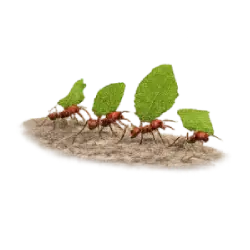
The Tiny Garden Builder. The Leafcutter Ant uses sharp jaws to cut leaf pieces and carry them underground to feed its fungus garden. It teaches us that teamwork can turn even tiny pieces into something amazing.
Kartu AnimalDex
Buka kartu hewan ini
Pindai atau tangkap hewan ini dengan AnimalDex untuk membuka kartu koleksi dan menambahkannya ke koleksi satwa liarmu.
Dapatkan AnimalDexNama ilmiah
Atta and Acromyrmex spp.
Kategori
Insect
Habitat
Tropical forest, secondary growth, savannah woodland, and agricultural edges in the Neotropics.
Rarity
Relatively common · 45/100
Native range
Central and South America.
Repeated Path
Repeat until it holds.
Let small repeated work become architecture.
Apa yang diajarkannya
Practice turns simple actions into reliable systems.
Coba
The routine feels tiny, but repeating it makes the whole project stable.
Bukti alam
Ant colonies build trails, chambers, and organized paths through repeated small actions and coordinated responses to local cues.
Gunakan untuk
Tangkapan Leafcutter Ant berperingkat
Belum ada tangkapan komunitas berperingkat untuk spesies ini.
Mengapa Repeated Path?
Alasan di balik Prinsip Hewan ini dan biologi yang mendukungnya.
Leafcutter ants are social insects that cut vegetation to farm fungus, building large colonies and highly organized transport trails in tropical systems.
Cara mengidentifikasi Leafcutter Ant
- Lines of ants carrying fresh leaf fragments above the body
- Different worker sizes visible in the same colony
- Well-used trails leading to underground nest systems
Kenapa Leafcutter Ant menarik
- Leafcutters are some of the best real-world examples of insect agriculture.
- Their trail systems make collective logistics visible at human scale.
Habitat: Tropical forest, secondary growth, savannah woodland, and agricultural edges in the Neotropics.
Native range: Central and South America.
nativeRangeCardTitle
nativeRangeCardDescription
Tropical forest, secondary growth, savannah woodland, and agricultural edges in the Neotropics.
To find Leafcutter Ant in the wild, focus on the exact habitat patches that match its body design and daily behavior, not just the broad country where it exists. You usually do better by working one good piece of habitat inside central and South America. than by covering too much ground.
- Forest edge, canopy gaps, fruiting trees, or shaded trails where cover and food meet
- Open grassland edges, lightly wooded plains, or raised ground where you can scan long distances
- Burrow systems, sandy banks, fallen logs, or ground with clear den entrances
- Start early, pick one strong patch of habitat, and stay long enough for movement to return after you arrive.
- Work edges, clearings, fruiting trees, and stream crossings rather than walking randomly through dense cover.
- Move quietly, stop often, and give the habitat time to settle; many mammals and insects show themselves only after the first pause.
Seeds, small insects, nectar, and scavenged matter fit the principle because Bower Ant survives by taking the resource its body is designed to reach. The diet turns Repeated Path into daily practice: finding enough food without abandoning the strategy that keeps it safe.
Birds, spiders, lizards, anteaters, and rival ants threaten Bower Ant, which is why repeated construction matters emotionally as well as biologically. The predator story gives Repeated Path its edge: the animal is not merely adapted, it is answering real pressure.
Rest usually happens around nests, matching the rhythm of Repeated Path. Recovery is part of the strategy because the animal must save energy, avoid exposure, and return to its key behavior when conditions are right.
Lifespan varies by species and conditions, but the symbolic fit is steady: Bower Ant depends on repeating repeated construction across seasons. A life shaped by Repeated Path is measured less by drama and more by whether the strategy keeps working.
Offspring develop in or near the same pressures that shape the adults, so early care points back to Repeated Path. Whether eggs, larvae, chicks, or young mammals are involved, the next generation depends on protected placement, timing, and access to food.
Sex differences depend on the exact species, but they matter most where display, nesting, territory, or parental roles affect survival. For Bower Ant, any difference should support the main lesson of Repeated Path rather than distract from it.
- Cuts leaves as fungus substrate rather than direct food
- Uses caste specialization for transport, defense, and nest care
- Maintains large subterranean chamber networks
Leafcutter Ant most often symbolizes repeated path in AnimalDex because its real survival behavior repeatedly shows this pattern.
Practice turns simple actions into reliable systems.
Ant colonies build trails, chambers, and organized paths through repeated small actions and coordinated responses to local cues.
- Observe active trails without blocking or stomping worker flow.
- Avoid digging into nests or opening chambers.
- Army ants
- Termite worker lines
- Other large ant species on vegetation
statsTitle
statsDescription
statsSourceLabel: statsSourceSpeciesProfile
dominanceStat
50
speedStat
14
sizeStat
1
intelligenceStat
45
rarityStat
45%
Total
155
Size scale
Microscopic edge
Uses the canonical size stat for consistent placement




US$92 – US$190
Perkiraan rentang nilai
Kepercayaan 69%
Perkiraan nilai AnimalDex dibuat dari stat spesies kanonik.
Not a marketplace listing.
Perkiraan nilai berdasarkan hewan yang teridentifikasi dan konteks harga yang tersedia. Bukan daftar marketplace.
Seberapa langka Leafcutter Ant?
Rarity: Relatively common (45/100)
Leafcutter colonies can be abundant locally wherever warm climate and plant material support fungus farming.
Systems Intelligence & Hidden Purpose
Sudut pandang systems biology untuk melihat bagaimana spesies ini dibangun, peran apa yang dijalankannya di ekosistem, dan pelajaran praktis apa yang bisa dipetik manusia.
System Role
The Distributed Agriculture Platform
Leafcutter Ant
Specialized Hardware
Mandible cutting tools, caste-based labor, and fungus cultivation behavior make leafcutter ants farm hardware running at colony scale.
Systems Script
Leafcutter ants move plant material into underground fungal production systems, effectively outsourcing digestion to a cultivated partner. They demonstrate what happens when logistics and biology merge into one supply chain.
Strategic Insight
Scale becomes durable when you stop doing every task yourself and start designing symbiotic infrastructure.
Public Animal Power
Explore this Animal Power
This is a public capture, so you can explore its Animal Power here. Personal Apex matches and challenges use your Wild Profile and animals you own.
Own an animal with this power to use it in Growth challenges.
Hewan terkait
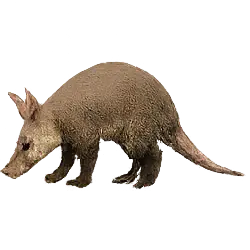
Aardvark
The aardvark is a nocturnal African mammal known for its long snout, strong digging…
Baca panduan spesies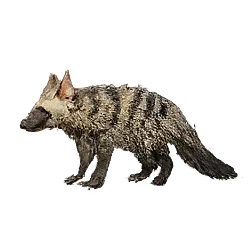
Aardwolf
The aardwolf is a small striped relative of hyenas that feeds mainly on termites rather…
Baca panduan spesies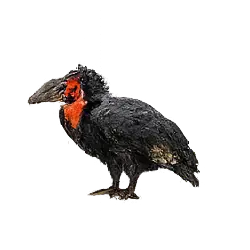
Abyssinian Ground Hornbill
Abyssinian Ground Hornbill is a bird known for bare red facial skin, huge…
Baca panduan spesiesLebih banyak hewan dengan kekuatan Practice
Jelajahi semua hewan Practice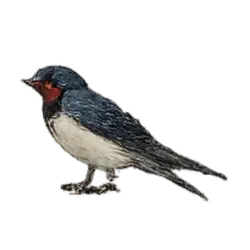
Barn Swallow
Barn swallows are agile aerial insectivores known for forked tails, high-speed turning,…
Baca panduan spesies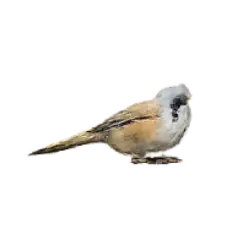
Bearded Reedling
Bearded Reedling is a bird known for mustache-like black facial streaks, long balancing…
Baca panduan spesies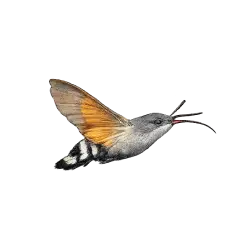
Hummingbird Hawk-Moth
Hummingbird Hawk-Moth is a insect known for hovering nectar-feeding flight, long thin…
Baca panduan spesiesBawa ensiklopedia ke dunia nyata
AnimalDex membantumu memindai hewan nyata, mengidentifikasi spesies, mengoleksi kartu, dan belajar dari alam di mana pun kamu berada.
Muncul di tier list
Lihat posisi spesies ini di halaman tier list AnimalDex yang dibangun dengan perbandingan terstruktur dan metodologi yang jelas.
#9 · Teamwork
Animals with the Best Teamwork: Top 100 Tier List
Leafcutter ants show one of the strongest labor-division systems in the animal world.
Baca tier list