
Panduan lapangan hewan
Ostrich
Identifikasi, habitat, rarity, perilaku, simbolisme, fakta, dan pelajaran praktis dari alam.
The Super Fast Spotter. The Ostrich has long springy legs to zoom across open ground and giant eyes to see trouble from far away. It shows us that looking ahead can help us move fast and stay safe.
Nama ilmiah
Struthio camelus
Kategori
Bird
Habitat
Open savannah, semi-desert, and dry grassland.
Rarity
Relatively common · 30/100
Native range
Africa in open dry-country habitats.
Grounded Momentum
Master the ground.
Flightless Open-Ground Sprinting
Apa yang diajarkannya
Freedom does not always come from rising above. Sometimes it comes from mastering the ground beneath you.
Coba
Fitness improves by walking daily instead of dreaming about dramatic transformation.
Bukti alam
Ostriches are flightless birds adapted for running across open landscapes. Their long powerful legs, large stride, and alert vision help them escape danger at high speed.
Gunakan untuk
Tangkapan Ostrich berperingkat
3 tangkapan berperingkat dalam grup ini dari kolektor AnimalDex.
SkibidiABG
@skibidiabgZoo · SBS Aesthetic Clinical Sanctuary · P. Hà Đông, Thành Phố Hà Nội, Việt Nam
Skor 0
Ash Ketchum
@ashketchumZoo · Batu Secret Zoo (Jawa Timur Park 2) · Near Jawa Timur Park 2, Batu, East Java, Indonesia
Skor 0
Mengapa Grounded Momentum?
Alasan di balik Prinsip Hewan ini dan biologi yang mendukungnya.
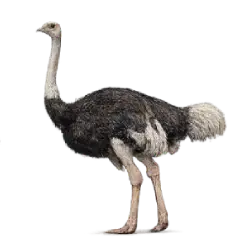
The ostrich is the largest living bird, famous for long legs, huge eyes, and powerful running across open ground.
Cara mengidentifikasi Ostrich
- Very tall body with long bare legs
- Long neck and small head
- Large wings used for balance and display
- Fast running instead of flight
Kenapa Ostrich menarik
- Ostrich is a useful example of how anatomy and habitat fit together as one survival system.
- Its shape, movement style, and food strategy make it easy to compare with related animals.
- This species turns one page into a lesson about adaptation, ecosystem role, and identification.
Habitat: Open savannah, semi-desert, and dry grassland.
Native range: Africa in open dry-country habitats.
nativeRangeCardTitle
nativeRangeCardDescription
Open savannah, semi-desert, and dry grassland.
To find Ostrich in the wild, focus on the exact habitat patches that match its body design and daily behavior, not just the broad country where it exists. You usually do better by working one good piece of habitat inside africa in open dry-country habitats. than by covering too much ground.
- Open grassland edges, lightly wooded plains, or raised ground where you can scan long distances
- Water sources, dune bases, rocky wadis, or shaded scrub at first and last light
- Protected habitat blocks within africa in open dry-country habitats.
- Start early, pick one strong patch of habitat, and stay long enough for movement to return after you arrive.
- Use binoculars from a track, ridge, or vehicle stop and scan far ahead before you move closer.
- Use sound, flight lines, and perch trees as clues; birds often reveal themselves before they sit in the open.
Grasses, seeds, leaves, flowers, fruit, and occasional insects fit the lesson because a large running bird must fuel endurance without depending on one delicate food source.
Ostriches are mostly active by day, feeding and moving when vision is useful. Rest often comes in open areas where group vigilance and long sightlines help keep danger readable.
Ostriches can live for several decades, especially in managed care. Their long life reinforces the lesson of durable momentum: big bodies need steady pacing, not constant panic.
Females lay large eggs in ground nests, often with communal nesting around a dominant pair. Reproduction makes the ground itself part of the lesson: even the beginning of life is open, exposed, and defended.
Males are usually black-and-white, while females are brownish-gray. The contrast reflects different roles in display, breeding, and camouflage around the nest.
- Ostrich adjusts movement and feeding to match light, temperature, and food access in its habitat.
- Body design, timing, and shelter choices all help this species stay effective in the wild.
- Patient observation usually reveals more behavior than close approach or fast movement.
Ostrich most often symbolizes grounded momentum in AnimalDex because its real survival behavior repeatedly shows this pattern.
Freedom does not always come from rising above. Sometimes it comes from mastering the ground beneath you.
Ostriches are flightless birds adapted for running across open landscapes. Their long powerful legs, large stride, and alert vision help them escape danger at high speed.
- Keep distance and let the animal choose the space.
- Avoid blocking movement routes, nesting areas, or feeding behavior.
- Use optics, patience, and quiet observation instead of crowding for a closer view.
- Regional relatives may look similar at a distance.
- Juveniles, adults, and seasonal forms can differ in color or size.
- Light, angle, and habitat context can change how field marks appear.
0/1 XP toward Level 2
statsTitle
statsDescription
statsSourceLabel: statsSourceSpeciesProfile
dominanceStat
65
speedStat
86
sizeStat
75
intelligenceStat
35
rarityStat
30%
Total
291
Size scale
Huge
Uses the canonical size stat for consistent placement


US$208 – US$432
Perkiraan rentang nilai
Kepercayaan 69%
Perkiraan nilai AnimalDex dibuat dari stat spesies kanonik.
Not a marketplace listing.
Perkiraan nilai berdasarkan hewan yang teridentifikasi dan konteks harga yang tersedia. Bukan daftar marketplace.
Seberapa langka Ostrich?
Rarity: Relatively common (30/100)
Ostriches remain common in some regions and managed systems, though wild numbers vary locally.
Systems Intelligence & Hidden Purpose
Sudut pandang systems biology untuk melihat bagaimana spesies ini dibangun, peran apa yang dijalankannya di ekosistem, dan pelajaran praktis apa yang bisa dipetik manusia.
System Role
The Open-Ground Sprint Platform
Ostrich
Specialized Hardware
Very tall body with long bare legs, long neck and small head, and large wings used for balance and display give the Ostrich a body plan tuned for its niche.
Systems Script
Ostrichs operate in open savannah, semi-desert, and dry grassland. Their design helps them match food access, shelter, and timing inside that environment.
Strategic Insight
When the space is wide and clear, speed on the ground can beat wings in the air.
Public Animal Power
Explore this Animal Power
This is a public capture, so you can explore its Animal Power here. Personal Apex matches and challenges use your Wild Profile and animals you own.
Own an animal with this power to use it in Growth challenges.
Comparison hearts ready
3 of 3 hearts remaining. Each loss removes 1 heart.
✦ Available actions
Compare this public animal when your deck meets the current rules.
⚡CompareUnavailable›Hewan terkait
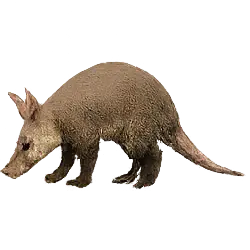
Aardvark
The aardvark is a nocturnal African mammal known for its long snout, strong digging…
Baca panduan spesies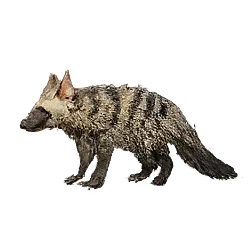
Aardwolf
The aardwolf is a small striped relative of hyenas that feeds mainly on termites rather…
Baca panduan spesies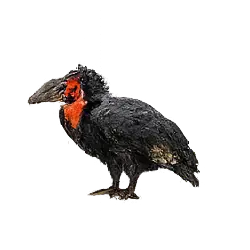
Abyssinian Ground Hornbill
Abyssinian Ground Hornbill is a bird known for bare red facial skin, huge…
Baca panduan spesiesLebih banyak hewan dengan kekuatan Fast Execution
Jelajahi semua hewan Fast Execution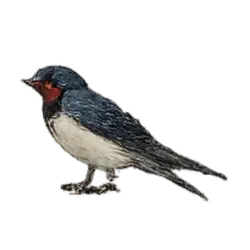
Barn Swallow
Barn swallows are agile aerial insectivores known for forked tails, high-speed turning,…
Baca panduan spesies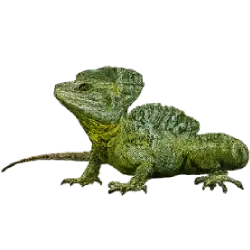
Common Basilisk
Common Basilisk is a reptile known for crest-topped green-brown body, long balancing…
Baca panduan spesies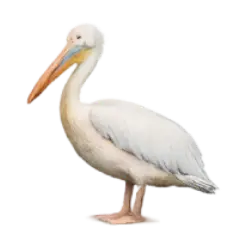
Great White Pelican
The great white pelican is a huge water bird known for broad wings, a giant pouch bill,…
Baca panduan spesiesBawa ensiklopedia ke dunia nyata
AnimalDex membantumu memindai hewan nyata, mengidentifikasi spesies, mengoleksi kartu, dan belajar dari alam di mana pun kamu berada.
Comparisons terkait
Lihat bagaimana spesies ini tampil di halaman perbandingan AnimalDex yang terstruktur.
Ostrich vs Cheetah Speed: Which Is Actually Faster?
Cheetah owns the cleaner top-speed headline, but ostrich is a real long-stride runner and can stay competitive when the question shifts from explosive pursuit to sustained open-ground movement.
Baca halaman comparisonMuncul di tier list
Lihat posisi spesies ini di halaman tier list AnimalDex yang dibangun dengan perbandingan terstruktur dan metodologi yang jelas.
#4 · Speed
Fastest Animals in the World: Top 250 Tier List
Ostrich is not just fast for a bird. It is one of the best long-stride open-ground runners on Earth.
Baca tier list#9 · Size
Biggest Animals in the World: Top 250 Tier List
Ostrich stands out as the largest living bird and a major land-speed size outlier.
Baca tier list