

wildlife-experiences
Best Types of Wildlife Activities for Animal Lovers
Birding, herping, night walks, macro, shore time, and photography outings compared: what each is like, when to go, what to bring, and which listings match.
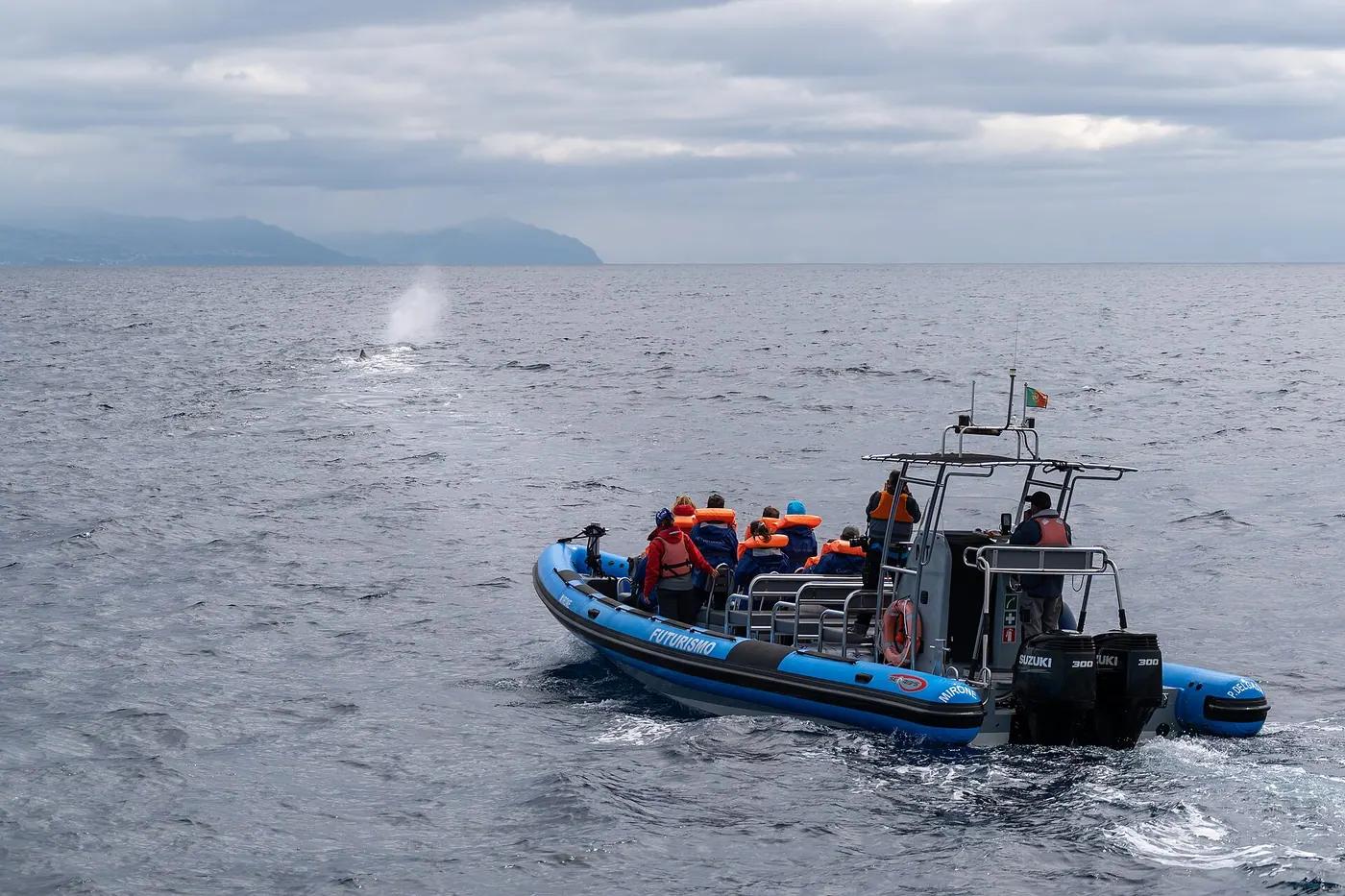
Pick the activity, then the listing
Animal lovers do not all want the same morning. Birding is ears and sky. Herping is edges and patience. Night walks are frogs and insects. Macro is the path you already walked, taken slowly. Marine is shore and tide line at its simplest. Photography is any of the above with a longer lens and a stricter ethic.
Choosing the activity first makes the listing easy to judge, because each kind of outing has its own right time, right kit, and realistic cast. A listing in the wrong kind of outing for what you want is a listing to skip.
Virtual Wildlife Guides on AnimalDex
Seven kinds of outing compared
Seven common kinds of wildlife outing, with the plain version of what each one is.
| Category | Best time | Bring | Realistic cast |
|---|---|---|---|
| General wildlife | Early morning or late afternoon, any season | Binoculars, walking shoes | Birds, a mammal or two, whatever is active that day |
| Birding | First two hours after dawn; falling tide on estuaries | 8x42 binoculars, field guide or app | Local songbirds, waders, wildfowl by season; migrants in spring and autumn |
| Herping | Dusk and night, mild wet evenings in spring and summer | Red-mode headlamp, closed shoes, clean boots | Frogs, newts, a lizard or gecko; a snake if it is warm enough |
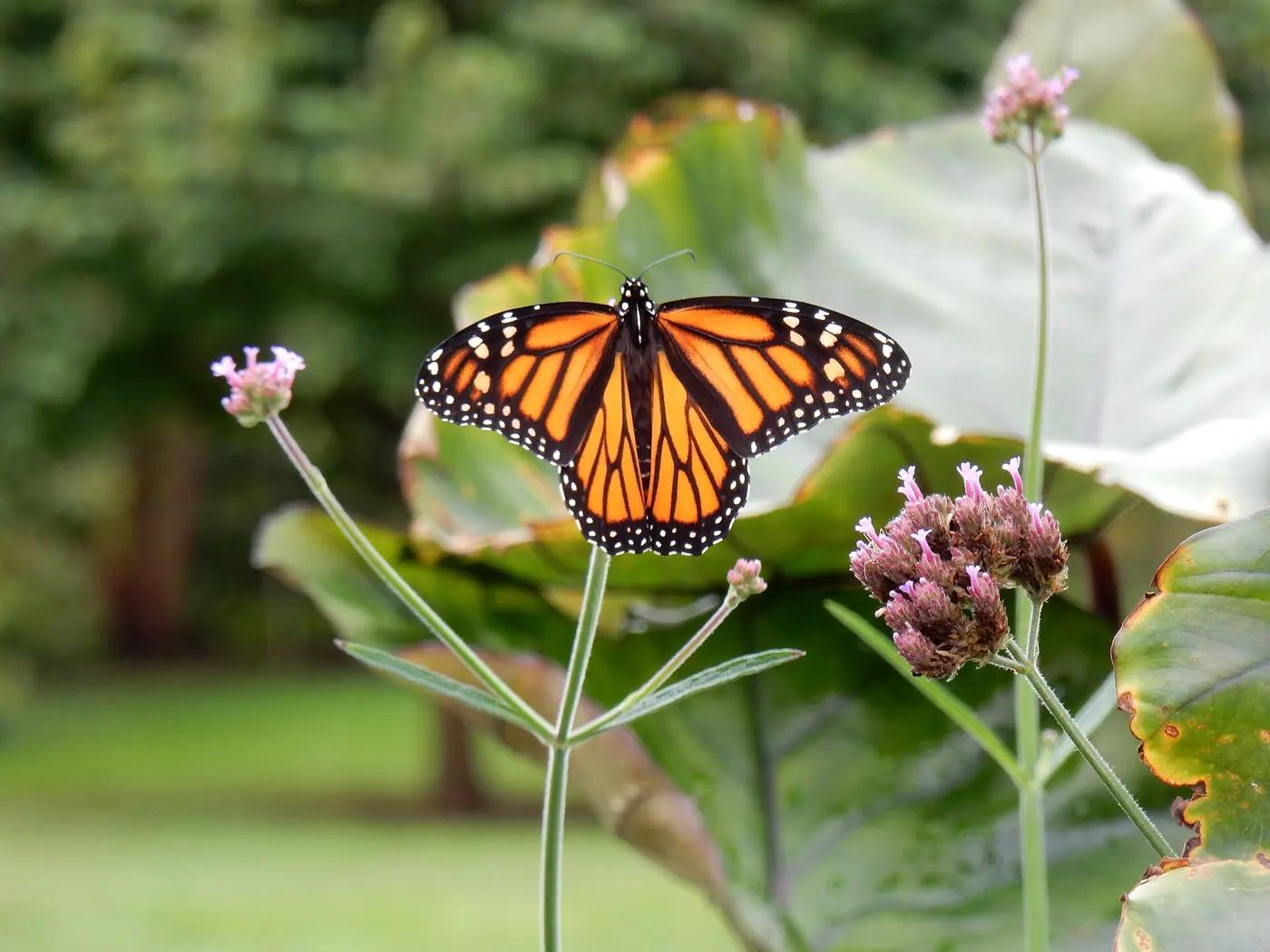
| Insects / macro | Warm, still, sunny late mornings; dusk for moths | Phone or macro lens, patience | Butterflies, bees, hoverflies, dragonflies at water |
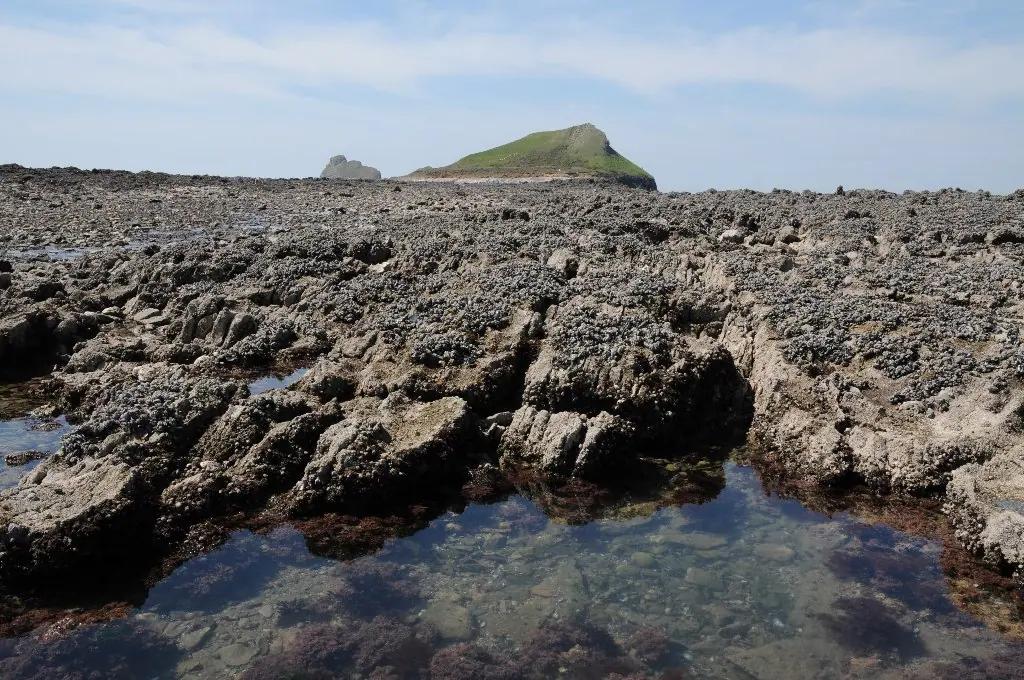
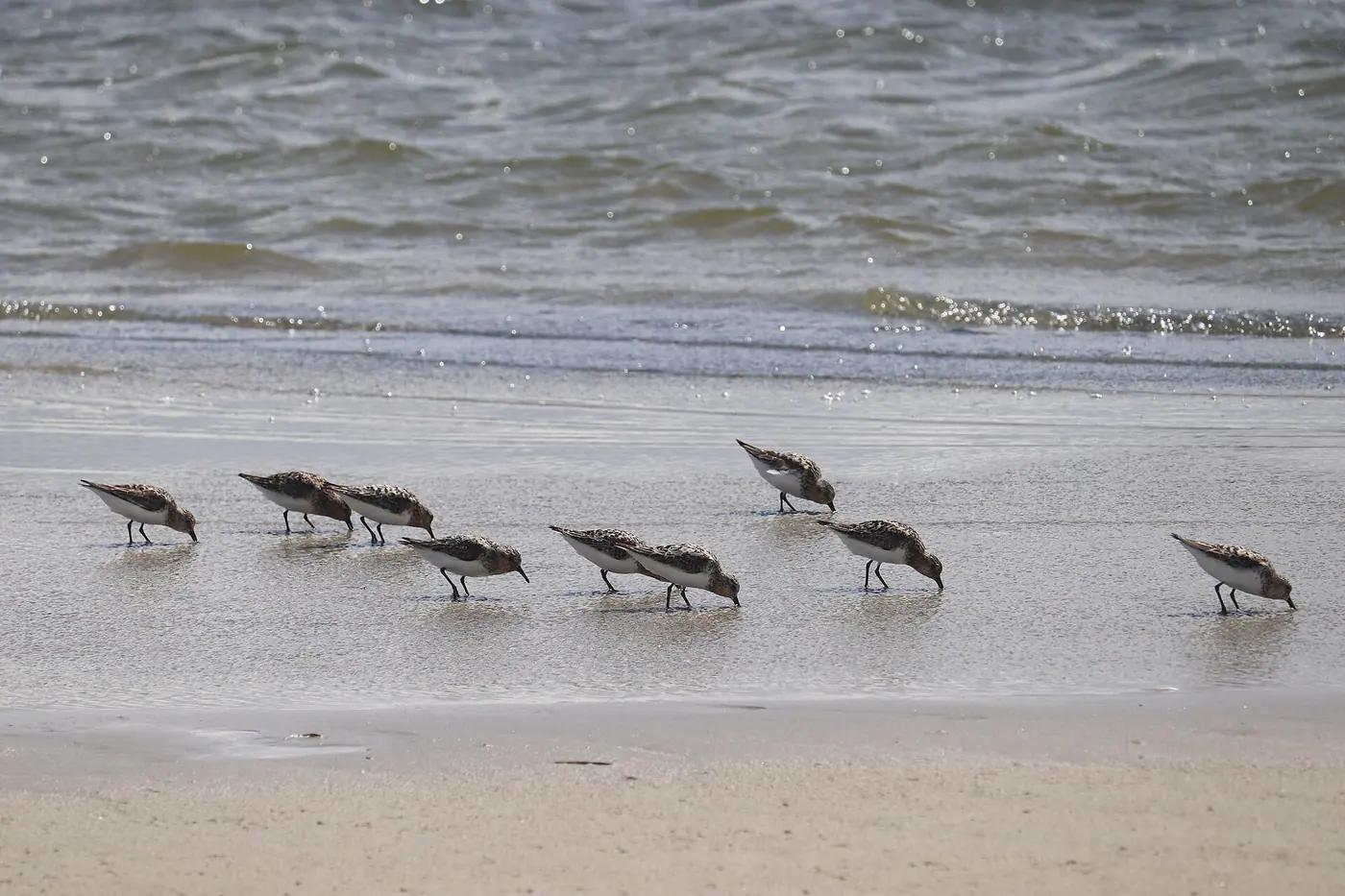
| Marine wildlife | Low tide, especially spring tides; dawn for shorebirds | Grippy shoes, tide table, no bucket | Crabs, anemones, shorebirds, seals or turtles at a distance where they occur |
| Wildlife photography | Golden hour, dawn or dusk | Long lens, muted clothing | Wetland birds mostly; mammals by season and luck |
| Night wildlife | Mild, still, dark nights | Red-mode headlamp, warm layer | Owls heard, bats, frogs, moths, a fox or hedgehog |
Birding and general wildlife walks
The birding category is written for people who already carry binoculars: dawn choruses, wetlands, and countryside edges. It rewards early starts, because song peaks in the first hour after sunrise in spring, and it rewards tide tables on the coast. A general wildlife walk is the broad version, for birds, mammals, reptiles, and whatever is active that day; it suits families and first-timers who do not yet have a favourite group.
Both are mostly standing still and looking. Expect to learn calls, where to scan, and what the habitat is telling you. Neither can promise a species.
Birding guide vs going aloneHow to choose a local wildlife guide
Herping and night walks
Herping is evening and night walks for frogs, snakes, and other reptiles, without handling. It is the most weather-dependent category: reptiles and amphibians are ectotherms, so a mild wet night in spring is busy and a cold dry one is quiet. Night wildlife is the broader after-dark version, where owls are heard, bats cross the last light, and lights are used to look, not to lure. Both need a red-mode headlamp, closed shoes, and the willingness to stand in the dark for twenty minutes while your eyes adapt.
What to expect on a guided herping tripWhat happens on a night wildlife walk
Insects and macro
Insects and macro is the category for slow looks at butterflies, bees, and smaller wildlife along public paths. It is the cheapest activity in kit and the richest in species: a sunny bank in June holds more kinds of animal than a whole wetland holds birds. A monarch butterfly, with a wingspan of around 9 to 10 cm, is the showpiece in North America, and the eastern population's autumn migration to central Mexico covers up to roughly 4,000 km, so a late-summer macro walk on a flowering verge can catch migrants fuelling up. Dragonflies patrol water on hot afternoons; moths need a dusk walk or a licensed light trap, which is a survey, not a tour.
The ethic is the same as everywhere: no netting for photos, no chilling insects to pose them, and no trampling the flower bank to get closer.
Marine shore time
Marine wildlife here means shorelines, tide lines, and publicly accessible coast, not boat charters. The whole activity runs on the tide table: the lowest tides, around new and full moon, expose rock pools and mud that are underwater most of the month. On rocky shores that means anemones, crabs, hermit crabs in borrowed shells, and small fish in pools. On sand and mud it means shorebirds: sanderlings running the wave line, oystercatchers working the mussel beds, and whatever waders the season brings.
Rules for the shore: turn a rock back the way you found it, keep nothing, do not move animals between pools, and give roosting shorebirds a wide berth, because every flush costs them energy they need for migration. Where seals or turtles occur, they are watched from a distance, never approached.
Shore listings: pools at low water, birds at the tide line
Wildlife photography
Photography listings are field time for people who want identification context while they shoot. They overlap with every other category and add a stricter ethic, because the pressure to get the frame is what leads to baited perches and playback. Judge them by the same facts: public area, light-tied start time, small guest cap, honest seasonal outlook, and a Guide who talks about behaviour, not just settings.
Pick the morning you want first. The right listing is then obvious, and the wrong one is easy to skip.
Wildlife photography tours: what to look forWildlife photography companion app
What AnimalDex can and cannot show you
AnimalDex does not list, book or run tours. Its Wildlife Guides are virtual: a guide to a place, built from the wild animals its author logged there. A buyer gets the author's notes on every animal (where, when and how they found it), a direct chat with the author, and introductions to local people the author met, where they can help. Buying is coming soon.
Whichever activity you pick, log what you actually see as live captures in the app, with the time and the general place. A place where you log enough wild species can become a virtual guide of your own.
How virtual Wildlife Guides workHow buying a Wildlife Guide works
Pertanyaan singkat
Jawaban ringkas untuk pertanyaan yang paling sering muncul pada topik ini.
- What are the best wildlife activities for beginners?
- A general wildlife walk or a shore walk at low tide are the easiest starts: no special kit, daylight, and plenty to see at close range. Birding at dawn is next, with a pair of 8x42 binoculars. Herping and night walks need a red-mode headlamp and more patience but are the most memorable once you have tried the others.
- What is the difference between birding and a general wildlife walk?
- Birding is focused: dawn starts, wetlands and edges, binoculars, and calls, written for people who already own binoculars. A general wildlife walk covers birds, mammals, reptiles, and whatever is active that day at a gentler pace, and suits families and first-timers. Neither can promise a particular species.
- What time of day is best for wildlife watching?
- The first two hours after dawn for birds and mammals, dusk and the first dark hours for owls, bats, frogs, and most reptiles, and low tide for the shore regardless of clock time. Warm sunny late mornings suit butterflies and dragonflies. A good listing's start time matches its category.
- Does AnimalDex run boat trips or safaris?
- No. AnimalDex does not operate or book any outing. Its Wildlife Guides are virtual: advice from someone who logged wild animals at a place, with their notes, a chat with them, and introductions to local people they met. Any operator they introduce is independent of AnimalDex.
- What should I bring on a wildlife activity?
- It depends on the category: binoculars for birding, a red-mode headlamp and closed shoes for herping and night walks, grippy shoes and a tide table for the shore, a long lens for photography, and a charged phone for everything so you can log live captures. Muted clothing and a warm layer help on every outing.
Hewan yang disebut
Lompat dari artikel ini ke halaman spesies di balik contoh, catatan systems, dan referensi field guide.
Panduan jawaban terkait topik ini
Kalau kamu ingin perbandingan langsung dan rekomendasi yang jelas, lanjutkan ke halaman jawaban berikut.
Best Animal Identification Apps
Compare the best animal identification apps by features like photo/video identification, species coverage, collection capabilities, offline use, and more.
What Is Animal Collecting
Learn what animal collecting means in modern apps and how AnimalDex turns real-world sightings into cards, sets, rarity, and species learning.
Pokemon-Like Animal App
Looking for a Pokemon-like animal app with real species? AnimalDex combines creature-collection energy with AI scanning and wildlife learning.
Panduan terkait
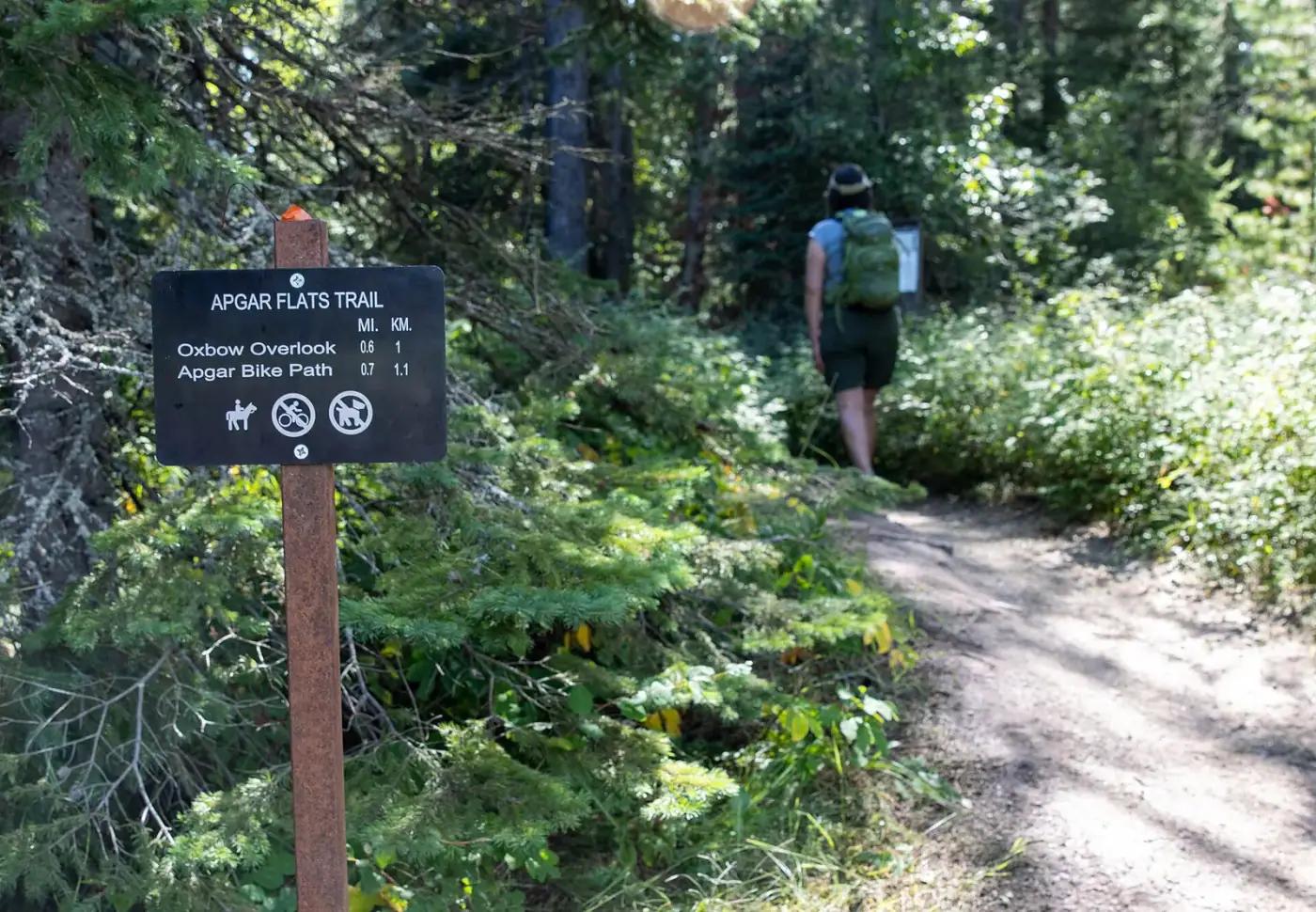
wildlife-experiences
How to Choose a Local Wildlife Guide
How to choose a local wildlife guide: the facts a listing should show, questions to ask, group size, honesty about sightings, and where AnimalDex fits.
7 menit baca
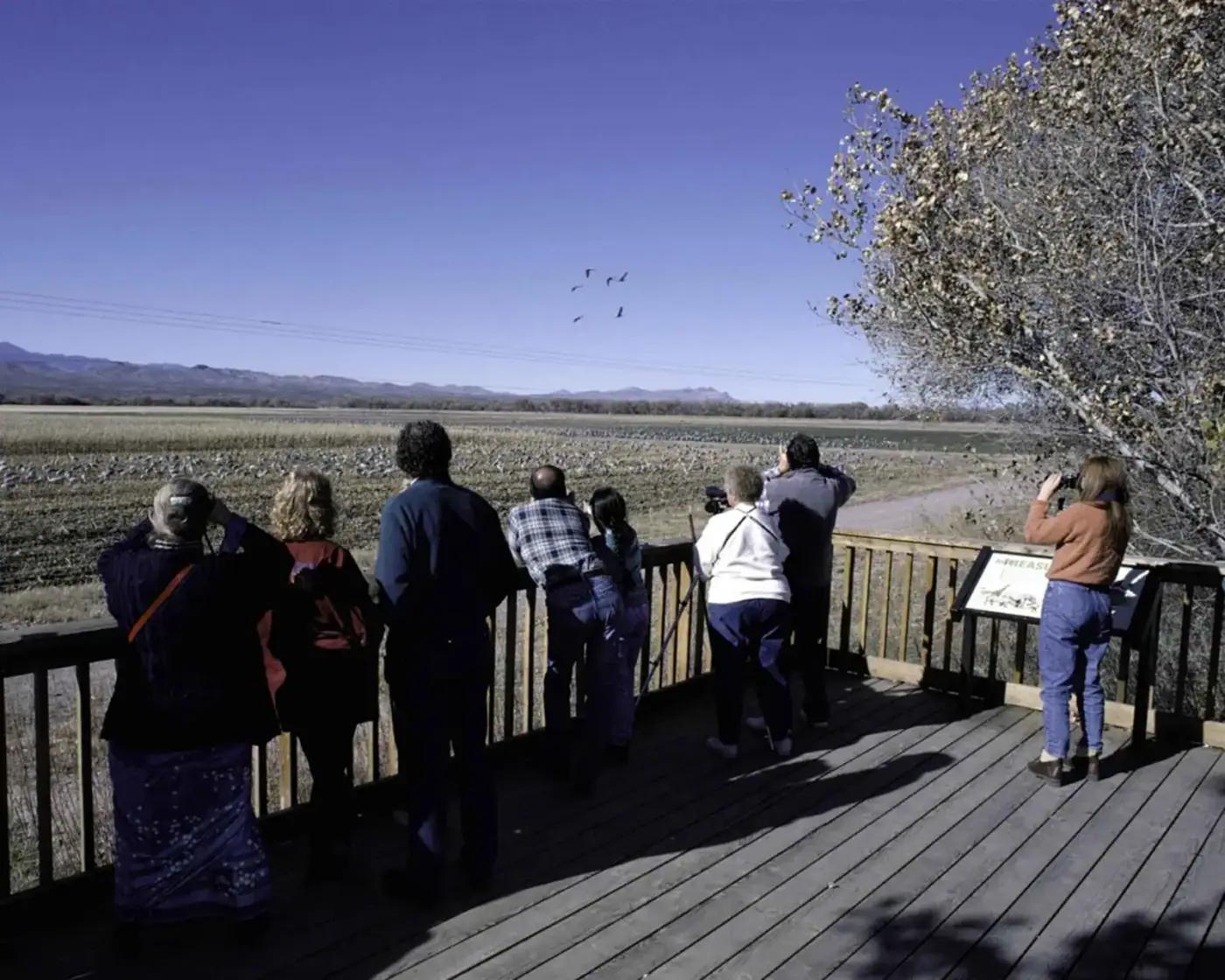
Birding Guide vs Going Alone: When a Local Guide Helps
Birding guide or go alone? When local timing and habitat knowledge are worth paying for, what a good birding Guide does on the day, and what to bring.
6 menit baca
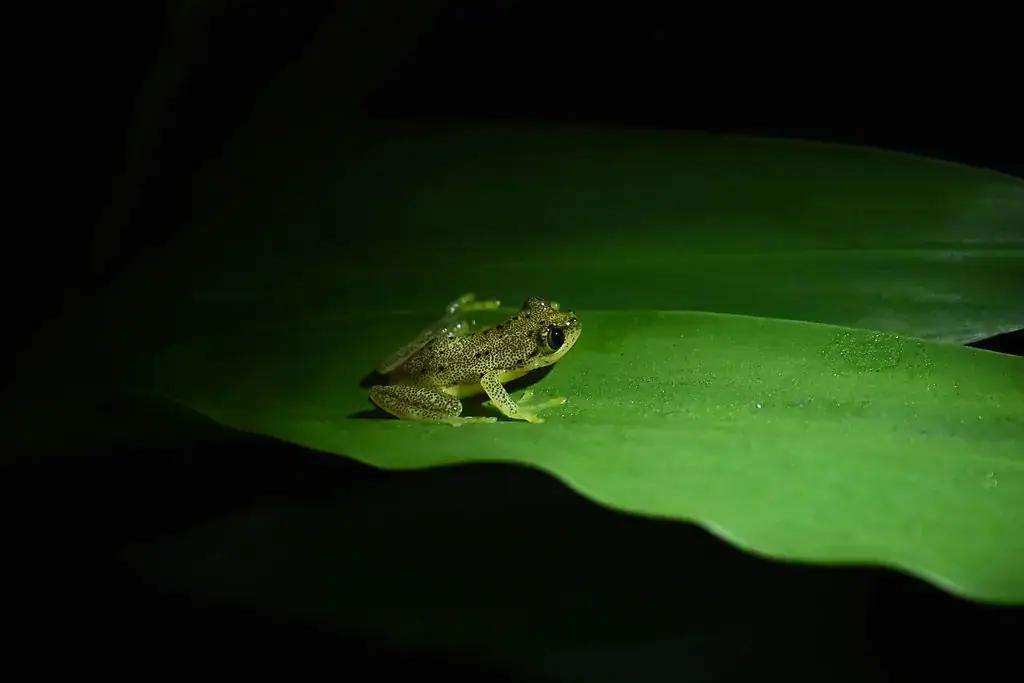
What Happens on a Night Wildlife Walk?
What a night wildlife walk is really like: how lights are used, who is active after dark, what to bring, how weather changes the night, and how to log it.
7 menit baca