

wildlife-experiencesnight wildlife
What Happens on a Night Wildlife Walk?
What a night wildlife walk is really like: how lights are used, who is active after dark, what to bring, how weather changes the night, and how to log it.
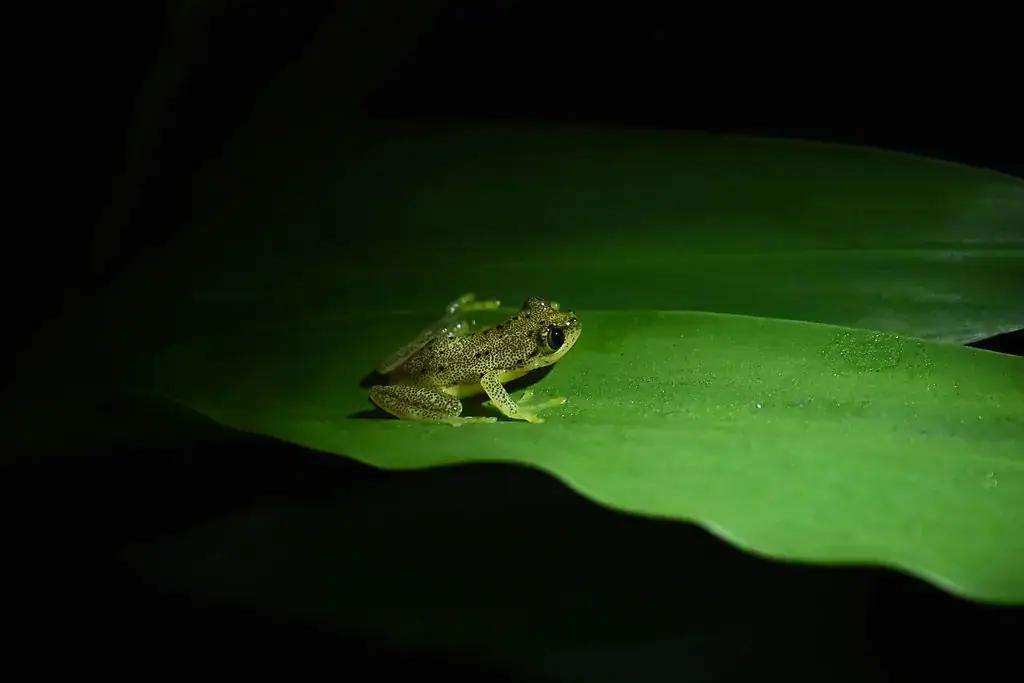
Dark, slow, and quieter than you think
You meet at a public area as the light goes, walk a known path, and use lights in short bursts. Frogs, moths, geckos, bats, foxes, and owls are the usual possibilities, never a promise. Most of the time you are standing still, letting your eyes adjust and listening, because at night the ears find more than the eyes.
If a walk is sold as a guaranteed civet, owl, or snake, treat that as a warning, not a feature. The only way to guarantee a nocturnal animal is to feed it at a fixed spot or keep it somewhere. A good night walk is after-dark watching with lights used to look, not to lure, on public ground with a small group.
Virtual Wildlife Guides on AnimalDex
A night walk, step by step
The shape of the evening is similar almost everywhere; the cast changes with the habitat.
| Stage | What happens | Why |
|---|---|---|
| Dusk briefing | Route, rules, how to hold a light, where the road and water are | Everything is harder to explain once it is dark |
| Last light | Standing at an edge: woodland rim, hedge, pond, field gate | Bats emerge, owls start calling, mammals move at the boundary |
| First dark hour | Slow walk with lights off where possible; brief low sweeps at walls and verges | Your eyes take 20 to 30 minutes to adapt; sweeps catch eyeshine |
| Water stop | Standing still at a pond or stream, listening before looking | Frogs call before they are seen; a torch too early silences them |
| Return leg | Different edge back to the meeting point; quick checks under lights near buildings | Moths and geckos gather where there is light already |
| Wrap-up | Recap of what was found and why; log in the app if you want | The pattern is the lesson, not the list |
Lights to look, not to lure
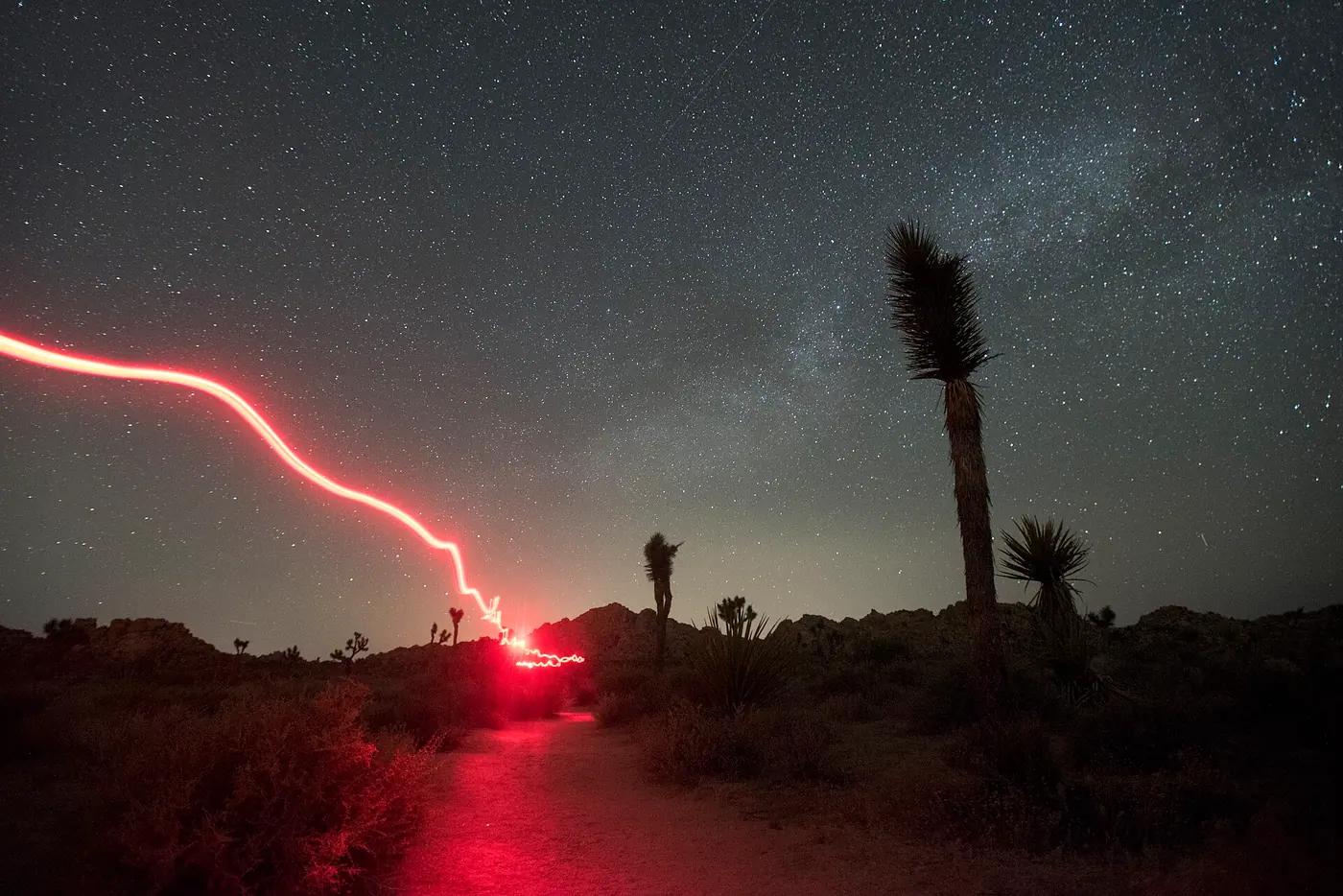
A torch is for finding and confirming, not for holding an animal in place. The working rules on a good walk: use red light where you can, because it preserves your own night vision and most mammals and amphibians react less to it; keep white light brief and low; never hold a beam on an animal's eyes while people take photos; and never shine lights into nest holes, roosts, or across water where nesting birds sit.
Luring is different from looking. Running a bright lamp or a light trap to pull in moths is a survey technique that needs the landowner's permission and is not a walk; feeding foxes or badgers at a fixed spot to guarantee a show is baiting; playing owl calls to pull a bird in is playback. A night Guide who does any of those is selling disturbance. One who says the owl may or may not answer tonight is selling the real thing.
Lights are for finding animals, not for holding them in place while the phones come out.
What makes a great ethical Wildlife Guide
Who is out after dark
In temperate woodland and farmland, the reliable night voices are owls. The tawny owl, about 38 cm long, is the common woodland owl across much of Europe and calls most in autumn and late winter while pairs settle territories; the hoot carries a long way, and the bird is usually heard rather than seen. Hedgehogs forage along hedge bases and lawn edges on mild nights from spring to autumn, and a red fox crossing a field gate at the edge of a village is a normal sight on almost any night.
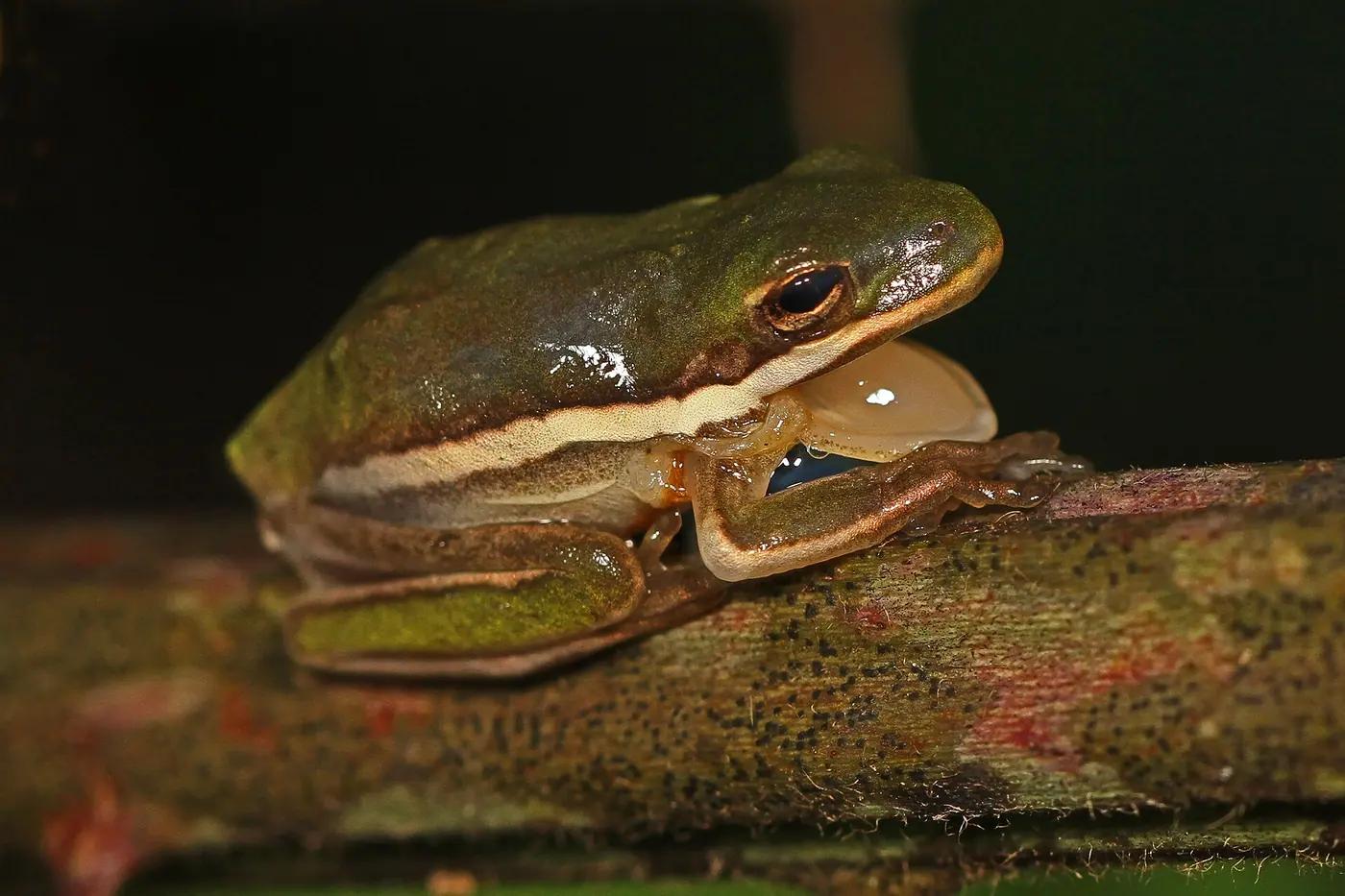
Near water, frogs and toads call on mild evenings, and a slow low sweep of a torch across the shallows picks up eyeshine. In warmer regions fireflies flash over damp grass in early summer, and tree frogs such as the American green tree frog call from vegetation after dark. Bats emerge at dusk everywhere; a Guide with a bat detector can let you hear them, and in many countries bats and their roosts are legally protected, so nobody approaches a roost.
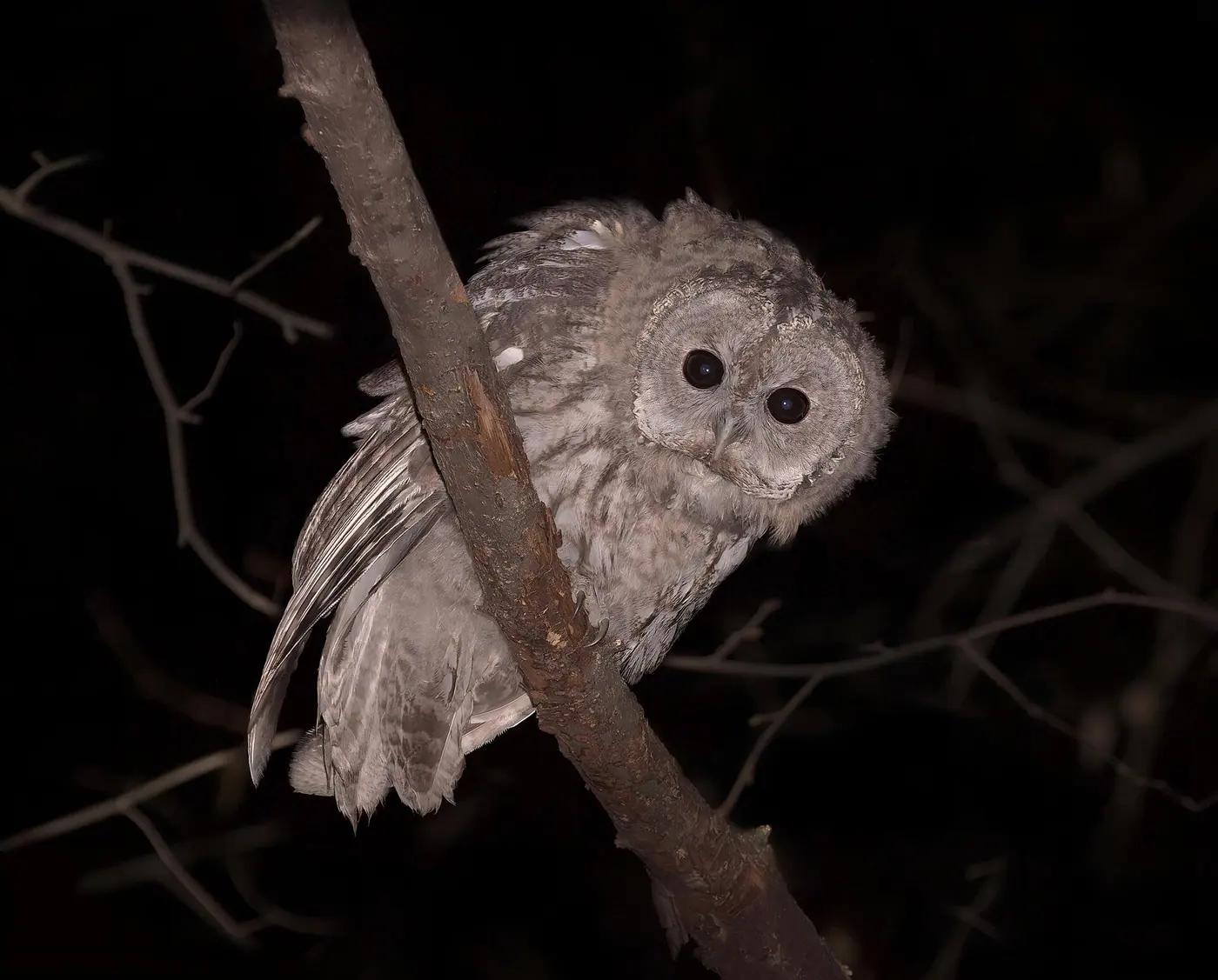
Tawny OwlEuropean HedgehogRed FoxFirefly
What to bring
Closed shoes, a spare light, and clothes you can stand still in. Leave the idea that you will leave with a trophy photo.
Light
A headlamp with a red mode and a hand torch as backup. Fresh batteries. Point it at the ground and keep it off eyes.
Clothing
Closed shoes or boots, long trousers, a warm layer even in summer, because standing still at 11 pm is colder than walking at 9 pm. Dark, quiet fabrics.
Phone
Charged, screen brightness down, sound off. AnimalDex captures are live in-app photos, so take the shot on the night, from a distance, without flash on an animal's face.
Useful extras
Insect repellent, water, a small folding seat for the pond stop, and the tide or moon times if the Guide mentioned them.
Leave at home
A big flash, a laser pointer, speakers, and any food intended for animals.
Weather, moon, and season
Night walks are weather walks. Mild, still, damp nights are the best all-rounders: amphibians move, insects fly, and the bats and owls that eat them follow. Cold, clear, windy nights are quiet. Rain itself is good for frogs and salamanders and poor for moths and bats. A bright full moon makes mammals warier and the sky lovely, so a Guide may prefer the darker half of the month for foxes and the brighter half for seeing a path.
Season sets the cast. Spring is amphibian movement and the first bats; early summer is fireflies, moths, and hedgehogs; autumn is owls calling and mammals feeding up; winter is thin but owls are vocal and the dark comes early. An honest listing says which of these it is for, and a cold dry night in March is a short, quiet walk however good the Guide is.
Logging night sightings
Night photos are harder, so note more. Record the time, the weather, the moon, and what you heard as well as what you saw. A live capture in AnimalDex of a frog from a metre away, taken under a low red light with no flash on its face, identifies fine. For an owl you only heard, keep the note in your own journal rather than forcing a capture. Over a few walks the log shows you which nights work in your area, which is the point of going with a Guide in the first place.
AnimalDex does not run night walks. Its Wildlife Guides are virtual guides to a place, with the author's notes on what they found there after dark and a chat with them. A virtual guide is advice from someone who has been there, not a tour. The author is not with you, and wildlife is never guaranteed. Any local guide or operator the author introduces is independent of AnimalDex; agree terms with them directly.
Pertanyaan singkat
Jawaban ringkas untuk pertanyaan yang paling sering muncul pada topik ini.
- What do you see on a night wildlife walk?
- Usually owls heard calling, bats at dusk, frogs and toads at water, moths and geckos near lights, and sometimes a fox, hedgehog, or deer at a field edge. In warm regions, tree frogs and fireflies. What appears depends on season, temperature, wind, and moon, so a good Guide describes possibilities rather than promising a species.
- What should I bring on a night wildlife tour?
- A headlamp with a red mode, a backup torch with fresh batteries, closed shoes, long trousers, a warm layer, insect repellent, water, and a charged phone with the screen dimmed. Leave big flashes, laser pointers, speakers, and food for animals at home. You will spend much of the walk standing still, so dress for that.
- Why do night guides use red light?
- Red light preserves your own night vision, which takes 20 to 30 minutes to develop and is lost in seconds under white light. Many mammals and amphibians also react less to red light. White light is kept brief and low for confirming an animal, and no light should be held on an animal's eyes while photos are taken.
- Is a night wildlife walk safe?
- On a known public path with a small group and a Guide who briefed the route, yes. The main hazards are footing, water edges, and roads, not animals. Wear closed shoes, stay with the group, keep your light on the ground, and follow the Guide near lanes. Venomous animals, where they exist, are watched from a distance.
- Can you guarantee seeing an owl on a night walk?
- No, and a listing that does is a warning sign. Owls are heard far more often than seen, call most in autumn and late winter, and go quiet in wind and rain. The only ways to guarantee one are playback or feeding at a fixed spot, both of which disturb the bird. Ethical Guides sell the chance, not the owl.
Hewan yang disebut
Lompat dari artikel ini ke halaman spesies di balik contoh, catatan systems, dan referensi field guide.
Panduan jawaban terkait topik ini
Kalau kamu ingin perbandingan langsung dan rekomendasi yang jelas, lanjutkan ke halaman jawaban berikut.
Best Animal Identification Apps
Compare the best animal identification apps by features like photo/video identification, species coverage, collection capabilities, offline use, and more.
What Is Animal Collecting
Learn what animal collecting means in modern apps and how AnimalDex turns real-world sightings into cards, sets, rarity, and species learning.
Pokemon-Like Animal App
Looking for a Pokemon-like animal app with real species? AnimalDex combines creature-collection energy with AI scanning and wildlife learning.
Comparisons terkait
Lanjutkan ke halaman comparison animal-vs-animal terstruktur yang terhubung dengan spesies di panduan ini.
Panduan terkait
wildlife-experiences
What to Expect on a Guided Herping Trip
What a guided herping trip is actually like: the pace, a typical evening hour by hour, what the Guide should refuse, what to bring, and how to log finds.
7 menit baca
How to Find Ethical Herping Tours and Local Reptile Guides
How to find an ethical herping tour: what a good reptile guide listing shows, red flags like guaranteed snakes or handling, and what to bring.
8 menit baca
How to Choose a Local Wildlife Guide
How to choose a local wildlife guide: the facts a listing should show, questions to ask, group size, honesty about sightings, and where AnimalDex fits.
7 menit baca