

wildlife-experiencesbirding
Birding Guide vs Going Alone: When a Local Guide Helps
Birding guide or go alone? When local timing and habitat knowledge are worth paying for, what a good birding Guide does on the day, and what to bring.
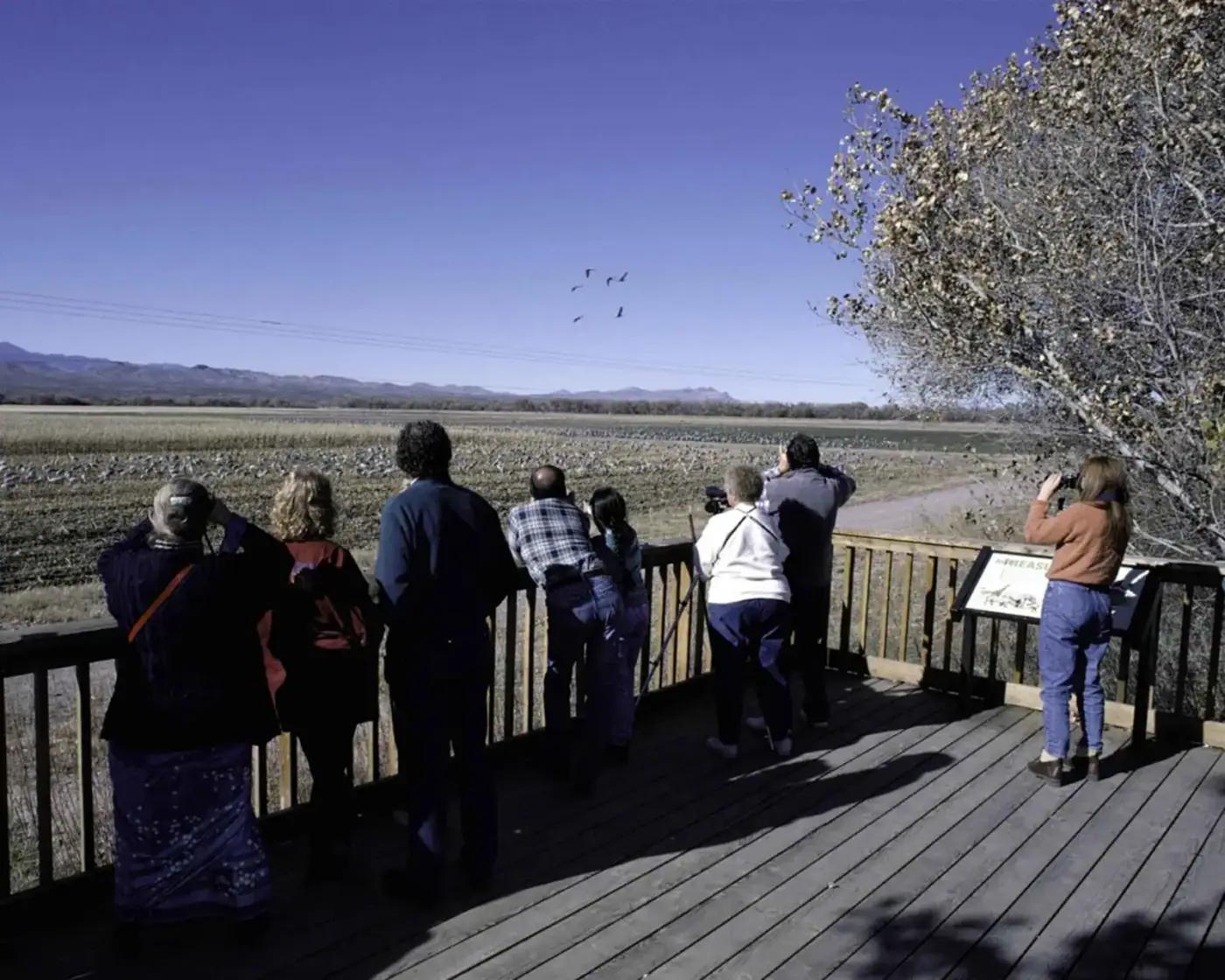
Alone is often enough
If you already know a wetland or a dawn chorus route, a listing will not make you a better birder by itself. You know where the reedbed opens out, which gate the barn owl works along at dusk, and that the kingfisher uses the second post on the far bank. A Guide would be telling you what you already know. Spend the money on better binoculars, an 8x42 pair being the usual standard, and use AnimalDex to identify and keep the species you photograph.
Going alone also has a quality a guided morning cannot replicate: you learn by being wrong. You misjudge the call, check, correct, and remember. That loop is how local knowledge is built in the first place.
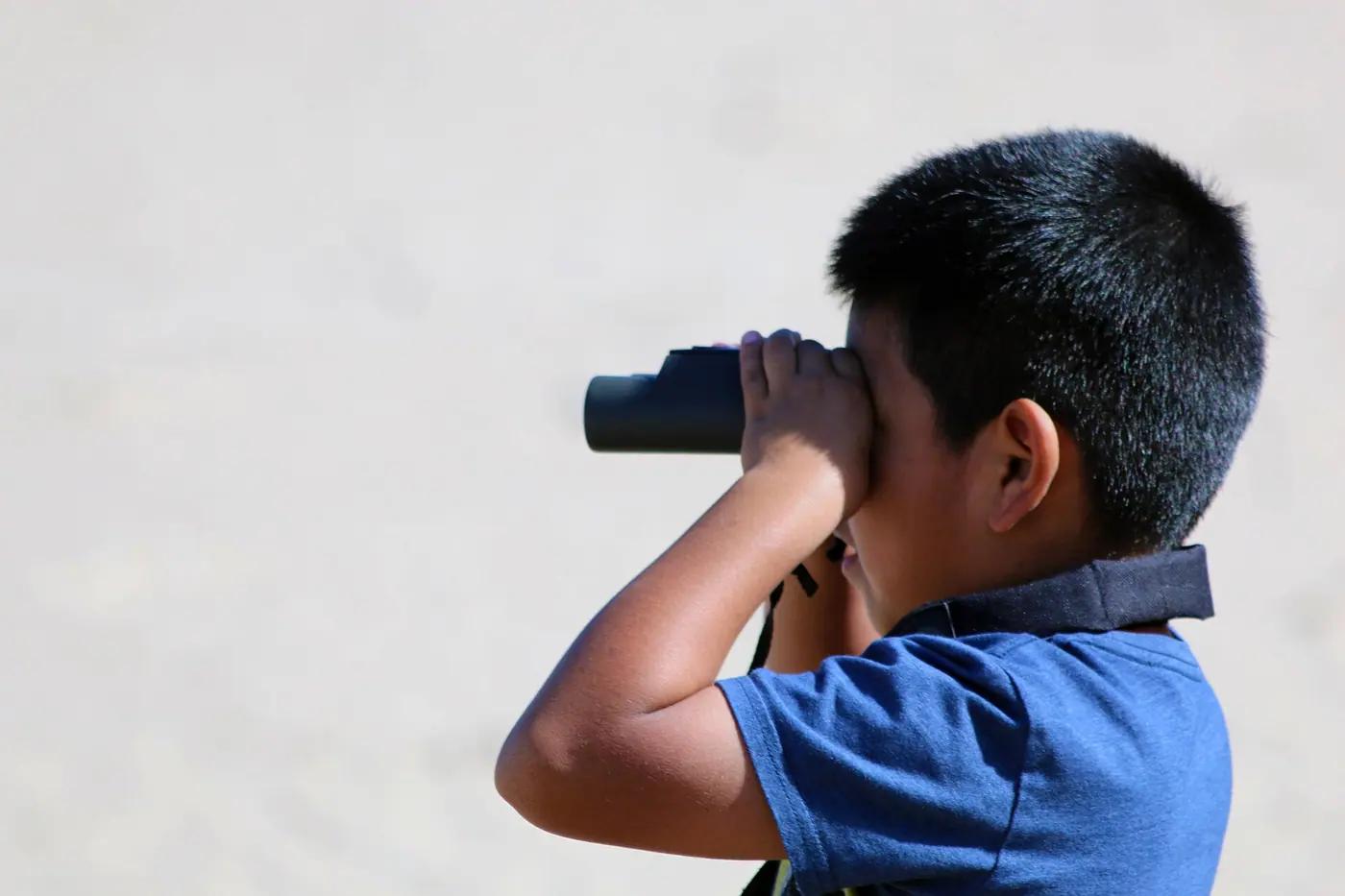
When a Guide earns the fee
A new city, a short travel window, or a habitat you have never walked: that is when a local birding Guide helps. You are paying for timing and place knowledge, not for a guaranteed species list. A Guide who has walked the same estuary for ten winters knows which hour of the falling tide brings the waders onto the near mud, which hedge the migrants drop into after a night of south-westerlies, and which path is flooded in March. You could learn that yourself in three seasons. With two mornings in town, you cannot.
A second pair of ears is the other reason. Most birds are heard before they are seen, and in an unfamiliar region a Guide picks out the one call you would have walked past. If you would rather go alone with notes from someone who has been, an AnimalDex virtual guide to the place gives you its author's notes on every bird they found there and a chat with them; it is advice, not a tour, and buying is coming soon.
Virtual Wildlife Guides on AnimalDex
Guide vs alone, side by side
Neither option is better in the abstract. Match the choice to the morning.
| Situation | Go alone | Book a Guide |
|---|---|---|
| Your regular patch | Yes. You know the timing and the spots. | Only to learn a skill, such as calls or gull identification. |
| New region, one or two mornings | You will spend most of it finding the car park. | Yes. Local timing and habitat knowledge is exactly what you are short of. |
| Habitat you have never worked (estuary, high moor, rainforest edge) | Possible, with a long learning curve. | Yes. Tide, altitude, and canopy birding all have local rules. |
| Specific hard species | Fine if you accept you may miss it. | Helps with timing, but no honest Guide guarantees it. |
| You want quiet and no schedule | Yes. | No; even a small group is a group. |
| You want to learn calls fast | Slow on your own. | Yes. Hearing a call named in the field sticks. |
What a good birding Guide does on the day
A good Guide meets you before first light in spring, because the chorus is loudest in the hour after dawn and fades by mid-morning. They walk slowly, stop often, and name what they hear before they raise binoculars. They tell you what is likely and what is not, and they say which birds they have not seen for weeks. They keep the group at a distance that does not flush the bird, they do not use call playback to pull a bird out, and they do not approach nests.
They should also leave you better at birding alone. Expect to be shown how to scan a mudflat, how to pick a kingfisher out of a bank, and what a heron standing motionless in the margin is actually doing.
Timing: dawn, tide, and season
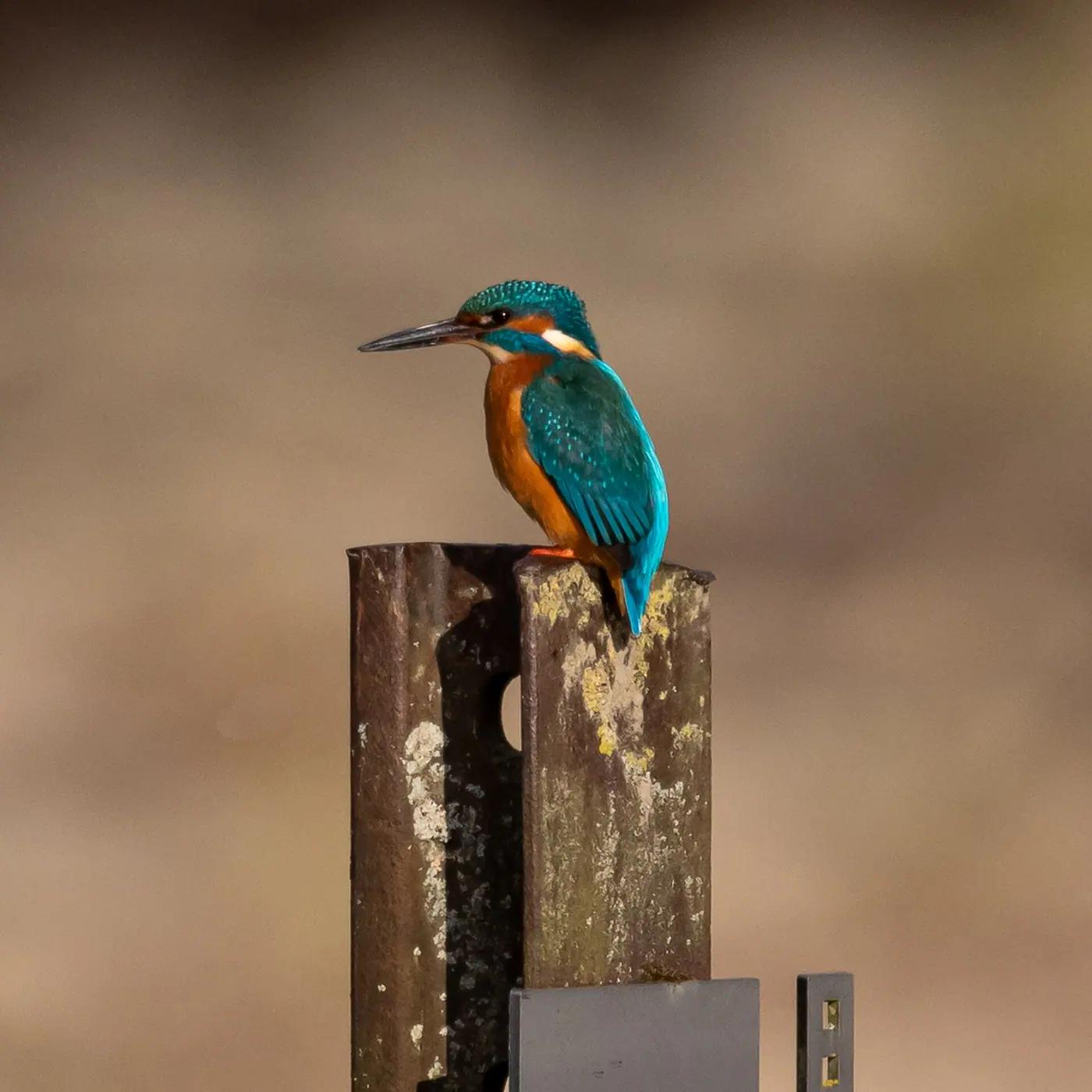
Birding is mostly timing, and timing is what a local sells. A common kingfisher, about 16 cm long, fishes from low perches over slow clear water and is easiest to find early, before the towpath fills with walkers. A great blue heron stands around 1.2 m tall and hunts shallow margins by standing still, so it is a bird of dawn and dusk edges. Sanderlings, 20 cm shorebirds that breed in the High Arctic, run the wave line on sandy beaches in winter and are pushed to roost at high tide; a Guide will have you on the beach as the water drops.
Season matters as much as the hour. Spring brings song and migrants, autumn brings passage and quiet plumages, winter brings wildfowl and waders to estuaries. A tawny owl, about 38 cm long, calls most in autumn and late winter while territories are being settled, which is when a dusk listing is honest and a midsummer one is a long shot. Ask the Guide what the week you are visiting usually produces, and expect a straight answer.
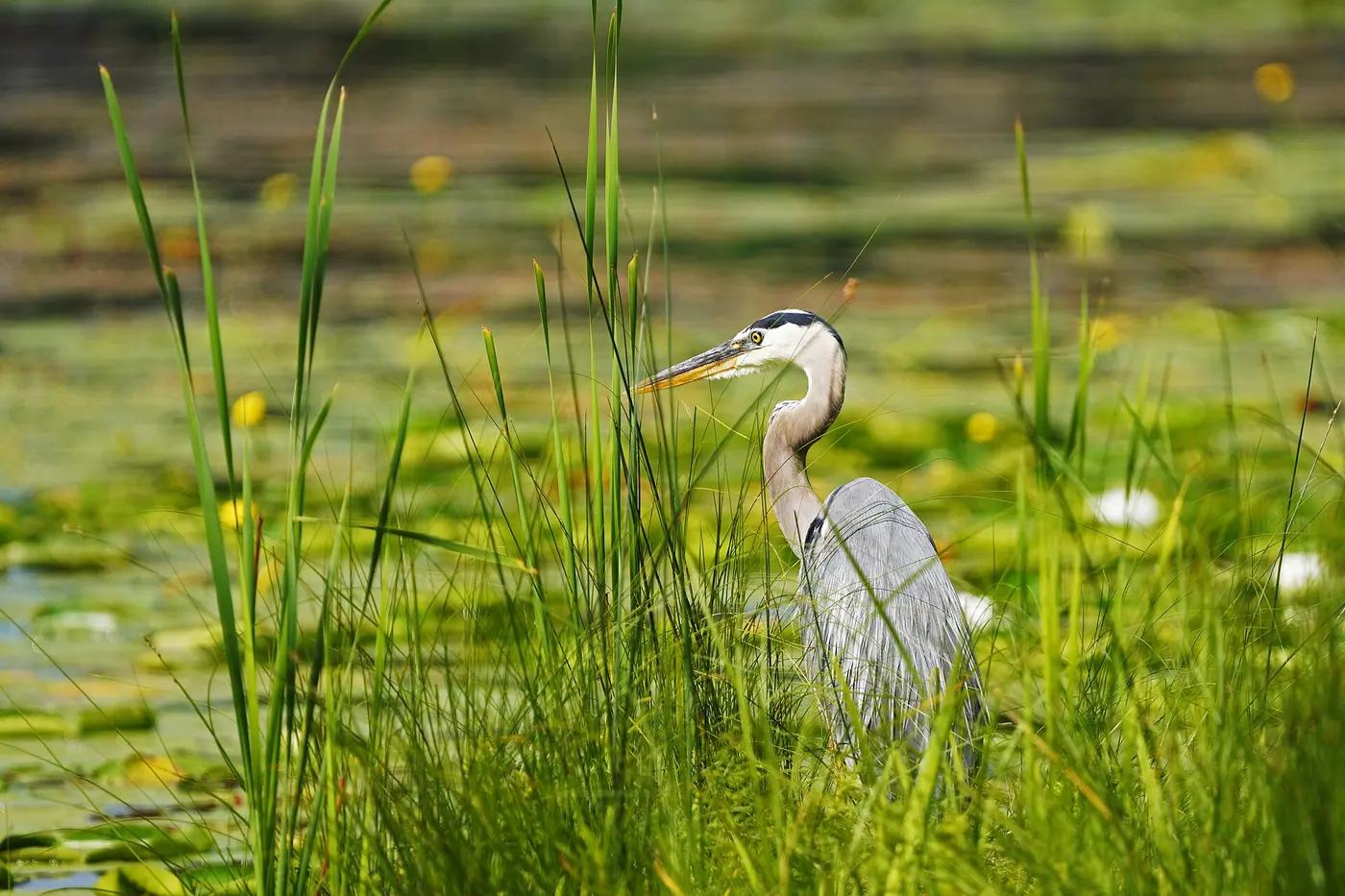
Common KingfisherGreat Blue HeronTawny Owl
Birding ethics apply whoever you walk with
The rules do not change because you paid. Keep your distance, especially from nests and roosts. Do not use playback to lure birds, which disrupts territories and feeding. Stay on paths across sensitive ground. Keep groups small and quiet. If a Guide breaks these on the day, you are allowed to say so, and to leave a listing you would not book again.
You are paying for timing and place knowledge, not for a guaranteed species list.
What makes a great ethical Wildlife GuideHow to choose a local wildlife guide
Keep the list either way
Whether you walked alone or with a Guide, the record is yours. Photograph what you see as a live capture in AnimalDex, let it identify the species, and keep the time and the general place. A guided morning that adds three species to your collection is a good deal; a guided morning that adds a story about what you nearly saw is still a morning out. Bring 8x42 binoculars, a charged phone, layers, and, for estuaries, the tide table.
Wildlife photography companion appHow buying a Wildlife Guide works
Pertanyaan singkat
Jawaban ringkas untuk pertanyaan yang paling sering muncul pada topik ini.
- Is a birding guide worth it?
- Yes when you are somewhere new with little time, or in a habitat you have never worked, because a local Guide sells timing and place knowledge you cannot build in a weekend. It is usually not worth it on a patch you already know. No honest Guide guarantees a species, so judge the fee against learning, not against a list.
- What does a birding guide actually do?
- A birding Guide picks the hour and the route, names birds by call before you see them, shows you how to scan habitat such as mudflats and reedbeds, and keeps the group at a distance that does not flush birds. A good one also explains what is unlikely that week, and leaves you better at birding on your own.
- How much does a local birding guide cost?
- There is no single rate. Prices vary by region, duration and group size, and most local guides price per person with a group minimum. Compare the listing facts, get the total in writing, and check how and when you pay. AnimalDex does not book or take payment for guided walks.
- What time of day is best for birdwatching?
- The first hour or two after dawn in spring, when song is loudest and birds feed before the day warms. Dusk is second best and is when owls and roost flights happen. For shorebirds, tide matters more than clock time: a falling tide brings waders onto feeding mud, and high tide pushes them to roosts.
- Can I use playback to attract birds on a guided walk?
- You should not, and a good Guide will not. Playback pulls birds off territories and feeding, and is banned in many reserves. Ethical guided birding relies on timing, habitat knowledge, and patience. If playback is part of the pitch, treat it as a reason to choose a different Guide.
Hewan yang disebut
Lompat dari artikel ini ke halaman spesies di balik contoh, catatan systems, dan referensi field guide.
Panduan jawaban terkait topik ini
Kalau kamu ingin perbandingan langsung dan rekomendasi yang jelas, lanjutkan ke halaman jawaban berikut.
Best Animal Identification Apps
Compare the best animal identification apps by features like photo/video identification, species coverage, collection capabilities, offline use, and more.
What Is Animal Collecting
Learn what animal collecting means in modern apps and how AnimalDex turns real-world sightings into cards, sets, rarity, and species learning.
Pokemon-Like Animal App
Looking for a Pokemon-like animal app with real species? AnimalDex combines creature-collection energy with AI scanning and wildlife learning.
Comparisons terkait
Lanjutkan ke halaman comparison animal-vs-animal terstruktur yang terhubung dengan spesies di panduan ini.
Laughing Kookaburra vs Common Kingfisher: Who Would Win?
Laughing kookaburra usually has the edge because it is much larger, more forceful, and built to handle bigger prey. Common kingfisher is the finer precision specialist around small fish and tight-water strikes.
Shoebill vs Great Blue Heron: Who Would Win in a Fight?
Shoebill usually has the edge because it is heavier, more imposing, and built for a more forceful strike package. Great blue heron is still the cleaner light-frame specialist in shallower, more delicate hunting situations.
Panduan terkait
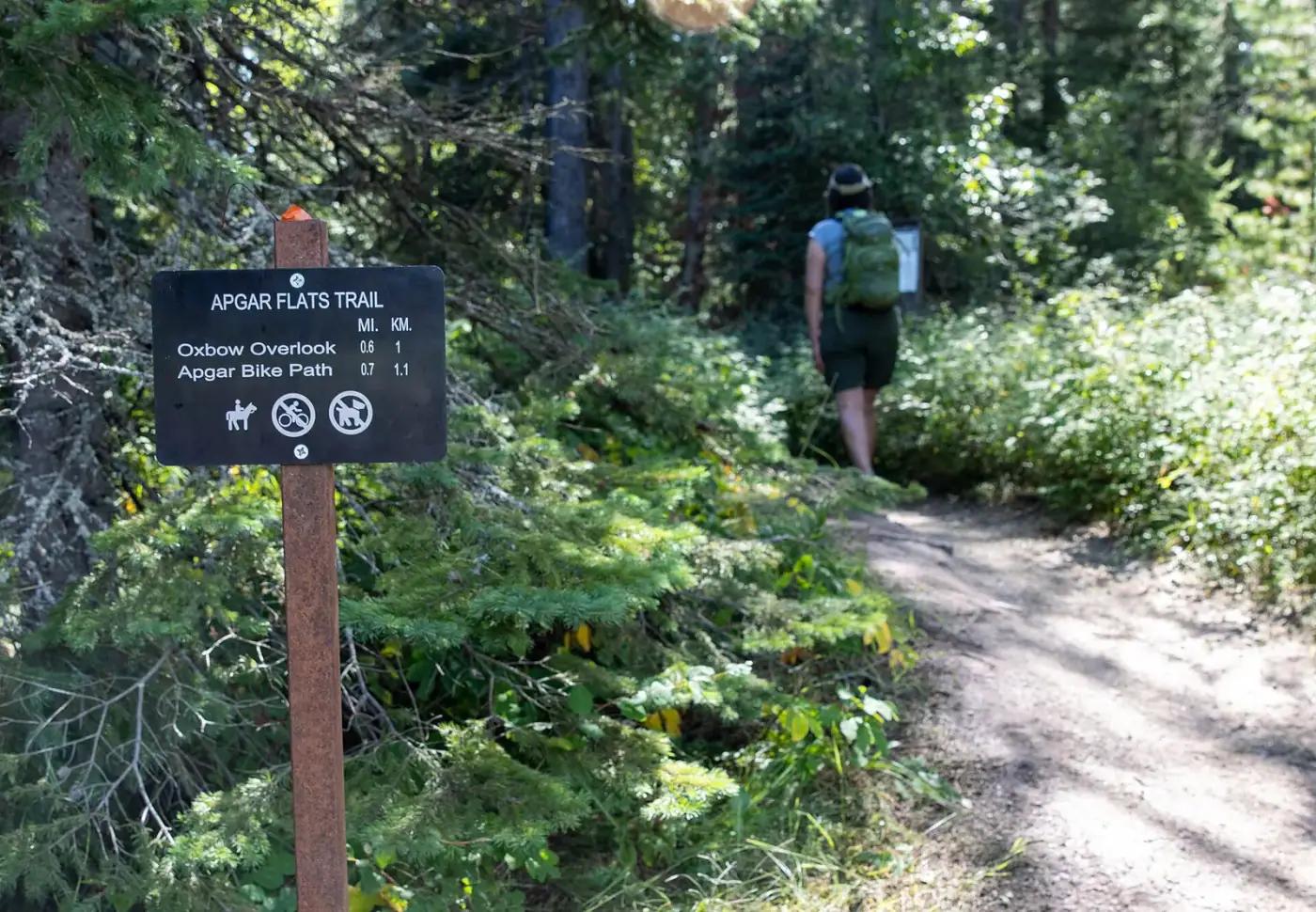
wildlife-experiences
How to Choose a Local Wildlife Guide
How to choose a local wildlife guide: the facts a listing should show, questions to ask, group size, honesty about sightings, and where AnimalDex fits.
7 menit baca

Best Types of Wildlife Activities for Animal Lovers
Birding, herping, night walks, macro, shore time, and photography outings compared: what each is like, when to go, what to bring, and which listings match.
7 menit baca
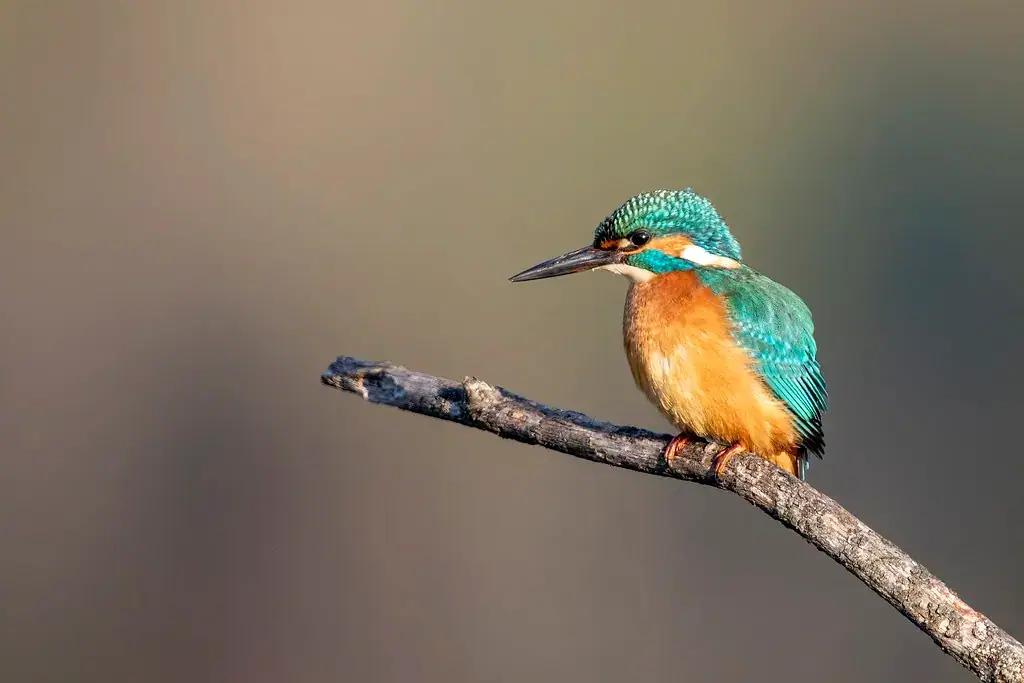
Wildlife Photography Tours: What to Look For
What to look for in a wildlife photography tour: honest listings, questions to ask, ethics behind the lens, realistic subjects by season, and kit.
7 menit baca