

wildlife-guidesbirding
Can Birders Make Money as Local Guides?
Yes, if people will pay for local knowledge and you stay legal. How local birding guides actually earn, how to price a walk, and where AnimalDex fits.
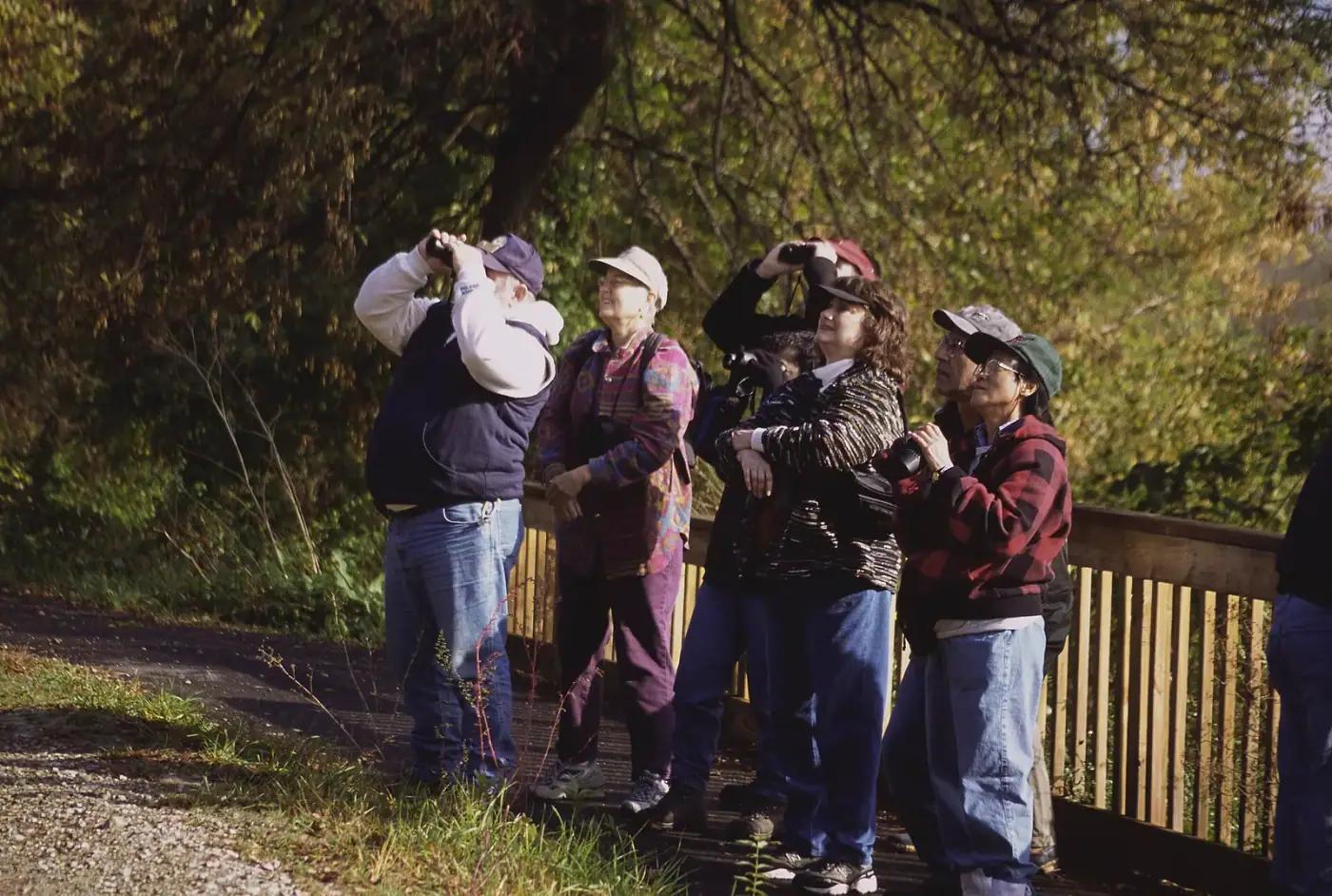
The short answer
Yes, some birders earn money guiding, and most of them do it part-time and seasonally. The ones who do it well are selling three things: they know where birds are at a given hour in a given month, they can put a name to a call most people would walk past, and they are reliable enough to meet strangers at 05:30. None of that requires a tour company, a vehicle or a website.
What it does require is honesty about what you can offer. A two-hour walk on public paths with a cap of six guests is a product. A guaranteed eagle is a lie, and the guests who paid for it will say so in public.
The market is already there
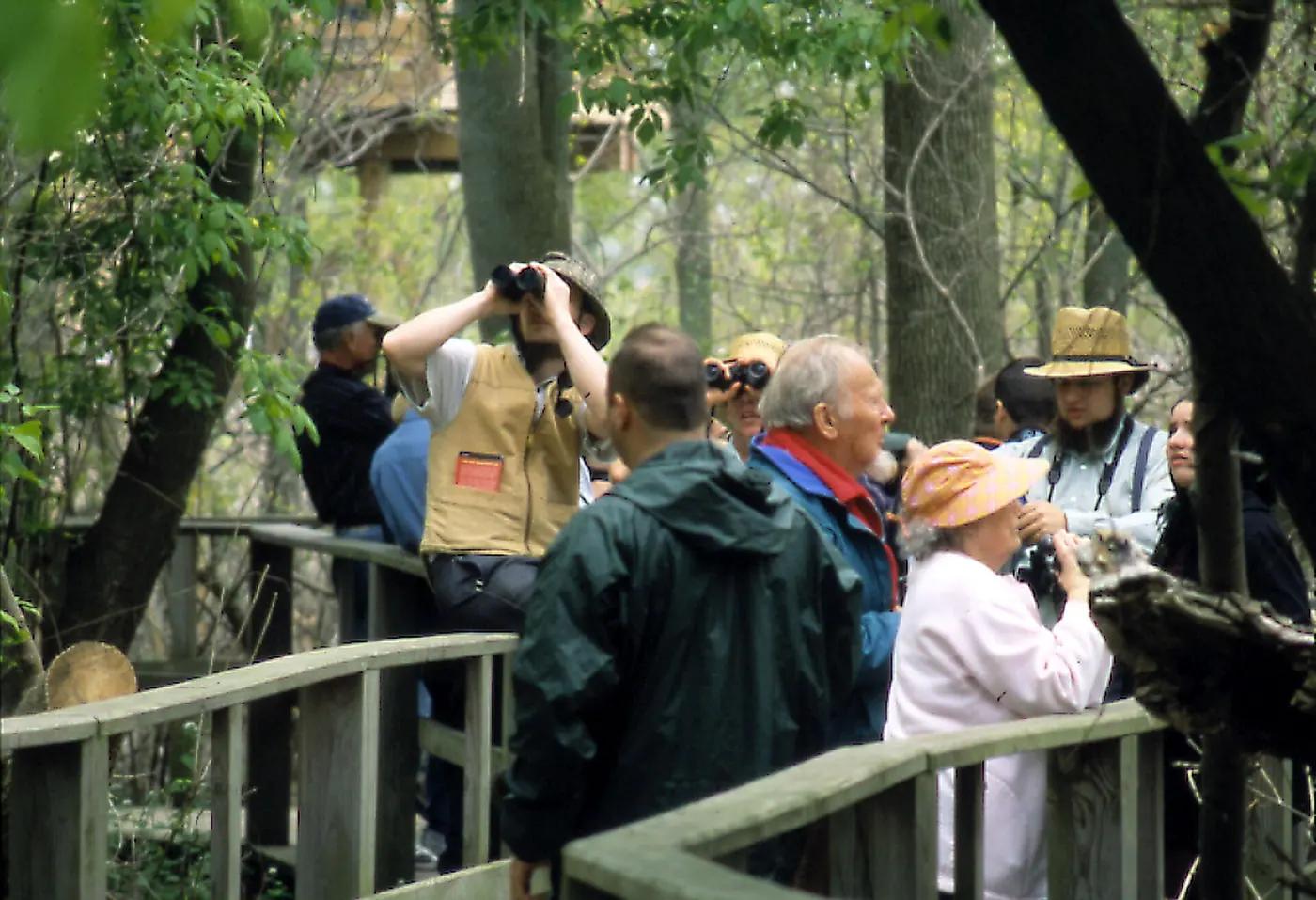
Dawn-chorus walks, wetland mornings, shorebird high tides and migration weekends are established products in most countries with a birding culture. Spring migration on the Great Lakes draws tens of thousands of visitors to a single boardwalk in May. Crane stopovers on the Platte River and in New Mexico fill hotels in March and November. Reserves in the UK, India, Spain and Costa Rica all have local guides who earn from the same walks they would do unpaid.
The hard part was never inventing birding. It is trust and discovery: a visitor with two free mornings has no way to tell a careful local from a stranger with binoculars. That gap is filled by reputation: reserve event lists, local clubs, past guests and the advice of people who have already been.
How local birding guides actually earn
Earnings come from a small number of formats, and each has a natural ceiling. The table is a frame for thinking, not a promise. Your numbers depend on your area, your season and how often anyone asks.
Whatever the format, the money is per person, per outing, with a group minimum. Most part-time guides run between one and four outings a week in season and none at all for months. Treat it as being paid for mornings you would have spent outside anyway.
| Format | Typical group | Time cost | Earnings logic |
|---|---|---|---|
| Dawn walk, public paths | 2 to 6 | 2 to 3 hours plus travel | Price per person × guests, minus fuel and your early start |
| Half-day wetland or coast | 2 to 6 | 4 to 5 hours | Higher price per person; weather cancellations hurt more |
| Private one-to-one | 1 or 2 | Flexible | Highest per-person price, lowest total; often target-species driven |
| Repeat local regulars | 4 to 8 | Monthly | Lower price, reliable; the base of most part-time guide income |
| Migration weekend | 6 to 8 | Two or three mornings | Your best weekend of the year; also everyone else's |
Pricing a walk
Start from costs, not from what feels polite. Add your travel, any parking or reserve entry you pay on the guests' behalf, the cost of a cancelled morning, and the hours including the briefing emails. Divide by a realistic group, not the maximum. Then check that figure against what a local guided activity of similar length costs in your area, such as a kayak session or a heritage walk. Guests compare against those, not against other birders.
Set a minimum group or a minimum charge. A single guest at a per-person price that assumed four will not cover your morning.
| Factor | How it shows up in the price |
|---|---|
| Your time, including planning and messages | The largest line. Count the early alarm as part of it. |
| Travel and parking | Fixed per outing, so it argues for a group minimum |
| Weather cancellations | Spread across the season; a coastal walk in autumn loses more days than a woodland one |
| Kit guests use | A scope on a tripod, loaner binoculars, a laminated list |
| Insurance and permits | An annual cost divided across expected outings |
| Local comparison | A sanity check against other guided activities of similar length |
Where AnimalDex helps, and where it stops
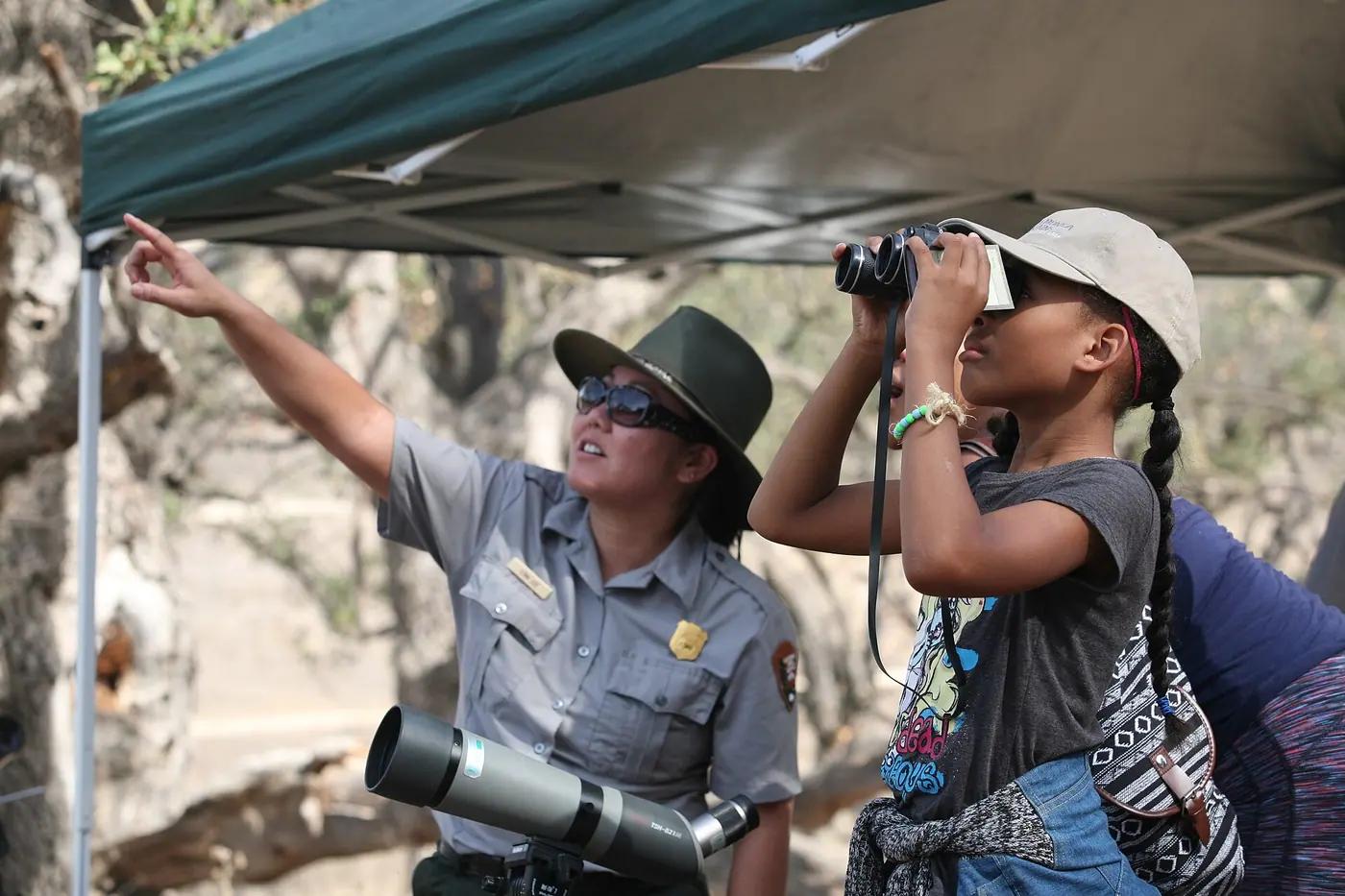
AnimalDex does not list or book guided walks. Its Wildlife Guides are virtual: each place where you log 3 or more wild species, with a public photo, becomes a guide that visitors will be able to buy for a small fee. They get your notes on every bird you found there, a direct chat with you, and introductions to local people you met, where they can help.
That is advice, not a tour. If you also lead walks, the guided walk itself is your own business, arranged and paid directly with your guests. AnimalDex does not organise outings, collect payment for them, verify your permits, insure you, or promise birds. Buying a virtual guide is coming soon.
How virtual Wildlife Guides workVirtual Wildlife Guides on AnimalDexHow buying a Wildlife Guide works
Start smaller than a tour company
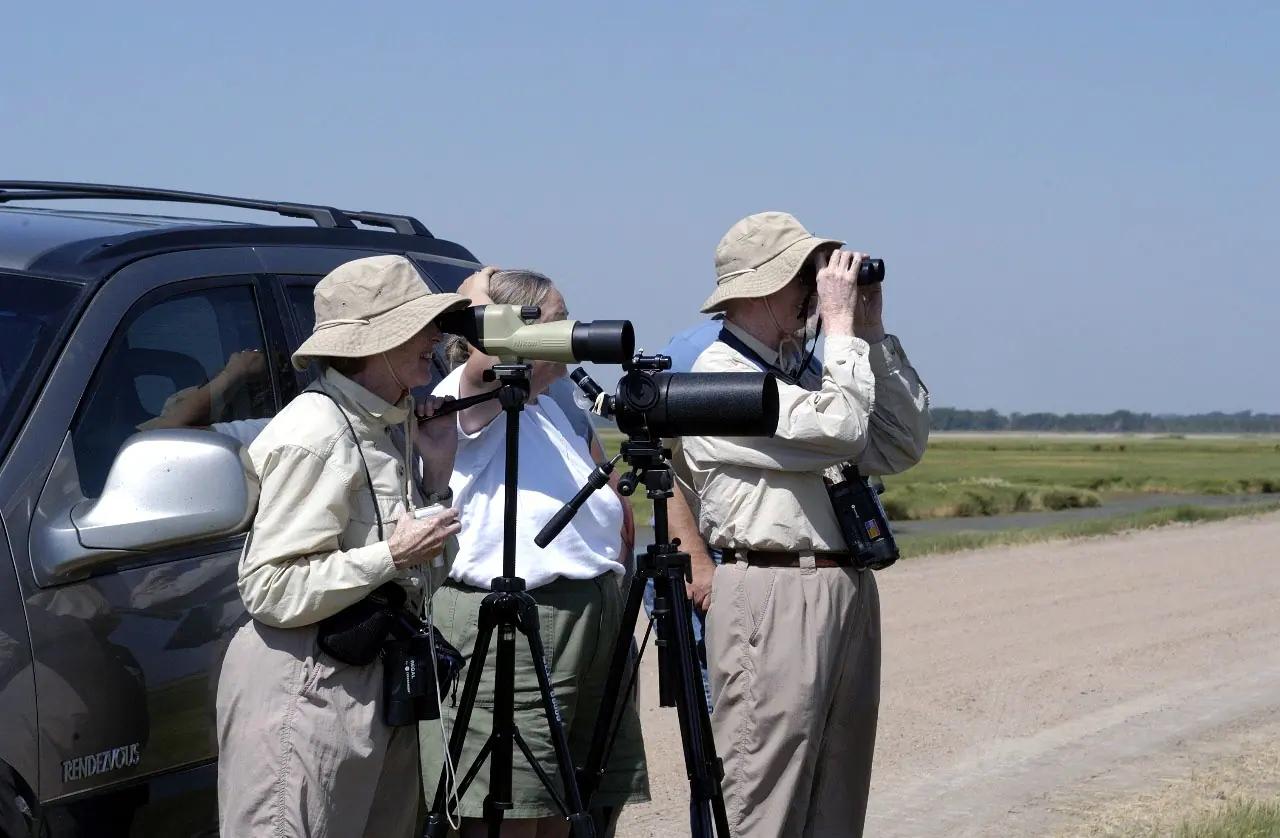
A two-hour public-path walk for a handful of guests is a product. A minibus, a packed lunch and a guaranteed eagle is a different business with vehicle insurance, food hygiene and a refund policy, and it is a bad promise on top. Start with the walk you already do, at the time you already do it, and let the guest cap stay low until you have run it with strangers a few times.
Small groups are also better birding. Six people can stop on a path without blocking it, stay quiet at a reedbed and all get on a scope within a minute. Twelve cannot.
How to start offering local birding experiencesBirding guide vs going alone
Staying legal and insured
Paid guiding is a commercial activity, and land managers treat it as one. National parks and many reserves require a commercial-use permit for guided groups even on public trails. Some countries license nature guides outright. Private land needs the owner's permission whether or not money changes hands. Public liability insurance is normal practice and is sometimes a permit condition.
Income is taxable where you live, and it is your job to record it. Keep your own record of what each walk brought in; nobody else will do it for you.
Pertanyaan singkat
Jawaban ringkas untuk pertanyaan yang paling sering muncul pada topik ini.
- How much do birding guides charge for a walk?
- It varies by country and format, and there is no standard rate. Most part-time guides price per person with a group minimum, starting from their real costs (travel, time, cancellations, insurance) and checking the figure against other guided activities of similar length nearby. A private one-to-one costs more per person than a six-person dawn walk.
- Can you make a living as a bird guide?
- A few people do, usually by combining international tours, writing and a strong reputation built over years. For most birders guiding is part-time and seasonal: a few outings a week in spring and autumn and nothing in between. Plan for it as a side income tied to the months when birds and visitors are both present.
- Do I need a licence to lead paid birding walks?
- Often, yes. National parks and many reserves require a commercial-use permit for paid groups, some countries license nature guides, and private land needs the owner's permission. Rules differ by site, so ask the land manager before you take paying guests.
- What does an AnimalDex Wildlife Guide give a birder?
- A way to share what you know about a place without leading anyone there. Each place where you log 3 or more wild species, with a public photo, becomes a virtual guide: your notes on every bird, a chat with you, and introductions to local people you met. Buying is coming soon, the fee is a small real-money amount, and Credits are not used. AnimalDex does not list or book in-person walks.
Hewan yang disebut
Lompat dari artikel ini ke halaman spesies di balik contoh, catatan systems, dan referensi field guide.
Sources and further reading
Panduan jawaban terkait topik ini
Kalau kamu ingin perbandingan langsung dan rekomendasi yang jelas, lanjutkan ke halaman jawaban berikut.
Best Animal Identification Apps
Compare the best animal identification apps by features like photo/video identification, species coverage, collection capabilities, offline use, and more.
What Is Animal Collecting
Learn what animal collecting means in modern apps and how AnimalDex turns real-world sightings into cards, sets, rarity, and species learning.
Pokemon-Like Animal App
Looking for a Pokemon-like animal app with real species? AnimalDex combines creature-collection energy with AI scanning and wildlife learning.
Panduan terkait
wildlife-guides
How to Start Offering Local Birding Experiences
Pick a public route, a duration, a guest cap and an honest price. How to scout, time a walk by season and tide, brief guests and run your first walk.
7 menit baca
How to Become a Wildlife Guide With AnimalDex
There is no application. Each place where you log 3 or more wild species, with a public photo, becomes a virtual guide you can check, price and share.
6 menit baca
Birding Guide vs Going Alone: When a Local Guide Helps
Birding guide or go alone? When local timing and habitat knowledge are worth paying for, what a good birding Guide does on the day, and what to bring.
6 menit baca