

wildlife-guidesbirding
How to Start Offering Local Birding Experiences
Pick a public route, a duration, a guest cap and an honest price. How to scout, time a walk by season and tide, brief guests and run your first walk.
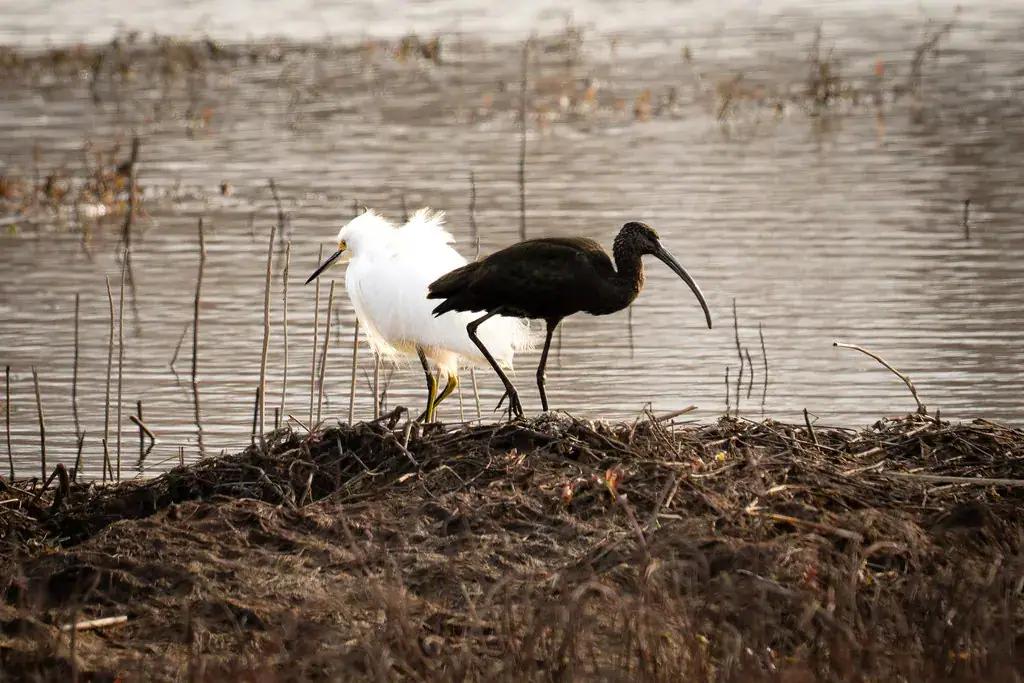
Write the outing you already do
If you already walk a reedbed edge at first light on Saturdays, that is the listing. Title, one-line pitch, what you actually do, the public area, the duration, the maximum guests and a price per person. Resist inventing a grander version for strangers. The walk you have done fifty times is the one you can run with three people asking questions, a late arrival and a squall at 07:10.
Describe the attention guests get, not the birds. Two hours on a known loop where you stop at four points, put birds on a scope and explain calls is a product. A list of species is a hope.
Scout the route three times before you sell it
Walk it once at the listed start time to measure the real duration with stops. Walk it once in bad weather to learn where the mud, the wind and the shelter are. Walk it once with a friend who is not a birder and time how long it takes them to get on a bird in a scope. The listing's duration and guest cap should come from those three walks, not from your solo pace.
Note the practical details guests will ask about: the nearest toilets, where cars can park without blocking a farm gate, whether the path floods on a spring tide, and where you can stand eight people without trampling the verge.
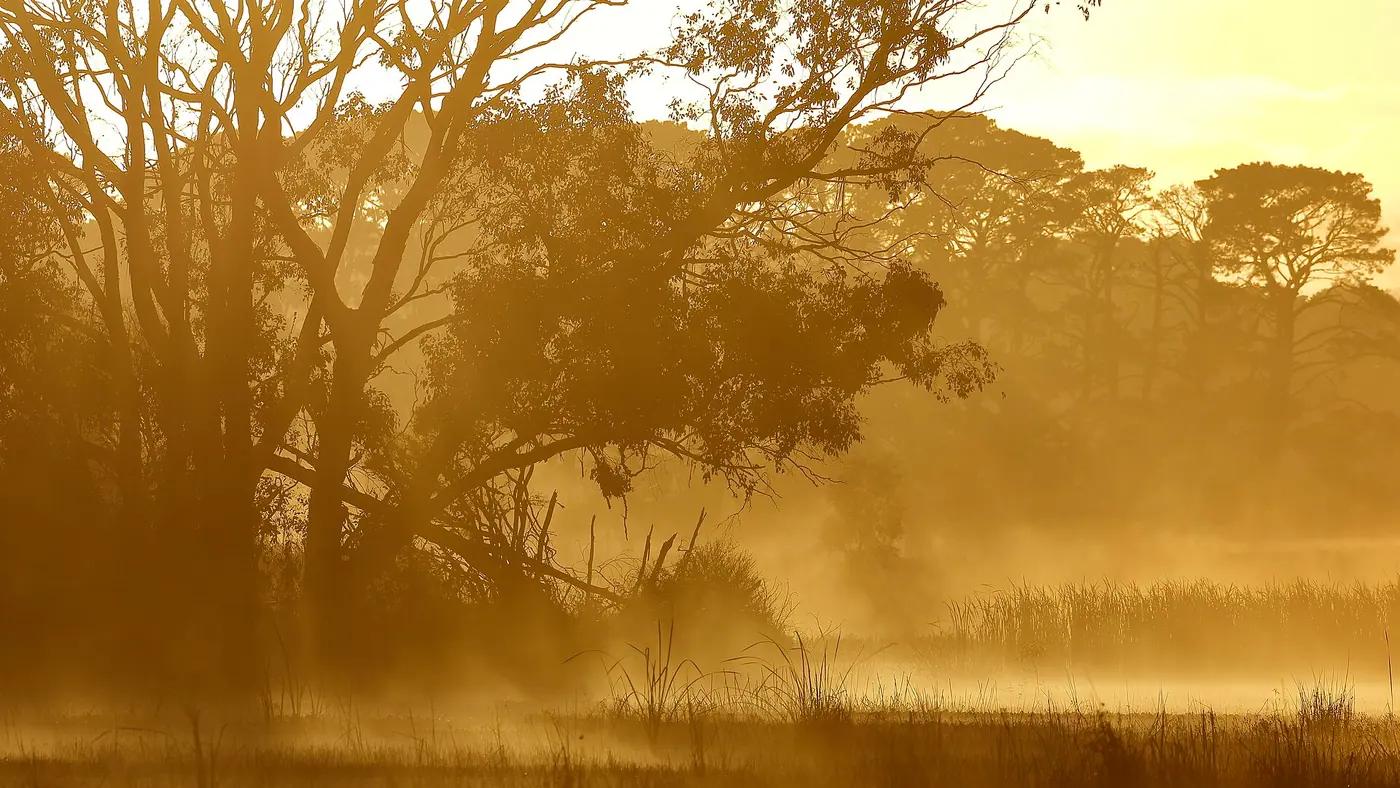
Timing: dawn, season and tide
Birds keep schedules, and a listing that ignores them sells disappointment. In spring, songbirds sing most intensely from before sunrise to an hour or two after, which is why dawn walks exist. On estuaries, waders are pushed toward the shore as the tide rises, so the two hours before high water usually give the closest views, and at high water the birds gather on roosts. Raptors need thermals and are easier from mid-morning. Owls and nightjars are a dusk product.
Seasons matter as much as hours. Migration peaks in spring and autumn in temperate regions, winter brings wildfowl and roosts, and the breeding season brings song but also sensitivity around nests. Build one listing per season rather than one listing that claims everything.
| Habitat | Best window | Why |
|---|---|---|
| Woodland and hedgerow, spring | 30 minutes before sunrise to about two hours after | Peak song; birds are vocal and visible before leaves close in |
| Estuary and mudflat | The two hours before high tide | Rising water pushes waders closer; roosts form at high water |
| Reedbed and marsh | Dawn and dusk | Rails and warblers call most at the edges of the day |
| Open country and ridges | Mid-morning to afternoon | Thermals form and raptors soar |
| Heath and clearing, summer | Dusk into dark | Nightjars and owls become active |
| Wetlands, winter | Late afternoon | Wildfowl and roost flights gather before dark |
Group size, pace and the briefing
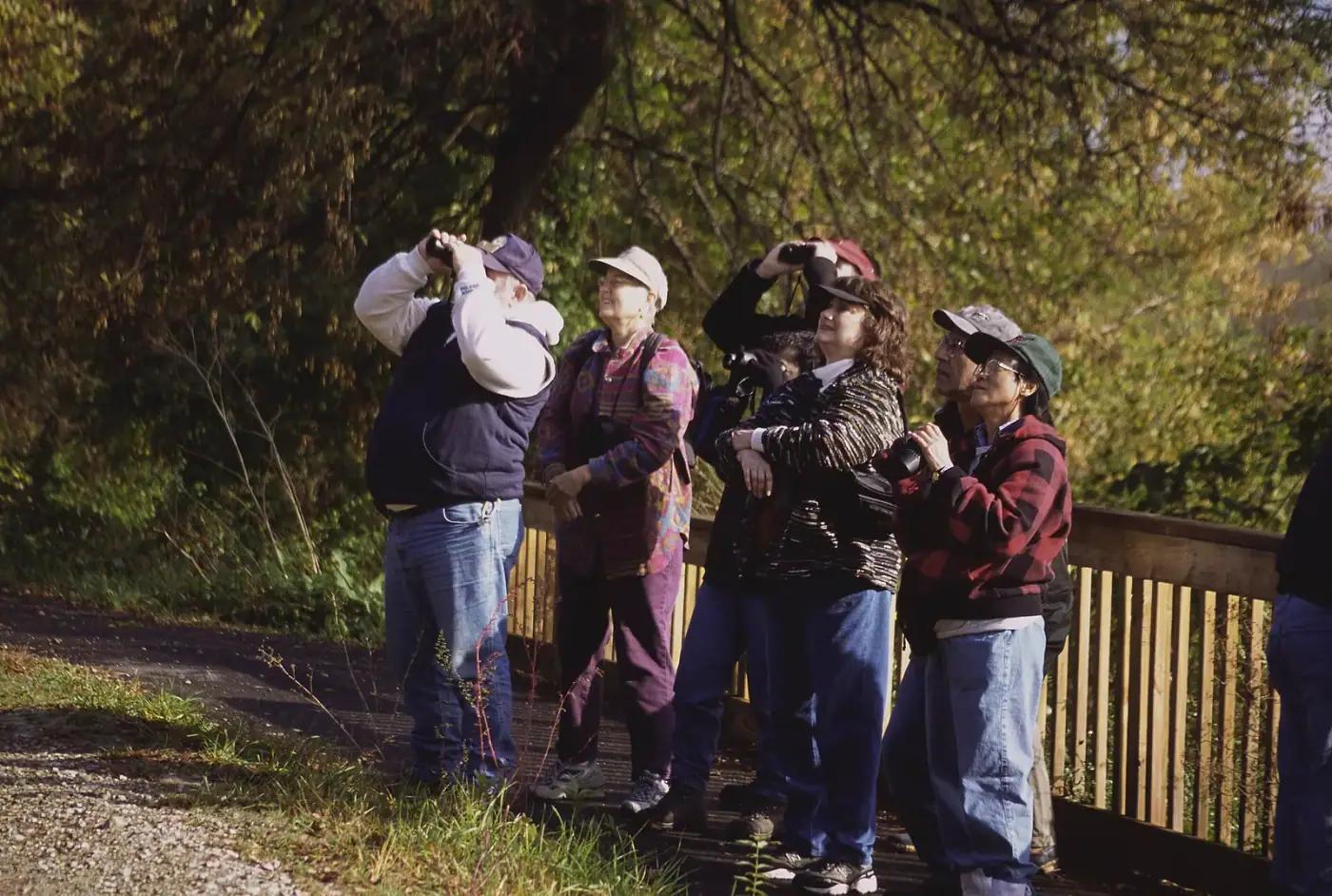
Six is a good cap for a walking birding group and eight is the practical maximum on a path. Beyond that, people at the back cannot hear you, the group spreads out across the trail, and the time to get everyone on a scope view goes past the bird's patience. Smaller groups are also what collectors expect from a local rather than a coach tour.
Send a short briefing the evening before: meeting point and time, how long you will be out, footwear, layers, whether there is a toilet, and your weather decision. On the morning, spend two minutes on how the walk works: stay behind the person pointing, keep voices low near water, ask anything. A group that knows the rules is easier to keep still.
Weather, cancellation and safety
Birding in rain is possible; birding in a gale on an exposed sea wall is not, and a wet group with no birds is a bad review. Decide your cancellation rule before you list: for example, you call the walk by 20:00 the night before if the forecast shows sustained heavy rain or wind above a set speed, and you offer another date. If guests pay on the day, a cancelled walk simply does not happen; if they paid ahead, say how you refund or rebook. Put the rule in the listing so nobody has to argue about it.
You are meeting strangers outdoors, often before daylight. Tell someone where you will be, carry a phone and a small first-aid kit, know where the nearest road access is on the route, and keep the group together on the walk back. If a guest is struggling, shorten the route rather than split the group.
Keep meeting points private
Advertise a general area, such as a town or a reserve, and share the exact meeting point only with people you have agreed to take. That protects you from being met by someone you did not expect, and it protects the site: a published pin at a roost or a nest draws people who are not with a guide.
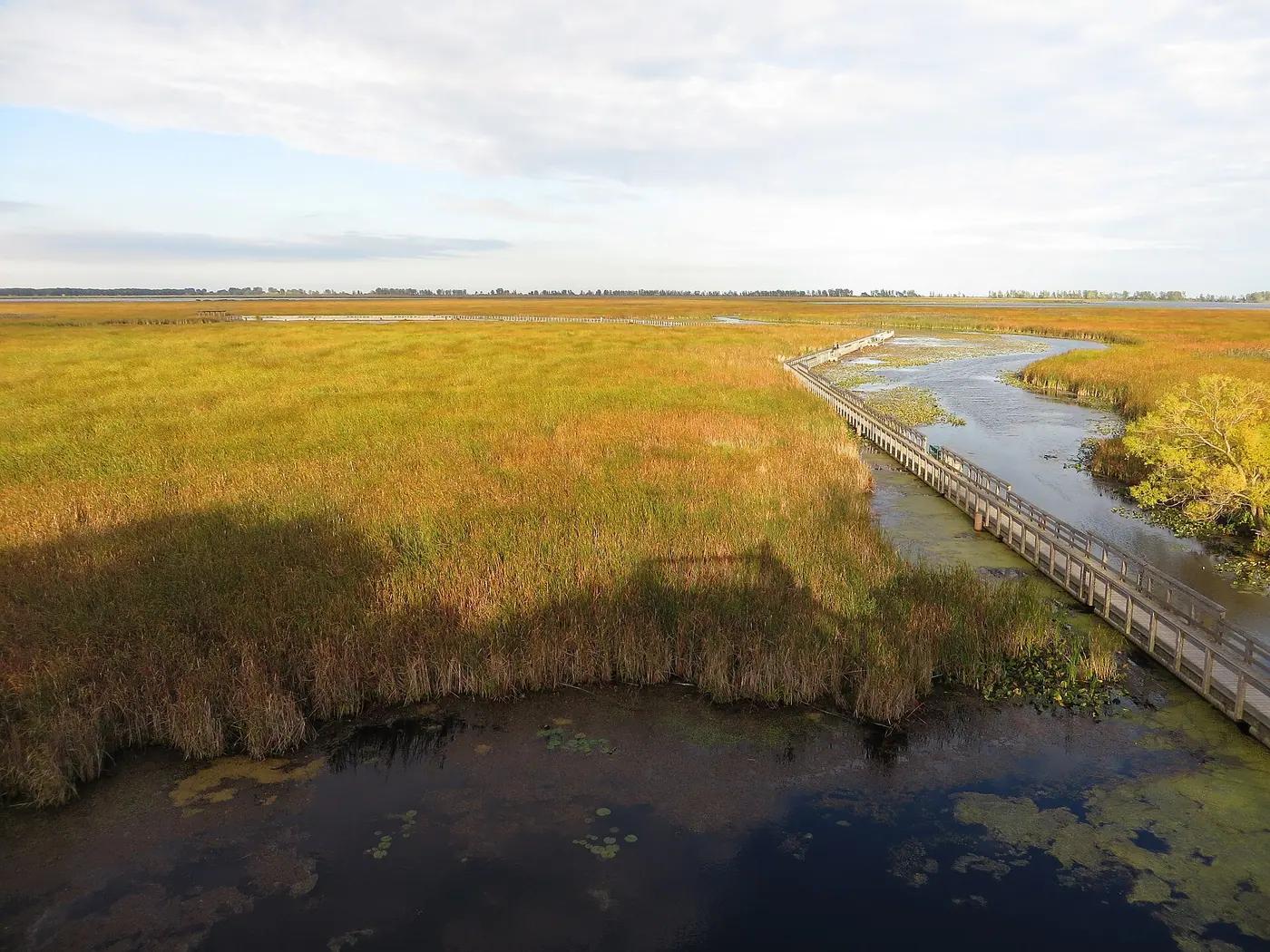
Where AnimalDex fits
AnimalDex does not list or book guided walks, so the walk itself stays your own business, arranged and paid directly with your guests. What AnimalDex does is turn your sightings into a virtual guide. Each place where you log 3 or more wild species, with a public photo, becomes a guide that visitors will be able to buy for a small fee: your notes on every bird, a direct chat with you, and introductions to local people you met.
It is advice, not a tour, and it never promises a bird. Buying is coming soon, and Credits are not used.
How virtual Wildlife Guides workVirtual Wildlife Guides on AnimalDexHow to become a Wildlife Guide with AnimalDex
Your first three walks
Three outings turn a draft listing into a real one.
Walk one: your patch, friends of friends
Run the exact listed route at the listed time with two or three people who will tell you the truth. Time it with stops. Note which points worked and where everyone got cold.
Walk two: first strangers
First strangers. Send the briefing the night before, arrive ten minutes early, start with the two-minute rules talk. Afterwards write down every question you could not answer.
Walk three: the corrected listing
Adjust the duration, guest cap, start time and price to match walks one and two. Add the cancellation rule and the kit list to the listing text. Now it is a product.
Pertanyaan singkat
Jawaban ringkas untuk pertanyaan yang paling sering muncul pada topik ini.
- How many people should be on a guided bird walk?
- Six is a comfortable cap and eight is the practical maximum for a walking group on a path. Larger groups spread out, cannot hear the guide, and take too long to share a scope view before the bird moves. Smaller groups are quieter at water and easier to keep safe on the walk back.
- What time should a birding walk start?
- For songbirds in spring, about 30 minutes before sunrise, because song peaks around dawn and fades through the morning. On estuaries the best window is the two hours before high tide, when rising water pushes waders closer. Raptors are easier mid-morning once thermals form, and owls and nightjars are a dusk walk.
- What should I do if the weather is bad on the day of a walk?
- Decide a cancellation rule before you list and put it in the listing: for example, you call the walk by the evening before if the forecast shows sustained heavy rain or strong wind, and you offer a new date. If guests pay on the day, a cancelled walk involves no refund; if they paid ahead, refund or rebook them. Light rain is usually fine; exposed coast in a gale is not.
- Can I list a birding walk on AnimalDex?
- No. AnimalDex does not list or book in-person walks. Your sightings can become a virtual guide instead: each place where you log 3 or more wild species, with a public photo, becomes a guide with your notes on every bird, a chat with you, and introductions to local people you met. Buying is coming soon.
Hewan yang disebut
Lompat dari artikel ini ke halaman spesies di balik contoh, catatan systems, dan referensi field guide.
Panduan jawaban terkait topik ini
Kalau kamu ingin perbandingan langsung dan rekomendasi yang jelas, lanjutkan ke halaman jawaban berikut.
Best Animal Identification Apps
Compare the best animal identification apps by features like photo/video identification, species coverage, collection capabilities, offline use, and more.
What Is Animal Collecting
Learn what animal collecting means in modern apps and how AnimalDex turns real-world sightings into cards, sets, rarity, and species learning.
Pokemon-Like Animal App
Looking for a Pokemon-like animal app with real species? AnimalDex combines creature-collection energy with AI scanning and wildlife learning.
Panduan terkait
wildlife-guides
Can Birders Make Money as Local Guides?
Yes, if people will pay for local knowledge and you stay legal. How local birding guides actually earn, how to price a walk, and where AnimalDex fits.
6 menit baca
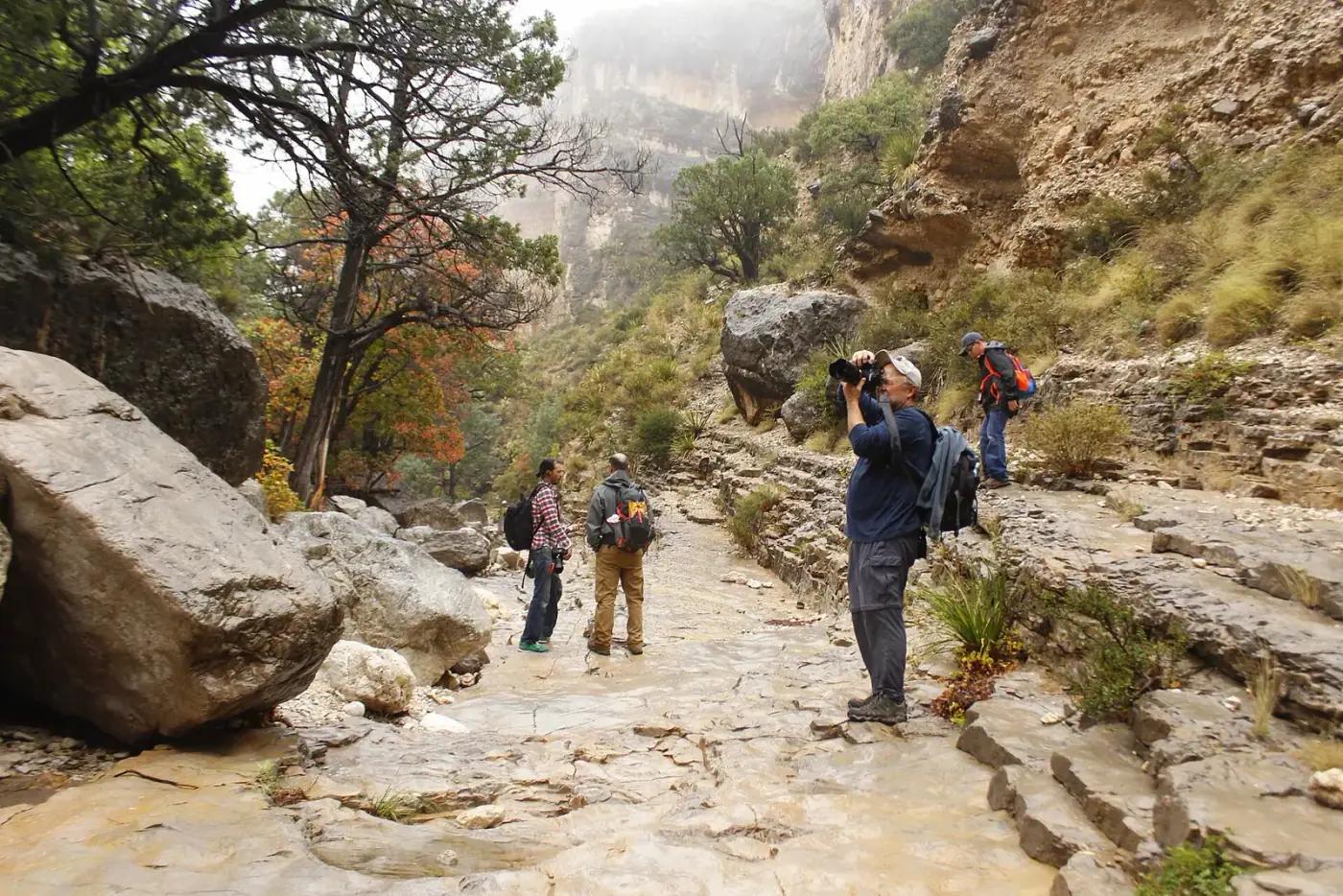
How to Become a Wildlife Guide With AnimalDex
There is no application. Each place where you log 3 or more wild species, with a public photo, becomes a virtual guide you can check, price and share.
6 menit baca
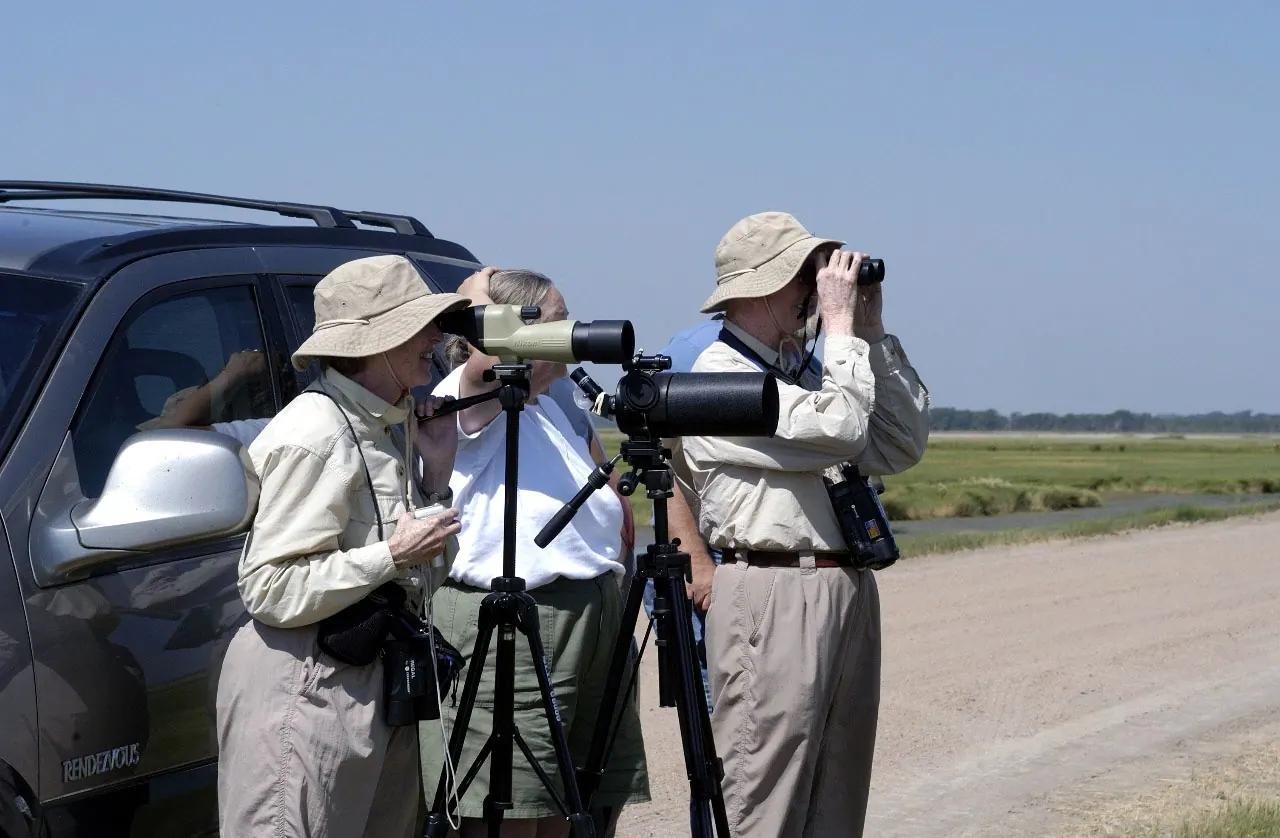
What Makes a Great Ethical Wildlife Guide?
An ethical wildlife guide sells orientation, not a guaranteed animal. Distance rules, no baiting or handling, honest pitches, safety and permits.
6 menit baca