

herping photographyethicswildlife
Herping Photography Without Disturbing Wildlife
How to photograph snakes, frogs and lizards without handling, flipping or baiting: working distance, light, venomous-species safety and what to log.

The picture is not worth the stress
No flipping rocks into a worse microhabitat. No pinning for a scale shot. No baiting. No moving a snake onto a prettier log. Get the record you can get from where you already stand, then move on.
Handling is the single most disruptive thing a photographer does to a reptile. A snake that has just been lifted abandons the basking spot it chose for a reason, burns energy on a defensive display, and may regurgitate a recent meal. Lizards drop tails. Frogs lose the mucus layer that keeps their skin breathing. None of that shows in the frame, which is exactly why it keeps happening.
Cover objects matter too. A sheet of tin or a flat rock is a microhabitat with its own humidity and temperature. If you lift it, lift it towards you so the animal has an escape route away from you, photograph what is there, and set it back exactly as it was. Never put the animal back under the cover after replacing it. Put the cover back first, then let the animal find its own way in.
The ethical shot is the one you can take from where you are already standing.
Work the distance, not the animal
A 90 to 105 mm macro lens gives you a frame-filling snake head from roughly a metre away. A 300 mm telephoto gives you the same from three or four. A phone with a clip-on macro is closer than either, so with a phone the discipline is to crop afterwards instead of leaning in.
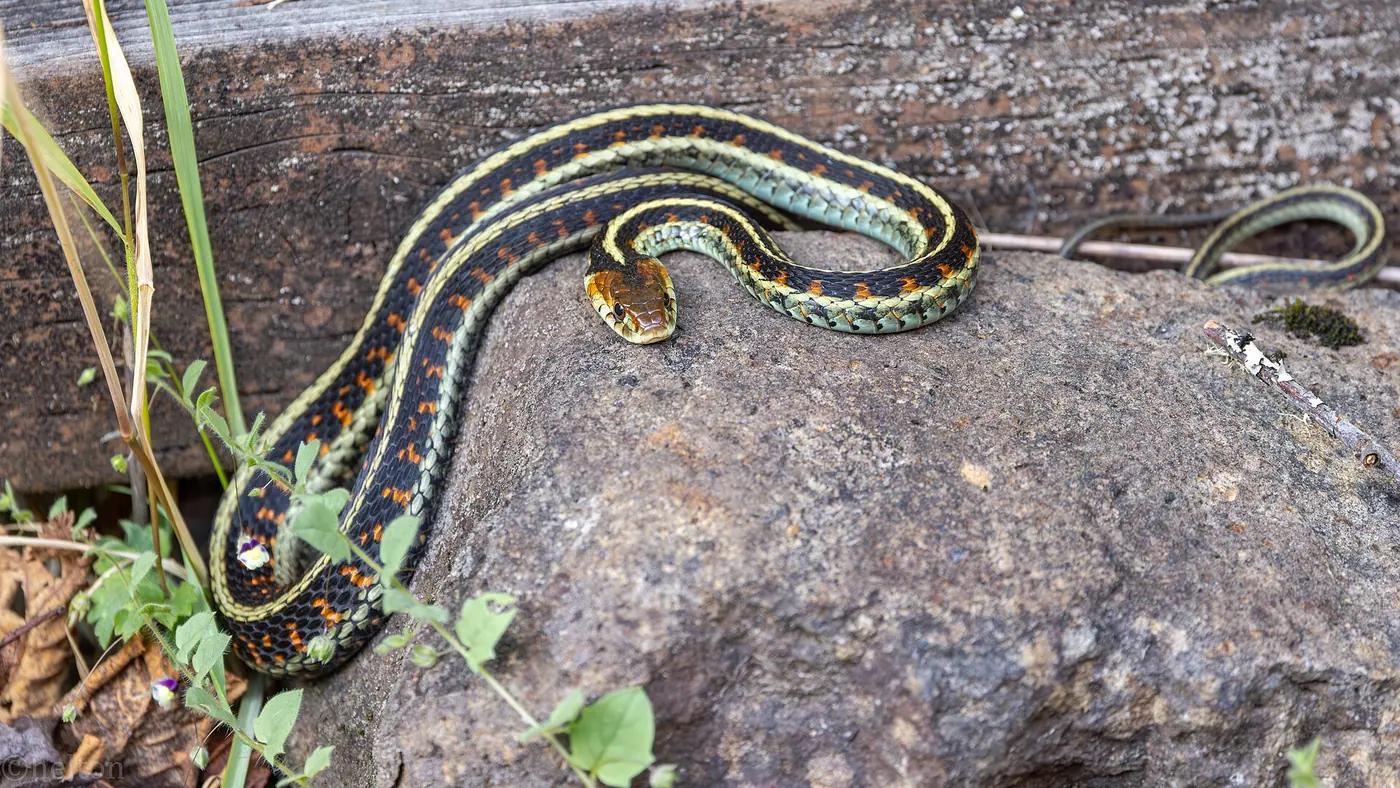
Get low. Most reptiles read a tall silhouette as a predator and a low one as scenery. Lie on the trail if the ground allows it and let the animal settle for thirty seconds before the first frame. A garter snake that has stopped moving will usually stay put for a short burst of shutter clicks; one that is actively crossing should be allowed to cross.
Shoot the first frame badly on purpose. A quick record shot from distance means you already have evidence before you try anything better. If the animal moves off after that, the encounter is still logged.
Keep your own track clean. Stay on the trail where there is one, do not trample vegetation to improve the background, and never corner an animal against a wall or a drop.
Venomous species: the rules do not change, the distance does
Identify first, from where you are. If you are not certain the animal is harmless, treat it as venomous. A snake can strike roughly half its body length, so a 1.5 m rattlesnake can reach about 75 cm; stay well beyond that and remember that a startled snake can move faster than you expect on uneven ground.
Most snakebites in North America happen to people who were trying to handle, move or kill the snake. The animal was not hunting them. That statistic is the whole safety briefing: hands away, feet still, long lens.
On roads at night, the traffic is more dangerous than the snake. Pull completely off the carriageway, wear something reflective, and never step into the lane to photograph an animal that a car could reach before you do.
Distance
Can you take the frame from where you are standing? If not, do you really need it?
Cover
Lift cover objects towards you, photograph, replace exactly. Animal goes back under on its own.
Hands
No handling, no pinning, no repositioning. Wet amphibian skin and sunscreen do not mix.
Light
Brief, diffused flash. Red headlamp for finding, white light only for the frame.
Exit
Leave the animal an escape route. Never block the direction it was heading.
Frogs at night: light, wet hands and chytrid
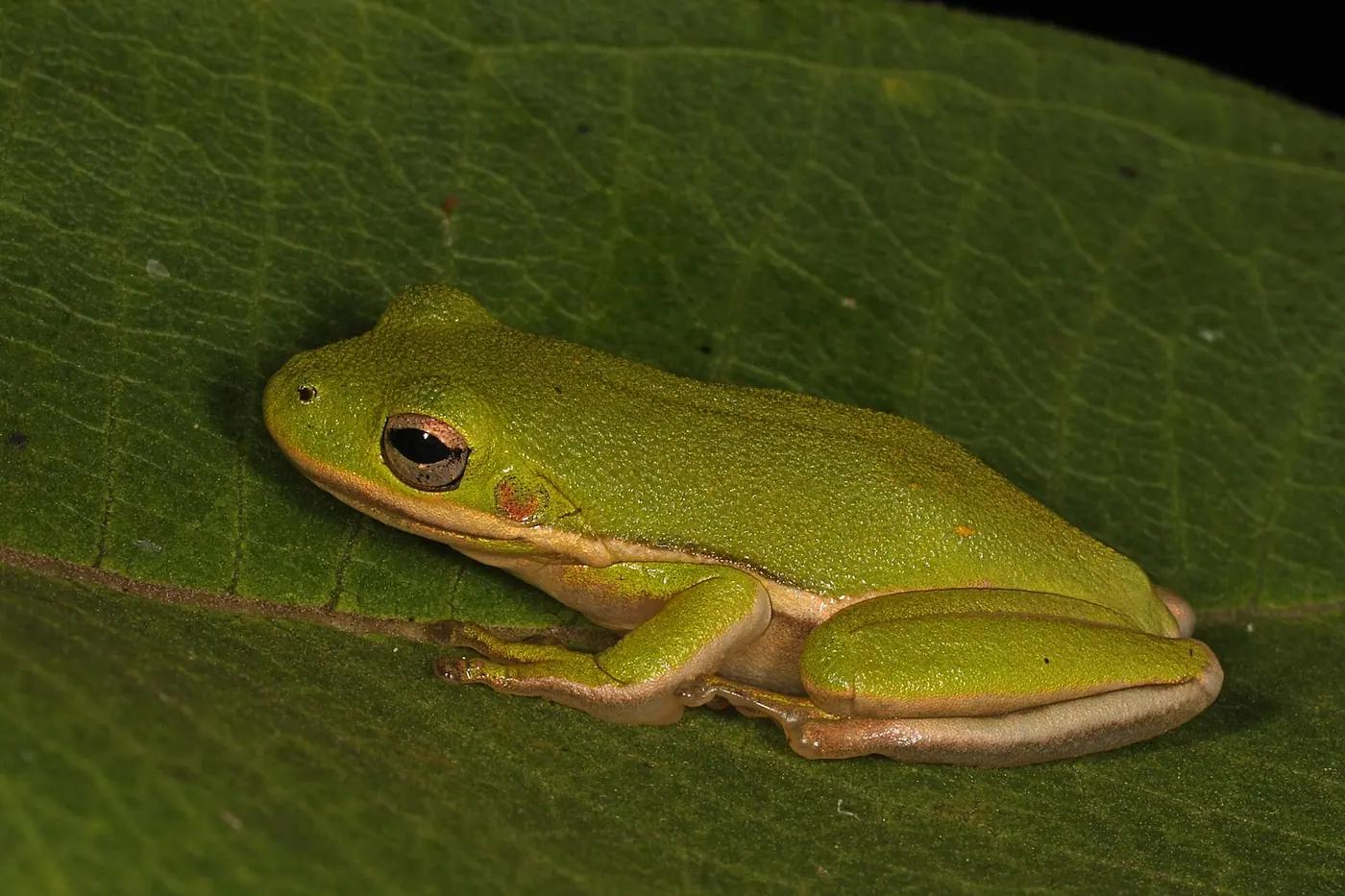
Tree frogs are the easiest herps to photograph well and the easiest to harm. An American green tree frog is 3 to 6 cm long, calls from a perch after rain, and will stay on that perch for minutes if you keep the light short and the lens still. There is no need to move it to a leaf with a better background.
Amphibian skin absorbs whatever touches it. Insect repellent, sunscreen and hand sanitiser on your fingers all go straight into the animal. The safest hand is the one that never makes contact.
The chytrid fungus Bd, and its salamander relative Bsal, travel on boots and gear between sites. Clean mud off footwear between wetlands and disinfect it where you can. It is a small habit with a large effect, because chytridiomycosis has been linked to declines in hundreds of amphibian species worldwide.
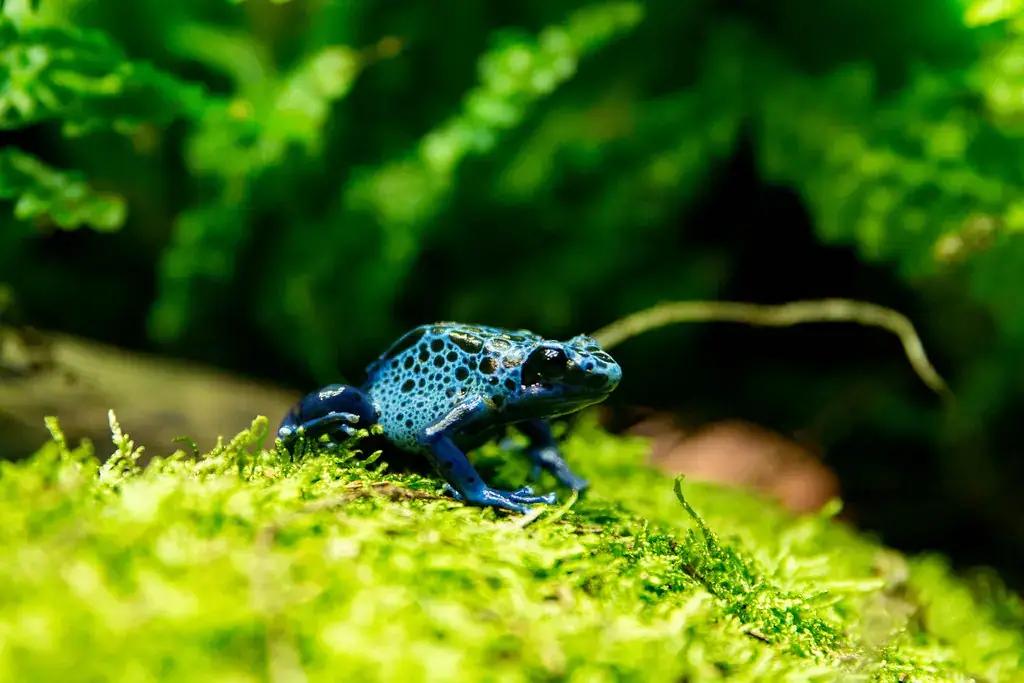
Red-eyed tree frogAmerican bullfrog
A journal reduces repeat pressure
If you already documented that stretch of road, you do not need to work the same animal again for a slightly cleaner frame. A searchable Dex tells you in the car park whether you have the species, where, and in what condition. That is one reason a herping journal helps the animals as much as the herper.
In AnimalDex a field find is a live capture: a photo taken in the app at the moment of the encounter, with species or group-level identity, setting and a confirmed location attached. Older finds that you posted on Instagram can join the same Dex through import, but each post is reviewed before it becomes a capture, so a 2019 road snake stays honest about where it actually was.
Record the encounter, not just the animal: time, temperature if you have it, substrate, behaviour and how far away you were. That context is what makes a journal worth re-reading in five years.
Pertanyaan singkat
Jawaban ringkas untuk pertanyaan yang paling sering muncul pada topik ini.
- Is it OK to pick up a snake for a photo?
- No. Handling stresses the animal, risks a bite, and makes the photograph a record of an interrupted snake rather than an encounter. Use a macro or telephoto lens from a metre or more away, get low, and let the animal settle. If it moves off, you still have the record shot you took first.
- How far away should I stay from a venomous snake?
- Stay several body lengths away. A snake can strike about half its own length, so a 1.5 m rattlesnake reaches roughly 75 cm, and you want a wide margin beyond that on uneven ground. Most bites happen to people trying to handle or kill the snake, so distance and stillness are the whole safety plan.
- Can I move a frog to a better background?
- You should not. Amphibian skin absorbs repellent, sunscreen and sanitiser from your hands, and a frog moved off its perch loses the spot it chose. Photograph it where it is with brief, diffused light, then switch back to a red headlamp and leave.
- What is the Grinnell method and do I need it for herping?
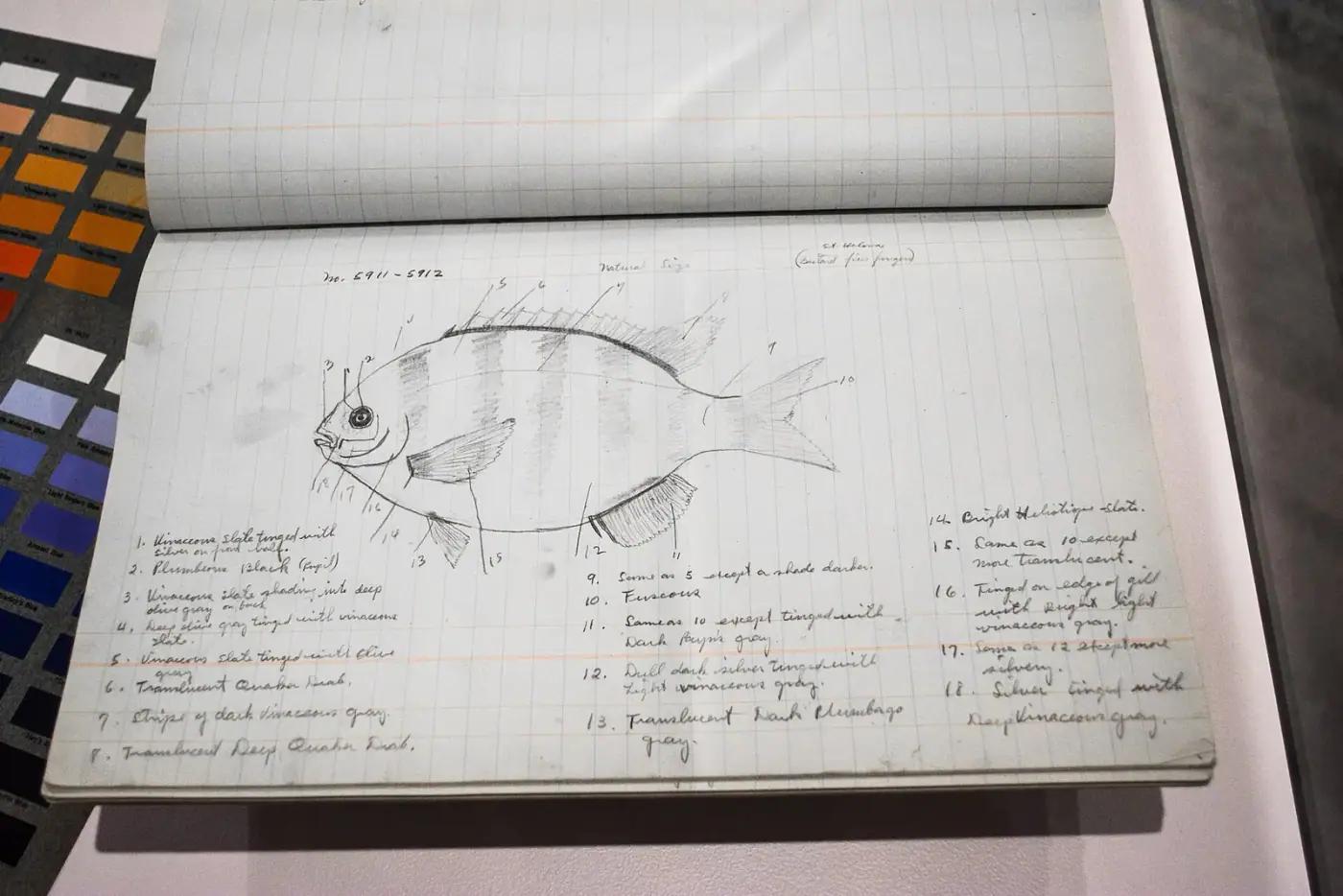
- The Grinnell method is a structured field-notebook system from the Museum of Vertebrate Zoology at Berkeley: a running journal, species accounts and a specimen catalogue. You do not need the full method, but its habit of recording date, place, weather, habitat and behaviour for every find is exactly what makes a herping record useful later.
- Do imported Instagram herp photos count as captures?
- They can become captures after review. AnimalDex finds animal posts on a connected Instagram professional account, then you confirm species or group identity, the historical location and the setting before the original media is added. New finds in the field are live captures taken in the app.
Panduan jawaban terkait topik ini
Kalau kamu ingin perbandingan langsung dan rekomendasi yang jelas, lanjutkan ke halaman jawaban berikut.
Best Animal Identification Apps
Compare the best animal identification apps by features like photo/video identification, species coverage, collection capabilities, offline use, and more.
What Is Animal Collecting
Learn what animal collecting means in modern apps and how AnimalDex turns real-world sightings into cards, sets, rarity, and species learning.
Pokemon-Like Animal App
Looking for a Pokemon-like animal app with real species? AnimalDex combines creature-collection energy with AI scanning and wildlife learning.
Panduan terkait
herping
How to Keep a Herping Field Journal
What to record after a snake, lizard or frog find: temperature, time, substrate, behaviour and an honest ID, without handling or disturbing the animal.
5 menit baca
What to Record When You Find a Snake in the Wild
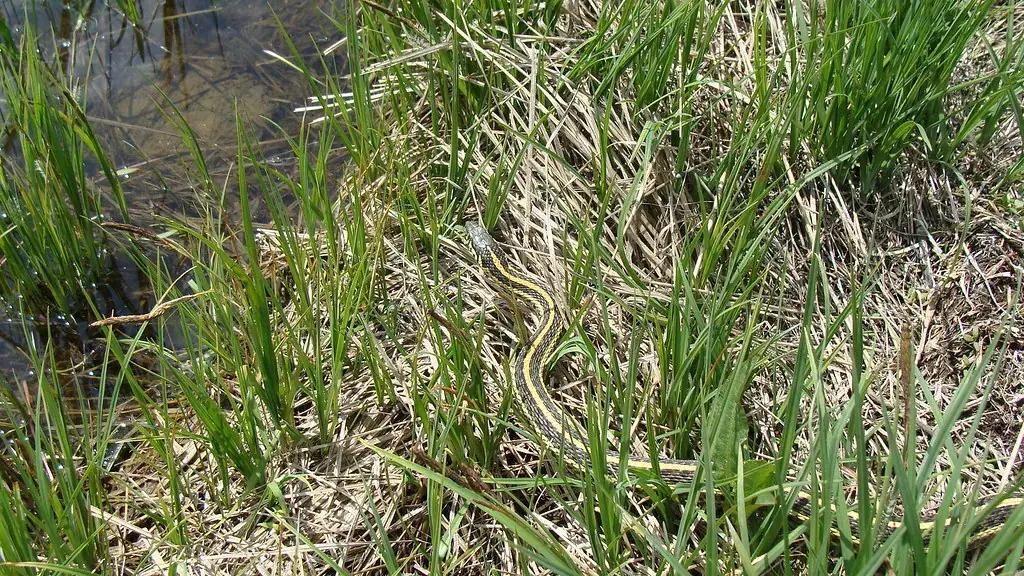
A field checklist for snake finds: distance and safety first, then the photo, the conditions, an honest identification and a location that is true.
5 menit baca
Turn Years of Herping Photos Into a Searchable Collection
Bring night herps, road finds and frog choruses out of Instagram and a camera roll into a species-indexed collection you can actually query.
5 menit baca