

wildlife-experiencestravel
How to Find Ethical Wildlife Experiences While Traveling
How to find ethical wildlife experiences when you travel: the tells of a staged encounter, tourist traps that look harmless, and questions to ask.

Refuse the staged encounter
If the animal is called in, fed, or held for the camera, it is not an ethical wildlife experience. Distance and patience are the product. That one sentence sorts most of what a resort desk or a street tout will offer you: the sloth you can hold, the turtle you can ride, the owl that waits on a stump, the monkeys that come to the balcony for fruit. Each is a wild animal whose behaviour has been bent to fit a schedule.
The ethical version is less convenient. It happens at the hour the animal chooses, in the place it already lives, with a Guide who keeps you far enough away that the animal does not change what it is doing. You may see less. What you see is real, and your photos will show an animal rather than a prop.
Virtual Wildlife Guides on AnimalDex
Ethical or exploitative: the tells
You rarely get to inspect an operator before you pay. You can read the offer, and the offer usually tells you.
| Ethical experience | Exploitative experience |
|---|---|
| Animals seen at a distance in their own habitat | Animals held, posed, ridden, or brought to you |
| Timing set by the animal: dawn, dusk, tide, season | Any time you like, every day of the year |
| 'We may see' and an honest seasonal outlook | 'Guaranteed', 'you will', 'photo with' |
| Small groups on public paths or permitted areas | Crowds at a feeding spot or a pen |
| No feeding, no calling in, no touching | Fruit, meat, or calls used to make the animal appear |
| A named local Guide paid directly | An anonymous agency with a deposit and a cancellation fee |
| Knowledge as the product: what it is, why it is here | The photo as the product |
The tourist traps that look harmless
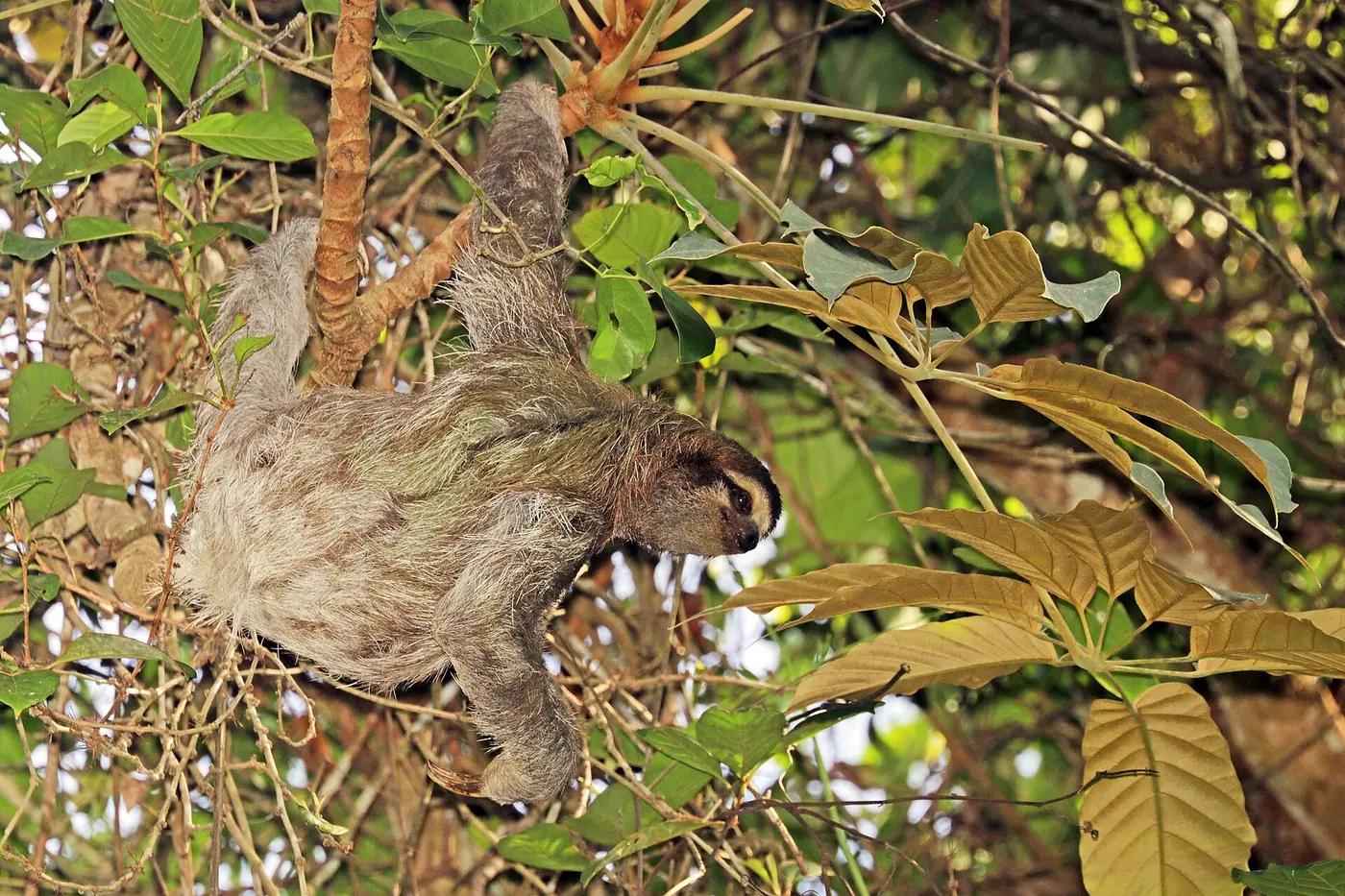
Some encounters feel gentle and are not. A brown-throated three-toed sloth is so slow that holding one seems kind; in reality the animal is removed from its tree, passed between strangers all day, and does not show stress the way a dog would, so people assume it is calm. Sloth selfies are a documented trade in parts of Central and South America, and the animals rarely survive it long.
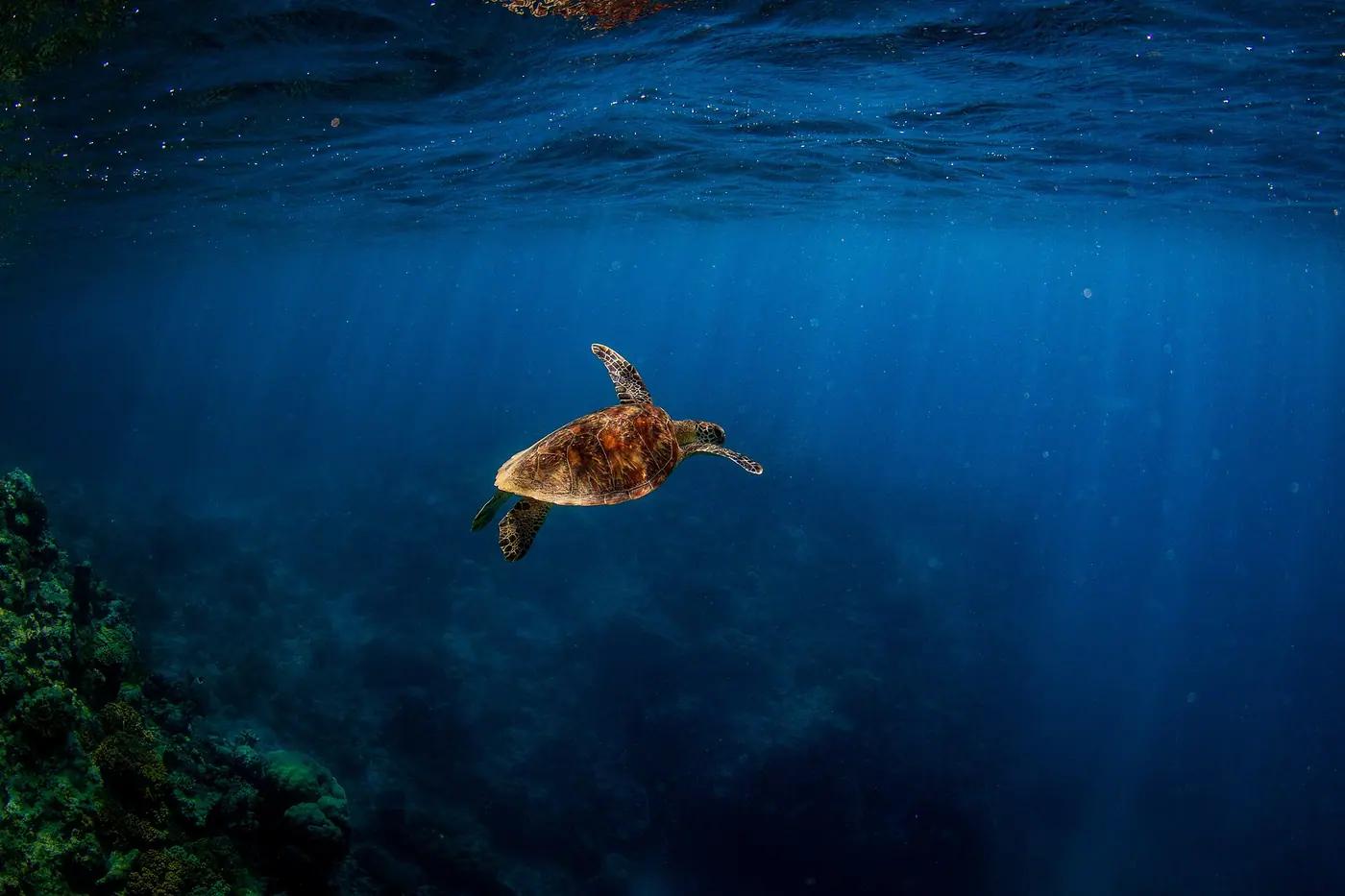
The slow loris is worse. It is nocturnal, the only primate with a venomous bite, and the ones offered for photos on tourist streets typically have had their teeth clipped, which is why they can be handed to you. Every loris you hold on a beach road came out of the forest illegally. Sea turtles are a third case: a green sea turtle, with a shell up to about a metre and a weight that can exceed 150 kg, is listed as Endangered by the IUCN, and touching, riding, or crowding one at the surface or on a nesting beach is illegal in many countries and harmful everywhere. Watch from the water's edge or a boat at a respectful distance, with no flash and no white light on a nesting beach.
The common thread is handling. If any animal is in a human's hands, the experience has already failed, whether the operator is cruel or just careless.
Three-toed SlothGreen Sea Turtle
Questions to ask any operator
These work for a hotel desk, a street booth, or an app listing. Short, plain answers are the good sign.
Will anyone touch, feed, or call the animals?
The only acceptable answer is no. Anything else, including 'only a little', is the staged model.
Where does it happen, and is it public or permitted?
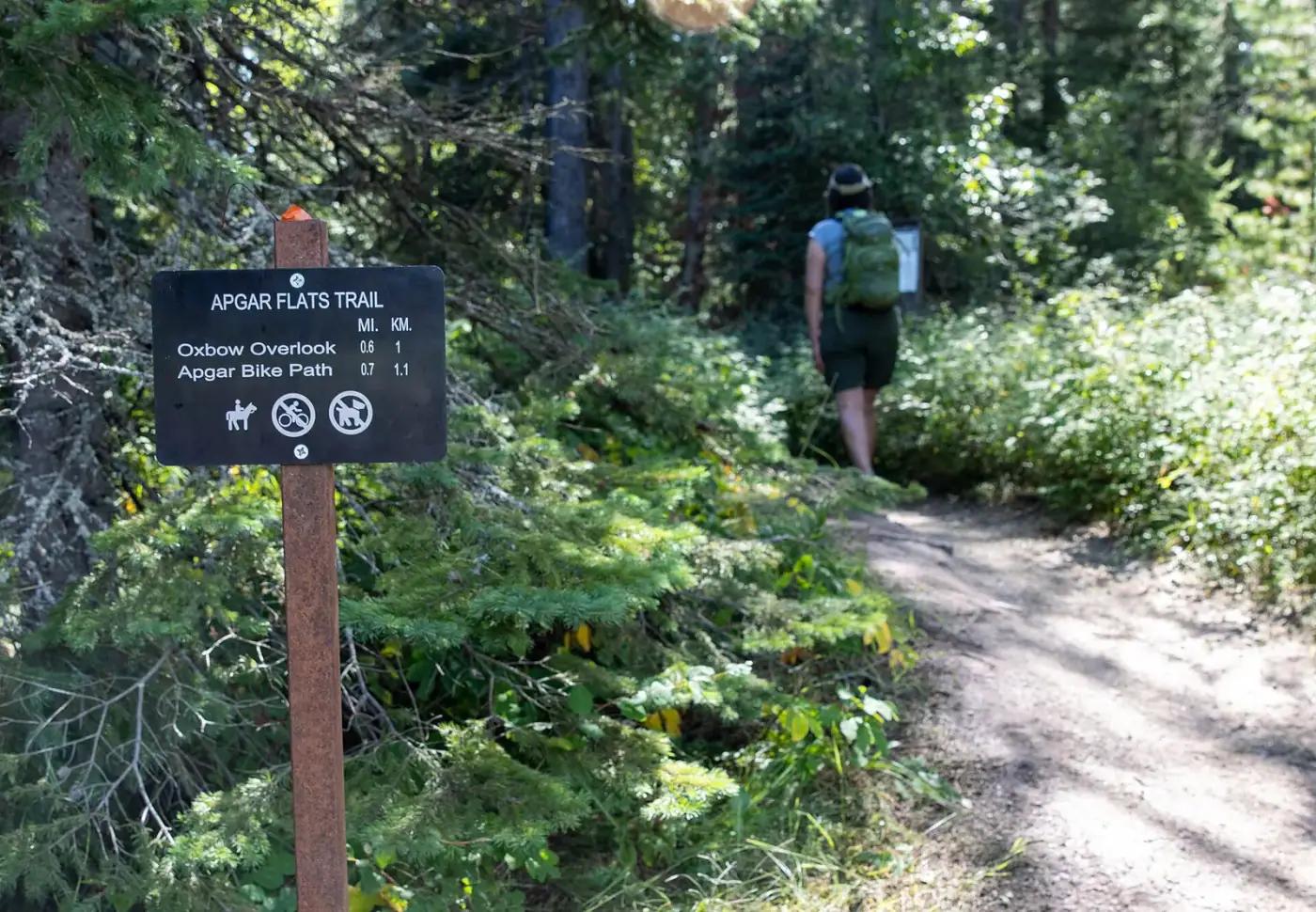
A reserve, a beach, a river path, a forest trail with permission. A compound, a cage, or a 'sanctuary' that lets you hold animals is not it.
What is likely at this time of year?
You want a seasonal answer, including what is unlikely. Nesting, migration, and rain all change the cast.
How big is the group and who leads it?
A named local Guide and a small cap. A minibus and a rota of drivers is a different product.
What do I pay, to whom, and when?
Transparent per-person pricing paid to the person leading you. Deposits to a third party need refund terms in writing.
What do you do if an animal is disturbed?
A good operator has an answer: back off, stop, move on. A bad one has never thought about it.
What an AnimalDex virtual guide does and does not do
AnimalDex does not list, book or run tours. Its Wildlife Guides are virtual: a guide to a place, built from the wild animals its author logged there. A buyer gets the author's notes on every animal (where, when and how they found it), a direct chat with the author, and introductions to local people the author met, where they can help. Buying is coming soon.
A virtual guide is advice from someone who has been there, not a tour. The author is not with you, and wildlife is never guaranteed. Any local guide or operator the author introduces is independent of AnimalDex; agree terms with them directly. Ask any operator the questions above before you pay them.
If the animal is in a human's hands, the experience has already failed.
How buying a Wildlife Guide worksWhat makes a great ethical Wildlife Guide
Do not invent a city page in your head
If there is no virtual guide for the place you are visiting, there is not a hidden one. Guides only exist where someone has logged enough wild animals to make one. Use the app for your own sightings, apply the table and the questions above to whatever is on offer, and be willing to walk away with no booking at all.
Virtual Wildlife Guides on AnimalDex
Log what you actually saw
A travel log of real sightings is the honest souvenir. Take live captures in AnimalDex from where you stood, let the app identify the species, and keep the time and the general place; captures are live in-app photos, so a gallery upload later is not the same record. A sloth seen high in a cecropia from a trail and a turtle seen surfacing from a boat are better entries than any held-animal selfie, and they are the only kind you will not regret.
Best types of wildlife activitiesWildlife photography companion app
Pertanyaan singkat
Jawaban ringkas untuk pertanyaan yang paling sering muncul pada topik ini.
- What is an ethical wildlife experience?
- One where wild animals are watched at a distance, in their own habitat, at the time they are naturally active, with no feeding, calling in, handling, or riding. The product is knowledge and patience, sightings are described as possible rather than guaranteed, and a small group is led by a named local guide on public or permitted ground.
- Is it OK to hold a sloth for a photo?
- No. Sloths offered for selfies are taken from the wild, passed between strangers all day, and show stress in ways people do not read, so they seem calm when they are not. Many do not survive the trade for long. See sloths in trees from a trail with a Guide, and leave if anyone offers to hand you one.
- How do I know if a wildlife tour is ethical before booking?
- Ask whether anyone will touch, feed, or call the animals; where it happens and whether that is public or permitted; what is realistic this season; how big the group is; and what you pay to whom. Guarantees, photo-with offers, and feeding spots are the tells of a staged encounter. Short plain answers are the good sign.
- Can I touch or swim with sea turtles?
- Watch, yes; touch or chase, no. Green sea turtles are listed as Endangered, and touching, riding, or crowding them is illegal in many places and harmful everywhere. Keep your distance in the water, never block a turtle's path to the surface, and use no white light or flash on a nesting beach.
- Does AnimalDex have wildlife tours in every city?
- No. AnimalDex does not run or book tours anywhere. Its Wildlife Guides are virtual guides to places where someone has logged wild animals, so many places have none. Use the app for your own sightings there, and apply the same ethical checks to any operator you find.
Hewan yang disebut
Lompat dari artikel ini ke halaman spesies di balik contoh, catatan systems, dan referensi field guide.
Panduan jawaban terkait topik ini
Kalau kamu ingin perbandingan langsung dan rekomendasi yang jelas, lanjutkan ke halaman jawaban berikut.
Best Animal Identification Apps
Compare the best animal identification apps by features like photo/video identification, species coverage, collection capabilities, offline use, and more.
What Is Animal Collecting
Learn what animal collecting means in modern apps and how AnimalDex turns real-world sightings into cards, sets, rarity, and species learning.
Pokemon-Like Animal App
Looking for a Pokemon-like animal app with real species? AnimalDex combines creature-collection energy with AI scanning and wildlife learning.
Panduan terkait
wildlife-experiences
How to Choose a Local Wildlife Guide
How to choose a local wildlife guide: the facts a listing should show, questions to ask, group size, honesty about sightings, and where AnimalDex fits.
7 menit baca
Best Types of Wildlife Activities for Animal Lovers
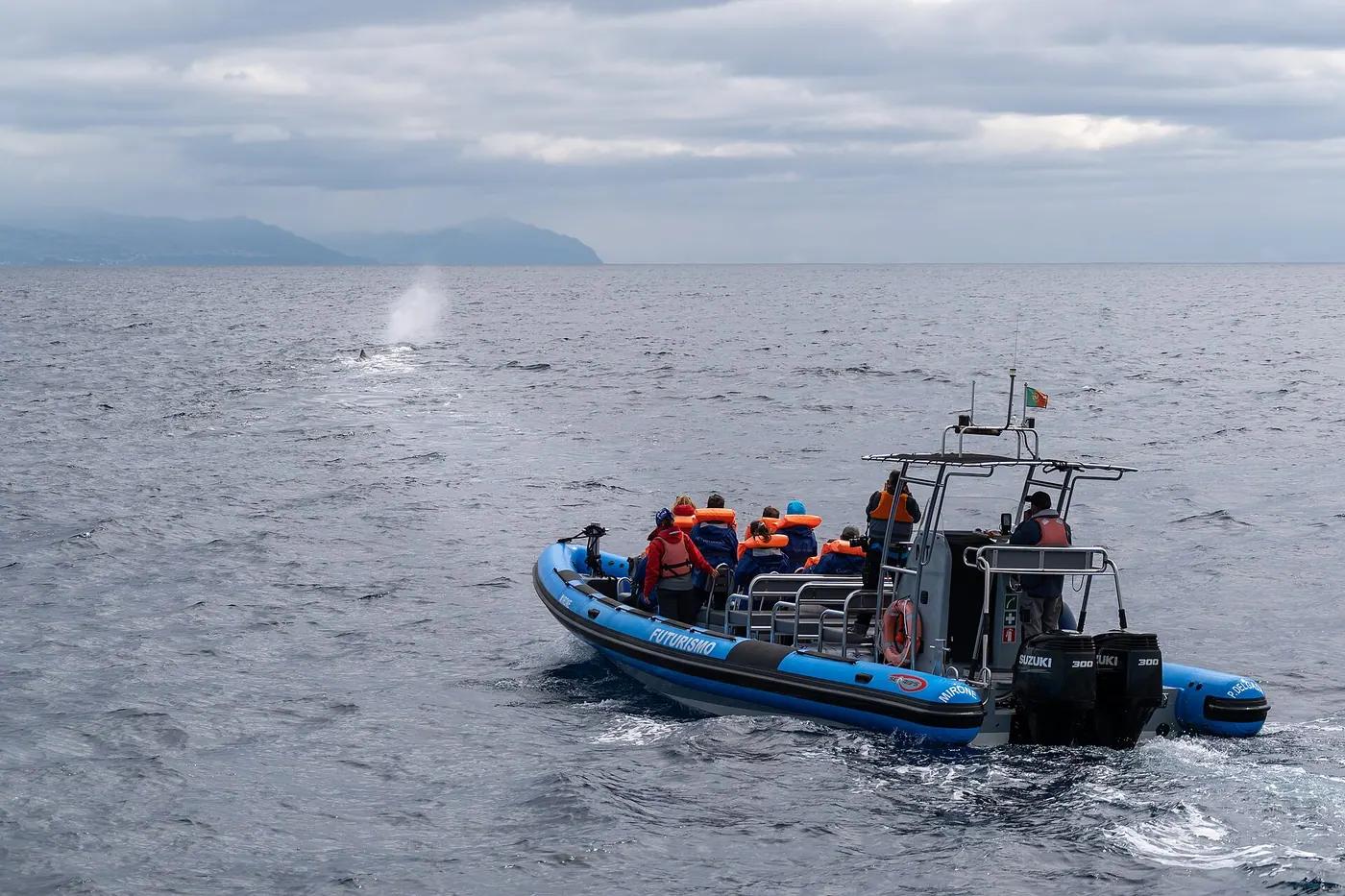
Birding, herping, night walks, macro, shore time, and photography outings compared: what each is like, when to go, what to bring, and which listings match.
7 menit baca
Wildlife Photography Tours: What to Look For
What to look for in a wildlife photography tour: honest listings, questions to ask, ethics behind the lens, realistic subjects by season, and kit.
7 menit baca