

snakesreptile photographyorganization
How to Organize Snake and Reptile Photos by Species
Sort snake and reptile pictures by honest identity, not trip folder: lookalike groups, the features that separate them, when to stop at genus, and setting.

Trip folders hide lookalikes
Bali snakes and Florida snakes in one dump is how pit vipers and harmless mimics get filed under the same guess. A folder named by trip holds everything you saw in one place, which is the opposite of what identification needs: all the similar animals together so the one feature that separates them is in front of you. Index by identity first, and let the trip become a field on the record rather than the drawer it lives in.
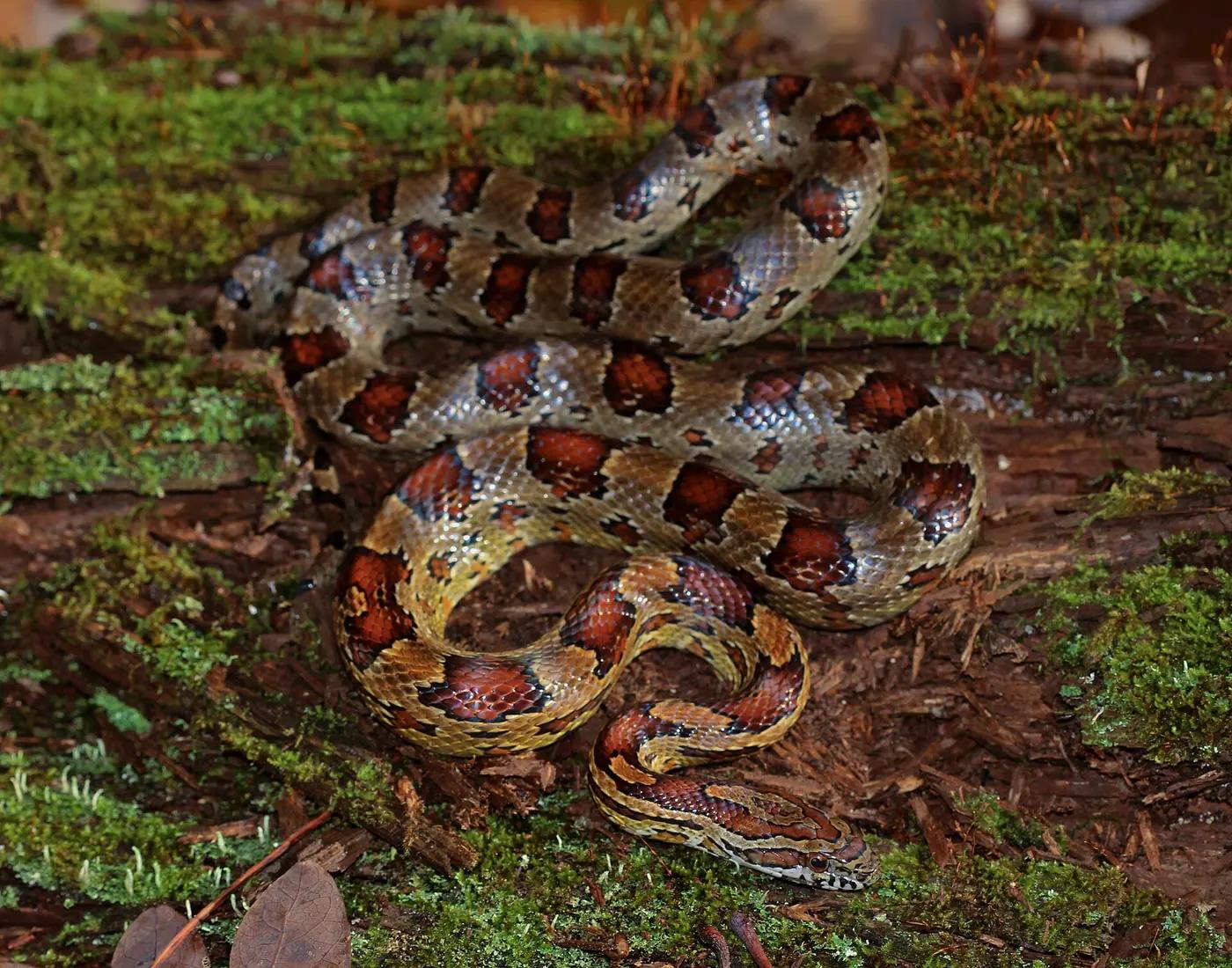
Reptiles punish this more than birds do. Pattern varies within a species, colour changes with age and shed cycle, and a juvenile is often a different-looking animal from the adult. A corn snake and a juvenile rat snake, a milk snake and a coral snake, a harmless water snake and a cottonmouth: each pair has been misfiled by careful people.
Sort by lookalike group before you sort by species
Work in three passes, each one over the whole archive.
Pass 1: coarse group
Snake, lizard, turtle or tortoise, crocodilian. Then within snakes: vipers and pit vipers, colubrids, elapids, boas and pythons, as far as you can tell. This takes seconds per photo.
Pass 2: lookalike cluster
Within a group, pile the ones that could be confused for each other: all the banded red-black-yellow snakes, all the plain brown terrestrial snakes, all the blotched juveniles. Resolve each pile with a regional guide open.
Pass 3: species or honest stop
Name each photo to the level the frame supports and write the feature that decided it. Keep genus-level names where the diagnostic character is not visible.
The features that actually separate snakes in a photo
Overall impression is what gets people into trouble. These are the characters that resolve most lookalike pairs, and the ones to zoom in on in a full-resolution file.
| Pair often confused | Decisive feature in a photo | Note |
|---|---|---|
| Milk snake vs coral snake (North America) | Band order: red touching black (milk) vs red touching yellow (coral), plus snout colour | The rhyme is reliable only in the United States; it fails on many Latin American coral snakes |
| Adder vs grass snake vs smooth snake (Europe) | Vertical pupil and zigzag (adder); yellow collar and round pupil (grass); dark eye stripe and plain brown (smooth) | Black adders exist; rely on the pupil, not the zigzag |
| Water snake vs cottonmouth (southeast US) | Cottonmouth has a heavy, blocky head, a facial pit, and often swims with body high on the water | Head shape alone is unreliable; harmless snakes flatten their heads when threatened |
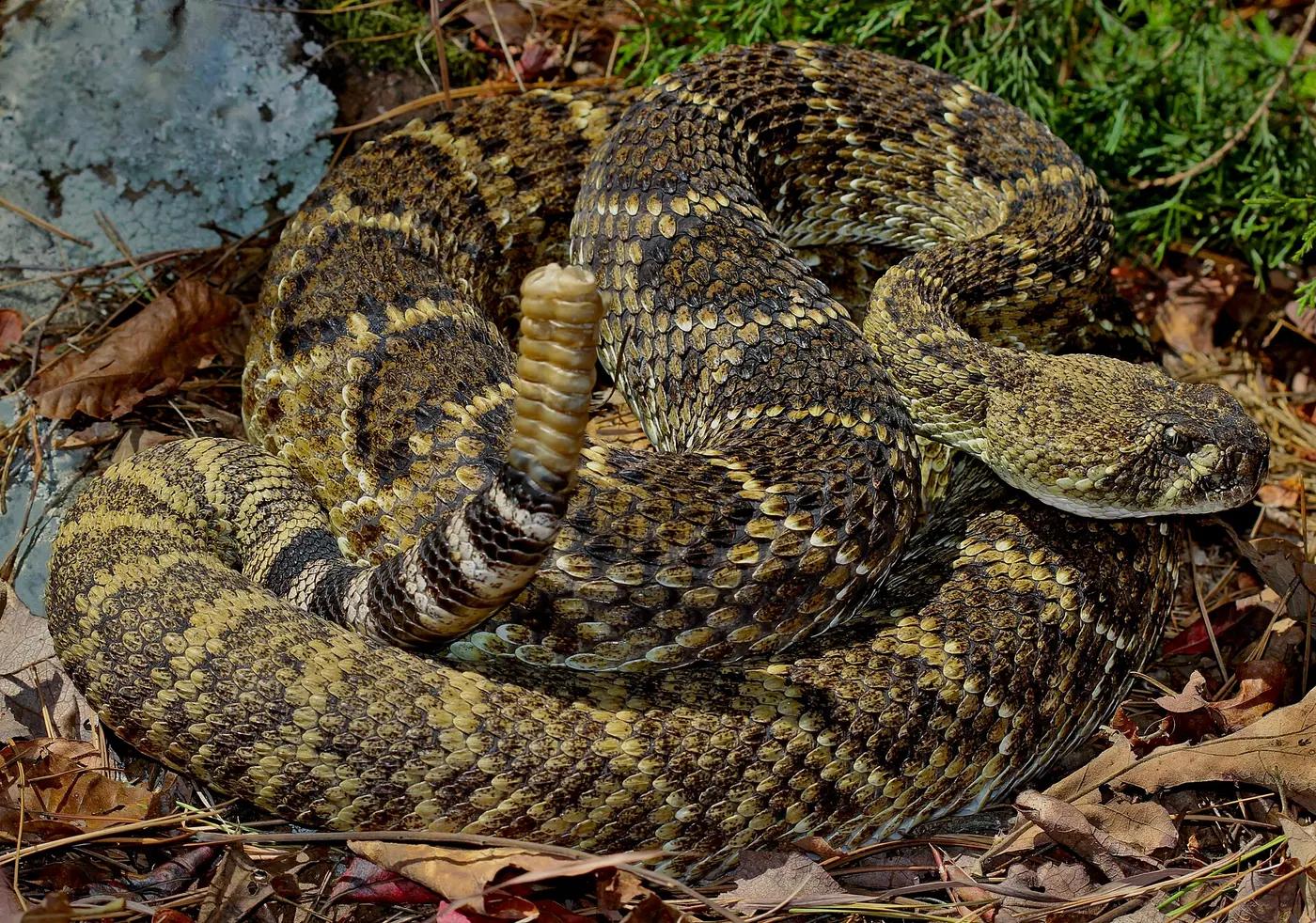
| Rattlesnake vs gopher snake or bullsnake | A rattle (or button in juveniles), vertical pupil, facial pit | Gopher snakes hiss and shake the tail in leaf litter to mimic a rattle |
| Corn snake vs juvenile rat snake | Spear-point mark on the head and checkerboard belly (corn); juvenile rat snakes lose their blotches with age | Location narrows it fast |
When to stop at genus
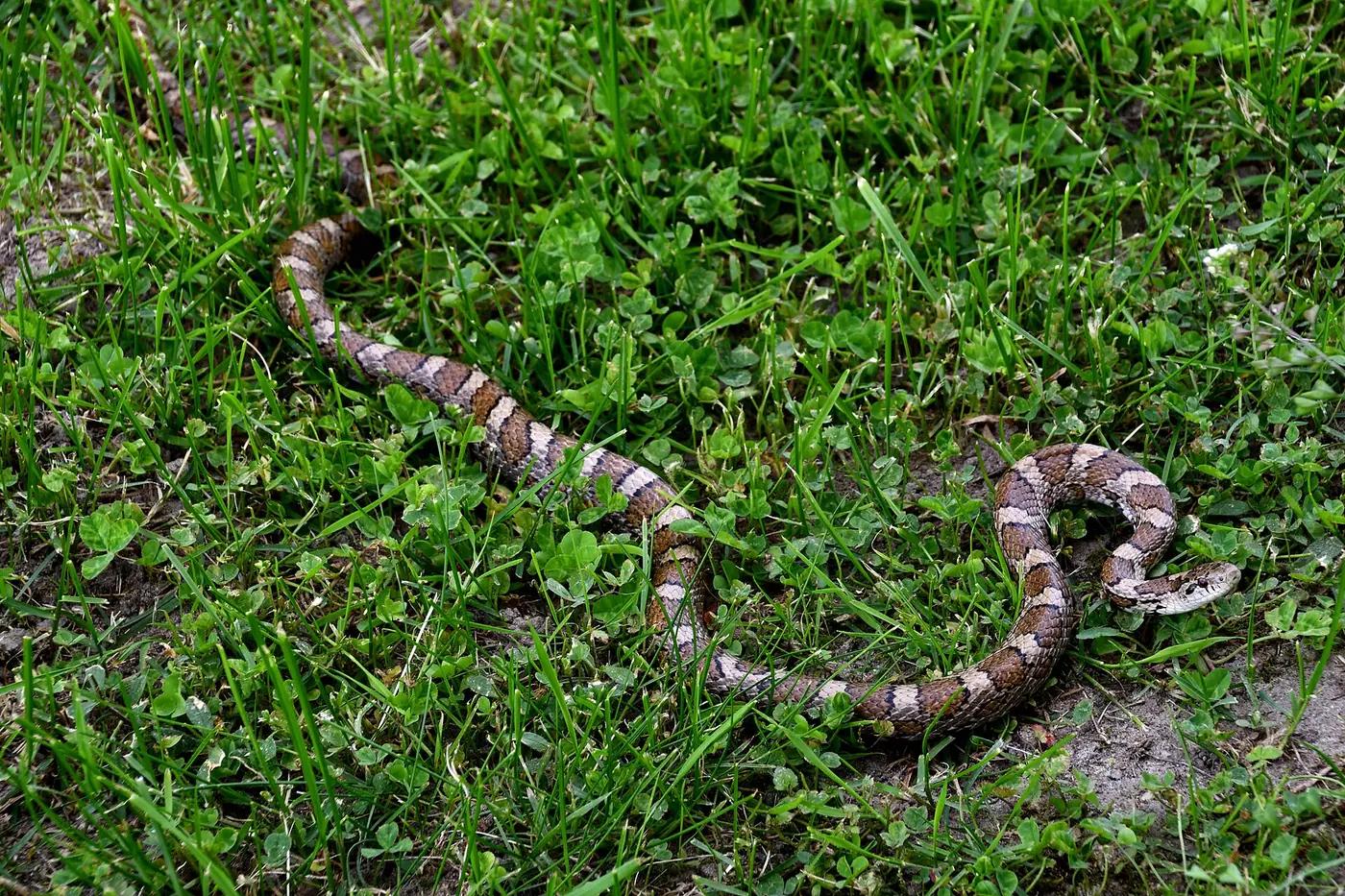
A photo that does not show the deciding feature does not support the species, and the right record is the genus with the feature you could see. “Rattlesnake (Crotalus), rattle visible, pattern obscured by grass, Arizona” is an honest and useful line. “Western diamondback” on the same photo is a coin toss dressed as a fact. Garter snakes, rat snakes in regions where several overlap, small brown snakes, and most skinks and geckos from a phone photo at night are common genus-level stops.
The upgrade path keeps the list honest. A genus-level entry with a place and a date is something you can go back and improve; a wrong species name gets copied into your life list and defended by habit.
Setting: wild, captive, or somebody's pet
Reptile archives mix settings more than any other group, because so many species are kept. A ball python on a friend's hand, a reticulated python at a zoo, a corn snake in a classroom tank and a wild corn snake under a Florida board are four records with four settings, and only the last is a wild encounter. Tag the setting before the identity if you have to choose, because a captive animal filed as wild corrupts every list and map downstream. Keep escaped and released pets as captive-origin records; a Burmese python in the Everglades is an established introduced population and is tagged that way instead.
Reticulated PythonBurmese Python
Import is review, not magic
If the snakes already live on Instagram, AnimalDex can scan a compatible professional account for animal posts and queue each one for review. You confirm the species or group, the historical place and the setting before the original media becomes an archive entry in your Dex. The app will not invent a species-level identification to make the grid prettier, and it will not promote a “rattlesnake” to a diamondback because the card looks better. Archive items from the feed and live captures made in the field are labelled differently; both count for the life list.
Keep precise sites of snakes out of anything public. Snakes are collected and killed when locations become known; the coarse place is the public record, and the exact one stays in your own journal.
Index by identity first, and let the trip become a field on the record rather than the drawer it lives in.
Pertanyaan singkat
Jawaban ringkas untuk pertanyaan yang paling sering muncul pada topik ini.
- How do I identify a snake from a photo?
- Zoom in on the deciding characters rather than the overall look: pupil shape, the presence of a facial pit or rattle, band order and snout colour on banded snakes, head and neck markings, and the place it was photographed, which rules most species out. If the deciding feature is not visible, record the genus and note the features you could see.
- What is the best way to organize snake photos?
- Sort the whole archive into lookalike groups first (banded, plain brown, blotched juveniles) and resolve each group with a regional guide open, then file by species or honest genus with the trip, place and setting as fields on each record. Trip folders hide lookalikes; identity-first indexing exposes them.
- Is the “red touches yellow” rhyme reliable?
- Only within the United States, where it separates coral snakes from milk and king snakes most of the time. It fails on many Central and South American coral snakes and on aberrant individuals. Treat it as a first check, not a rule, and never handle a banded snake on the strength of a rhyme.
- Should pet and zoo reptiles be in my collection?
- They can be, tagged as captive and kept out of the wild list. Reptile archives mix settings more than any group because so many species are kept, and one captive corn snake filed as wild corrupts the range data downstream. Established introduced populations, such as Burmese pythons in Florida, are tagged introduced rather than captive.
- Can AnimalDex import my snake photos from Instagram?
- Yes, from a compatible Instagram professional account. It scans for animal posts and queues candidates, and you confirm species or group, historical place and setting for each before the original media becomes an archive entry. It keeps genus-level identities when the photo does not support a species rather than inventing one.
Hewan yang disebut
Lompat dari artikel ini ke halaman spesies di balik contoh, catatan systems, dan referensi field guide.
Panduan jawaban terkait topik ini
Kalau kamu ingin perbandingan langsung dan rekomendasi yang jelas, lanjutkan ke halaman jawaban berikut.
Best Animal Identification Apps
Compare the best animal identification apps by features like photo/video identification, species coverage, collection capabilities, offline use, and more.
What Is Animal Collecting
Learn what animal collecting means in modern apps and how AnimalDex turns real-world sightings into cards, sets, rarity, and species learning.
Pokemon-Like Animal App
Looking for a Pokemon-like animal app with real species? AnimalDex combines creature-collection energy with AI scanning and wildlife learning.
Comparisons terkait
Lanjutkan ke halaman comparison animal-vs-animal terstruktur yang terhubung dengan spesies di panduan ini.
Python vs Cobra: Who Would Win in a Fight?
King cobra has the edge if it lands the first clean venom strike at range. Python has the edge once it turns the fight into body contact and constriction.
Reticulated Python vs Alligator Snapping Turtle: Who Wins?
Reticulated python gets the slight overall edge because it can pressure from more angles and potentially secure positional control. Alligator snapping turtle remains a severe danger because the shell limits clean access and the bite trap punishes bad commitment.
Reticulated Python vs Green Anaconda: Who Would Win?
Reticulated python gets the length and land-flexibility edge. Green anaconda gets the heavier water-power edge. The real answer depends heavily on whether the fight is mostly terrestrial or mostly aquatic.
Reticulated Python vs Polar Bear: Who Would Win in a Fight?
Polar bear gets the overwhelming overall edge because the body-size gap and direct-contact violence are too steep. Reticulated python only becomes serious through perfect wrap geometry before the bear can fully express its strength.
Panduan terkait
herping
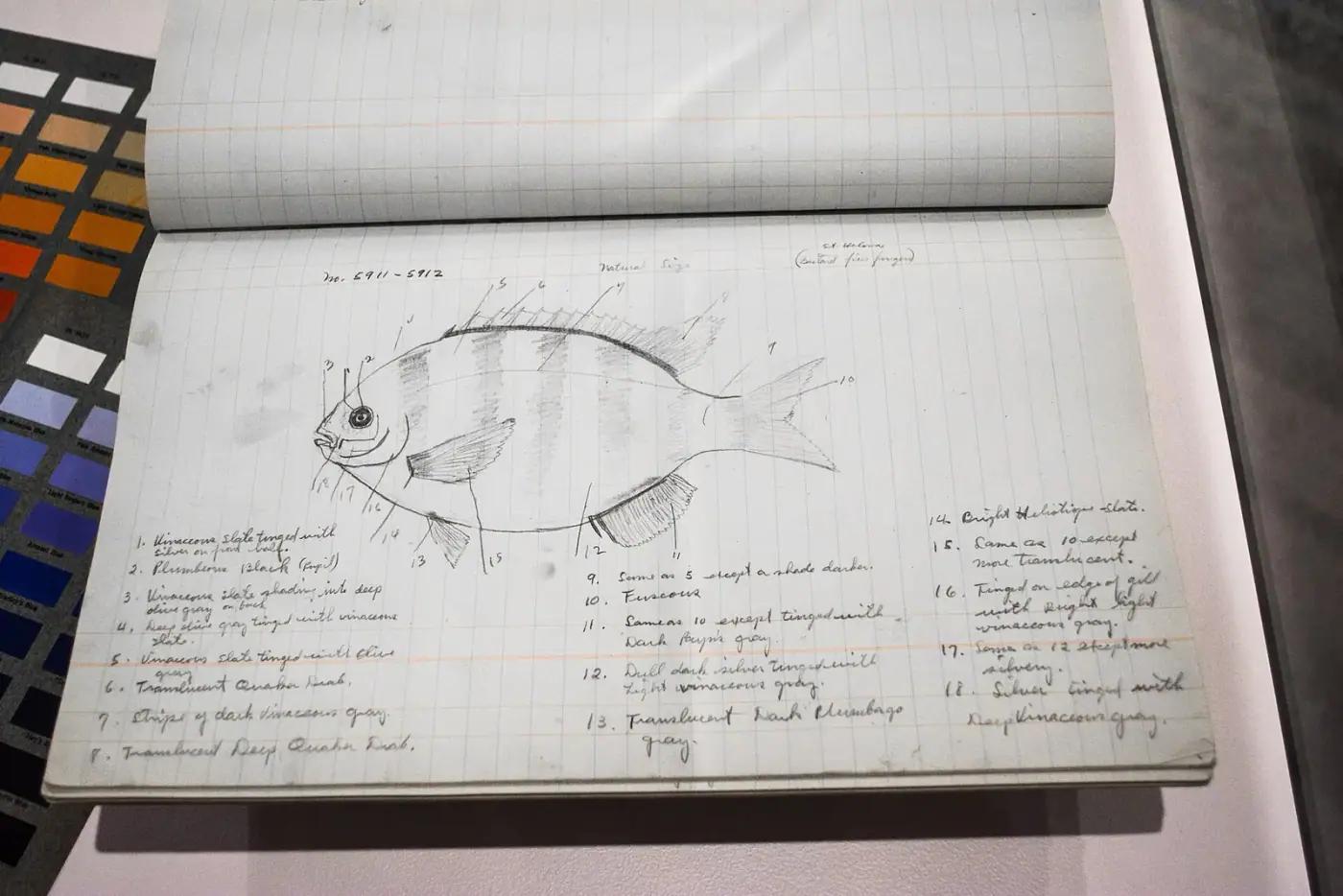
How to Keep a Herping Field Journal
What to record after a snake, lizard or frog find: temperature, time, substrate, behaviour and an honest ID, without handling or disturbing the animal.
5 menit baca
Turn Years of Herping Photos Into a Searchable Collection
Bring night herps, road finds and frog choruses out of Instagram and a camera roll into a species-indexed collection you can actually query.
5 menit baca

How to Build a Reptile and Amphibian Life List
A herp life list that allows group-level entries, records historical places and conditions, and brings older Instagram finds in after review.
4 menit baca