

life listherpingamphibians
How to Build a Reptile and Amphibian Life List
A herp life list that allows group-level entries, records historical places and conditions, and brings older Instagram finds in after review.

Lists fail when they demand false precision
Birders have an advantage: most birds can be identified to species from a decent photo. Herpers do not. Many reptiles and amphibians are separated by scale counts, by a single head scale, by a call, or by range alone, and some groups are hybrid complexes that specialists argue about. A life list that forces a binomial on every line will fill with guesses. A list that can hold “wall lizard (Podarcis)” or “water frog (Pelophylax)” and upgrade later is more useful and more honest.
The goal of a herp life list is the same as any other: one line per taxon you have encountered, with the first date and place and the evidence attached. The difference is that the taxon is allowed to be a genus.
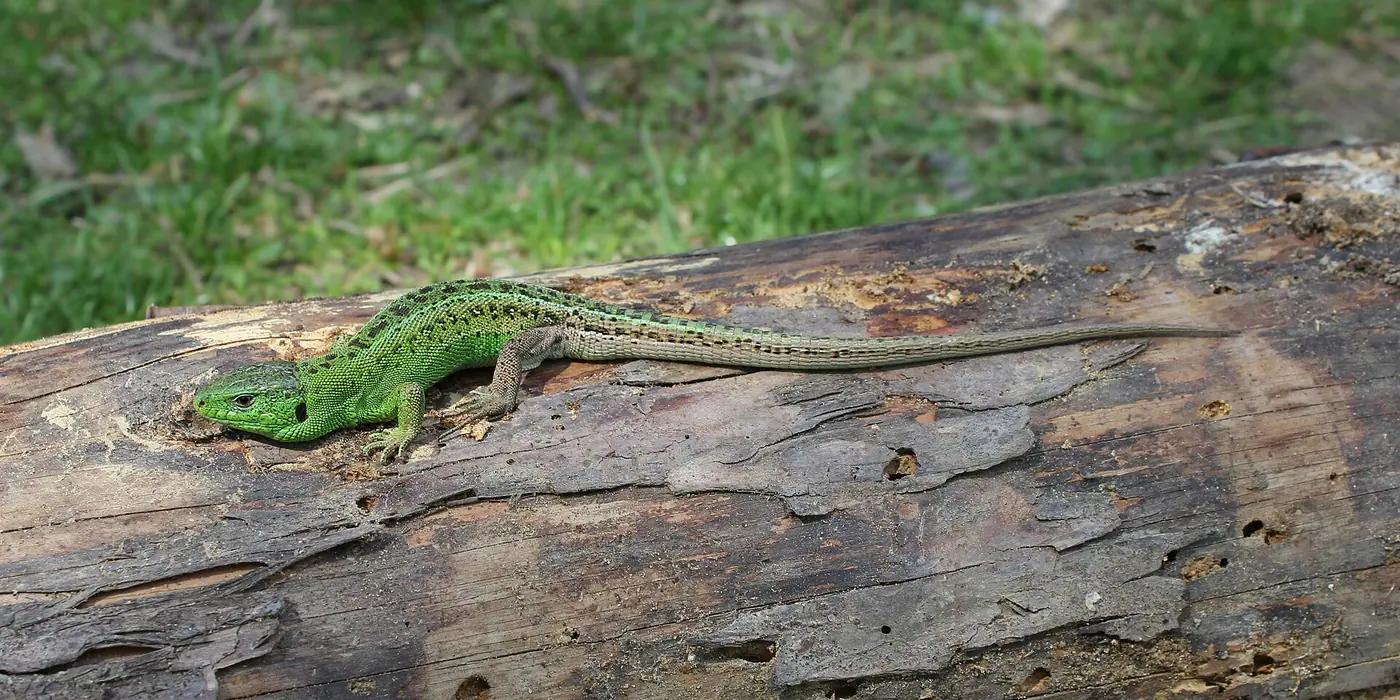
Set the rules once
Decide these before the first entry and write them at the top of the list.
Wild and captive stay separate
A leopard gecko on a friend's shelf is not a life-list record. Tag every entry wild, captive or introduced; keep captive encounters in their own list if you want them at all.
Evidence is a photo or a recording
A frame showing the diagnostic feature, or an audio clip of a call, which for many frogs is the only field-identifiable character.
Life stage counts
Egg masses, tadpoles and larvae are encounters, but mark the stage. A spotted salamander egg mass is a real record; it is not an adult.
Dead on road counts, marked
Road-killed animals are legitimate distribution records and are how many rare snakes are found. Record them with the stage “DOR” and never dress them up as live finds.
Group-level lines are allowed
“Garter snake (Thamnophis)” is a line. It is upgraded, not duplicated, when a species-level photo arrives.
Groups where stopping at genus is the honest entry
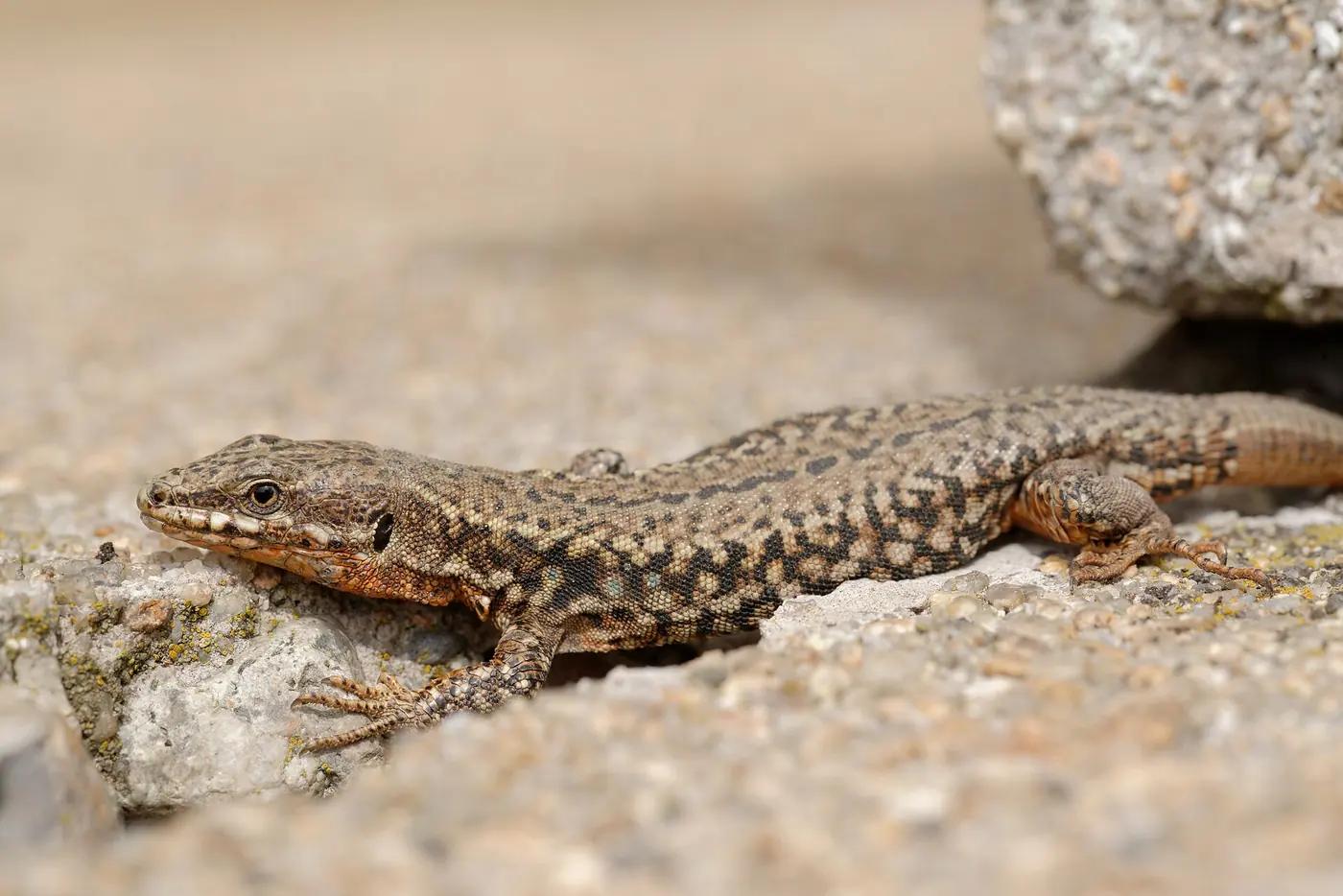
Some groups will sit at genus on most lists for a long time, and that is correct. European water frogs (pool frog, marsh frog and their hybrid, the edible frog) form a complex that is reliably separated only by call and sometimes by genetics. Small brown newts in a torch beam, juvenile wall lizards across the Mediterranean, North American garter snakes with their stripe variation, and dusky salamanders in the Appalachians all resist field identification from a single photo. Record the genus, the feature you could see, and the place, which often narrows the candidates more than the picture does.
The upgrade path is the point. A genus-level line with a place and a date is something you can go back for with better light and a closer lens; a wrong species-level line is something you will defend by accident for years.
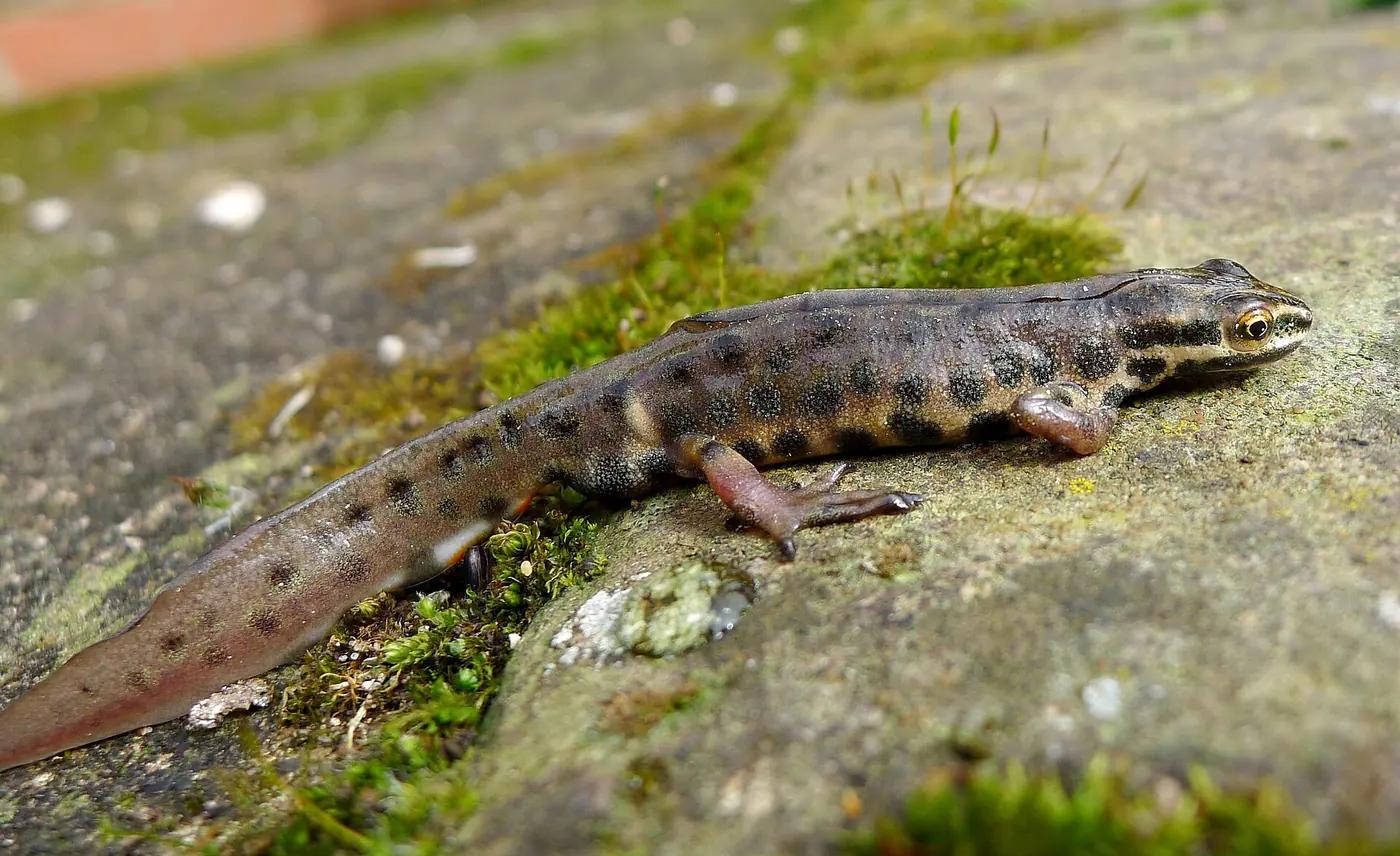
Smooth NewtPool FrogMarsh Frog
What each entry should carry
A herp list entry has two extra fields a bird list does not need: the conditions and the cover. Both are how the list becomes predictive.
| Field | Example | Why it matters |
|---|---|---|
| Taxon and confidence | Podarcis muralis; species certain | Separates a defended name from a hope |
| First date and time | 2024-04-12, 11:15 | Season and hour define herp activity |
| Place and precision | Old town walls, Dubrovnik, within 50 m | Range records need a precision to be useful |
| Setting | Wild | Captive records contaminate everything downstream |
| Air temperature and weather | 18 °C, sunny after rain | The conditions you will look for next time |
| Substrate or cover | Basking on limestone wall | Microhabitat is the most repeatable clue to finding a species again |
| Life stage | Adult | Larvae and egg masses are different records |
| Evidence | Photo from 2 m; no handling | The file that backs the name |
Old trips still count after review
Eligible Instagram posts can join the same list. AnimalDex scans a compatible Instagram professional account for animal posts and asks you to confirm species or group, a historical place and the setting for each one before it becomes an archive entry in your Dex. Review is the cost of bringing a night herp from 2018 into 2026 without inventing coordinates, and a candidate without a confirmed place stays out rather than being pinned to a guess. Archive items are labelled separately from live captures made in the field with the app; both count for the life list.
Herping field journalImport Instagram wildlife photos
Keep the list useful to the animals
A herp list is also distribution data, and distribution data for reptiles and amphibians is thin almost everywhere. Submit records to the scheme that covers your region: HerpMapper takes records worldwide and shares them with researchers while hiding precise locations from the public; national recording schemes and iNaturalist do the same for many countries. Keep precise sites private on your own public profile for any species that is collected or persecuted, which includes most snakes, all tortoises and many turtles, and move on from a find rather than returning daily. A list built this way is a credential, a planning tool and a small contribution to the maps that protect the places on it.
A genus-level line with a place and a date is something you can go back for. A wrong species-level line is something you will defend by accident for years.
Pertanyaan singkat
Jawaban ringkas untuk pertanyaan yang paling sering muncul pada topik ini.
- What counts on a reptile and amphibian life list?
- A wild encounter you can evidence with a photograph or, for calling frogs, a recording, recorded once per taxon with the first date and place. Captive animals belong on a separate list. Egg masses, larvae and road-killed animals are legitimate records if the life stage or condition is marked. Group-level entries are allowed and upgraded later.
- Can I add a frog to my life list if I only heard it?
- Yes, if you recorded the call, because for many frogs the call is the most reliable field character and the way surveys identify them. Store the audio as the evidence and mark the entry heard-only. A visual record can be added to the same line later; it does not create a second entry.
- How do I identify a newt or lizard I only saw briefly?
- Record the genus and the feature you could see rather than guessing the species. Smooth and palmate newts, juvenile wall lizards and garter snakes often cannot be separated from one photo. Note the place and conditions, which narrow the candidates, and go back with better light; the entry is upgraded, not duplicated.
- Can old Instagram herping photos go on my list?
- Yes, after review. A compatible Instagram professional account can be scanned for animal posts, and each is reviewed for species or group, historical place and setting before it joins the list as an archive item. Posts you cannot place honestly stay out, and compressed photos often support the genus rather than the species.
- Should I share where I found a snake?
- Share the coarse place (region, county, reserve) and keep the precise site private. Snakes, tortoises and turtles are collected for the pet trade and persecuted when sites become known. Submit the precise record to a scheme like HerpMapper or a national recording programme, which protects locations while making the data available to researchers.
Hewan yang disebut
Lompat dari artikel ini ke halaman spesies di balik contoh, catatan systems, dan referensi field guide.
Panduan jawaban terkait topik ini
Kalau kamu ingin perbandingan langsung dan rekomendasi yang jelas, lanjutkan ke halaman jawaban berikut.
Best Animal Identification Apps
Compare the best animal identification apps by features like photo/video identification, species coverage, collection capabilities, offline use, and more.
What Is Animal Collecting
Learn what animal collecting means in modern apps and how AnimalDex turns real-world sightings into cards, sets, rarity, and species learning.
Pokemon-Like Animal App
Looking for a Pokemon-like animal app with real species? AnimalDex combines creature-collection energy with AI scanning and wildlife learning.
Panduan terkait
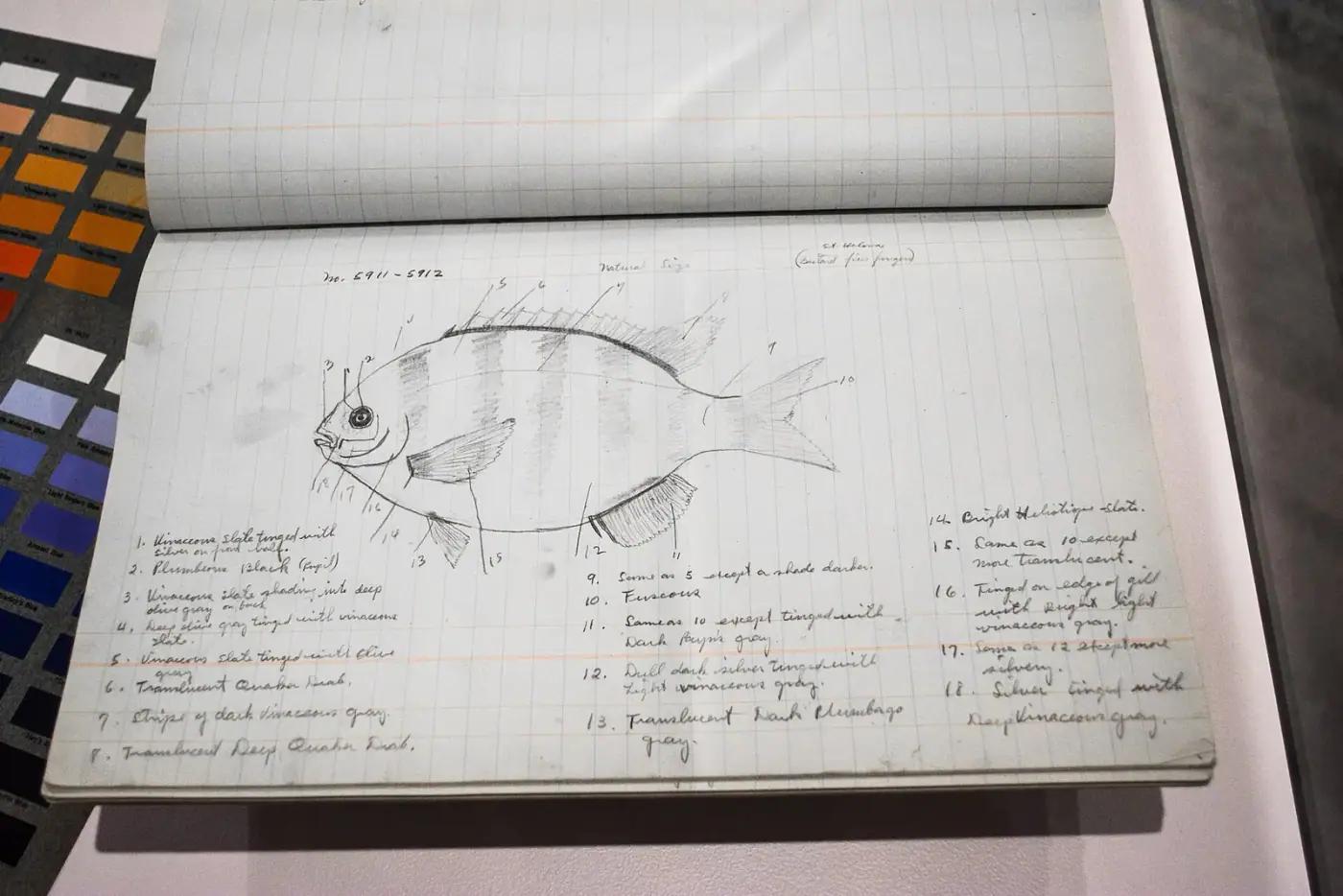
herping
How to Keep a Herping Field Journal
What to record after a snake, lizard or frog find: temperature, time, substrate, behaviour and an honest ID, without handling or disturbing the animal.
5 menit baca

How to Organize Snake and Reptile Photos by Species
Sort snake and reptile pictures by honest identity, not trip folder: lookalike groups, the features that separate them, when to stop at genus, and setting.
4 menit baca
Turn Years of Herping Photos Into a Searchable Collection
Bring night herps, road finds and frog choruses out of Instagram and a camera roll into a species-indexed collection you can actually query.
5 menit baca