

creator profilespecies
Build a Wildlife Creator Profile Around Species
A species-led public profile is readable by birders, herpers and editors and outlasts follower counts: what to include and how to keep it honest.
Show the animals, then the person
Other field people do not read a wildlife profile the way a brand does. A birder wants to know which species you have documented and where. A herper wants to know whether that viper was wild. An editor wants to know if you have the animal they need this week. None of them are asking how many followers you have.
A species-led profile answers those questions on the first screen: a list of documented animals, each with a place, a date and a setting. The person comes second, and that order makes the profile useful to strangers instead of flattering to friends.
It also makes Instagram import useful. Old posts can fill the Dex that the profile displays, after review, so the profile reflects a decade of work rather than the months since you installed the app. Follower count changes with the algorithm. A documented list of animals does not.
What a species-led profile contains
The structure is simple and it is the same whether the profile is a page in AnimalDex, a portfolio site or a printed list. Each element below is something another field person will check.
Species list
Every animal you have documented, with group-level entries where a species name would be a guess.
Wild or captive
Setting on every entry. A zoo gaboon viper and a wild one are different records and different achievements.
Places
Where, at the resolution you are comfortable publishing. Coarse for sensitive species, precise for a city park pigeon.
Dates and seasons
A hummingbird in April and the same species in September tell a migration story; a date makes that visible.
Best encounter per species
One representative image, chosen for natural history rather than likes.
Evidence
Original media behind every entry. A list without photographs is a claim, not a record.
A hummingbird is a better headline than a follower count
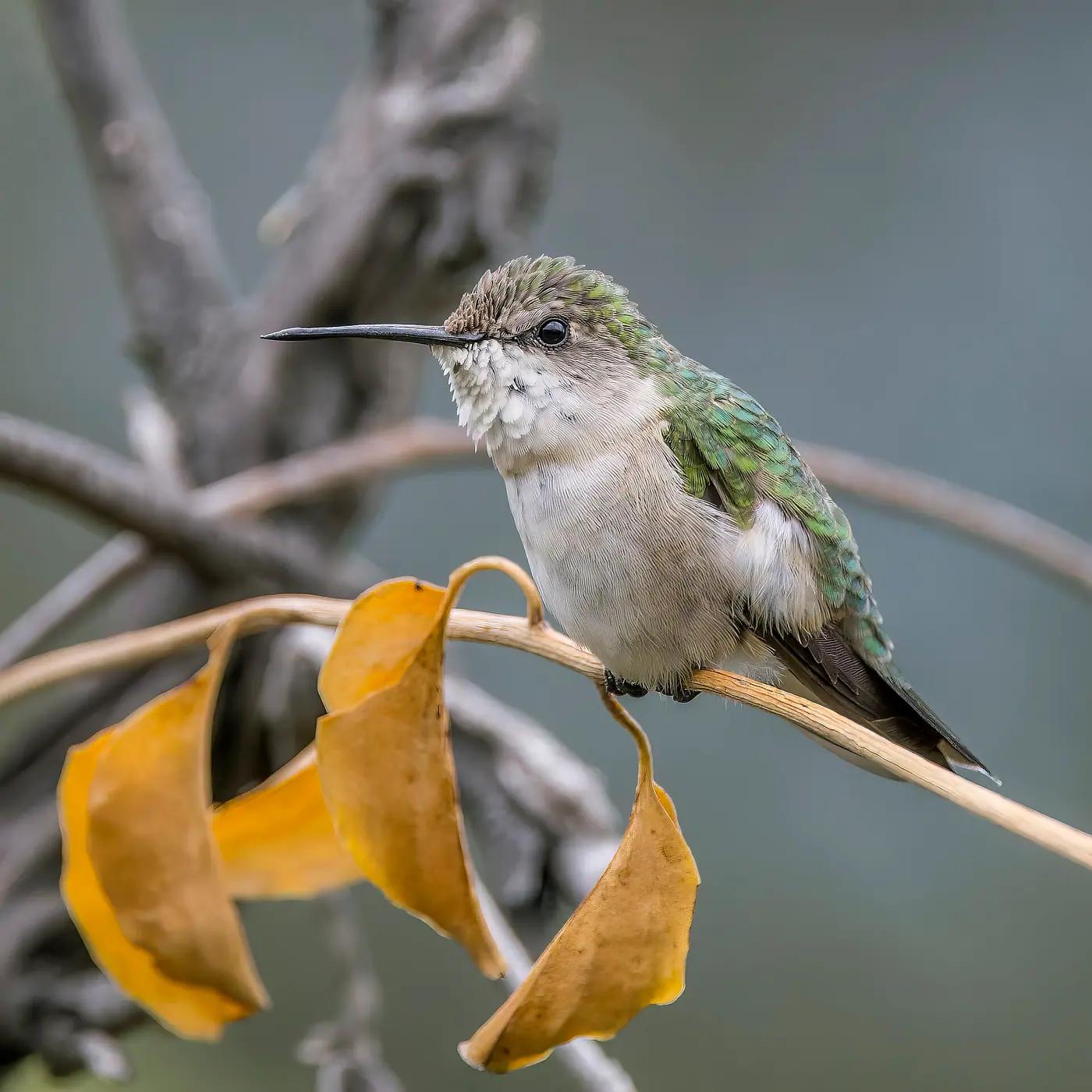
Take the ruby-throated hummingbird. It weighs about 3 g, beats its wings roughly 50 times a second, and each autumn many individuals cross the Gulf of Mexico non-stop, a flight of around 800 km on fat reserves alone. Documenting that species in spring arrival, summer nesting and autumn fattening at a feeder is a story about one bird that no follower count can tell.
That is the content of a species-led profile: not how many people watched, but what you saw and when. Three seasons of one species, honestly dated and placed, is a stronger credential to a magazine or a tour operator than any engagement figure, because it is verifiable and specific.
Three seasons of one species, honestly dated and placed, beats any engagement figure.
Public does not mean promotional fiction
Imported posts may publish to Discover. That is why location, species, setting and an accuracy confirmation sit in front of import, not after it. A public species portfolio is still a wildlife record, and the standards that apply in the field apply on the profile.
Three habits keep it honest. Disclose captive animals, every time; most competitions require it and other field people will notice if you do not. Coarsen locations for nesting birds, roosting owls and heavily collected herps, because a public profile is also a map. And leave uncertain identifications at group level rather than upgrading them for a cleaner card. The American Birding Association's code of birding ethics starts with the welfare of birds and their habitat; a profile that publishes a nest site for reach has got the order wrong.
Fill the profile from the archive, then from the field
Connect a compatible Instagram professional account and AnimalDex finds the animal posts. Review each: confirm identity, confirm the historical place, confirm the setting, flag posts with several animals. Eligible posts join the Dex with their original media, and the profile shows them.
From then on, new encounters are live captures taken in the app in the field. Creator Rewards is currently paused and was never earned by imported posts; Wildlife Guides are separate: virtual guides AnimalDex builds per place from your own wild sightings. The profile is worth building because it is the record other field people can read, not because of either programme.
Wildlife photography companionImport Instagram wildlife photosPublic species portfolio for photographers
Pertanyaan singkat
Jawaban ringkas untuk pertanyaan yang paling sering muncul pada topik ini.
- What should a wildlife photographer's profile include?
- A list of documented species with a setting (wild or captive), a place at a sensible resolution, a date, one representative image per species and the original media behind each entry. Lead with the animals; put the biography second. That order makes the profile useful to birders, herpers and editors who are checking what you have actually seen.
- Can I count zoo animals on a wildlife profile?
- You can list them, but mark them as captive. Birders' life-list rules exclude captive birds entirely, most photography competitions require captive disclosure, and other field people will treat an undisclosed zoo animal as a credibility problem. AnimalDex records setting (wild, zoo, farm, domestic) on every capture for exactly this reason.
- Should I publish exact locations on a public profile?
- Not for sensitive species. A public profile is also a map, so coarsen the location for nesting birds, owl roosts, rare plants and heavily collected reptiles and amphibians, and keep precise sites in private notes. A city park pigeon can carry its exact spot.
- Does a public AnimalDex profile earn Creator Rewards?
- No. Creator Rewards is currently paused, and when it ran it was tied to qualifying live contribution during open reward periods, not to imported posts or profile views. Wildlife Guides are separate: virtual guides AnimalDex builds per place from your own wild sightings. Neither is a promise of income.
Hewan yang disebut
Lompat dari artikel ini ke halaman spesies di balik contoh, catatan systems, dan referensi field guide.
Panduan jawaban terkait topik ini
Kalau kamu ingin perbandingan langsung dan rekomendasi yang jelas, lanjutkan ke halaman jawaban berikut.
Comparisons terkait
Lanjutkan ke halaman comparison animal-vs-animal terstruktur yang terhubung dengan spesies di panduan ini.
Panduan terkait
wildlife creator
How to Build a Public Species Portfolio as a Photographer
Build a public wildlife profile around species you have documented, with honest IDs, safe locations and the evidence attached, not follower counts.
4 menit baca
Why Wildlife Creators Need a Species Archive
A feed shows recent work. A species-indexed archive shows what you have actually documented, answers editors in seconds, and survives algorithm changes.
5 menit baca
How to Keep a Wildlife Photography Life List
How photographers keep a species life list that stays honest: what counts, how to handle uncertain IDs, where old archives fit, and which fields matter.
4 menit baca