

wildlife creatorarchiveInstagram
Why Wildlife Creators Need a Species Archive
A feed shows recent work. A species-indexed archive shows what you have actually documented, answers editors in seconds, and survives algorithm changes.
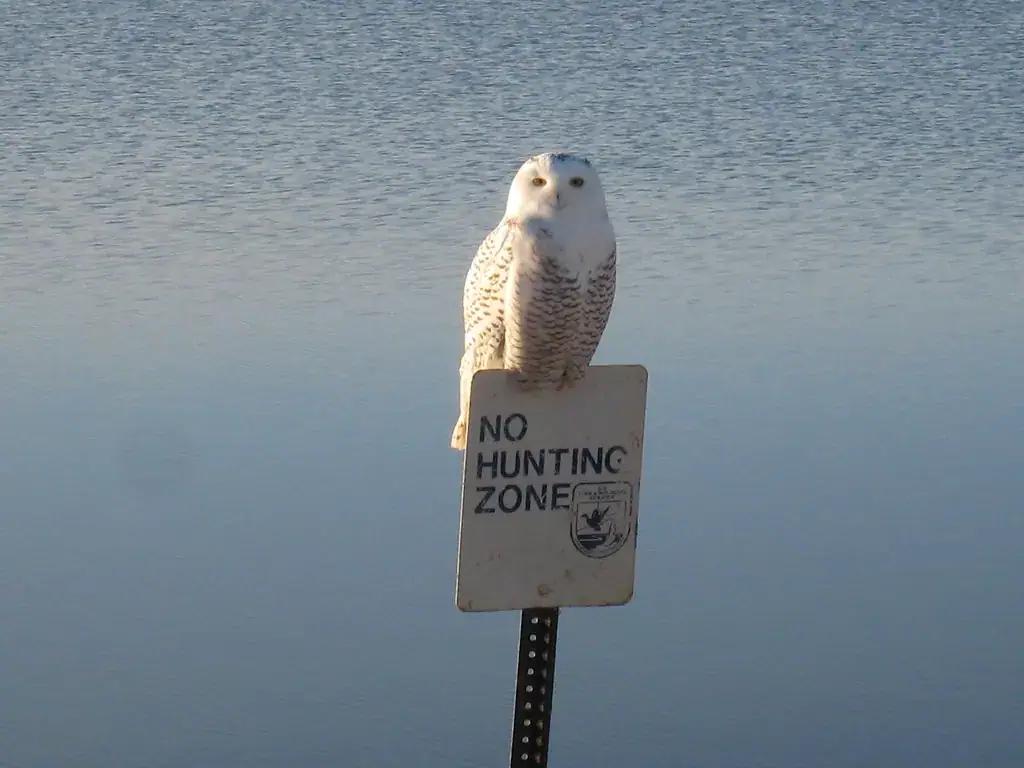
Algorithms are not librarians
A feed is sorted by recency and by what performed. It cannot answer the questions a working creator actually gets asked: do you have a great hornbill, how many viper species have you shot, which coasts have you covered. Scrolling a year of stories to find out is not a system.
Feeds are also rented. Hashtags change meaning, captions get edited, accounts get locked or lose reach, and a platform's search was never designed to find your own work by species. A species archive lets you answer which hornbills, which vipers, which coasts without opening the app at all.
Instagram import is how an existing body of posts can enter that archive. Each post is reviewed before it becomes a capture, so the archive starts honest instead of starting fast.
A feed shows what you posted last. An archive shows what you have actually documented.
Wildlife photography companionImport Instagram wildlife photos
What a species-indexed body of work lets you do
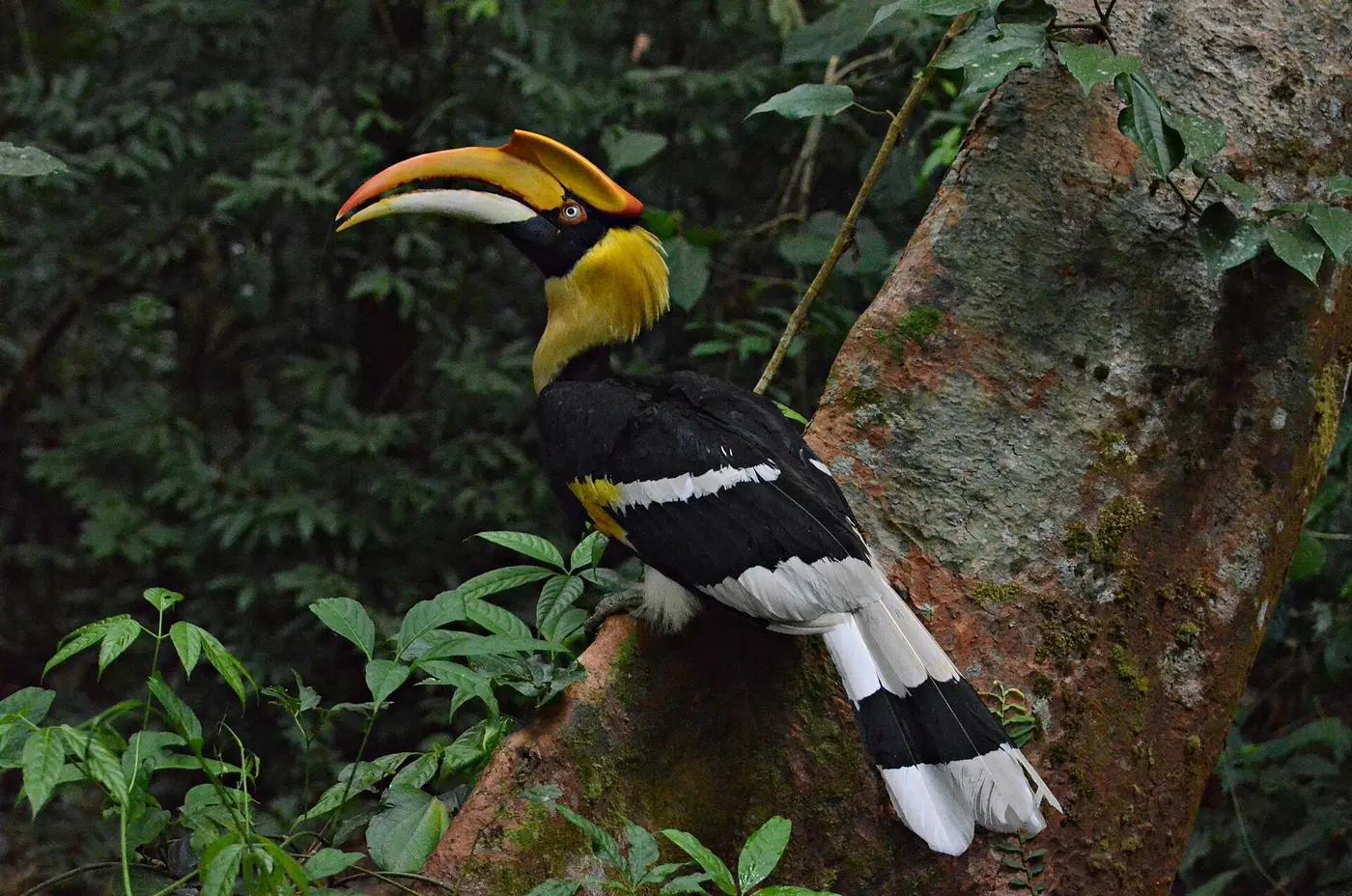
Indexing by species changes what you can do with the same photographs. A great hornbill, 95 to 120 cm long with a yellow casque and a wingbeat you hear before you see the bird, is one of the most requested Asian forest species by editors. If your archive is a feed, finding your best hornbill frame means remembering the month. If it is indexed by species, it means one tap.
Answer requests in seconds
An editor asks for a species. You open the entry, not a year of posts.
See the gaps
Species you have never documented become a trip plan instead of a vague feeling.
Compare encounters
Three hornbill encounters across seasons show behaviour a single frame cannot.
Protect the record
Identity, place and setting stay attached to the photo, not in a caption you may not trust in five years.
Outlast the platform
If an account disappears, the archive and its original media do not.
Build it: identity, place, setting, evidence
Four fields do most of the work. Identity is the species, or the group if the frame does not support a species. Place is where the animal was when you made the picture. Setting is wild, zoo, farm or domestic. Evidence is the original media, not a compressed repost.
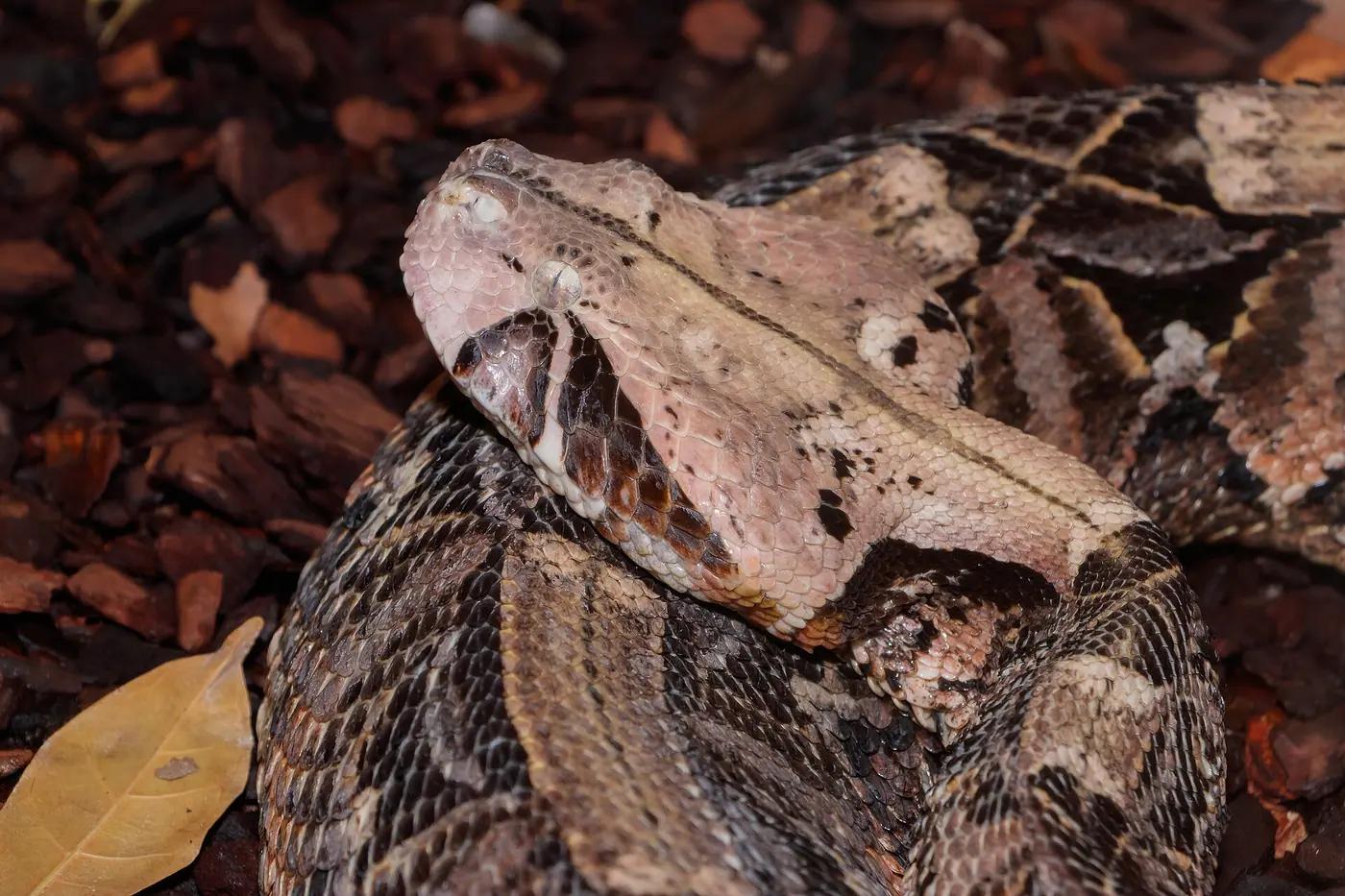
Setting is the one creators most often skip, and it is the one that costs reputations. A Gaboon viper photographed in a zoo reptile house is a real encounter with an extraordinary animal: up to 1.8 m long, fangs that can reach 5 cm, the longest of any snake. It is not a wild record, and every serious competition and most editors require captive animals to be disclosed. Record the setting at the moment of filing and the question never comes up.
| Field | What to record | Why |
|---|---|---|
| Identity | Species, or group if unresolved | The thing you search by; never promote a guess |
| Historical place | Where the animal was | Today's GPS is where your laptop is |
| Setting | Wild, zoo, farm, domestic | Captive disclosure is standard in competitions and editorial |
| Date and season | Day, month, year | Breeding plumage, migration, activity windows |
| Behaviour | Feeding, calling, displaying, resting | Turns a portrait into a natural-history record |
| Evidence | Original media | Reposts lose resolution and metadata |
Bring the existing feed across
Connect a compatible Instagram professional account and AnimalDex looks through your posts for animals. You then review each candidate: confirm identity, confirm the historical place, confirm the setting, and note if more than one animal is in shot. Eligible posts are added with their original photos and videos.
Not every post will import, and some animals will stay at group level because that is the honest catalogue result. Imported posts may publish to Discover, which is why an accuracy confirmation sits in front of import rather than behind it.
New work still comes from live captures: photos taken in the app at the moment of the encounter. The archive is the sum of both.
Turn your Instagram wildlife archive into a species collection
Earnings stay honest
A public collection is not automatically Creator Rewards. That programme is currently paused, and when it ran it was tied to qualifying live contribution during open reward periods, never to imported posts. Wildlife Guides, a separate path where you host bookable experiences, is in beta. Neither is a promise of income, and a species archive is worth building for the working reasons above whether or not either programme applies to you.
Pertanyaan singkat
Jawaban ringkas untuk pertanyaan yang paling sering muncul pada topik ini.
- Why do wildlife photographers need an archive separate from Instagram?
- Because a feed is sorted by recency, not by species, and it is rented. You cannot search your own posts by animal, captions drift, and reach or account access can vanish. A species-indexed archive answers editor requests in seconds, shows gaps, and keeps identity, place and setting attached to the original media.
- How should I organize wildlife content by species?
- Give every photograph four fields: identity (species or group), historical place, setting (wild, zoo, farm, domestic) and the original media. Add date and behaviour where you can. Index by identity first so that a search for one species returns every encounter across years and trips.
- Do I have to disclose that an animal was photographed in a zoo?
- In practice, yes. Most wildlife photography competitions require captive animals to be disclosed, and editors expect it. Record the setting when you file the image so the disclosure is automatic rather than a memory test years later.
- Can I earn money from a species archive in AnimalDex?
- Not from the archive itself. Creator Rewards is currently paused and was tied to qualifying live contribution, not imported posts. Wildlife Guides are separate: virtual guides AnimalDex builds per place from your own wild sightings. The archive is worth building for working reasons: faster requests, visible gaps and a record that outlasts any platform.
Hewan yang disebut
Lompat dari artikel ini ke halaman spesies di balik contoh, catatan systems, dan referensi field guide.
Sources and further reading
Panduan jawaban terkait topik ini
Kalau kamu ingin perbandingan langsung dan rekomendasi yang jelas, lanjutkan ke halaman jawaban berikut.
Best Animal Identification Apps
Compare the best animal identification apps by features like photo/video identification, species coverage, collection capabilities, offline use, and more.
What Is Animal Collecting
Learn what animal collecting means in modern apps and how AnimalDex turns real-world sightings into cards, sets, rarity, and species learning.
Pokemon-Like Animal App
Looking for a Pokemon-like animal app with real species? AnimalDex combines creature-collection energy with AI scanning and wildlife learning.
Panduan terkait
wildlife creator
How to Build a Public Species Portfolio as a Photographer
Build a public wildlife profile around species you have documented, with honest IDs, safe locations and the evidence attached, not follower counts.
4 menit baca
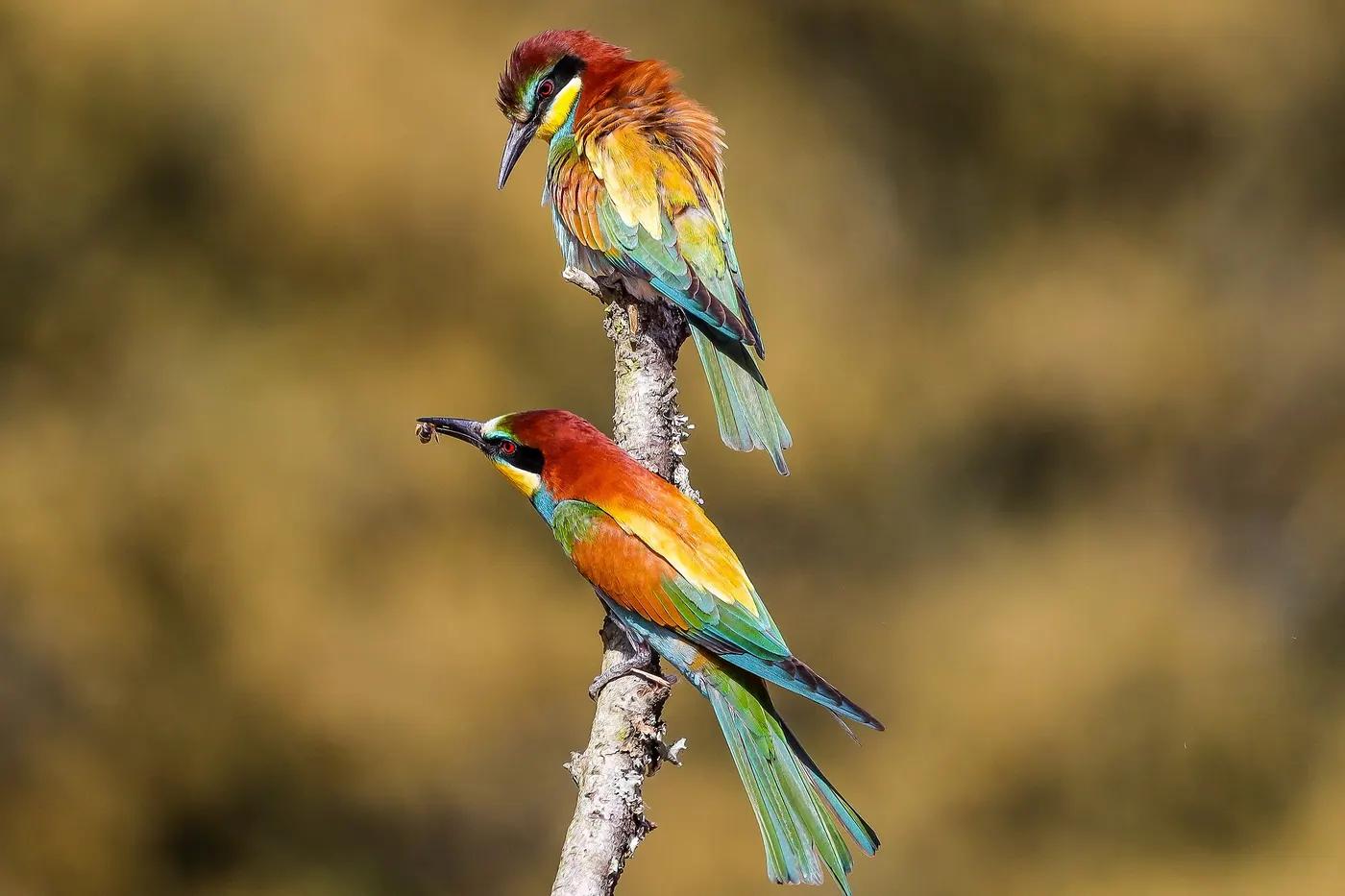
Turn an Instagram Wildlife Archive Into a Species Collection
What survives in an Instagram wildlife post and what is lost, how to review each post honestly, and how to keep the originals in a species collection.
5 menit baca
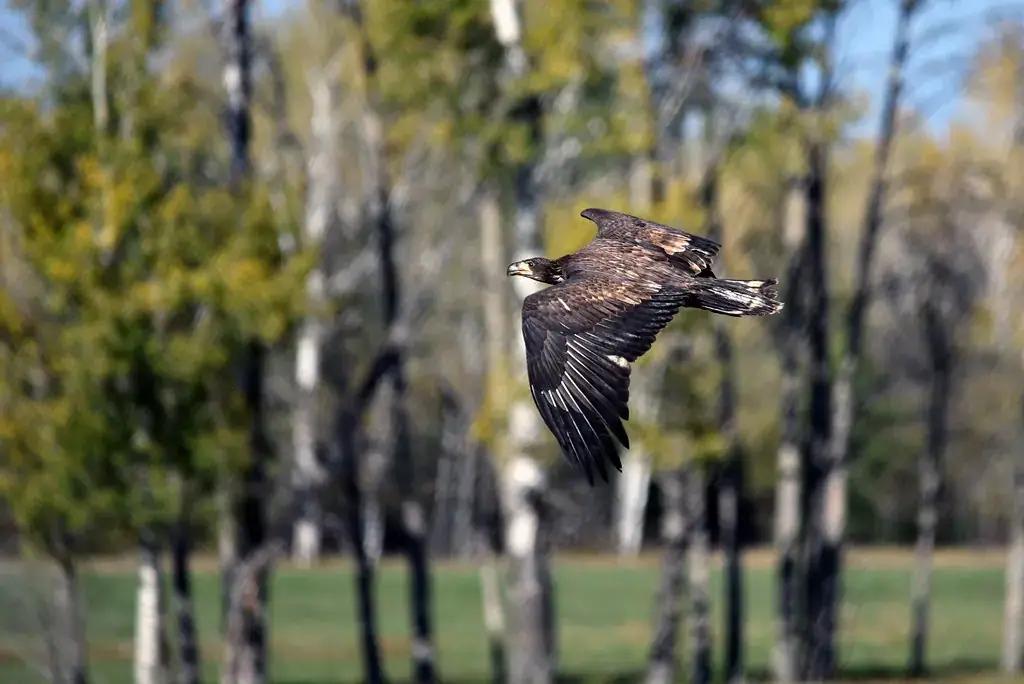
Build a Wildlife Creator Profile Around Species
A species-led public profile is readable by birders, herpers and editors and outlasts follower counts: what to include and how to keep it honest.
5 menit baca