

Animals in Austria: What You Can Spot, Learn, and Collect
Austrian wildlife: Hohe Tauern bearded vultures, ibex and marmots, Tirol chamois and red deer, Lake Neusiedl egrets and bee-eaters, Rust's storks and Schönbrunn's pandas.
Jawaban cepat
Mulai dari jawaban langsung, lalu gunakan bagian di bawah untuk melihat kenapa lokasi ini penting dan hewan mana yang benar-benar realistis untuk di-spot di sana.
Austria runs from the 3,798 m Grossglockner to the steppe lake of Neusiedl, so it covers two wildlife worlds. The Hohe Tauern and Tirol give ibex, chamois, marmots, golden eagles and the bearded vultures first released there in 1986; Lake Neusiedl in the east fills with great egrets, spoonbills, bee-eaters and the storks of Rust; and Vienna has the world's oldest zoo at Schönbrunn with giant pandas and the Danube floodplain's pond turtles on its doorstep.
Austrian captures in AnimalDex are still rare, mostly a few Tirol holiday finds. The country deserves more: marmots sit beside the Grossglockner High Alpine Road car parks, and the Hohe Tauern is the best place in the Alps to watch bearded vultures without a long hike.
Innsbruck and the Zillertal are the Tirol base, Heiligenblut or Kaprun for the Hohe Tauern, Rust or Illmitz for Lake Neusiedl, and Vienna for Schönbrunn and the Donau-Auen national park.
Kenapa lokasi ini penting
Halaman lokasi yang baik menjelaskan kenapa tempat ini layak dikunjungi, bukan hanya nama-nama yang cocok dimasukkan ke checklist destinasi.
The Rauris valley in the Hohe Tauern was where bearded vultures were first released back into the Alps in 1986, after the species was shot to extinction a century earlier. Over 300 now fly across the Alpine arc, and the Krumltal is still called the Valley of the Vultures.
Lake Neusiedl is Central Europe's only steppe lake, with Europe's second-largest reed belt and a bird list of over 340 species on the Hungarian border. Rust's church roofs are famous for their storks.
Tempat mencari
Peta satwa liar Austria
Panduan ini mencakup wilayah di bawah ini. Perbesar peta untuk mengenali areanya sebelum merencanakan perjalanan.
Posisi diambil dari OpenStreetMap. Akses habitat dan jam buka bisa berubah — periksa dulu sebelum berangkat. Pin yang lebih kecil adalah capture publik AnimalDex, ditempatkan sampai kilometer terdekat.
Bukti lapangan
Ditemukan di Austria oleh pengguna AnimalDex
Capture nyata yang dicatat di aplikasi AnimalDex di dalam area ini dan dibagikan secara publik oleh kolektornya, dengan hewan yang dikonfirmasi oleh identifikasi aplikasi. Lokasi ditampilkan sampai tingkat wilayah, bukan titik persisnya.
- 2
- capture publik
- 2
- spesies tercatat
- 1
- kolektor
- 2
- penampakan liar
Capture terbaru dari lapangan
Spesies yang benar-benar dicatat orang di sini
Setiap nama menuju panduan spesiesnya. Angkanya adalah jumlah capture publik hewan itu di dalam area ini.
Kolektor memilih membagikan capture ini di Discover dan bisa menariknya kapan saja. Koordinat dibulatkan sekitar satu kilometer dan diperbarui setiap build situs.
Hewan untuk di-spot
Pilihan spesies di sini sengaja dibuat praktis, menyeimbangkan aksesibilitas, excitement, dan apa yang realistis untuk diperhatikan traveler di lokasi tersebut.

Bearded VultureB
First released in the Rauris valley in 1986; the Krumltal, the Grossglockner road and the Kaiser-Franz-Josefs-Höhe now give regular views of adults and griffons together.
Catatan spotting: Regular in the Hohe Tauern in summer, especially the Krumltal.
Baca panduan spesies
Alpine IbexC
Reintroduced across the Hohe Tauern and Tirol; herds graze near the Grossglockner's Gamsgrube and in the Pitztal and Kaunertal.
Catatan spotting: Reliable above 2,200 m in summer around the Glockner.
Baca panduan spesies
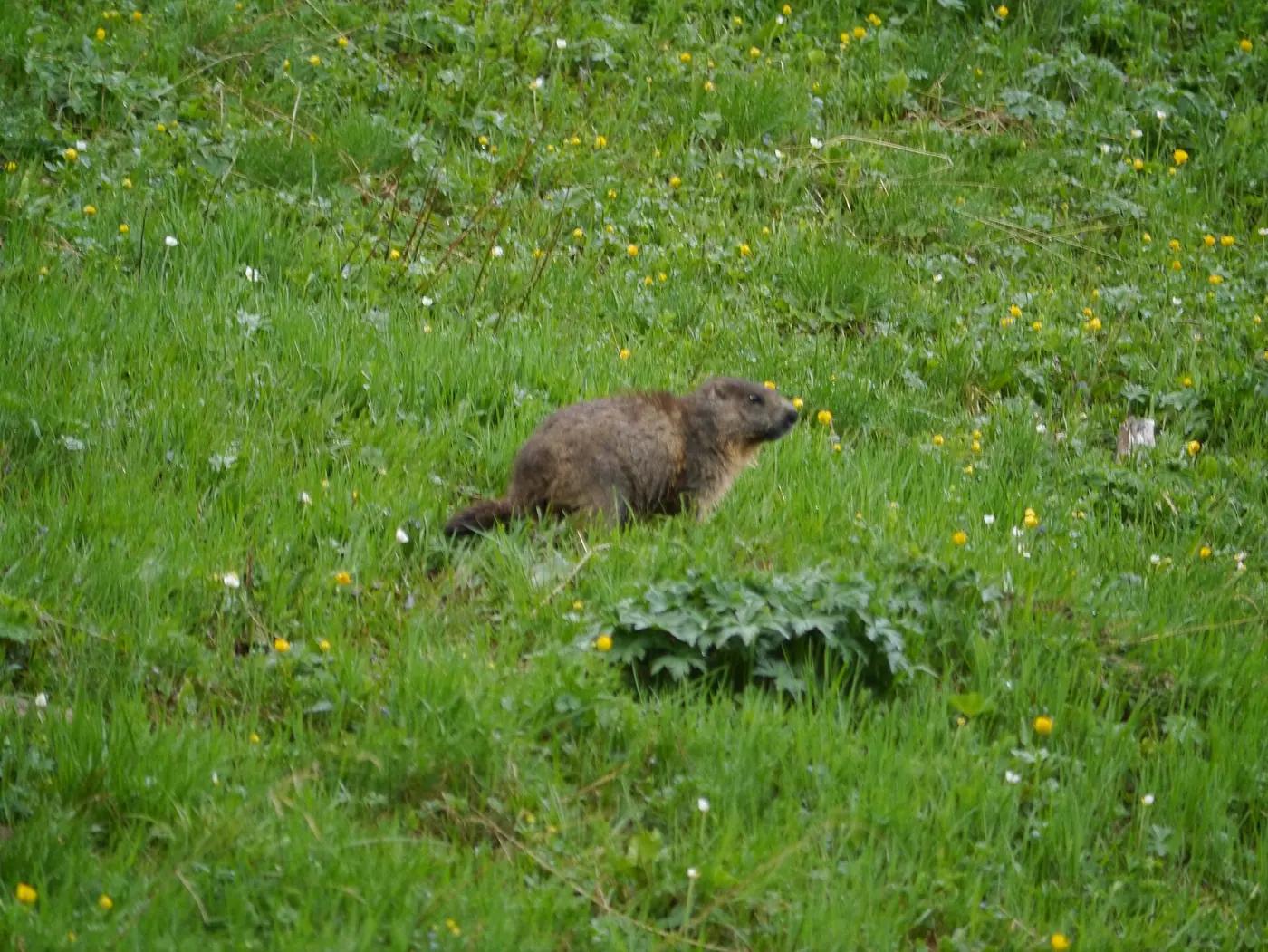
Alpine MarmotD
The Grossglockner High Alpine Road car parks have marmots that pose on the walls, and every Tirol high meadow whistles with them.
Catatan spotting: Guaranteed at the Kaiser-Franz-Josefs-Höhe from June to September.
Baca panduan spesies
ChamoisC
Common on steep Tirol and Hohe Tauern slopes, with the Karwendel above Innsbruck and the Gamsgrube at the Glockner named for them.
Catatan spotting: Reliable at dawn on rocky high ground.
Baca panduan spesies
Golden EagleA
Around 350 pairs across Austria; the Hohe Tauern and the Kalkalpen give regular soaring views, and the Krumltal has a pair nesting within scope range.
Catatan spotting: Regular in the high Alps with patience.
Baca panduan spesies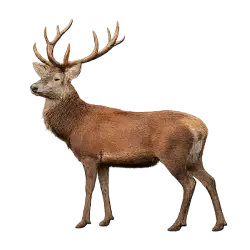
Red DeerB
Austria's forests hold huge numbers; winter feeding stations in Tirol and the Hohe Tauern let visitors watch herds from hides.
Catatan spotting: Guaranteed at winter feeding sites; easy in the September rut.
Baca panduan spesies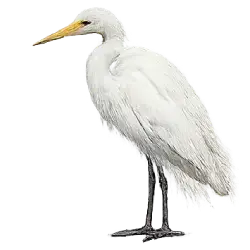
Great EgretD
Lake Neusiedl's reed belt holds over 700 pairs, Central Europe's biggest colony, hunting the Seewinkel pools in white dozens.
Catatan spotting: Guaranteed around Lake Neusiedl year-round.
Baca panduan spesies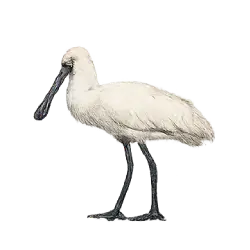
Eurasian SpoonbillC
Breeds in the Neusiedl reeds and feeds on the Seewinkel soda pans at Illmitz and Apetlon.
Catatan spotting: Common April to September in the Seewinkel.
Baca panduan spesies
European Bee-eaterD
Colonies dig into the sandy banks and gravel pits of the Seewinkel and the Weinviertel, the northern edge of the species' range.
Catatan spotting: Common May to August around Lake Neusiedl.
Baca panduan spesies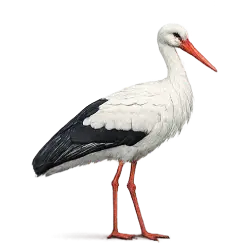
White StorkC
Rust on Lake Neusiedl is Austria's stork town, with nests on most roofs along the main street from March to August.
Catatan spotting: Guaranteed in Rust in spring and summer.
Baca panduan spesies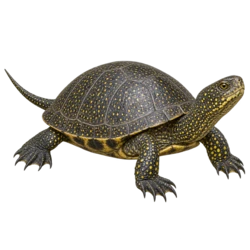
European Pond TerrapinE
The Donau-Auen national park east of Vienna holds Austria's only native pond turtle population, basking on floodplain logs.
Catatan spotting: Uncommon; warm mornings on the Donau-Auen backwaters.
Baca panduan spesies
Giant PandaB
Schönbrunn Zoo in Vienna, the world's oldest zoo, has kept and bred giant pandas since 2003 and received a new pair in 2025.
Catatan spotting: Guaranteed at Schönbrunn.
Baca panduan spesies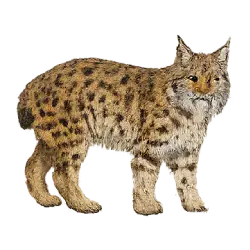
Eurasian LynxB
The Kalkalpen national park in Upper Austria holds a small reintroduced lynx population alongside the Bohemian Forest animals.
Catatan spotting: Very rare to see; camera-trap country.
Baca panduan spesies
Alpine SalamanderD
Walks the wet high trails of the Hohe Tauern, the Karwendel and the Dachstein on rainy mornings, glossy black and slow.
Catatan spotting: Seasonal; wet mornings above 1,000 m from June to September.
Baca panduan spesiesPaling cocok untuk
Gunakan bagian ini untuk menilai apakah lokasi tersebut cocok dengan gaya perjalanan, level pengalaman, dan target AnimalDex kamu.
- Bearded vultures, ibex and marmots along the Grossglockner High Alpine Road
- Egrets, spoonbills and bee-eaters at Lake Neusiedl
- Red deer at winter feeding hides in Tirol
- Schönbrunn Zoo and the Donau-Auen floodplain in Vienna
Tips spotting
Tips ini dibuat agar halaman ini benar-benar berguna di lapangan, bukan hanya enak dibaca di layar.
- 01Drive the Grossglockner road early; the Kaiser-Franz-Josefs-Höhe marmots are out from 7 am and vultures ride the first thermals around 10.
- 02The Krumltal from Rauris-Kolm Saigurn is the vulture valley; a scope from the valley floor finds eagles and bearded vultures on the cliffs.
- 03Lake Neusiedl's Seewinkel is best from the Illmitz and Apetlon pans in April and May, with the Hungarian border tower giving the widest view.
- 04Tirol's winter red deer feeding hides at Kaunertal and Zillergrund run guided sessions from December to March.
Wildlife Guides virtual
Panduan satwa liar ke Austria
AnimalDex membuat panduan virtual dari penampakan satwa liar milik para penjelajah sendiri: satwa apa yang mereka temukan, seberapa langka, dan kapan. Panduan adalah saran dari orang yang pernah ke sana, bukan tur. Membelinya membuka catatan penulis untuk setiap satwa, obrolan dengan penulis, dan perkenalan dengan warga lokal yang mereka temui. Penampakan satwa tidak pernah dijamin.
Memeriksa panduan virtual ke Austria...
Cara memilih pemandu satwa liar lokal di Austria
- Tanyakan apa yang biasanya mereka temukan pada musim kunjunganmu. Pemandu yang baik memberi jawaban jujur, bukan janji pasti melihat satwa tertentu.
- Perhatikan cara mereka memperlakukan satwa: tanpa umpan, tanpa memanggil satwa, tanpa memegang, dan tanpa flash dari jarak dekat demi foto.
- Pastikan titik temu, durasi, ukuran grup, total harga, dan cara pembayaran sebelum hari kegiatan, termasuk izin atau biaya taman yang diperlukan.
Lacak hewan yang kamu temukan di Austria
Bangun koleksimu sambil menjelajahi Austria, dari spesies yang mudah ditemukan sampai target yang layak direncanakan khusus.
Tier list terkait
Tier list ini memberi konteks yang lebih luas untuk spesies yang membuat lokasi ini menarik.
Animals with the Best Eyesight
A structured ranking of animals with the best eyesight, separating long-range daytime acuity, low-light vision, motion detection, and unusual visual systems.
Baca tier listLokasi terkait
Lanjutkan eksplorasi dengan destinasi yang mirip atau berdekatan dan mendukung gaya discovery AnimalDex yang sama.
Animals in Switzerland: What You Can Spot, Learn, and Collect
Swiss wildlife: ibex, chamois and marmots in the Swiss National Park, Engadin eagles and bearded vultures, Jura lynx, wolves, red kites, Zurich foxes, Basel's rhinos.
Baca panduan lokasiAnimals in Germany: What You Can Spot, Learn, and Collect
A practical Germany wildlife guide for forest edges, rivers, farmland margins, and the kind of steady species list that rewards patience instead of spectacle.
Baca panduan lokasiAnimals in Italy: What You Can Spot, Learn, and Collect
Italy's wildlife from the Alps to Sicily: Gran Paradiso ibex, Apennine wolves, Marsican bears, Pelagos fin whales, loggerhead turtles, flamingos, porcupines and gulls.
Baca panduan lokasiFAQ lokasi
Jawaban singkat dan langsung untuk pertanyaan yang biasanya ditanyakan traveler sebelum memilih destinasi satwa liar atau hari kebun binatang.
What wildlife is there in Austria?
Alpine ibex, chamois, marmots, red deer, lynx and a few wandering bears and wolves in the mountains; golden eagles, bearded and griffon vultures, ptarmigan and nutcrackers; and at Lake Neusiedl great egrets, spoonbills, bee-eaters, storks and over 340 recorded bird species.
What animals can be found in the Austrian Alps?
Ibex, chamois, red and roe deer, marmots, mountain hares, ermine, golden eagles, bearded vultures, alpine choughs, nutcrackers, wallcreepers, rock ptarmigan, alpine salamanders and alpine newts.
Where can you see marmots in Austria?
The Grossglockner High Alpine Road, especially the Kaiser-Franz-Josefs-Höhe, has marmots within metres of the car parks from June to September. Any Tirol high meadow above 1,800 m has them too.
Is Schönbrunn Zoo worth visiting?
Yes. It is the oldest zoo in the world, dating from 1752, with giant pandas, polar bears, orangutans, Siberian tigers and a rainforest house, all inside the Schönbrunn palace grounds.
Apakah pengguna AnimalDex pernah menemukan hewan di Austria?
Ya. Pengguna AnimalDex telah mencatat 2 capture publik dari 2 spesies berbeda di Austria, termasuk greater bee fly, red slug. Semuanya difoto di aplikasi pada saat penampakan.
Bagaimana cara menemukan panduan satwa liar ke Austria?
Lihat bagian Wildlife Guides di halaman ini atau jelajahi Wildlife Guides di AnimalDex. Setiap panduan adalah panduan virtual yang dibuat dari penampakan satwa liar milik seorang penjelajah di sekitar Austria: satwa yang mereka temukan, seberapa langka, dan kapan. Ini saran dari orang yang pernah ke sana, bukan tur. Jika kamu ingin ditemani seseorang di lokasi, bandingkan pemandu lokal dari pengetahuan satwanya, cara mereka memperlakukan satwa, dan kejelasan harganya sebelum berangkat.