

Animals in Austria: What You Can Spot, Learn, and Collect
Austrian wildlife: Hohe Tauern bearded vultures, ibex and marmots, Tirol chamois and red deer, Lake Neusiedl egrets and bee-eaters, Rust's storks and Schönbrunn's pandas.
Quick answer
Start with the direct answer, then use the sections below to see why the location matters and which animals are actually realistic to spot there.
Austria runs from the 3,798 m Grossglockner to the steppe lake of Neusiedl, so it covers two wildlife worlds. The Hohe Tauern and Tirol give ibex, chamois, marmots, golden eagles and the bearded vultures first released there in 1986; Lake Neusiedl in the east fills with great egrets, spoonbills, bee-eaters and the storks of Rust; and Vienna has the world's oldest zoo at Schönbrunn with giant pandas and the Danube floodplain's pond turtles on its doorstep.
Austrian captures in AnimalDex are still rare, mostly a few Tirol holiday finds. The country deserves more: marmots sit beside the Grossglockner High Alpine Road car parks, and the Hohe Tauern is the best place in the Alps to watch bearded vultures without a long hike.
Innsbruck and the Zillertal are the Tirol base, Heiligenblut or Kaprun for the Hohe Tauern, Rust or Illmitz for Lake Neusiedl, and Vienna for Schönbrunn and the Donau-Auen national park.
Why this location matters
Good location pages explain why the place is worth your time, not just which names belong on a destination checklist.
The Rauris valley in the Hohe Tauern was where bearded vultures were first released back into the Alps in 1986, after the species was shot to extinction a century earlier. Over 300 now fly across the Alpine arc, and the Krumltal is still called the Valley of the Vultures.
Lake Neusiedl is Central Europe's only steppe lake, with Europe's second-largest reed belt and a bird list of over 340 species on the Hungarian border. Rust's church roofs are famous for their storks.
Where to look
Wildlife map of Austria
This guide covers the region shown below. Zoom in to get your bearings before planning a trip.
Positions are geocoded from OpenStreetMap. Habitat access and opening times change — check locally before travelling. Smaller pins are public AnimalDex captures, placed to the nearest kilometre.
Field proof
Found in Austria by AnimalDex users
Real captures logged in the AnimalDex app inside this area and shared publicly by their collectors, with the animal confirmed by the app's identification. Places are shown to the nearest region, never the exact spot.
- 2
- public captures
- 2
- species recorded
- 1
- collectors
- 2
- wild sightings
Recent captures from the field
Species people have actually logged here
Every name links to its species guide. The count is how many public captures of that animal sit inside this area.
Collectors choose to share these captures on Discover and can withdraw them at any time. Coordinates are rounded to about a kilometre and refreshed with each site build.
Animals to spot
These are intentionally practical species picks, balancing accessibility, excitement, and what travelers can realistically notice in the location.

Bearded VultureB
First released in the Rauris valley in 1986; the Krumltal, the Grossglockner road and the Kaiser-Franz-Josefs-Höhe now give regular views of adults and griffons together.
Spotting note: Regular in the Hohe Tauern in summer, especially the Krumltal.
Read species guide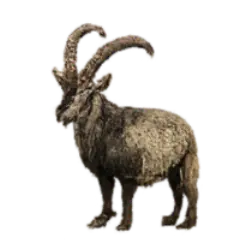
Alpine IbexC
Reintroduced across the Hohe Tauern and Tirol; herds graze near the Grossglockner's Gamsgrube and in the Pitztal and Kaunertal.
Spotting note: Reliable above 2,200 m in summer around the Glockner.
Read species guide
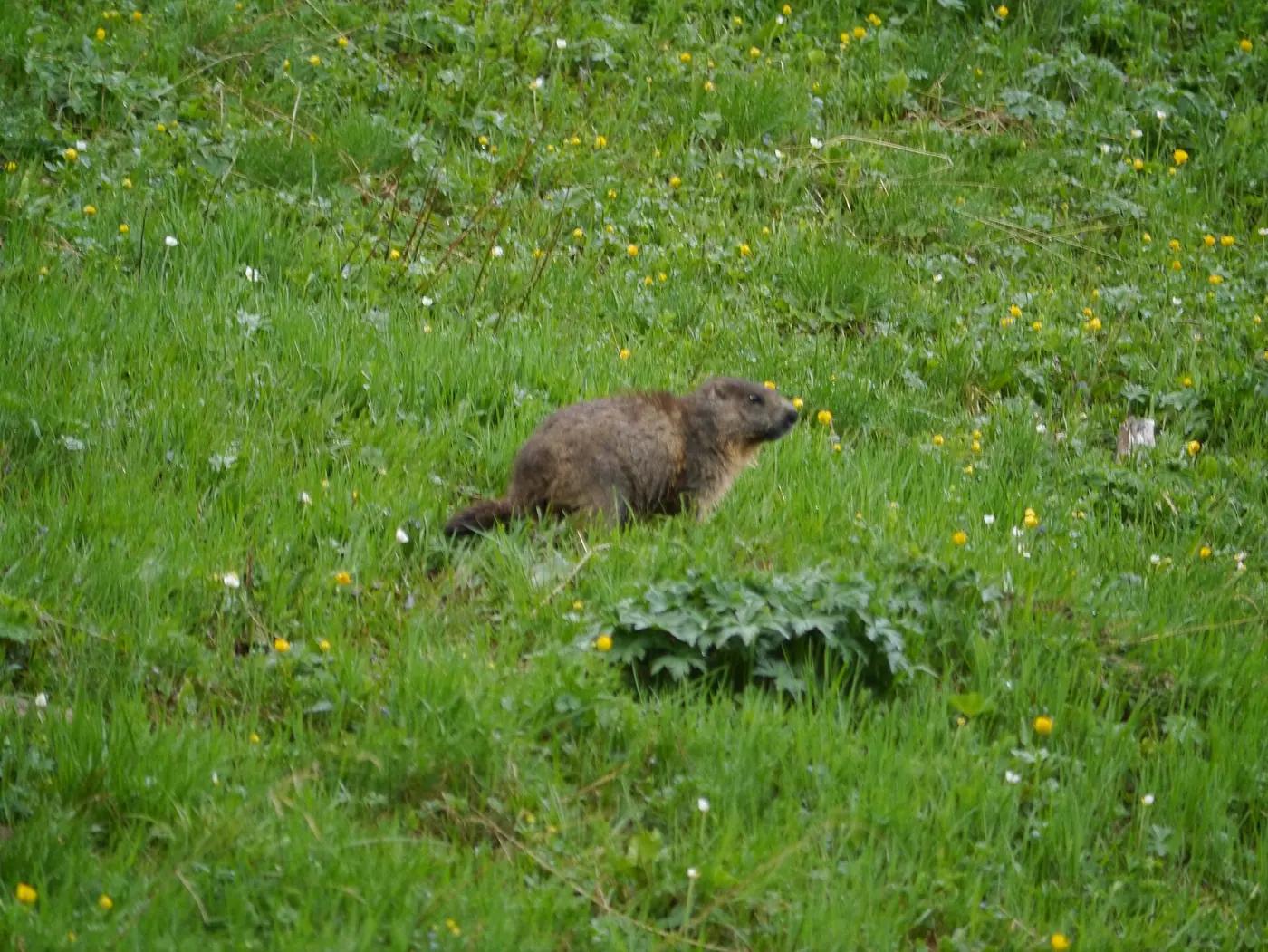
Alpine MarmotD
The Grossglockner High Alpine Road car parks have marmots that pose on the walls, and every Tirol high meadow whistles with them.
Spotting note: Guaranteed at the Kaiser-Franz-Josefs-Höhe from June to September.
Read species guide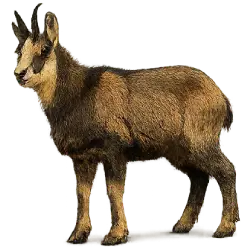
ChamoisC
Common on steep Tirol and Hohe Tauern slopes, with the Karwendel above Innsbruck and the Gamsgrube at the Glockner named for them.
Spotting note: Reliable at dawn on rocky high ground.
Read species guide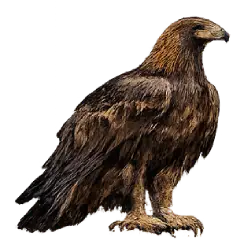
Golden EagleA
Around 350 pairs across Austria; the Hohe Tauern and the Kalkalpen give regular soaring views, and the Krumltal has a pair nesting within scope range.
Spotting note: Regular in the high Alps with patience.
Read species guide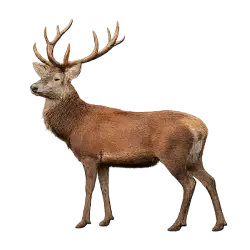
Red DeerB
Austria's forests hold huge numbers; winter feeding stations in Tirol and the Hohe Tauern let visitors watch herds from hides.
Spotting note: Guaranteed at winter feeding sites; easy in the September rut.
Read species guide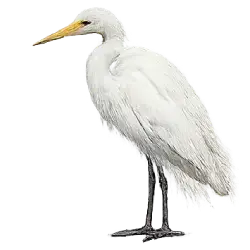
Great EgretD
Lake Neusiedl's reed belt holds over 700 pairs, Central Europe's biggest colony, hunting the Seewinkel pools in white dozens.
Spotting note: Guaranteed around Lake Neusiedl year-round.
Read species guide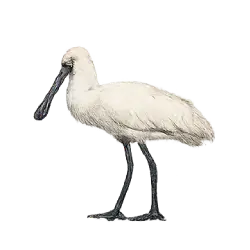
Eurasian SpoonbillC
Breeds in the Neusiedl reeds and feeds on the Seewinkel soda pans at Illmitz and Apetlon.
Spotting note: Common April to September in the Seewinkel.
Read species guide
European Bee-eaterD
Colonies dig into the sandy banks and gravel pits of the Seewinkel and the Weinviertel, the northern edge of the species' range.
Spotting note: Common May to August around Lake Neusiedl.
Read species guide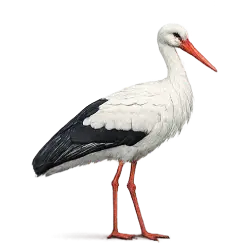
White StorkC
Rust on Lake Neusiedl is Austria's stork town, with nests on most roofs along the main street from March to August.
Spotting note: Guaranteed in Rust in spring and summer.
Read species guide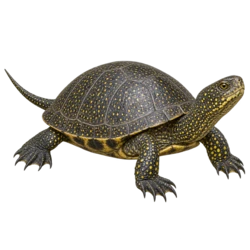
European Pond TerrapinE
The Donau-Auen national park east of Vienna holds Austria's only native pond turtle population, basking on floodplain logs.
Spotting note: Uncommon; warm mornings on the Donau-Auen backwaters.
Read species guide
Giant PandaB
Schönbrunn Zoo in Vienna, the world's oldest zoo, has kept and bred giant pandas since 2003 and received a new pair in 2025.
Spotting note: Guaranteed at Schönbrunn.
Read species guide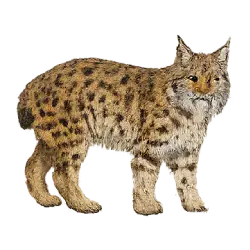
Eurasian LynxB
The Kalkalpen national park in Upper Austria holds a small reintroduced lynx population alongside the Bohemian Forest animals.
Spotting note: Very rare to see; camera-trap country.
Read species guide
Alpine SalamanderD
Walks the wet high trails of the Hohe Tauern, the Karwendel and the Dachstein on rainy mornings, glossy black and slow.
Spotting note: Seasonal; wet mornings above 1,000 m from June to September.
Read species guideBest for
Use this section to decide whether the location fits your travel style, skill level, and AnimalDex goals.
- Bearded vultures, ibex and marmots along the Grossglockner High Alpine Road
- Egrets, spoonbills and bee-eaters at Lake Neusiedl
- Red deer at winter feeding hides in Tirol
- Schönbrunn Zoo and the Donau-Auen floodplain in Vienna
Spotting tips
These tips are meant to make the page useful in the field, not just readable on the page.
- 01Drive the Grossglockner road early; the Kaiser-Franz-Josefs-Höhe marmots are out from 7 am and vultures ride the first thermals around 10.
- 02The Krumltal from Rauris-Kolm Saigurn is the vulture valley; a scope from the valley floor finds eagles and bearded vultures on the cliffs.
- 03Lake Neusiedl's Seewinkel is best from the Illmitz and Apetlon pans in April and May, with the Hungarian border tower giving the widest view.
- 04Tirol's winter red deer feeding hides at Kaunertal and Zillergrund run guided sessions from December to March.
Virtual Wildlife Guides
Wildlife guides to Austria
AnimalDex builds virtual guides from explorers' own wild sightings: which animals they found, how rare they are, and when. A guide is advice from someone who has been there, not a tour. Buying one unlocks the author's notes for every animal, a chat with the author, and introductions to local people they met. Wildlife is never guaranteed.
Checking for virtual guides to Austria...
How to choose a local wildlife guide in Austria
- Ask what they usually find in the season you are visiting. A good guide gives an honest answer, not a promised sighting.
- Check how they treat animals: no baiting, calling in, handling, or close flash photography for a better shot.
- Confirm the meeting area, duration, group size, total price, and how you pay before the day, plus any permits or park fees the place requires.
Track the animals you find in Austria
Build your collection while you travel through Austria, from easy wins to the species worth planning around.
Related tier lists
These tier lists add broader context around the species that make this location interesting.
Animals with the Best Eyesight
A structured ranking of animals with the best eyesight, separating long-range daytime acuity, low-light vision, motion detection, and unusual visual systems.
Read tier listRelated locations
Keep exploring with nearby or similar destinations that support the same kind of AnimalDex discovery.
Animals in Switzerland: What You Can Spot, Learn, and Collect
Swiss wildlife: ibex, chamois and marmots in the Swiss National Park, Engadin eagles and bearded vultures, Jura lynx, wolves, red kites, Zurich foxes, Basel's rhinos.
Read location guideAnimals in Germany: What You Can Spot, Learn, and Collect
A practical Germany wildlife guide for forest edges, rivers, farmland margins, and the kind of steady species list that rewards patience instead of spectacle.
Read location guideAnimals in Italy: What You Can Spot, Learn, and Collect
Italy's wildlife from the Alps to Sicily: Gran Paradiso ibex, Apennine wolves, Marsican bears, Pelagos fin whales, loggerhead turtles, flamingos, porcupines and gulls.
Read location guideLocation FAQ
Short direct answers to the questions travelers usually ask before choosing a wildlife destination or zoo day.
What wildlife is there in Austria?
Alpine ibex, chamois, marmots, red deer, lynx and a few wandering bears and wolves in the mountains; golden eagles, bearded and griffon vultures, ptarmigan and nutcrackers; and at Lake Neusiedl great egrets, spoonbills, bee-eaters, storks and over 340 recorded bird species.
What animals can be found in the Austrian Alps?
Ibex, chamois, red and roe deer, marmots, mountain hares, ermine, golden eagles, bearded vultures, alpine choughs, nutcrackers, wallcreepers, rock ptarmigan, alpine salamanders and alpine newts.
Where can you see marmots in Austria?
The Grossglockner High Alpine Road, especially the Kaiser-Franz-Josefs-Höhe, has marmots within metres of the car parks from June to September. Any Tirol high meadow above 1,800 m has them too.
Is Schönbrunn Zoo worth visiting?
Yes. It is the oldest zoo in the world, dating from 1752, with giant pandas, polar bears, orangutans, Siberian tigers and a rainforest house, all inside the Schönbrunn palace grounds.
Have AnimalDex users found animals in Austria?
Yes. AnimalDex users have publicly logged 2 captures of 2 different species in Austria, including greater bee fly, red slug. Each one was photographed in the app at the moment of the sighting.
How do I find a wildlife guide to Austria?
Check the Wildlife Guides section on this page or browse Wildlife Guides on AnimalDex. Each one is a virtual guide built from an explorer's own wild sightings around Austria: the animals they found, how rare they are, and when. It is advice from someone who has been there, not a tour. If you want someone with you on the day, compare local guides on wildlife knowledge, how they treat animals, and clear pricing before you go.