

Animals in Chile: What You Can Spot, Learn, and Collect
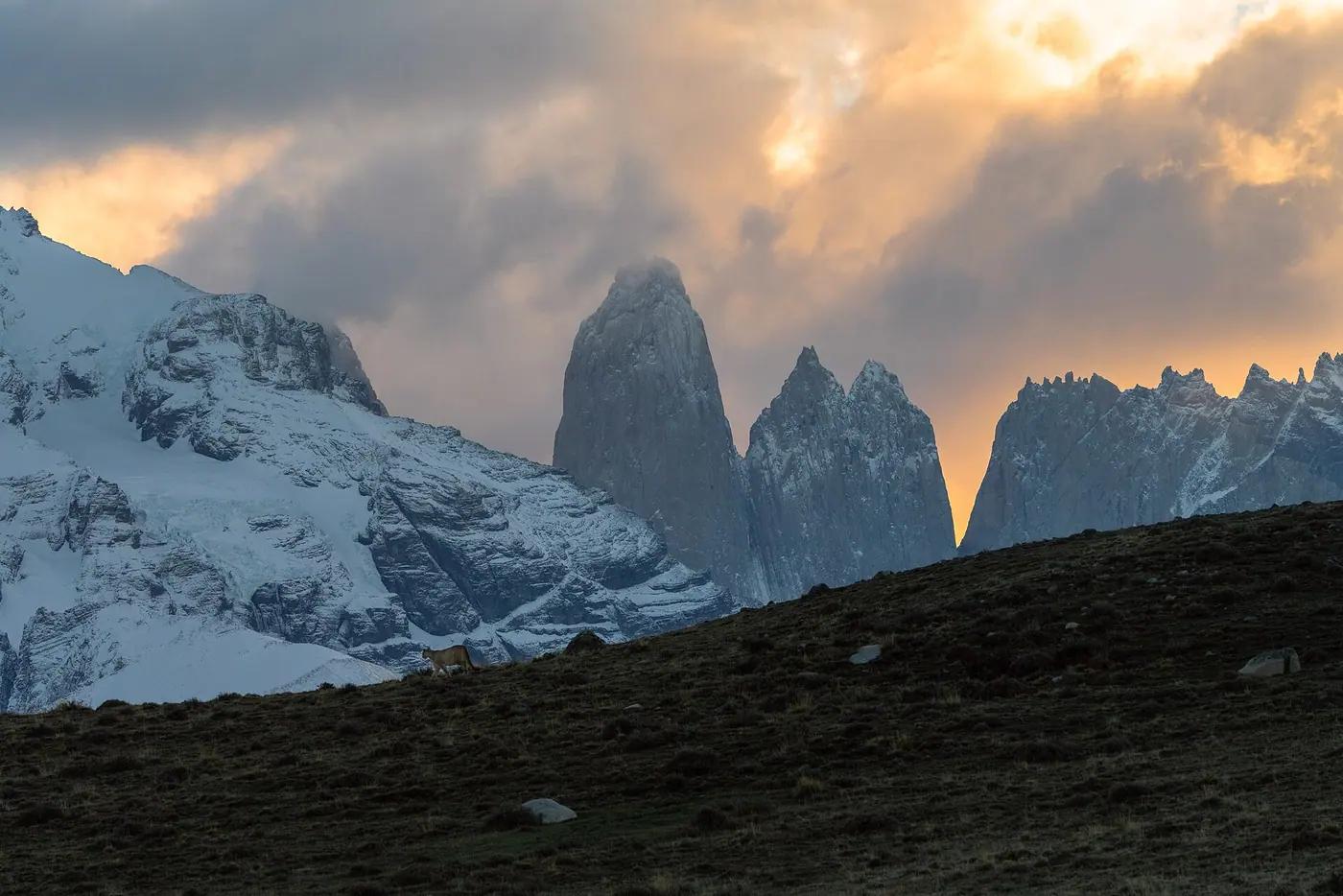
Wildlife in Chile: pumas and guanacos in Torres del Paine, Andean condors, Humboldt penguins at Punta de Choros, Darwin's foxes on Chiloé and blue whales offshore.
Jawaban cepat
Mulai dari jawaban langsung, lalu gunakan bagian di bawah untuk melihat kenapa lokasi ini penting dan hewan mana yang benar-benar realistis untuk di-spot di sana.
Chile runs 4,300 km from desert to ice, and its wildlife follows. Flamingos and vicuñas use the Atacama salt lakes, Humboldt penguins and chinchillas live on the central coast and hills, Darwin's foxes and pudús hide in the Chiloé rainforest, blue whales feed off the Gulf of Corcovado, and Torres del Paine is the best place on earth to watch wild pumas hunting guanacos beneath condors.
Hemmed in by the Andes, the Pacific and the Atacama, Chile evolved an unusually distinct fauna: pudús the size of a spaniel, foxes found on one island, rodents like degus and chinchillas, and the Patagonian puma population that has learnt to ignore photographers in Torres del Paine.
Each zone has an access point. San Pedro de Atacama for the altiplano, La Serena and Punta de Choros for the penguin islands, Puerto Varas and Chiloé for the temperate rainforest and whales, and Puerto Natales for the Paine massif and its cats.
Kenapa lokasi ini penting
Halaman lokasi yang baik menjelaskan kenapa tempat ini layak dikunjungi, bukan hanya nama-nama yang cocok dimasukkan ke checklist destinasi.
Torres del Paine's pumas are the standout story: once shot on sight, they are now a tourism asset that the estancias around the park protect, and sightings on a dedicated tracking trip are close to guaranteed. Logging one records a conservation turnaround.
Chile is also an easy, safe country to travel independently, so a collector can string together desert, coast, rainforest and steppe in a fortnight and come home with a list no single ecosystem could provide.
Tempat mencari
Peta satwa liar Chile
Panduan ini mencakup wilayah di bawah ini. Perbesar peta untuk mengenali areanya sebelum merencanakan perjalanan.
Posisi diambil dari OpenStreetMap. Akses habitat dan jam buka bisa berubah — periksa dulu sebelum berangkat. Pin yang lebih kecil adalah capture publik AnimalDex, ditempatkan sampai kilometer terdekat.
Bukti lapangan
Ditemukan di Chile oleh pengguna AnimalDex
Capture nyata yang dicatat di aplikasi AnimalDex di dalam area ini dan dibagikan secara publik oleh kolektornya, dengan hewan yang dikonfirmasi oleh identifikasi aplikasi. Lokasi ditampilkan sampai tingkat wilayah, bukan titik persisnya.
- 2
- capture publik
- 2
- spesies tercatat
- 1
- kolektor
- 2
- penampakan liar
Capture terbaru dari lapangan
Spesies yang benar-benar dicatat orang di sini
Setiap nama menuju panduan spesiesnya. Angkanya adalah jumlah capture publik hewan itu di dalam area ini.
Kolektor memilih membagikan capture ini di Discover dan bisa menariknya kapan saja. Koordinat dibulatkan sekitar satu kilometer dan diperbarui setiap build situs.
Hewan untuk di-spot
Pilihan spesies di sini sengaja dibuat praktis, menyeimbangkan aksesibilitas, excitement, dan apa yang realistis untuk diperhatikan traveler di lokasi tersebut.
CougarA
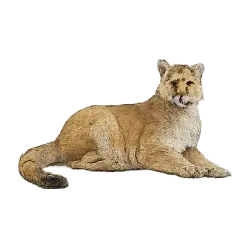
The pumas of Torres del Paine and the Laguna Amarga estancias hunt guanacos in daylight and tolerate trackers at close range.
Catatan spotting: Likely on a two or three day puma tracking trip; occasional from the park roads.
Baca panduan spesies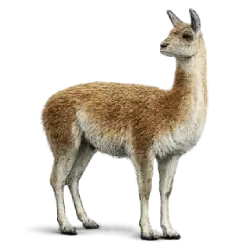
GuanacoB
Herds of wild guanacos graze the Paine steppe and the Atacama slopes, the puma's main prey and the most visible mammal in the south.
Catatan spotting: Guaranteed in Torres del Paine.
Baca panduan spesies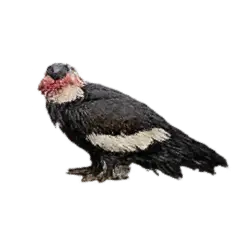
Andean CondorB
Condors roost on the cliffs above Laguna Amarga and ride the thermals over the Maipo canyon an hour from Santiago.
Catatan spotting: Regular in the Paine massif and the Cajón del Maipo.
Baca panduan spesies
Humboldt PenguinD
Penguins nest on Isla Choros and Isla Damas in the Humboldt Penguin National Reserve north of La Serena and on Chiloé's Puñihuil islets.
Catatan spotting: Reliable on boat trips from Punta de Choros.
Baca panduan spesies
Magellanic PenguinC
Big colonies breed on Isla Magdalena in the Strait of Magellan, reached by ferry from Punta Arenas, and share Puñihuil with the Humboldts.
Catatan spotting: Guaranteed at Isla Magdalena from October to March.
Baca panduan spesies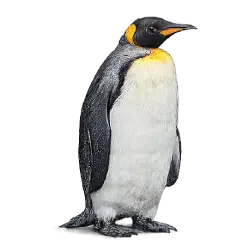
King PenguinC
A small colony at Bahía Inútil on Tierra del Fuego is the only king penguin breeding site on the American mainland.
Catatan spotting: Guaranteed at the Parque Pingüino Rey with a reservation.
Baca panduan spesies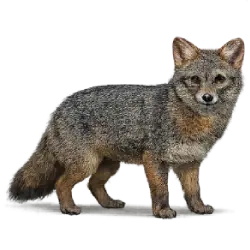
Darwin's FoxC
One of the rarest canids on earth lives almost only on Chiloé, in the Chiloé National Park and Tantauco reserve.
Catatan spotting: Rare; dusk around the Cucao sector of Chiloé National Park is the best bet.
Baca panduan spesies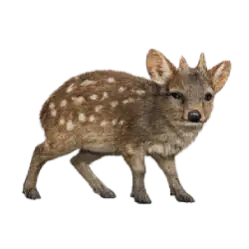
Southern PuduC
The world's smallest deer browses the bamboo understorey of the Valdivian rainforest around Puerto Varas, Chiloé and the Huilo Huilo reserve.
Catatan spotting: Uncommon and shy; dawn on quiet forest roads.
Baca panduan spesies
CulpeoC
The big Andean fox trots across the Atacama altiplano and the Paine steppe and scavenges around campsites.
Catatan spotting: Common in Torres del Paine and around San Pedro.
Baca panduan spesies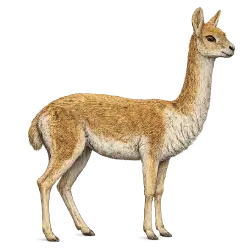
VicunaC
Wild vicuñas graze the bofedal wetlands above 4,000 m around the Tatio geysers and Lauca National Park.
Catatan spotting: Common on the altiplano roads out of San Pedro and Putre.
Baca panduan spesies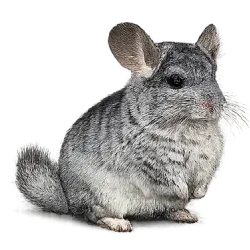
Long-tailed ChinchillaD
The wild chinchilla survives in the rocky hills of the Reserva Nacional Las Chinchillas near Illapel.
Catatan spotting: Rare and nocturnal; the reserve's night hide is the only realistic option.
Baca panduan spesies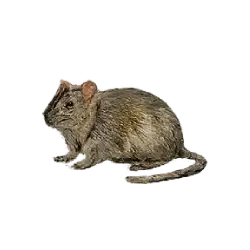
DeguD
Degus scurry between burrows on the scrubby hillsides of central Chile, including the parks on the edge of Santiago.
Catatan spotting: Common in central Chile matorral; look on morning walks in Río Clarillo.
Baca panduan spesies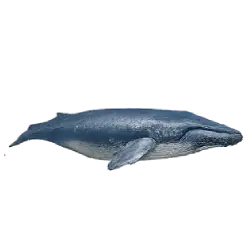
Blue WhaleA
The largest animal on earth feeds in the Gulf of Corcovado off Chiloé every austral summer.
Catatan spotting: Seasonal, January to April; boat trips from Chiloé or Melinka.
Baca panduan spesies
Panda AntD
A Chilean velvet ant with striking black and white fur, found in the dry coastal scrub of central Chile.
Catatan spotting: Uncommon; look on sandy ground in the warm months.
Baca panduan spesiesPaling cocok untuk
Gunakan bagian ini untuk menilai apakah lokasi tersebut cocok dengan gaya perjalanan, level pengalaman, dan target AnimalDex kamu.
- Puma tracking in Torres del Paine
- Penguin islands from Punta de Choros to the Strait of Magellan
- Altiplano wildlife around San Pedro de Atacama
- Temperate rainforest and whales on Chiloé
Tips spotting
Tips ini dibuat agar halaman ini benar-benar berguna di lapangan, bukan hanya enak dibaca di layar.
- 01For pumas, stay at an estancia on the eastern edge of Torres del Paine and hire a dedicated tracker; most sightings are at dawn around Laguna Amarga and Sarmiento.
- 02Take the Punta de Choros boat early for Humboldt penguins, marine otters and dolphins before the afternoon wind picks up.
- 03In the Atacama, drive the altiplano lakes around sunrise for flamingos and vicuñas, then rest through the harsh midday light.
- 04Chiloé's Darwin's foxes and pudús need patience; walk the Cucao forest trails at dusk and keep quiet.
Wildlife Guides virtual
Panduan satwa liar ke Chile
AnimalDex membuat panduan virtual dari penampakan satwa liar milik para penjelajah sendiri: satwa apa yang mereka temukan, seberapa langka, dan kapan. Panduan adalah saran dari orang yang pernah ke sana, bukan tur. Membelinya membuka catatan penulis untuk setiap satwa, obrolan dengan penulis, dan perkenalan dengan warga lokal yang mereka temui. Penampakan satwa tidak pernah dijamin.
Memeriksa panduan virtual ke Chile...
Cara memilih pemandu satwa liar lokal di Chile
- Tanyakan apa yang biasanya mereka temukan pada musim kunjunganmu. Pemandu yang baik memberi jawaban jujur, bukan janji pasti melihat satwa tertentu.
- Perhatikan cara mereka memperlakukan satwa: tanpa umpan, tanpa memanggil satwa, tanpa memegang, dan tanpa flash dari jarak dekat demi foto.
- Pastikan titik temu, durasi, ukuran grup, total harga, dan cara pembayaran sebelum hari kegiatan, termasuk izin atau biaya taman yang diperlukan.
Lacak hewan yang kamu temukan di Chile
Bangun koleksimu sambil menjelajahi Chile, dari spesies yang mudah ditemukan sampai target yang layak direncanakan khusus.
Tier list terkait
Tier list ini memberi konteks yang lebih luas untuk spesies yang membuat lokasi ini menarik.
Biggest Animals in the World
A structured ranking of the biggest animals in the world, using the AnimalDex size stat to compare body scale across sea, land, and air.
Baca tier listStealthiest Hunters in the Animal World
A structured ranking of the stealthiest hunters in the animal world, focusing on concealment, approach discipline, ambush control, and the ability to stay unread until the final moment.
Baca tier listLokasi terkait
Lanjutkan eksplorasi dengan destinasi yang mirip atau berdekatan dan mendukung gaya discovery AnimalDex yang sama.
Animals in Patagonia: What You Can Spot, Learn, and Collect
Patagonia wildlife on both sides of the Andes: pumas and guanacos in Torres del Paine, Magellanic and king penguins, condors, whales, elephant seals and maras.
Baca panduan lokasiAnimals in Argentina: What You Can Spot, Learn, and Collect
Wildlife in Argentina: right whales and elephant seals at Península Valdés, capybaras and caimans in Iberá, coatis at Iguazú, condors and reintroduced jaguars.
Baca panduan lokasiAnimals in Peru: What You Can Spot, Learn, and Collect
A practical Peru wildlife guide built around tropical birds, wetlands, coast-linked species, and the layered habitat value that makes the country feel bigger than one simple nature stereotype.
Baca panduan lokasiFAQ lokasi
Jawaban singkat dan langsung untuk pertanyaan yang biasanya ditanyakan traveler sebelum memilih destinasi satwa liar atau hari kebun binatang.
What wildlife is there in Chile?
Pumas, guanacos, condors and foxes in Patagonia; vicuñas, flamingos and viscachas on the Atacama altiplano; Humboldt and Magellanic penguins on the coast; pudús and Darwin's foxes in the Valdivian rainforest; and blue whales, sea lions and dolphins in the southern fjords.
What animals can be found in Chile?
The sure things are guanacos, culpeo foxes and condors in Torres del Paine, penguins at Punta de Choros and Isla Magdalena, and vicuñas on the altiplano. Pumas are likely with a tracker, pudús and Darwin's foxes need luck, and blue whales are a summer boat trip off Chiloé.
Where is the best place to see pumas in Chile?
Torres del Paine National Park and the private estancias on its eastern boundary. Winter and spring (May to November) give the best visibility; dedicated tracking trips of two or three days see pumas on most days.
Are there dangerous animals in Chile?
Very few. Pumas avoid people, there are no dangerous snakes, and the main hazards are the Chilean recluse spider indoors and the cold and altitude outdoors. Chile is one of the safest countries in the world for wildlife travel.
Apakah pengguna AnimalDex pernah menemukan hewan di Chile?
Ya. Pengguna AnimalDex telah mencatat 2 capture publik dari 2 spesies berbeda di Chile, termasuk andean sparrow, orb-weaver spider. Semuanya difoto di aplikasi pada saat penampakan.
Bagaimana cara menemukan panduan satwa liar ke Chile?
Lihat bagian Wildlife Guides di halaman ini atau jelajahi Wildlife Guides di AnimalDex. Setiap panduan adalah panduan virtual yang dibuat dari penampakan satwa liar milik seorang penjelajah di sekitar Chile: satwa yang mereka temukan, seberapa langka, dan kapan. Ini saran dari orang yang pernah ke sana, bukan tur. Jika kamu ingin ditemani seseorang di lokasi, bandingkan pemandu lokal dari pengetahuan satwanya, cara mereka memperlakukan satwa, dan kejelasan harganya sebelum berangkat.