

Animals in Chile: What You Can Spot, Learn, and Collect
Wildlife in Chile: pumas and guanacos in Torres del Paine, Andean condors, Humboldt penguins at Punta de Choros, Darwin's foxes on Chiloé and blue whales offshore.
Quick answer
Start with the direct answer, then use the sections below to see why the location matters and which animals are actually realistic to spot there.
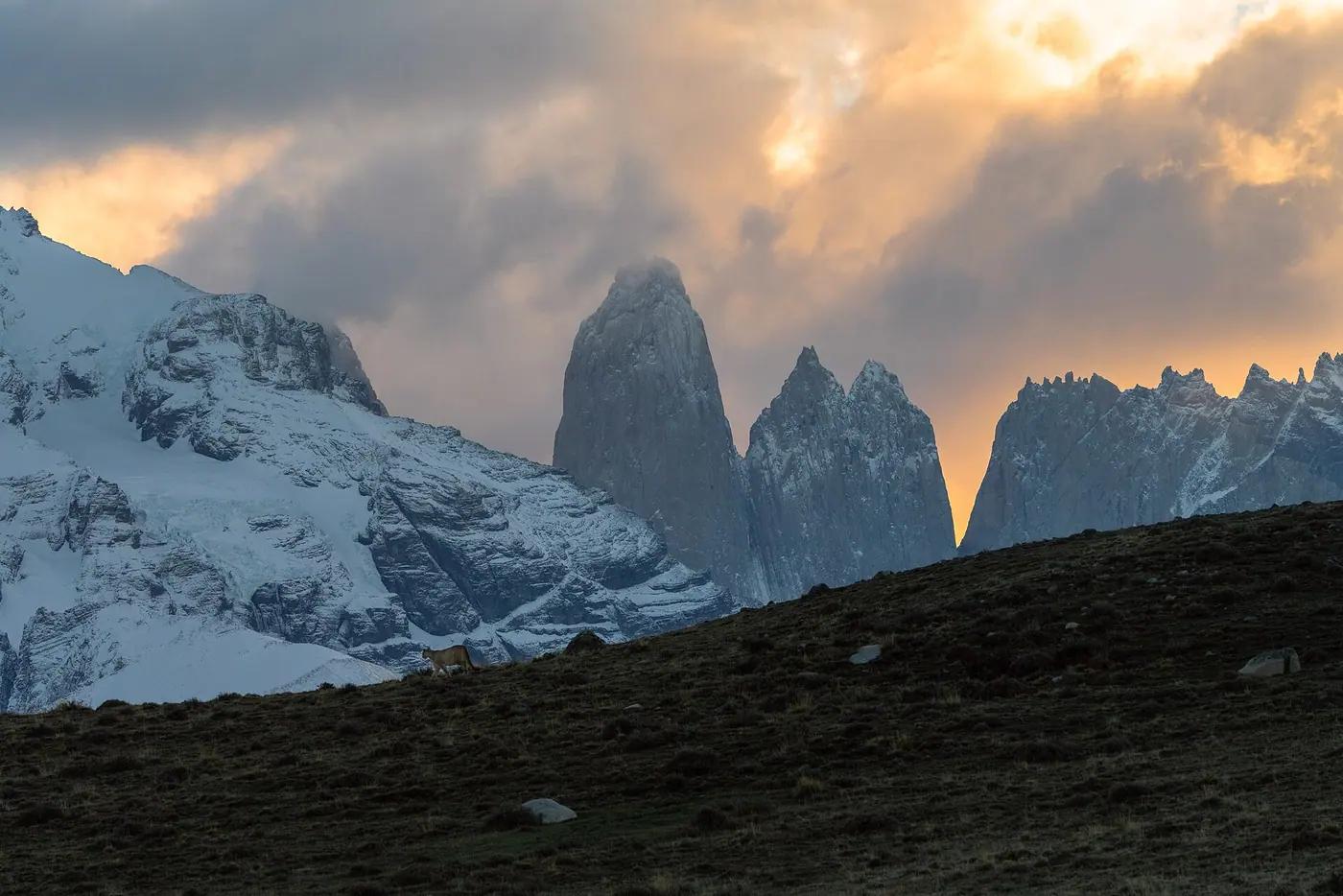
Chile runs 4,300 km from desert to ice, and its wildlife follows. Flamingos and vicuñas use the Atacama salt lakes, Humboldt penguins and chinchillas live on the central coast and hills, Darwin's foxes and pudús hide in the Chiloé rainforest, blue whales feed off the Gulf of Corcovado, and Torres del Paine is the best place on earth to watch wild pumas hunting guanacos beneath condors.
Hemmed in by the Andes, the Pacific and the Atacama, Chile evolved an unusually distinct fauna: pudús the size of a spaniel, foxes found on one island, rodents like degus and chinchillas, and the Patagonian puma population that has learnt to ignore photographers in Torres del Paine.
Each zone has an access point. San Pedro de Atacama for the altiplano, La Serena and Punta de Choros for the penguin islands, Puerto Varas and Chiloé for the temperate rainforest and whales, and Puerto Natales for the Paine massif and its cats.
Why this location matters
Good location pages explain why the place is worth your time, not just which names belong on a destination checklist.
Torres del Paine's pumas are the standout story: once shot on sight, they are now a tourism asset that the estancias around the park protect, and sightings on a dedicated tracking trip are close to guaranteed. Logging one records a conservation turnaround.
Chile is also an easy, safe country to travel independently, so a collector can string together desert, coast, rainforest and steppe in a fortnight and come home with a list no single ecosystem could provide.
Where to look
Wildlife map of Chile
This guide covers the region shown below. Zoom in to get your bearings before planning a trip.
Positions are geocoded from OpenStreetMap. Habitat access and opening times change — check locally before travelling. Smaller pins are public AnimalDex captures, placed to the nearest kilometre.
Field proof
Found in Chile by AnimalDex users
Real captures logged in the AnimalDex app inside this area and shared publicly by their collectors, with the animal confirmed by the app's identification. Places are shown to the nearest region, never the exact spot.
- 2
- public captures
- 2
- species recorded
- 1
- collectors
- 2
- wild sightings
Recent captures from the field
Species people have actually logged here
Every name links to its species guide. The count is how many public captures of that animal sit inside this area.
Collectors choose to share these captures on Discover and can withdraw them at any time. Coordinates are rounded to about a kilometre and refreshed with each site build.
Animals to spot
These are intentionally practical species picks, balancing accessibility, excitement, and what travelers can realistically notice in the location.
CougarA
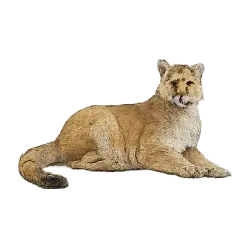
The pumas of Torres del Paine and the Laguna Amarga estancias hunt guanacos in daylight and tolerate trackers at close range.
Spotting note: Likely on a two or three day puma tracking trip; occasional from the park roads.
Read species guide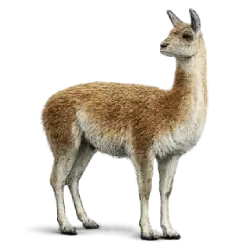
GuanacoB
Herds of wild guanacos graze the Paine steppe and the Atacama slopes, the puma's main prey and the most visible mammal in the south.
Spotting note: Guaranteed in Torres del Paine.
Read species guide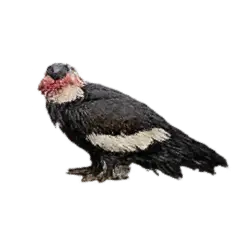
Andean CondorB
Condors roost on the cliffs above Laguna Amarga and ride the thermals over the Maipo canyon an hour from Santiago.
Spotting note: Regular in the Paine massif and the Cajón del Maipo.
Read species guide
Humboldt PenguinD
Penguins nest on Isla Choros and Isla Damas in the Humboldt Penguin National Reserve north of La Serena and on Chiloé's Puñihuil islets.
Spotting note: Reliable on boat trips from Punta de Choros.
Read species guide
Magellanic PenguinC
Big colonies breed on Isla Magdalena in the Strait of Magellan, reached by ferry from Punta Arenas, and share Puñihuil with the Humboldts.
Spotting note: Guaranteed at Isla Magdalena from October to March.
Read species guide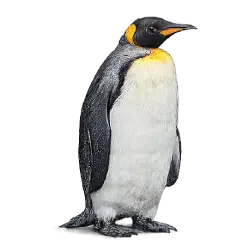
King PenguinC
A small colony at Bahía Inútil on Tierra del Fuego is the only king penguin breeding site on the American mainland.
Spotting note: Guaranteed at the Parque Pingüino Rey with a reservation.
Read species guide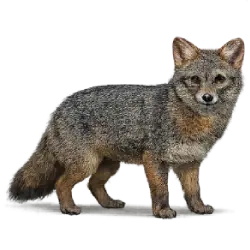
Darwin's FoxC
One of the rarest canids on earth lives almost only on Chiloé, in the Chiloé National Park and Tantauco reserve.
Spotting note: Rare; dusk around the Cucao sector of Chiloé National Park is the best bet.
Read species guide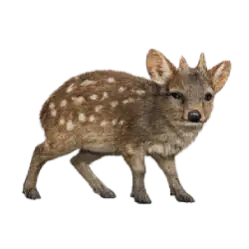
Southern PuduC
The world's smallest deer browses the bamboo understorey of the Valdivian rainforest around Puerto Varas, Chiloé and the Huilo Huilo reserve.
Spotting note: Uncommon and shy; dawn on quiet forest roads.
Read species guide
CulpeoC
The big Andean fox trots across the Atacama altiplano and the Paine steppe and scavenges around campsites.
Spotting note: Common in Torres del Paine and around San Pedro.
Read species guide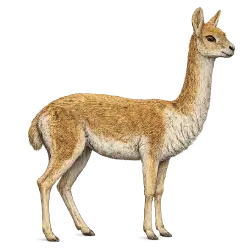
VicunaC
Wild vicuñas graze the bofedal wetlands above 4,000 m around the Tatio geysers and Lauca National Park.
Spotting note: Common on the altiplano roads out of San Pedro and Putre.
Read species guide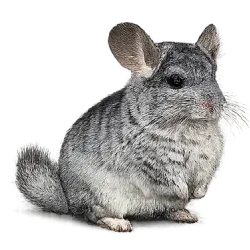
Long-tailed ChinchillaD
The wild chinchilla survives in the rocky hills of the Reserva Nacional Las Chinchillas near Illapel.
Spotting note: Rare and nocturnal; the reserve's night hide is the only realistic option.
Read species guide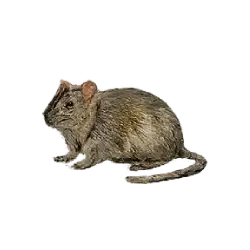
DeguD
Degus scurry between burrows on the scrubby hillsides of central Chile, including the parks on the edge of Santiago.
Spotting note: Common in central Chile matorral; look on morning walks in Río Clarillo.
Read species guide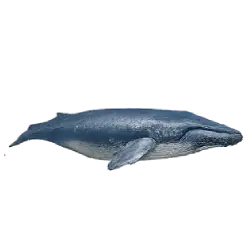
Blue WhaleA
The largest animal on earth feeds in the Gulf of Corcovado off Chiloé every austral summer.
Spotting note: Seasonal, January to April; boat trips from Chiloé or Melinka.
Read species guide
Panda AntD
A Chilean velvet ant with striking black and white fur, found in the dry coastal scrub of central Chile.
Spotting note: Uncommon; look on sandy ground in the warm months.
Read species guideBest for
Use this section to decide whether the location fits your travel style, skill level, and AnimalDex goals.
- Puma tracking in Torres del Paine
- Penguin islands from Punta de Choros to the Strait of Magellan
- Altiplano wildlife around San Pedro de Atacama
- Temperate rainforest and whales on Chiloé
Spotting tips
These tips are meant to make the page useful in the field, not just readable on the page.
- 01For pumas, stay at an estancia on the eastern edge of Torres del Paine and hire a dedicated tracker; most sightings are at dawn around Laguna Amarga and Sarmiento.
- 02Take the Punta de Choros boat early for Humboldt penguins, marine otters and dolphins before the afternoon wind picks up.
- 03In the Atacama, drive the altiplano lakes around sunrise for flamingos and vicuñas, then rest through the harsh midday light.
- 04Chiloé's Darwin's foxes and pudús need patience; walk the Cucao forest trails at dusk and keep quiet.
Virtual Wildlife Guides
Wildlife guides to Chile
AnimalDex builds virtual guides from explorers' own wild sightings: which animals they found, how rare they are, and when. A guide is advice from someone who has been there, not a tour. Buying one unlocks the author's notes for every animal, a chat with the author, and introductions to local people they met. Wildlife is never guaranteed.
Checking for virtual guides to Chile...
How to choose a local wildlife guide in Chile
- Ask what they usually find in the season you are visiting. A good guide gives an honest answer, not a promised sighting.
- Check how they treat animals: no baiting, calling in, handling, or close flash photography for a better shot.
- Confirm the meeting area, duration, group size, total price, and how you pay before the day, plus any permits or park fees the place requires.
Track the animals you find in Chile
Build your collection while you travel through Chile, from easy wins to the species worth planning around.
Related tier lists
These tier lists add broader context around the species that make this location interesting.
Biggest Animals in the World
A structured ranking of the biggest animals in the world, using the AnimalDex size stat to compare body scale across sea, land, and air.
Read tier listStealthiest Hunters in the Animal World
A structured ranking of the stealthiest hunters in the animal world, focusing on concealment, approach discipline, ambush control, and the ability to stay unread until the final moment.
Read tier listRelated locations
Keep exploring with nearby or similar destinations that support the same kind of AnimalDex discovery.
Animals in Patagonia: What You Can Spot, Learn, and Collect
Patagonia wildlife on both sides of the Andes: pumas and guanacos in Torres del Paine, Magellanic and king penguins, condors, whales, elephant seals and maras.
Read location guideAnimals in Argentina: What You Can Spot, Learn, and Collect
Wildlife in Argentina: right whales and elephant seals at Península Valdés, capybaras and caimans in Iberá, coatis at Iguazú, condors and reintroduced jaguars.
Read location guideAnimals in Peru: What You Can Spot, Learn, and Collect
A practical Peru wildlife guide built around tropical birds, wetlands, coast-linked species, and the layered habitat value that makes the country feel bigger than one simple nature stereotype.
Read location guideLocation FAQ
Short direct answers to the questions travelers usually ask before choosing a wildlife destination or zoo day.
What wildlife is there in Chile?
Pumas, guanacos, condors and foxes in Patagonia; vicuñas, flamingos and viscachas on the Atacama altiplano; Humboldt and Magellanic penguins on the coast; pudús and Darwin's foxes in the Valdivian rainforest; and blue whales, sea lions and dolphins in the southern fjords.
What animals can be found in Chile?
The sure things are guanacos, culpeo foxes and condors in Torres del Paine, penguins at Punta de Choros and Isla Magdalena, and vicuñas on the altiplano. Pumas are likely with a tracker, pudús and Darwin's foxes need luck, and blue whales are a summer boat trip off Chiloé.
Where is the best place to see pumas in Chile?
Torres del Paine National Park and the private estancias on its eastern boundary. Winter and spring (May to November) give the best visibility; dedicated tracking trips of two or three days see pumas on most days.
Are there dangerous animals in Chile?
Very few. Pumas avoid people, there are no dangerous snakes, and the main hazards are the Chilean recluse spider indoors and the cold and altitude outdoors. Chile is one of the safest countries in the world for wildlife travel.
Have AnimalDex users found animals in Chile?
Yes. AnimalDex users have publicly logged 2 captures of 2 different species in Chile, including andean sparrow, orb-weaver spider. Each one was photographed in the app at the moment of the sighting.
How do I find a wildlife guide to Chile?
Check the Wildlife Guides section on this page or browse Wildlife Guides on AnimalDex. Each one is a virtual guide built from an explorer's own wild sightings around Chile: the animals they found, how rare they are, and when. It is advice from someone who has been there, not a tour. If you want someone with you on the day, compare local guides on wildlife knowledge, how they treat animals, and clear pricing before you go.