

Animals in El Salvador: What You Can Spot, Learn, and Collect
Wildlife in El Salvador: the torogoz motmot, hawksbill and olive ridley turtles at Jiquilisco Bay, pumas and king vultures in El Imposible, Montecristo quetzals.
Jawaban cepat
Mulai dari jawaban langsung, lalu gunakan bagian di bawah untuk melihat kenapa lokasi ini penting dan hewan mana yang benar-benar realistis untuk di-spot di sana.
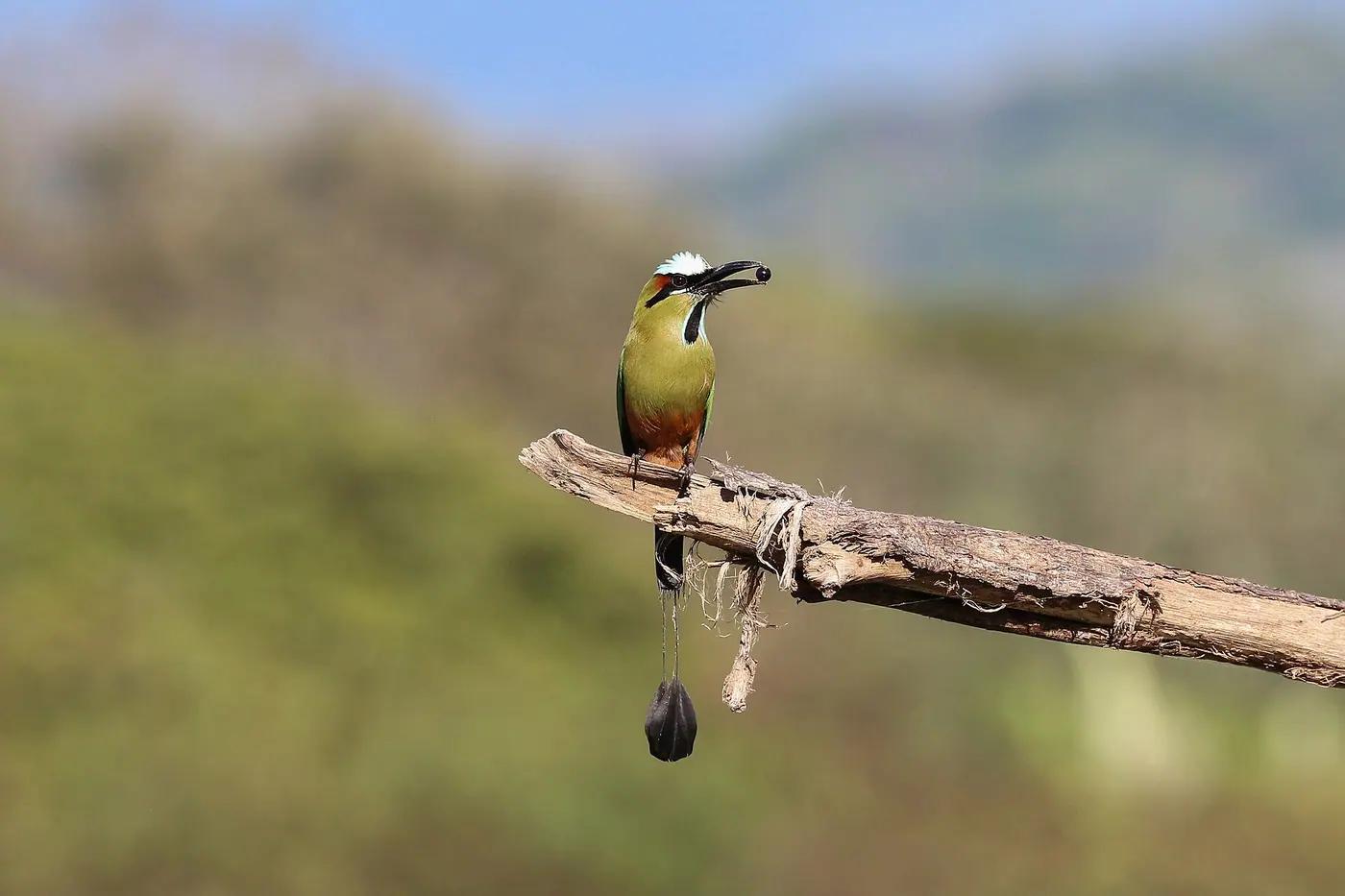
El Salvador is small and heavily farmed, but its reserves still hold real Central American wildlife. The turquoise-browed motmot, the national bird, lives in gardens and dry forest nationwide; Jiquilisco Bay is the most important hawksbill turtle nesting site in the eastern Pacific and also has olive ridleys and crocodiles; El Imposible National Park has pumas, ocelots, king vultures and great curassows; and Montecristo's cloud forest holds quetzals and emerald toucanets.
The most densely populated country on the mainland lost most of its forest long ago, so its wildlife survives in a handful of protected pockets. The good news is that they are small, close together and reachable in a day from San Salvador, and the birds in particular are easy.
El Imposible in the west is the biggest and wildest, a dry-to-humid forest on the Guatemalan border. The Cerro Verde and Santa Ana volcanoes have motmots and hummingbirds on the trails, Jiquilisco Bay in the east is a mangrove labyrinth of turtles and crocodiles, and Montecristo in the north is the only cloud forest with resplendent quetzals.
Kenapa lokasi ini penting
Halaman lokasi yang baik menjelaskan kenapa tempat ini layak dikunjungi, bukan hanya nama-nama yang cocok dimasukkan ke checklist destinasi.
Jiquilisco's hawksbills matter globally: the eastern Pacific population was thought almost extinct until nesting was rediscovered here in 2008, and local hatcheries now protect most of the nests. Watching a release there supports that recovery.
The torogoz is also a point of national pride, and the fact that a bird this spectacular lives in city parks and coffee farms shows how much wildlife can survive alongside people when it is valued.
Tempat mencari
Peta satwa liar El Salvador
Panduan ini mencakup wilayah di bawah ini. Perbesar peta untuk mengenali areanya sebelum merencanakan perjalanan.
Posisi diambil dari OpenStreetMap. Akses habitat dan jam buka bisa berubah — periksa dulu sebelum berangkat. Pin yang lebih kecil adalah capture publik AnimalDex, ditempatkan sampai kilometer terdekat.
Bukti lapangan
Ditemukan di El Salvador oleh pengguna AnimalDex
Capture nyata yang dicatat di aplikasi AnimalDex di dalam area ini dan dibagikan secara publik oleh kolektornya, dengan hewan yang dikonfirmasi oleh identifikasi aplikasi. Lokasi ditampilkan sampai tingkat wilayah, bukan titik persisnya.
- 1
- capture publik
- 1
- spesies tercatat
- 1
- kolektor
- 1
- penampakan liar
Capture terbaru dari lapangan
Spesies yang benar-benar dicatat orang di sini
Setiap nama menuju panduan spesiesnya. Angkanya adalah jumlah capture publik hewan itu di dalam area ini.
Kolektor memilih membagikan capture ini di Discover dan bisa menariknya kapan saja. Koordinat dibulatkan sekitar satu kilometer dan diperbarui setiap build situs.
Hewan untuk di-spot
Pilihan spesies di sini sengaja dibuat praktis, menyeimbangkan aksesibilitas, excitement, dan apa yang realistis untuk diperhatikan traveler di lokasi tersebut.
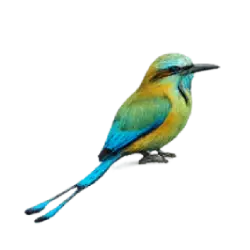
Turquoise-browed MotmotD
The torogoz, El Salvador's national bird, swings its racket tail from branches in dry forest, coffee farms and the trails at Cerro Verde.
Catatan spotting: Common; near-guaranteed on the Cerro Verde trails.
Baca panduan spesies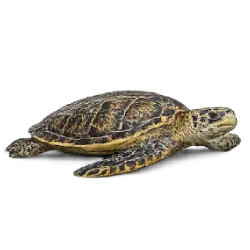
Hawksbill Sea TurtleC
Jiquilisco Bay and Punta Amapala are the main hawksbill nesting sites in the entire eastern Pacific, with hatcheries at Isla de Méndez and Barra de Santiago.
Catatan spotting: Likely at hatcheries June to September; nesting females need a night guide.
Baca panduan spesies
Olive Ridley Sea TurtleC
Olive ridleys nest on the Pacific beaches from El Cuco to Barra de Santiago, with hatchling releases most evenings in season.
Catatan spotting: Reliable at beach hatcheries from August to December.
Baca panduan spesies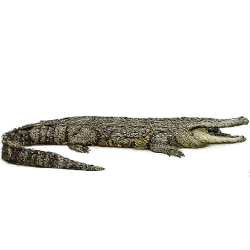
American CrocodileA
Crocodiles live in the mangrove channels of Jiquilisco Bay and the Barra de Santiago estuary and bask on the mud at low tide.
Catatan spotting: Regular on mangrove boat tours.
Baca panduan spesies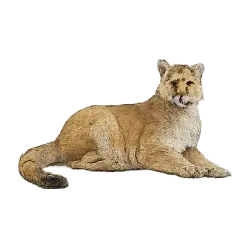
CougarA
Pumas survive in El Imposible National Park and are recorded on camera traps along the main trails.
Catatan spotting: Rarely seen; tracks on the river trails are the realistic find.
Baca panduan spesies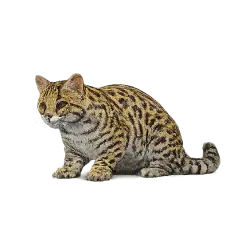
OcelotB
Ocelots hunt the forest of El Imposible and the Montecristo slopes after dark.
Catatan spotting: Rare; night walks with park guards.
Baca panduan spesies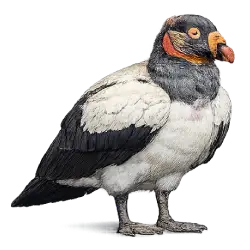
King VultureC
The white king vulture soars over the El Imposible ridges and is the park's signature bird.
Catatan spotting: Regular overhead at El Imposible on clear mornings.
Baca panduan spesies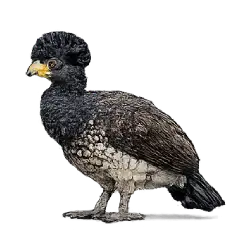
Great CurassowC
Curassows walk the El Imposible forest floor in pairs and flush noisily into the trees.
Catatan spotting: Uncommon; dawn on the quieter trails.
Baca panduan spesies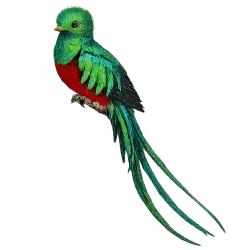
Resplendent QuetzalC
Quetzals breed in the Montecristo cloud forest on the Honduran border, the only place in the country to see them.
Catatan spotting: Likely at Montecristo from February to May with a guide.
Baca panduan spesies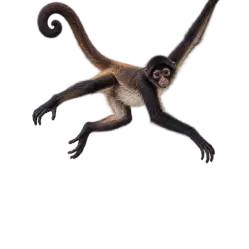
Spider MonkeyB
A small population of black-handed spider monkeys survives in El Imposible and the Nancuchiname forest, the last wild monkeys in the country.
Catatan spotting: Rare; ask the El Imposible guards where the troop has been seen.
Baca panduan spesies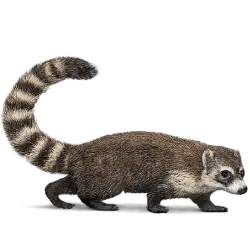
White-nosed CoatiC
Coatis forage the trails of El Imposible and Cerro Verde in bands, tails straight up.
Catatan spotting: Common in the parks.
Baca panduan spesies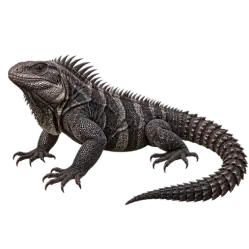
Black Spiny-tailed IguanaD
Garrobos bask on rocks and walls across the dry Pacific lowlands and the ruins at Tazumal and Joya de Cerén.
Catatan spotting: Very common in the lowlands.
Baca panduan spesies
White-tailed DeerC
The venado is El Salvador's national animal and browses the El Imposible forest edges at dusk.
Catatan spotting: Uncommon in the wild; regular at dusk in El Imposible.
Baca panduan spesies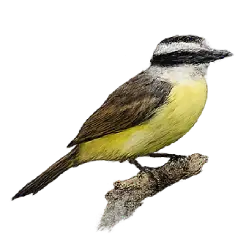
Great KiskadeeD
The cristofué shouts from wires and trees in every town and garden in the country.
Catatan spotting: Abundant everywhere.
Baca panduan spesiesPaling cocok untuk
Gunakan bagian ini untuk menilai apakah lokasi tersebut cocok dengan gaya perjalanan, level pengalaman, dan target AnimalDex kamu.
- Seeing the torogoz motmot on an easy volcano walk
- Hawksbill and olive ridley turtle releases on the Pacific coast
- Mangrove boat trips for crocodiles and herons in Jiquilisco Bay
- Dry forest hiking with king vultures and coatis in El Imposible
Tips spotting
Tips ini dibuat agar halaman ini benar-benar berguna di lapangan, bukan hanya enak dibaca di layar.
- 01Walk the Cerro Verde park trails before 09:00 for motmots, toucanets and hummingbirds while the volcano is still clear.
- 02Arrange El Imposible visits through SalvaNatura and stay at the Hostal El Imposible in San Benito to be on the trails at dawn.
- 03For turtles, base at Isla de Méndez or Barra de Santiago in the second half of the year and ask the hatchery about evening releases.
- 04Montecristo's quetzal zone needs a permit and a 4x4 from Metapán; book ahead and go in the February to May breeding season.
Wildlife Guides virtual
Panduan satwa liar ke El Salvador
AnimalDex membuat panduan virtual dari penampakan satwa liar milik para penjelajah sendiri: satwa apa yang mereka temukan, seberapa langka, dan kapan. Panduan adalah saran dari orang yang pernah ke sana, bukan tur. Membelinya membuka catatan penulis untuk setiap satwa, obrolan dengan penulis, dan perkenalan dengan warga lokal yang mereka temui. Penampakan satwa tidak pernah dijamin.
Memeriksa panduan virtual ke El Salvador...
Cara memilih pemandu satwa liar lokal di El Salvador
- Tanyakan apa yang biasanya mereka temukan pada musim kunjunganmu. Pemandu yang baik memberi jawaban jujur, bukan janji pasti melihat satwa tertentu.
- Perhatikan cara mereka memperlakukan satwa: tanpa umpan, tanpa memanggil satwa, tanpa memegang, dan tanpa flash dari jarak dekat demi foto.
- Pastikan titik temu, durasi, ukuran grup, total harga, dan cara pembayaran sebelum hari kegiatan, termasuk izin atau biaya taman yang diperlukan.
Lacak hewan yang kamu temukan di El Salvador
Bangun koleksimu sambil menjelajahi El Salvador, dari spesies yang mudah ditemukan sampai target yang layak direncanakan khusus.
Tier list terkait
Tier list ini memberi konteks yang lebih luas untuk spesies yang membuat lokasi ini menarik.
Rarest Animals in the World
A structured ranking of the rarest animals in the world, blending scarcity, vulnerability, and conservation pressure to answer the overlap between rarest and most endangered wildlife.
Baca tier listLokasi terkait
Lanjutkan eksplorasi dengan destinasi yang mirip atau berdekatan dan mendukung gaya discovery AnimalDex yang sama.
Animals in Costa Rica: What You Can Spot, Learn, and Collect
A practical Costa Rica wildlife guide built around tropical accessibility, marine add-ons, and the species that make the country so good for travel-friendly animal discovery.
Baca panduan lokasiAnimals in Mexico: What You Can Spot, Learn, and Collect
A practical Mexico wildlife guide built around wetlands, coasts, colorful birds, and the species that make the country strong for flexible animal discovery.
Baca panduan lokasiAnimals in Cartagena and the Caribbean Coast: What You Can Spot, Learn, and Collect
Wildlife on Colombia's Caribbean coast: Rosario islands reefs and turtles, sloths and capuchins in Tayrona, mangrove caimans, scarlet ibis and flamingos at La Guajira.
Baca panduan lokasiFAQ lokasi
Jawaban singkat dan langsung untuk pertanyaan yang biasanya ditanyakan traveler sebelum memilih destinasi satwa liar atau hari kebun binatang.
What wildlife is there in El Salvador?
Turquoise-browed motmots, king vultures, great curassows, quetzals and toucanets in the forests; pumas, ocelots, coatis, spider monkeys and white-tailed deer in El Imposible and Montecristo; hawksbill and olive ridley turtles, crocodiles and herons on the Pacific coast and in Jiquilisco Bay; and iguanas and kiskadees everywhere.
What animals can be found in El Salvador?
Motmots, coatis, iguanas and kiskadees are easy anywhere there is a bit of forest. Turtle hatchlings are reliable on the coast from June to December, crocodiles regular on mangrove boats, quetzals likely at Montecristo in spring, and pumas and ocelots are camera-trap animals you are unlikely to see.
Where can you see sea turtles in El Salvador?
Jiquilisco Bay (Isla de Méndez, Puerto Parada) and Barra de Santiago have hawksbill hatcheries active from June to September, and the beaches from El Cuco to Los Cóbanos release olive ridley hatchlings from August to December. Many surf hotels at El Tunco and El Zonte also host releases.
Is El Salvador safe for wildlife travel?
The national parks, volcano trails and coastal towns are well used by visitors and have been calm in recent years. Go with park guards in El Imposible and Montecristo, use local guides at Jiquilisco, and avoid driving rural roads after dark.
Apakah pengguna AnimalDex pernah menemukan hewan di El Salvador?
Ya. Pengguna AnimalDex telah mencatat 1 capture publik dari 1 spesies berbeda di El Salvador, termasuk silky carpenter ant. Semuanya difoto di aplikasi pada saat penampakan.
Bagaimana cara menemukan panduan satwa liar ke El Salvador?
Lihat bagian Wildlife Guides di halaman ini atau jelajahi Wildlife Guides di AnimalDex. Setiap panduan adalah panduan virtual yang dibuat dari penampakan satwa liar milik seorang penjelajah di sekitar El Salvador: satwa yang mereka temukan, seberapa langka, dan kapan. Ini saran dari orang yang pernah ke sana, bukan tur. Jika kamu ingin ditemani seseorang di lokasi, bandingkan pemandu lokal dari pengetahuan satwanya, cara mereka memperlakukan satwa, dan kejelasan harganya sebelum berangkat.