

Animals in El Salvador: What You Can Spot, Learn, and Collect
Wildlife in El Salvador: the torogoz motmot, hawksbill and olive ridley turtles at Jiquilisco Bay, pumas and king vultures in El Imposible, Montecristo quetzals.
Quick answer
Start with the direct answer, then use the sections below to see why the location matters and which animals are actually realistic to spot there.
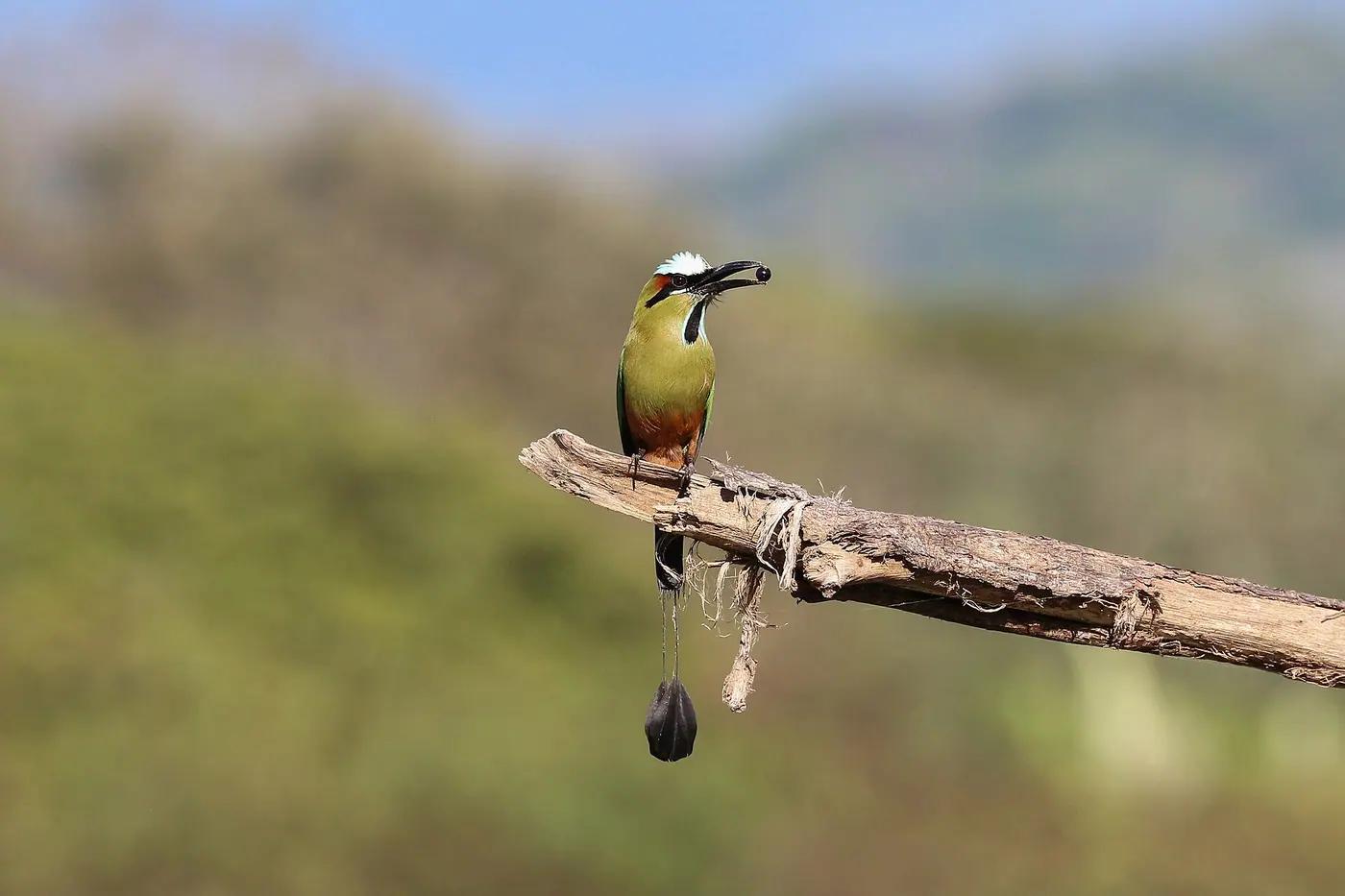
El Salvador is small and heavily farmed, but its reserves still hold real Central American wildlife. The turquoise-browed motmot, the national bird, lives in gardens and dry forest nationwide; Jiquilisco Bay is the most important hawksbill turtle nesting site in the eastern Pacific and also has olive ridleys and crocodiles; El Imposible National Park has pumas, ocelots, king vultures and great curassows; and Montecristo's cloud forest holds quetzals and emerald toucanets.
The most densely populated country on the mainland lost most of its forest long ago, so its wildlife survives in a handful of protected pockets. The good news is that they are small, close together and reachable in a day from San Salvador, and the birds in particular are easy.
El Imposible in the west is the biggest and wildest, a dry-to-humid forest on the Guatemalan border. The Cerro Verde and Santa Ana volcanoes have motmots and hummingbirds on the trails, Jiquilisco Bay in the east is a mangrove labyrinth of turtles and crocodiles, and Montecristo in the north is the only cloud forest with resplendent quetzals.
Why this location matters
Good location pages explain why the place is worth your time, not just which names belong on a destination checklist.
Jiquilisco's hawksbills matter globally: the eastern Pacific population was thought almost extinct until nesting was rediscovered here in 2008, and local hatcheries now protect most of the nests. Watching a release there supports that recovery.
The torogoz is also a point of national pride, and the fact that a bird this spectacular lives in city parks and coffee farms shows how much wildlife can survive alongside people when it is valued.
Where to look
Wildlife map of El Salvador
This guide covers the region shown below. Zoom in to get your bearings before planning a trip.
Positions are geocoded from OpenStreetMap. Habitat access and opening times change — check locally before travelling. Smaller pins are public AnimalDex captures, placed to the nearest kilometre.
Field proof
Found in El Salvador by AnimalDex users
Real captures logged in the AnimalDex app inside this area and shared publicly by their collectors, with the animal confirmed by the app's identification. Places are shown to the nearest region, never the exact spot.
- 1
- public captures
- 1
- species recorded
- 1
- collectors
- 1
- wild sightings
Recent captures from the field
Species people have actually logged here
Every name links to its species guide. The count is how many public captures of that animal sit inside this area.
Collectors choose to share these captures on Discover and can withdraw them at any time. Coordinates are rounded to about a kilometre and refreshed with each site build.
Animals to spot
These are intentionally practical species picks, balancing accessibility, excitement, and what travelers can realistically notice in the location.
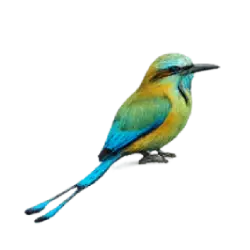
Turquoise-browed MotmotD
The torogoz, El Salvador's national bird, swings its racket tail from branches in dry forest, coffee farms and the trails at Cerro Verde.
Spotting note: Common; near-guaranteed on the Cerro Verde trails.
Read species guide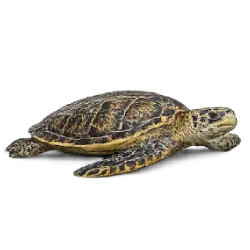
Hawksbill Sea TurtleC
Jiquilisco Bay and Punta Amapala are the main hawksbill nesting sites in the entire eastern Pacific, with hatcheries at Isla de Méndez and Barra de Santiago.
Spotting note: Likely at hatcheries June to September; nesting females need a night guide.
Read species guide
Olive Ridley Sea TurtleC
Olive ridleys nest on the Pacific beaches from El Cuco to Barra de Santiago, with hatchling releases most evenings in season.
Spotting note: Reliable at beach hatcheries from August to December.
Read species guide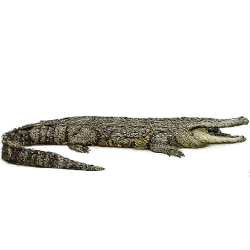
American CrocodileA
Crocodiles live in the mangrove channels of Jiquilisco Bay and the Barra de Santiago estuary and bask on the mud at low tide.
Spotting note: Regular on mangrove boat tours.
Read species guide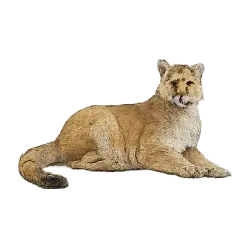
CougarA
Pumas survive in El Imposible National Park and are recorded on camera traps along the main trails.
Spotting note: Rarely seen; tracks on the river trails are the realistic find.
Read species guide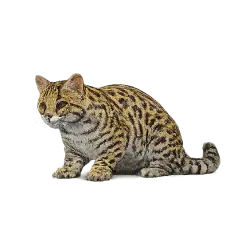
OcelotB
Ocelots hunt the forest of El Imposible and the Montecristo slopes after dark.
Spotting note: Rare; night walks with park guards.
Read species guide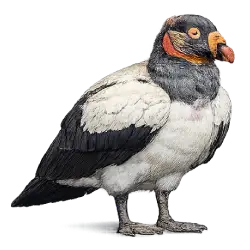
King VultureC
The white king vulture soars over the El Imposible ridges and is the park's signature bird.
Spotting note: Regular overhead at El Imposible on clear mornings.
Read species guide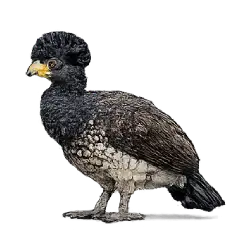
Great CurassowC
Curassows walk the El Imposible forest floor in pairs and flush noisily into the trees.
Spotting note: Uncommon; dawn on the quieter trails.
Read species guide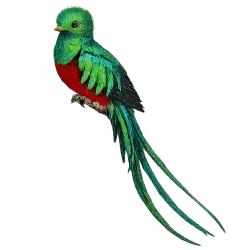
Resplendent QuetzalC
Quetzals breed in the Montecristo cloud forest on the Honduran border, the only place in the country to see them.
Spotting note: Likely at Montecristo from February to May with a guide.
Read species guide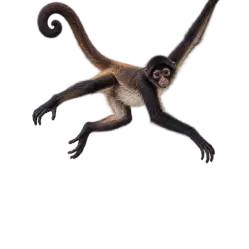
Spider MonkeyB
A small population of black-handed spider monkeys survives in El Imposible and the Nancuchiname forest, the last wild monkeys in the country.
Spotting note: Rare; ask the El Imposible guards where the troop has been seen.
Read species guide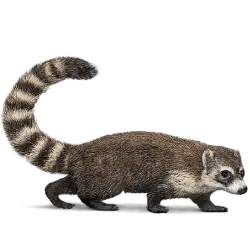
White-nosed CoatiC
Coatis forage the trails of El Imposible and Cerro Verde in bands, tails straight up.
Spotting note: Common in the parks.
Read species guide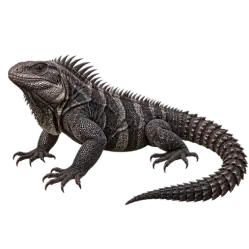
Black Spiny-tailed IguanaD
Garrobos bask on rocks and walls across the dry Pacific lowlands and the ruins at Tazumal and Joya de Cerén.
Spotting note: Very common in the lowlands.
Read species guide
White-tailed DeerC
The venado is El Salvador's national animal and browses the El Imposible forest edges at dusk.
Spotting note: Uncommon in the wild; regular at dusk in El Imposible.
Read species guide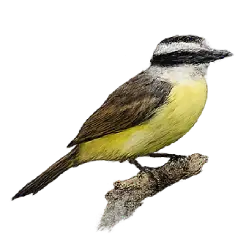
Great KiskadeeD
The cristofué shouts from wires and trees in every town and garden in the country.
Spotting note: Abundant everywhere.
Read species guideBest for
Use this section to decide whether the location fits your travel style, skill level, and AnimalDex goals.
- Seeing the torogoz motmot on an easy volcano walk
- Hawksbill and olive ridley turtle releases on the Pacific coast
- Mangrove boat trips for crocodiles and herons in Jiquilisco Bay
- Dry forest hiking with king vultures and coatis in El Imposible
Spotting tips
These tips are meant to make the page useful in the field, not just readable on the page.
- 01Walk the Cerro Verde park trails before 09:00 for motmots, toucanets and hummingbirds while the volcano is still clear.
- 02Arrange El Imposible visits through SalvaNatura and stay at the Hostal El Imposible in San Benito to be on the trails at dawn.
- 03For turtles, base at Isla de Méndez or Barra de Santiago in the second half of the year and ask the hatchery about evening releases.
- 04Montecristo's quetzal zone needs a permit and a 4x4 from Metapán; book ahead and go in the February to May breeding season.
Virtual Wildlife Guides
Wildlife guides to El Salvador
AnimalDex builds virtual guides from explorers' own wild sightings: which animals they found, how rare they are, and when. A guide is advice from someone who has been there, not a tour. Buying one unlocks the author's notes for every animal, a chat with the author, and introductions to local people they met. Wildlife is never guaranteed.
Checking for virtual guides to El Salvador...
How to choose a local wildlife guide in El Salvador
- Ask what they usually find in the season you are visiting. A good guide gives an honest answer, not a promised sighting.
- Check how they treat animals: no baiting, calling in, handling, or close flash photography for a better shot.
- Confirm the meeting area, duration, group size, total price, and how you pay before the day, plus any permits or park fees the place requires.
Track the animals you find in El Salvador
Build your collection while you travel through El Salvador, from easy wins to the species worth planning around.
Related tier lists
These tier lists add broader context around the species that make this location interesting.
Rarest Animals in the World
A structured ranking of the rarest animals in the world, blending scarcity, vulnerability, and conservation pressure to answer the overlap between rarest and most endangered wildlife.
Read tier listRelated locations
Keep exploring with nearby or similar destinations that support the same kind of AnimalDex discovery.
Animals in Costa Rica: What You Can Spot, Learn, and Collect
A practical Costa Rica wildlife guide built around tropical accessibility, marine add-ons, and the species that make the country so good for travel-friendly animal discovery.
Read location guideAnimals in Mexico: What You Can Spot, Learn, and Collect
A practical Mexico wildlife guide built around wetlands, coasts, colorful birds, and the species that make the country strong for flexible animal discovery.
Read location guideAnimals in Cartagena and the Caribbean Coast: What You Can Spot, Learn, and Collect
Wildlife on Colombia's Caribbean coast: Rosario islands reefs and turtles, sloths and capuchins in Tayrona, mangrove caimans, scarlet ibis and flamingos at La Guajira.
Read location guideLocation FAQ
Short direct answers to the questions travelers usually ask before choosing a wildlife destination or zoo day.
What wildlife is there in El Salvador?
Turquoise-browed motmots, king vultures, great curassows, quetzals and toucanets in the forests; pumas, ocelots, coatis, spider monkeys and white-tailed deer in El Imposible and Montecristo; hawksbill and olive ridley turtles, crocodiles and herons on the Pacific coast and in Jiquilisco Bay; and iguanas and kiskadees everywhere.
What animals can be found in El Salvador?
Motmots, coatis, iguanas and kiskadees are easy anywhere there is a bit of forest. Turtle hatchlings are reliable on the coast from June to December, crocodiles regular on mangrove boats, quetzals likely at Montecristo in spring, and pumas and ocelots are camera-trap animals you are unlikely to see.
Where can you see sea turtles in El Salvador?
Jiquilisco Bay (Isla de Méndez, Puerto Parada) and Barra de Santiago have hawksbill hatcheries active from June to September, and the beaches from El Cuco to Los Cóbanos release olive ridley hatchlings from August to December. Many surf hotels at El Tunco and El Zonte also host releases.
Is El Salvador safe for wildlife travel?
The national parks, volcano trails and coastal towns are well used by visitors and have been calm in recent years. Go with park guards in El Imposible and Montecristo, use local guides at Jiquilisco, and avoid driving rural roads after dark.
Have AnimalDex users found animals in El Salvador?
Yes. AnimalDex users have publicly logged 1 captures of 1 different species in El Salvador, including silky carpenter ant. Each one was photographed in the app at the moment of the sighting.
How do I find a wildlife guide to El Salvador?
Check the Wildlife Guides section on this page or browse Wildlife Guides on AnimalDex. Each one is a virtual guide built from an explorer's own wild sightings around El Salvador: the animals they found, how rare they are, and when. It is advice from someone who has been there, not a tour. If you want someone with you on the day, compare local guides on wildlife knowledge, how they treat animals, and clear pricing before you go.