

Animals in Cartagena and the Caribbean Coast: What You Can Spot, Learn, and Collect
Wildlife on Colombia's Caribbean coast: Rosario islands reefs and turtles, sloths and capuchins in Tayrona, mangrove caimans, scarlet ibis and flamingos at La Guajira.
Jawaban cepat
Mulai dari jawaban langsung, lalu gunakan bagian di bawah untuk melihat kenapa lokasi ini penting dan hewan mana yang benar-benar realistis untuk di-spot di sana.
Cartagena is the base for Colombia's Caribbean wildlife. The Rosario and San Bernardo islands have coral reefs with parrotfish, angelfish, spiny lobsters and sea turtles; the mangroves of the Ciénaga de la Virgen and La Boquilla hold caimans, crocodiles and herons; Tayrona National Park near Santa Marta has sloths, capuchins, howlers and toucans on the beach trails; and the La Guajira lagoons fill with flamingos and scarlet ibis.
The old city itself is pelicans, frigatebirds and iguanas in the Parque del Centenario, but the coast around it is the real draw. Forty minutes by boat the Rosario islands sit on the edge of a coral shelf, and an hour inland the dry forest and mangroves hold cotton-top tamarins and crocodiles.
East along the coast the Sierra Nevada falls straight into the sea at Tayrona, where rainforest meets beach and sloths hang over the swimming coves. Further east still the desert of La Guajira holds the great flamingo lagoons at Camarones. Together they make the Caribbean coast Colombia's most varied wildlife region outside the Amazon.
Kenapa lokasi ini penting
Halaman lokasi yang baik menjelaskan kenapa tempat ini layak dikunjungi, bukan hanya nama-nama yang cocok dimasukkan ke checklist destinasi.
The cotton-top tamarin, one of the rarest primates in the world, lives only in the dry forest of this coast, and projects near Cartagena are the best place to see it. Logging one supports a species down to a few thousand individuals.
The reefs are under pressure from warming water and the invasive lionfish, and the Rosario islands are a case study in a Caribbean reef being managed back to health. Snorkellers who log what they see add to that record.
Tempat mencari
Peta satwa liar Cartagena and the Caribbean coast
Panduan ini mencakup wilayah di bawah ini. Perbesar peta untuk mengenali areanya sebelum merencanakan perjalanan.
Posisi diambil dari OpenStreetMap. Akses habitat dan jam buka bisa berubah — periksa dulu sebelum berangkat.
Hewan untuk di-spot
Pilihan spesies di sini sengaja dibuat praktis, menyeimbangkan aksesibilitas, excitement, dan apa yang realistis untuk diperhatikan traveler di lokasi tersebut.
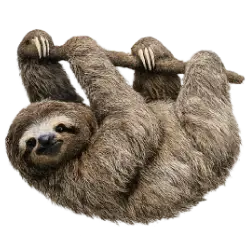
Three-toed SlothD
Sloths hang in the trees above the Cabo San Juan and Arrecifes trails in Tayrona and even over the beaches.
Catatan spotting: Likely in Tayrona; look up at every cecropia.
Baca panduan spesies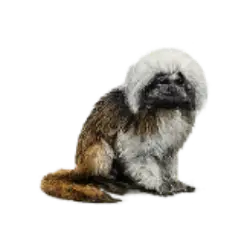
Cotton-top TamarinC
Colombia's tiny endemic tamarin survives in the dry forest between Cartagena and Montes de María, where the Proyecto Tití reserve protects it.
Catatan spotting: Likely only on a guided Proyecto Tití visit near Santa Catalina.
Baca panduan spesies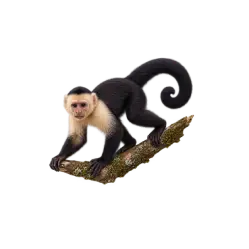
Capuchin MonkeyC
Capuchin troops cross the Tayrona trails and raid the campsites at Cabo San Juan.
Catatan spotting: Common in Tayrona.
Baca panduan spesies
Green IguanaD
Iguanas bask in the trees of Cartagena's Parque del Centenario and on the mangrove edges of La Boquilla.
Catatan spotting: Guaranteed in the city parks.
Baca panduan spesies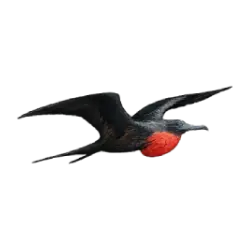
Magnificent FrigatebirdC
Frigatebirds hang over the Cartagena bay, the Bocagrande beaches and the Rosario islands all day.
Catatan spotting: Daily over the city and coast.
Baca panduan spesies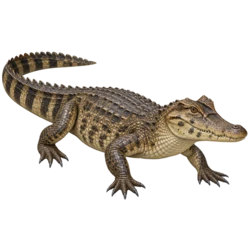
Spectacled CaimanC
Spectacled caimans float in the mangrove channels of the Ciénaga de la Virgen and the La Boquilla canoe tours.
Catatan spotting: Regular on mangrove canoe trips, especially at dusk.
Baca panduan spesies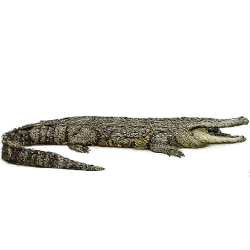
American CrocodileA
Big American crocodiles live in the coastal lagoons and mangroves from the Canal del Dique to the Ciénaga Grande.
Catatan spotting: Uncommon; most seen from boats in the Ciénaga Grande de Santa Marta.
Baca panduan spesies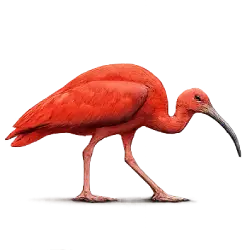
Scarlet IbisC
Scarlet ibis feed on the mudflats of the Ciénaga Grande and the La Guajira lagoons alongside the flamingos.
Catatan spotting: Regular in the Ciénaga Grande and at Los Flamencos sanctuary.
Baca panduan spesies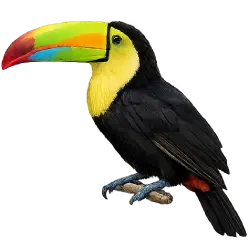
Keel-billed ToucanC
Toucans call from the forest canopy around Minca and the upper Tayrona trails.
Catatan spotting: Regular around Minca and the Tayrona hills.
Baca panduan spesies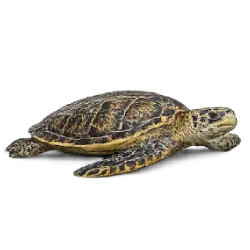
Hawksbill Sea TurtleC
Hawksbills forage the Rosario and San Bernardo reefs and nest on the quieter island beaches.
Catatan spotting: Likely on a reef snorkel at Isla Grande or Barú.
Baca panduan spesies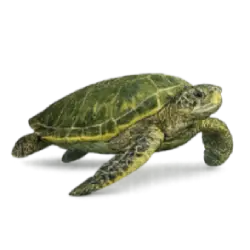
Green Sea TurtleC
Green turtles graze the seagrass beds around the Rosario islands and off Playa Blanca.
Catatan spotting: Likely for snorkellers at the Rosarios.
Baca panduan spesies
Blue ParrotfishC
Big blue parrotfish crunch coral on the Rosario reefs and are the most obvious fish on any snorkel.
Catatan spotting: Common on the island reefs.
Baca panduan spesies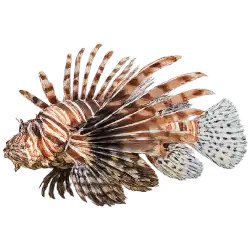
LionfishD
The invasive lionfish has colonised every Caribbean Colombian reef and is now hunted by local divers to protect them.
Catatan spotting: Common on the Rosario reefs; look under overhangs.
Baca panduan spesies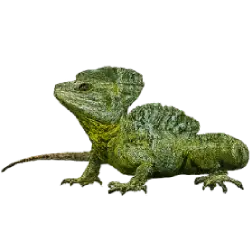
Common BasiliskD
Jesus Christ lizards sprint across the streams and pools of Tayrona and the Sierra Nevada foothills.
Catatan spotting: Common near fresh water in Tayrona.
Baca panduan spesiesPaling cocok untuk
Gunakan bagian ini untuk menilai apakah lokasi tersebut cocok dengan gaya perjalanan, level pengalaman, dan target AnimalDex kamu.
- Reef snorkelling and diving in the Rosario islands
- Beach-and-rainforest wildlife at Tayrona National Park
- Mangrove canoe trips for caimans and herons from Cartagena
- Flamingos and scarlet ibis in La Guajira
Tips spotting
Tips ini dibuat agar halaman ini benar-benar berguna di lapangan, bukan hanya enak dibaca di layar.
- 01Snorkel the Rosarios from Isla Grande or the Oceanario area early, before the day-trip boats arrive and stir the water.
- 02In Tayrona, walk the Arrecifes to Cabo San Juan trail at opening with binoculars for sloths, capuchins and toucans, then swim.
- 03Book a La Boquilla mangrove canoe at sunset for caimans, night herons and the fishing-village birdlife.
- 04Contact Proyecto Tití in advance for cotton-top tamarin visits; the animals are wild and sightings depend on a guide knowing the troop.
Wildlife Guides virtual
Panduan satwa liar ke Cartagena and the Caribbean coast
AnimalDex membuat panduan virtual dari penampakan satwa liar milik para penjelajah sendiri: satwa apa yang mereka temukan, seberapa langka, dan kapan. Panduan adalah saran dari orang yang pernah ke sana, bukan tur. Membelinya membuka catatan penulis untuk setiap satwa, obrolan dengan penulis, dan perkenalan dengan warga lokal yang mereka temui. Penampakan satwa tidak pernah dijamin.
Memeriksa panduan virtual ke Cartagena and the Caribbean coast...
Cara memilih pemandu satwa liar lokal di Cartagena and the Caribbean coast
- Tanyakan apa yang biasanya mereka temukan pada musim kunjunganmu. Pemandu yang baik memberi jawaban jujur, bukan janji pasti melihat satwa tertentu.
- Perhatikan cara mereka memperlakukan satwa: tanpa umpan, tanpa memanggil satwa, tanpa memegang, dan tanpa flash dari jarak dekat demi foto.
- Pastikan titik temu, durasi, ukuran grup, total harga, dan cara pembayaran sebelum hari kegiatan, termasuk izin atau biaya taman yang diperlukan.
Lacak hewan yang kamu temukan di Cartagena and the Caribbean coast
Bangun koleksimu sambil menjelajahi Cartagena and the Caribbean coast, dari spesies yang mudah ditemukan sampai target yang layak direncanakan khusus.
Tier list terkait
Tier list ini memberi konteks yang lebih luas untuk spesies yang membuat lokasi ini menarik.
Most Invasive Species in the World
A structured ranking of the most invasive species in the world, balancing establishment success, ecological disruption, spread potential, and how difficult the species is to remove once it takes hold.
Baca tier listRarest Animals in the World
A structured ranking of the rarest animals in the world, blending scarcity, vulnerability, and conservation pressure to answer the overlap between rarest and most endangered wildlife.
Baca tier listLokasi terkait
Lanjutkan eksplorasi dengan destinasi yang mirip atau berdekatan dan mendukung gaya discovery AnimalDex yang sama.
Animals in Colombia: What You Can Spot, Learn, and Collect
A practical Colombia wildlife guide built around tropical birds, forests, wetlands, and the layered species mix that makes the country one of South America's richest wildlife destinations.
Baca panduan lokasiAnimals in the Amazon Rainforest: What You Can Spot, Learn, and Collect
What animals live in the Amazon rainforest: pink river dolphins, sloths, macaws, hoatzins, caimans and giant otters, and how realistic a jaguar sighting is.
Baca panduan lokasiAnimals in Trinidad and Tobago: What You Can Spot, Learn, and Collect
Wildlife in Trinidad and Tobago: scarlet ibis at Caroni swamp, leatherback turtles at Grande Riviere, oilbirds and hummingbirds at Asa Wright, Tobago's reefs.
Baca panduan lokasiFAQ lokasi
Jawaban singkat dan langsung untuk pertanyaan yang biasanya ditanyakan traveler sebelum memilih destinasi satwa liar atau hari kebun binatang.
What wildlife is there in Cartagena?
Reef fish, sea turtles and lobsters on the Rosario and San Bernardo islands; caimans, crocodiles, herons and ibises in the mangroves; sloths, capuchins, howler monkeys and toucans in Tayrona; cotton-top tamarins in the dry forest near Cartagena; and flamingos and scarlet ibis in the La Guajira lagoons.
What animals can be found in Cartagena?
In the city: iguanas, pelicans and frigatebirds. On a Rosario islands day trip: parrotfish, angelfish, turtles and the occasional lobster or lionfish. On a mangrove canoe: caimans and herons. Two hours east in Tayrona: sloths, monkeys and toucans.
Is the snorkelling good in the Rosario islands?
It is the best reef snorkelling on Colombia's mainland coast. Expect parrotfish, angelfish, sergeant majors, sea turtles and healthy soft coral on the sheltered side of Isla Grande; visibility is best from December to April when the rivers run low.
Can you see flamingos near Cartagena?
Not in the city. The Los Flamencos sanctuary at Camarones in La Guajira, about five hours east, has the flocks, and the Ciénaga Grande de Santa Marta sometimes holds smaller groups with scarlet ibis.
Bagaimana cara menemukan panduan satwa liar ke Cartagena and the Caribbean coast?
Lihat bagian Wildlife Guides di halaman ini atau jelajahi Wildlife Guides di AnimalDex. Setiap panduan adalah panduan virtual yang dibuat dari penampakan satwa liar milik seorang penjelajah di sekitar Cartagena and the Caribbean coast: satwa yang mereka temukan, seberapa langka, dan kapan. Ini saran dari orang yang pernah ke sana, bukan tur. Jika kamu ingin ditemani seseorang di lokasi, bandingkan pemandu lokal dari pengetahuan satwanya, cara mereka memperlakukan satwa, dan kejelasan harganya sebelum berangkat.