

Animals in Hawaii: What You Can Spot, Learn, and Collect
Hawaii wildlife guide: humpback whales off Maui, green sea turtles at Laniakea and Punaluʻu, Kona manta night dives, nene geese at Haleakalā, Kauai albatrosses, spinner dolphins and the islands' feral chickens, deer and chameleons.
Jawaban cepat
Mulai dari jawaban langsung, lalu gunakan bagian di bawah untuk melihat kenapa lokasi ini penting dan hewan mana yang benar-benar realistis untuk di-spot di sana.
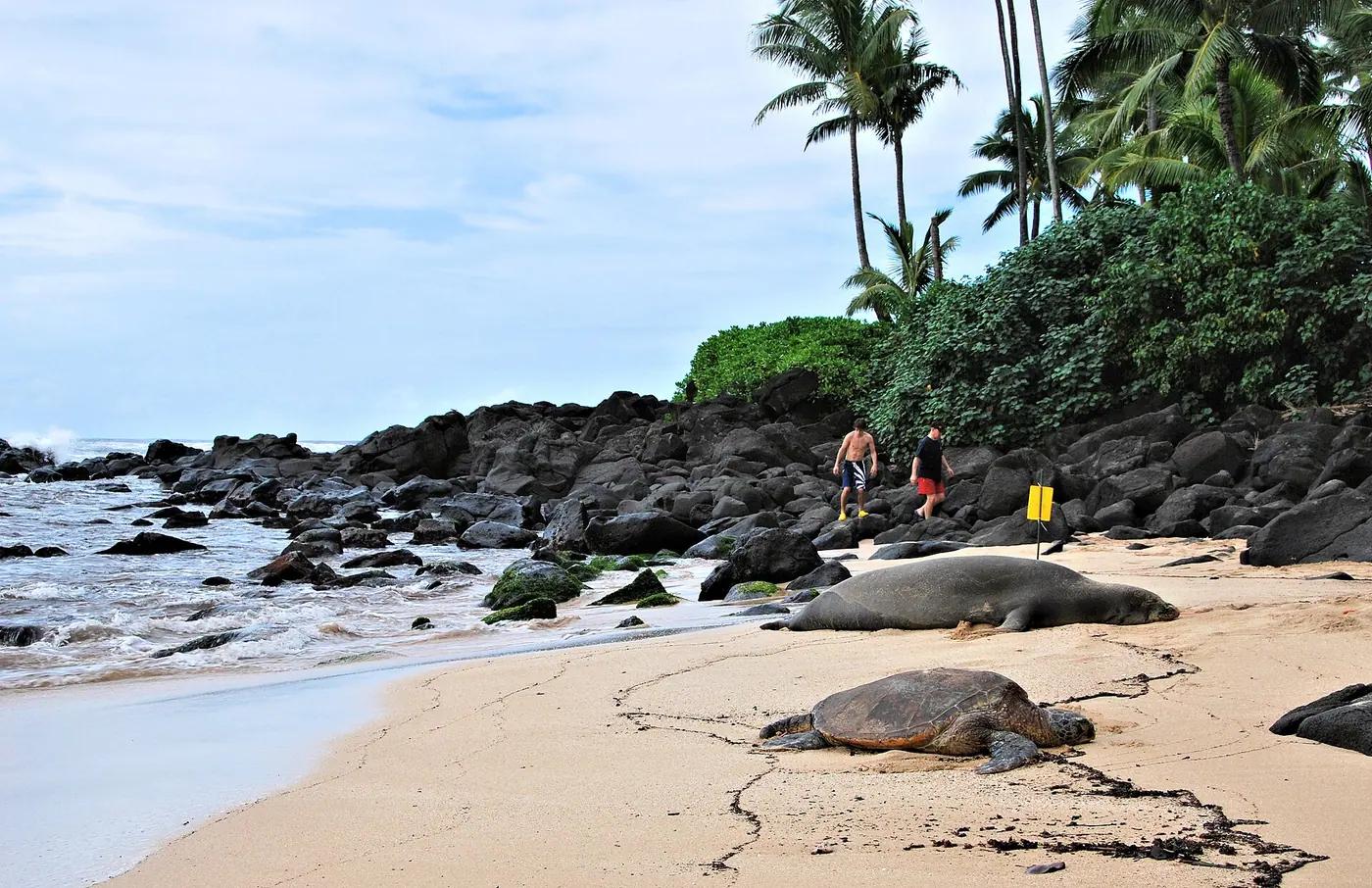
Hawaii's wildlife is mostly in the water: humpback whales fill the Maui channel from December to April, green sea turtles haul out on Oʻahu's Laniakea and the Big Island's Punaluʻu black sand, spinner dolphins rest in Kona's bays and reef mantas feed under the lights off Kona every night. On land the native nene goose grazes Haleakalā and Kīlauea, Laysan albatrosses nest on Kauai's north shore, and introduced chital deer, Jackson's chameleons, mynas and feral chickens are everywhere.
The Hawaiian Islands are the most isolated archipelago on earth, so the native land animals are birds, one bat and a monk seal, and most of what you meet on a hike was introduced. The honest Hawaii collection has both: a nene on a volcano and a chameleon in a Maui garden.
The sea is where the islands are richest. Hawaiʻi Humpback Whale National Marine Sanctuary covers the shallow channel between Maui, Molokaʻi and Lānaʻi, and the Kona coast's calm leeward water gives the most dependable dolphin and manta encounters in the US.
Mulai dari hewan ini
Kenapa lokasi ini penting
Halaman lokasi yang baik menjelaskan kenapa tempat ini layak dikunjungi, bukan hanya nama-nama yang cocok dimasukkan ke checklist destinasi.
The nene, Hawaii's state bird, dropped to about 30 birds in the 1950s. Captive breeding and release brought it back to over 3,000, and watching one graze a Haleakalā car park is watching one of the earliest bird rescues succeed.
Hawaii is also the extinction capital of the United States, and the native forest birds, the honeycreepers, are retreating uphill ahead of mosquito-borne malaria. Seeing a scarlet ʻiʻiwi at Hosmer Grove or Hakalau is a privilege that may not last.
Tempat mencari
Peta satwa liar Hawaii
Panduan ini mencakup wilayah di bawah ini. Perbesar peta untuk mengenali areanya sebelum merencanakan perjalanan.
Posisi diambil dari OpenStreetMap. Akses habitat dan jam buka bisa berubah — periksa dulu sebelum berangkat.
Hewan untuk di-spot
Pilihan spesies di sini sengaja dibuat praktis, menyeimbangkan aksesibilitas, excitement, dan apa yang realistis untuk diperhatikan traveler di lokasi tersebut.
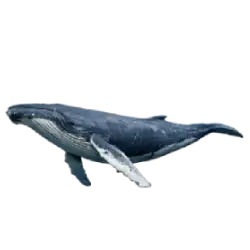
Humpback WhaleA
Up to 10,000 North Pacific humpbacks winter in the shallow channel between Maui, Lānaʻi and Molokaʻi, breaching within sight of the Lahaina and Kīhei shorelines.
Catatan spotting: Guaranteed from Maui boats and shoreline lookouts from January to March; season runs December to April.
Baca panduan spesies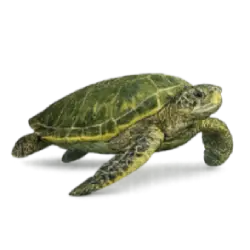
Green Sea TurtleC
Honu haul out to bask on Laniakea Beach on Oʻahu's North Shore and the black sand at Punaluʻu on the Big Island, and graze algae off Maui's Maluaka Beach.
Catatan spotting: Near-guaranteed at Laniakea and Punaluʻu; stay 3 metres back, it is the law.
Baca panduan spesies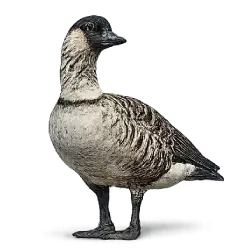
NeneC
The world's rarest goose grazes the lawns of Haleakalā's summit road on Maui and the Kīlauea area of Hawaiʻi Volcanoes National Park, often beside the road signs that warn drivers about it.
Catatan spotting: Reliable at Haleakalā's Hosmer Grove and park headquarters, and around Kīlauea.
Baca panduan spesies
Spinner DolphinA
Pods rest by day in Kona's Kealakekua and Hōnaunau bays and off Lānaʻi's Hulopoʻe Beach after hunting offshore at night.
Catatan spotting: Likely on Kona morning boat trips; swimming with them is now prohibited to let them rest.
Baca panduan spesies
Reef Manta RayB
The Kona manta night dive and snorkel at Garden Eel Cove and Keauhou Bay draws mantas with wingspans over three metres to feed on plankton under dive lights.
Catatan spotting: Very likely on the Kona night trips year-round; operators report mantas on over 90 percent of nights.
Baca panduan spesies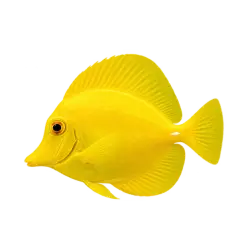
Yellow TangE
Schools of bright yellow surgeonfish flash across every Kona and Maui reef and were the iconic fish of Hawaii's aquarium trade before collection was halted.
Catatan spotting: Guaranteed on any reef snorkel; Kahaluʻu and Two Step are easy.
Baca panduan spesies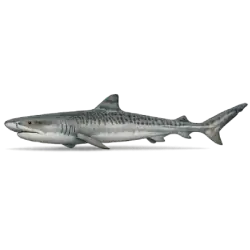
Tiger SharkA
Hawaii's apex reef predator, tagged extensively around Maui and Oʻahu and seen on cage-free shark dives off Haleʻiwa.
Catatan spotting: Uncommon for snorkellers; realistic on Oʻahu North Shore shark boats.
Baca panduan spesies
Laysan AlbatrossC
Nests on Kauai's north shore at Kīlauea Point refuge and Princeville lawns, and on Oʻahu's Kaʻena Point, gliding past the cliffs on three-metre wings.
Catatan spotting: Reliable from November to July at Kīlauea Point and Kaʻena Point.
Baca panduan spesies
White-tailed TropicbirdC
Soars over the Kīlauea caldera in Hawaiʻi Volcanoes National Park and the cliffs of Kauai's Waimea Canyon, trailing long white tail streamers.
Catatan spotting: Common over Kīlauea and Waimea Canyon lookouts.
Baca panduan spesies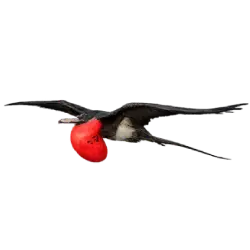
Great FrigatebirdC
The ʻiwa hangs over Kīlauea Point and the Mokulua islets off Oʻahu's Kailua, robbing boobies of their catch.
Catatan spotting: Common at Kīlauea Point refuge and along windward coasts.
Baca panduan spesies
ChitalC
Axis deer introduced in 1868 now number tens of thousands on Maui, Molokaʻi and Lānaʻi, grazing the Upcountry pastures and Lānaʻi's dry slopes at dusk.
Catatan spotting: Common on Maui's Upcountry roads and across Lānaʻi at dawn and dusk.
Baca panduan spesies
Jackson's ChameleonE
Escaped from the pet trade in the 1970s and now creeps through hedges and gardens on Oʻahu, Maui and the Big Island, three horns and all.
Catatan spotting: Uncommon; check hibiscus hedges in Kāneʻohe, Haʻikū and Kona slowly.
Baca panduan spesies
Red JunglefowlD
Kauai's famous feral chickens descend from Polynesian junglefowl and later farm escapes, and they crow in every car park from Lihue to Hanalei.
Catatan spotting: Guaranteed on Kauai; common on the other islands.
Baca panduan spesies
Zebra DoveD
The small barred dove that walks between the tables at every beach café in Waikīkī and Lahaina, introduced in 1922 and now the islands' commonest bird.
Catatan spotting: Guaranteed anywhere people eat outdoors.
Baca panduan spesiesPaling cocok untuk
Gunakan bagian ini untuk menilai apakah lokasi tersebut cocok dengan gaya perjalanan, level pengalaman, dan target AnimalDex kamu.
- Winter humpback whales off Maui
- Green sea turtles from the beach
- Kona manta night snorkels and spinner dolphins
- Native nene, albatrosses and seabirds on the volcanoes and cliffs
Tips spotting
Tips ini dibuat agar halaman ini benar-benar berguna di lapangan, bukan hanya enak dibaca di layar.
- 01For whales, take a morning boat from Lahaina or Māʻalaea in February, or sit at the McGregor Point lookout on Maui's Honoapiʻilani Highway with binoculars at first light.
- 02At Laniakea and Punaluʻu, stay behind the volunteers' rope and never touch or shade a basking turtle; fines are steep and the turtles leave if crowded.
- 03Book the Kona manta night trip for a calm night early in your stay so you can rebook if the swell cancels it; the Garden Eel Cove site near the airport is the most consistent.
- 04Walk Hosmer Grove at Haleakalā at dawn for nene and the surviving honeycreepers, and Kīlauea Point on Kauai mid-morning for albatrosses, tropicbirds and frigatebirds together.
Wildlife Guides virtual
Panduan satwa liar ke Hawaii
AnimalDex membuat panduan virtual dari penampakan satwa liar milik para penjelajah sendiri: satwa apa yang mereka temukan, seberapa langka, dan kapan. Panduan adalah saran dari orang yang pernah ke sana, bukan tur. Membelinya membuka catatan penulis untuk setiap satwa, obrolan dengan penulis, dan perkenalan dengan warga lokal yang mereka temui. Penampakan satwa tidak pernah dijamin.
Memeriksa panduan virtual ke Hawaii...
Cara memilih pemandu satwa liar lokal di Hawaii
- Tanyakan apa yang biasanya mereka temukan pada musim kunjunganmu. Pemandu yang baik memberi jawaban jujur, bukan janji pasti melihat satwa tertentu.
- Perhatikan cara mereka memperlakukan satwa: tanpa umpan, tanpa memanggil satwa, tanpa memegang, dan tanpa flash dari jarak dekat demi foto.
- Pastikan titik temu, durasi, ukuran grup, total harga, dan cara pembayaran sebelum hari kegiatan, termasuk izin atau biaya taman yang diperlukan.
Lacak hewan yang kamu temukan di Hawaii
Bangun koleksimu sambil menjelajahi Hawaii, dari spesies yang mudah ditemukan sampai target yang layak direncanakan khusus.
Tier list terkait
Tier list ini memberi konteks yang lebih luas untuk spesies yang membuat lokasi ini menarik.
Biggest Animals in the World
A structured ranking of the biggest animals in the world, using the AnimalDex size stat to compare body scale across sea, land, and air.
Baca tier listRarest Animals in the World
A structured ranking of the rarest animals in the world, blending scarcity, vulnerability, and conservation pressure to answer the overlap between rarest and most endangered wildlife.
Baca tier listLokasi terkait
Lanjutkan eksplorasi dengan destinasi yang mirip atau berdekatan dan mendukung gaya discovery AnimalDex yang sama.
Animals in the United States: What You Can Spot, Learn, and Collect
A practical United States wildlife guide built around habitat variety, from wetlands and coastlines to migration corridors and iconic American species.
Baca panduan lokasiAnimals in California: What You Can Spot, Learn, and Collect
California wildlife guide: sea otters in Monterey, elephant seals at Ano Nuevo, condors at Pinnacles, Yosemite black bears, grey whales offshore and the scrub-jays and quail of Riverside County.
Baca panduan lokasiAnimals in British Columbia: What You Can Spot, Learn, and Collect
British Columbia wildlife guide: orcas and humpbacks in the Salish Sea and Johnstone Strait, grizzlies and spirit bears of the Great Bear Rainforest, Brackendale eagles, Adams River salmon and Vancouver Aquarium otters.
Baca panduan lokasiFAQ lokasi
Jawaban singkat dan langsung untuk pertanyaan yang biasanya ditanyakan traveler sebelum memilih destinasi satwa liar atau hari kebun binatang.
What wildlife is there in Hawaii?
Humpback whales, spinner dolphins, green sea turtles, Hawaiian monk seals, manta rays and reef fish in the sea; nene geese, albatrosses, tropicbirds, frigatebirds and endangered honeycreepers among the native birds; and introduced axis deer, mongooses, feral pigs, chickens, chameleons, mynas and doves on land.
What animals can be found in Hawaii on Maui?
Humpback whales from December to April, green turtles at Maluaka and Hoʻokipa, spinner dolphins off Lānaʻi, nene and honeycreepers at Haleakalā's Hosmer Grove, axis deer in the Upcountry pastures, and reef fish and the occasional monk seal at Molokini and Honolua Bay.
When is whale season in Hawaii?
Humpback whales are present from December to April, peaking from mid-January to mid-March, with the Maui-Lānaʻi-Molokaʻi channel the densest area and Oʻahu, Kauai and the Big Island all getting regular sightings.
Can you touch sea turtles in Hawaii?
No. Green sea turtles are protected under state and federal law and you must stay at least 10 feet (3 metres) away on land and in the water. Volunteers at Laniakea mark the distance with a rope.
Bagaimana cara menemukan panduan satwa liar ke Hawaii?
Lihat bagian Wildlife Guides di halaman ini atau jelajahi Wildlife Guides di AnimalDex. Setiap panduan adalah panduan virtual yang dibuat dari penampakan satwa liar milik seorang penjelajah di sekitar Hawaii: satwa yang mereka temukan, seberapa langka, dan kapan. Ini saran dari orang yang pernah ke sana, bukan tur. Jika kamu ingin ditemani seseorang di lokasi, bandingkan pemandu lokal dari pengetahuan satwanya, cara mereka memperlakukan satwa, dan kejelasan harganya sebelum berangkat.