

Animals in Hawaii: What You Can Spot, Learn, and Collect
Hawaii wildlife guide: humpback whales off Maui, green sea turtles at Laniakea and Punaluʻu, Kona manta night dives, nene geese at Haleakalā, Kauai albatrosses, spinner dolphins and the islands' feral chickens, deer and chameleons.
Quick answer
Start with the direct answer, then use the sections below to see why the location matters and which animals are actually realistic to spot there.
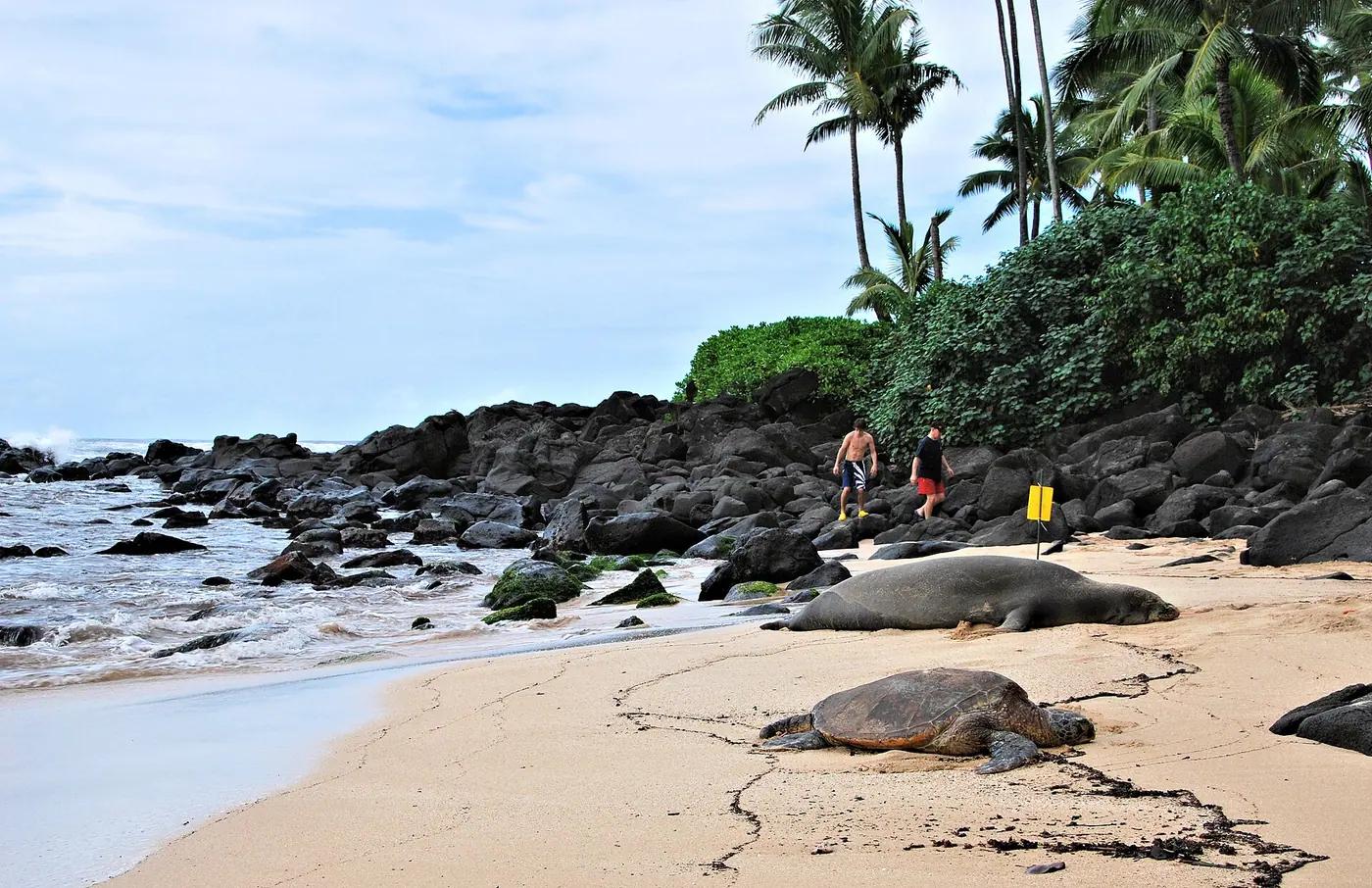
Hawaii's wildlife is mostly in the water: humpback whales fill the Maui channel from December to April, green sea turtles haul out on Oʻahu's Laniakea and the Big Island's Punaluʻu black sand, spinner dolphins rest in Kona's bays and reef mantas feed under the lights off Kona every night. On land the native nene goose grazes Haleakalā and Kīlauea, Laysan albatrosses nest on Kauai's north shore, and introduced chital deer, Jackson's chameleons, mynas and feral chickens are everywhere.
The Hawaiian Islands are the most isolated archipelago on earth, so the native land animals are birds, one bat and a monk seal, and most of what you meet on a hike was introduced. The honest Hawaii collection has both: a nene on a volcano and a chameleon in a Maui garden.
The sea is where the islands are richest. Hawaiʻi Humpback Whale National Marine Sanctuary covers the shallow channel between Maui, Molokaʻi and Lānaʻi, and the Kona coast's calm leeward water gives the most dependable dolphin and manta encounters in the US.
Start with these animals
Why this location matters
Good location pages explain why the place is worth your time, not just which names belong on a destination checklist.
The nene, Hawaii's state bird, dropped to about 30 birds in the 1950s. Captive breeding and release brought it back to over 3,000, and watching one graze a Haleakalā car park is watching one of the earliest bird rescues succeed.
Hawaii is also the extinction capital of the United States, and the native forest birds, the honeycreepers, are retreating uphill ahead of mosquito-borne malaria. Seeing a scarlet ʻiʻiwi at Hosmer Grove or Hakalau is a privilege that may not last.
Where to look
Wildlife map of Hawaii
This guide covers the region shown below. Zoom in to get your bearings before planning a trip.
Positions are geocoded from OpenStreetMap. Habitat access and opening times change — check locally before travelling.
Animals to spot
These are intentionally practical species picks, balancing accessibility, excitement, and what travelers can realistically notice in the location.
Humpback WhaleA
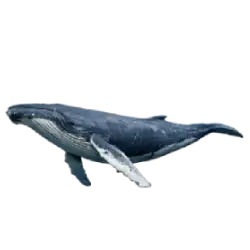
Up to 10,000 North Pacific humpbacks winter in the shallow channel between Maui, Lānaʻi and Molokaʻi, breaching within sight of the Lahaina and Kīhei shorelines.
Spotting note: Guaranteed from Maui boats and shoreline lookouts from January to March; season runs December to April.
Read species guide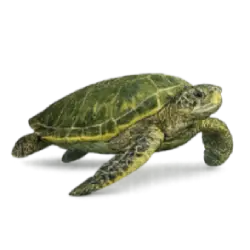
Green Sea TurtleC
Honu haul out to bask on Laniakea Beach on Oʻahu's North Shore and the black sand at Punaluʻu on the Big Island, and graze algae off Maui's Maluaka Beach.
Spotting note: Near-guaranteed at Laniakea and Punaluʻu; stay 3 metres back, it is the law.
Read species guide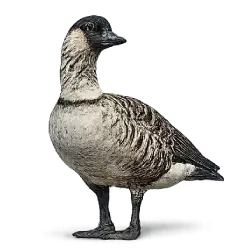
NeneC
The world's rarest goose grazes the lawns of Haleakalā's summit road on Maui and the Kīlauea area of Hawaiʻi Volcanoes National Park, often beside the road signs that warn drivers about it.
Spotting note: Reliable at Haleakalā's Hosmer Grove and park headquarters, and around Kīlauea.
Read species guide
Spinner DolphinA
Pods rest by day in Kona's Kealakekua and Hōnaunau bays and off Lānaʻi's Hulopoʻe Beach after hunting offshore at night.
Spotting note: Likely on Kona morning boat trips; swimming with them is now prohibited to let them rest.
Read species guide
Reef Manta RayB
The Kona manta night dive and snorkel at Garden Eel Cove and Keauhou Bay draws mantas with wingspans over three metres to feed on plankton under dive lights.
Spotting note: Very likely on the Kona night trips year-round; operators report mantas on over 90 percent of nights.
Read species guide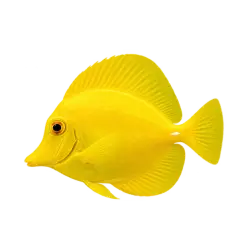
Yellow TangE
Schools of bright yellow surgeonfish flash across every Kona and Maui reef and were the iconic fish of Hawaii's aquarium trade before collection was halted.
Spotting note: Guaranteed on any reef snorkel; Kahaluʻu and Two Step are easy.
Read species guide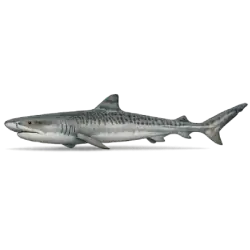
Tiger SharkA
Hawaii's apex reef predator, tagged extensively around Maui and Oʻahu and seen on cage-free shark dives off Haleʻiwa.
Spotting note: Uncommon for snorkellers; realistic on Oʻahu North Shore shark boats.
Read species guide
Laysan AlbatrossC
Nests on Kauai's north shore at Kīlauea Point refuge and Princeville lawns, and on Oʻahu's Kaʻena Point, gliding past the cliffs on three-metre wings.
Spotting note: Reliable from November to July at Kīlauea Point and Kaʻena Point.
Read species guide
White-tailed TropicbirdC
Soars over the Kīlauea caldera in Hawaiʻi Volcanoes National Park and the cliffs of Kauai's Waimea Canyon, trailing long white tail streamers.
Spotting note: Common over Kīlauea and Waimea Canyon lookouts.
Read species guide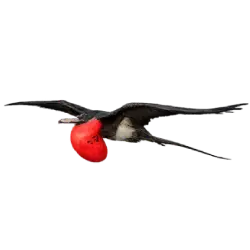
Great FrigatebirdC
The ʻiwa hangs over Kīlauea Point and the Mokulua islets off Oʻahu's Kailua, robbing boobies of their catch.
Spotting note: Common at Kīlauea Point refuge and along windward coasts.
Read species guide
ChitalC
Axis deer introduced in 1868 now number tens of thousands on Maui, Molokaʻi and Lānaʻi, grazing the Upcountry pastures and Lānaʻi's dry slopes at dusk.
Spotting note: Common on Maui's Upcountry roads and across Lānaʻi at dawn and dusk.
Read species guide
Jackson's ChameleonE
Escaped from the pet trade in the 1970s and now creeps through hedges and gardens on Oʻahu, Maui and the Big Island, three horns and all.
Spotting note: Uncommon; check hibiscus hedges in Kāneʻohe, Haʻikū and Kona slowly.
Read species guide
Red JunglefowlD
Kauai's famous feral chickens descend from Polynesian junglefowl and later farm escapes, and they crow in every car park from Lihue to Hanalei.
Spotting note: Guaranteed on Kauai; common on the other islands.
Read species guide
Zebra DoveD
The small barred dove that walks between the tables at every beach café in Waikīkī and Lahaina, introduced in 1922 and now the islands' commonest bird.
Spotting note: Guaranteed anywhere people eat outdoors.
Read species guideBest for
Use this section to decide whether the location fits your travel style, skill level, and AnimalDex goals.
- Winter humpback whales off Maui
- Green sea turtles from the beach
- Kona manta night snorkels and spinner dolphins
- Native nene, albatrosses and seabirds on the volcanoes and cliffs
Spotting tips
These tips are meant to make the page useful in the field, not just readable on the page.
- 01For whales, take a morning boat from Lahaina or Māʻalaea in February, or sit at the McGregor Point lookout on Maui's Honoapiʻilani Highway with binoculars at first light.
- 02At Laniakea and Punaluʻu, stay behind the volunteers' rope and never touch or shade a basking turtle; fines are steep and the turtles leave if crowded.
- 03Book the Kona manta night trip for a calm night early in your stay so you can rebook if the swell cancels it; the Garden Eel Cove site near the airport is the most consistent.
- 04Walk Hosmer Grove at Haleakalā at dawn for nene and the surviving honeycreepers, and Kīlauea Point on Kauai mid-morning for albatrosses, tropicbirds and frigatebirds together.
Virtual Wildlife Guides
Wildlife guides to Hawaii
AnimalDex builds virtual guides from explorers' own wild sightings: which animals they found, how rare they are, and when. A guide is advice from someone who has been there, not a tour. Buying one unlocks the author's notes for every animal, a chat with the author, and introductions to local people they met. Wildlife is never guaranteed.
Checking for virtual guides to Hawaii...
How to choose a local wildlife guide in Hawaii
- Ask what they usually find in the season you are visiting. A good guide gives an honest answer, not a promised sighting.
- Check how they treat animals: no baiting, calling in, handling, or close flash photography for a better shot.
- Confirm the meeting area, duration, group size, total price, and how you pay before the day, plus any permits or park fees the place requires.
Track the animals you find in Hawaii
Build your collection while you travel through Hawaii, from easy wins to the species worth planning around.
Related tier lists
These tier lists add broader context around the species that make this location interesting.
Biggest Animals in the World
A structured ranking of the biggest animals in the world, using the AnimalDex size stat to compare body scale across sea, land, and air.
Read tier listRarest Animals in the World
A structured ranking of the rarest animals in the world, blending scarcity, vulnerability, and conservation pressure to answer the overlap between rarest and most endangered wildlife.
Read tier listRelated locations
Keep exploring with nearby or similar destinations that support the same kind of AnimalDex discovery.
Animals in the United States: What You Can Spot, Learn, and Collect
A practical United States wildlife guide built around habitat variety, from wetlands and coastlines to migration corridors and iconic American species.
Read location guideAnimals in California: What You Can Spot, Learn, and Collect
California wildlife guide: sea otters in Monterey, elephant seals at Ano Nuevo, condors at Pinnacles, Yosemite black bears, grey whales offshore and the scrub-jays and quail of Riverside County.
Read location guideAnimals in British Columbia: What You Can Spot, Learn, and Collect
British Columbia wildlife guide: orcas and humpbacks in the Salish Sea and Johnstone Strait, grizzlies and spirit bears of the Great Bear Rainforest, Brackendale eagles, Adams River salmon and Vancouver Aquarium otters.
Read location guideLocation FAQ
Short direct answers to the questions travelers usually ask before choosing a wildlife destination or zoo day.
What wildlife is there in Hawaii?
Humpback whales, spinner dolphins, green sea turtles, Hawaiian monk seals, manta rays and reef fish in the sea; nene geese, albatrosses, tropicbirds, frigatebirds and endangered honeycreepers among the native birds; and introduced axis deer, mongooses, feral pigs, chickens, chameleons, mynas and doves on land.
What animals can be found in Hawaii on Maui?
Humpback whales from December to April, green turtles at Maluaka and Hoʻokipa, spinner dolphins off Lānaʻi, nene and honeycreepers at Haleakalā's Hosmer Grove, axis deer in the Upcountry pastures, and reef fish and the occasional monk seal at Molokini and Honolua Bay.
When is whale season in Hawaii?
Humpback whales are present from December to April, peaking from mid-January to mid-March, with the Maui-Lānaʻi-Molokaʻi channel the densest area and Oʻahu, Kauai and the Big Island all getting regular sightings.
Can you touch sea turtles in Hawaii?
No. Green sea turtles are protected under state and federal law and you must stay at least 10 feet (3 metres) away on land and in the water. Volunteers at Laniakea mark the distance with a rope.
How do I find a wildlife guide to Hawaii?
Check the Wildlife Guides section on this page or browse Wildlife Guides on AnimalDex. Each one is a virtual guide built from an explorer's own wild sightings around Hawaii: the animals they found, how rare they are, and when. It is advice from someone who has been there, not a tour. If you want someone with you on the day, compare local guides on wildlife knowledge, how they treat animals, and clear pricing before you go.