

Animals in Hong Kong: What You Can Spot, Learn, and Collect
Hong Kong wildlife: wild boar and barking deer in the country parks, Mai Po's avocets and cormorants, pink dolphins off Lantau, pythons, macaques and horseshoe crabs.
Jawaban cepat
Mulai dari jawaban langsung, lalu gunakan bagian di bawah untuk melihat kenapa lokasi ini penting dan hewan mana yang benar-benar realistis untuk di-spot di sana.
Three-quarters of Hong Kong is country park, and it shows. Wild boar wander into housing estates, barking deer and porcupines live on the hills above Kowloon, macaques own the Kam Shan reservoirs, and Burmese pythons turn up in village gardens. Mai Po's wetlands hold tens of thousands of wintering birds including avocets, cormorants and black-faced spoonbills, Chinese white dolphins survive in the waters off Lantau, and the Deep Bay mudflats have horseshoe crabs and mudskippers.
Hong Kong packs 7.5 million people onto a fraction of its land and leaves the rest to hills, reservoirs and coast. The result is a city where a hiker on the Wilson Trail can meet a barking deer in the morning and a boar in the car park at dusk, and where a two-metre python in a Sai Kung garden makes the news twice a year.
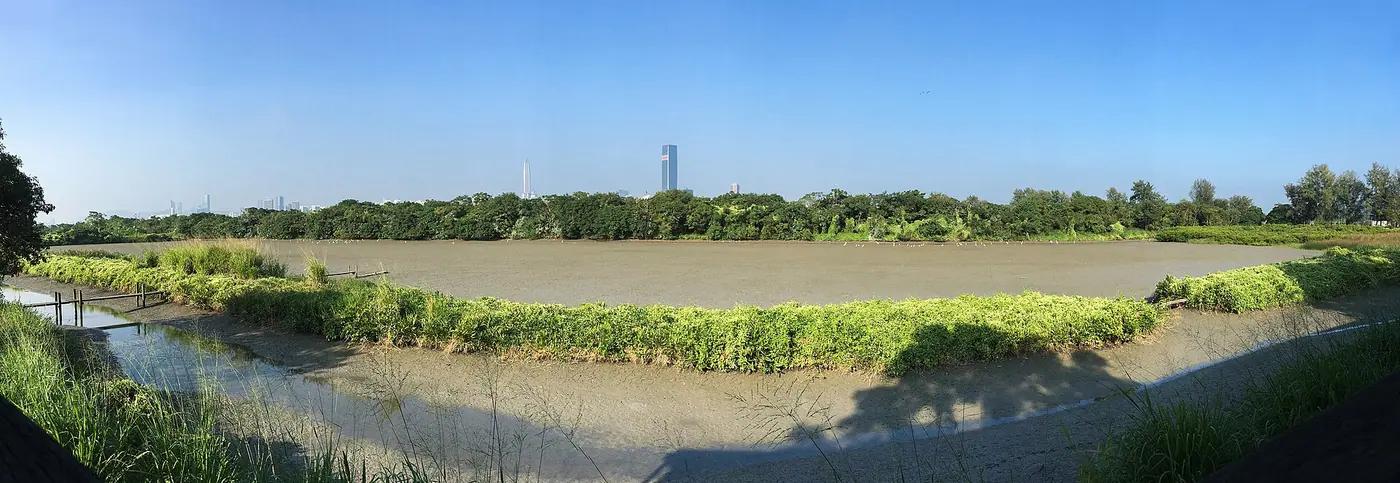
Mai Po, the Ramsar wetland on the Shenzhen border, is one of East Asia's great bird sites, and the Deep Bay shore next to it still has horseshoe crabs. Kadoorie Farm and Botanic Garden in the Tai Po hills rehabilitates confiscated and injured animals and is the place to see species the city cannot show you wild.
Kenapa lokasi ini penting
Halaman lokasi yang baik menjelaskan kenapa tempat ini layak dikunjungi, bukan hanya nama-nama yang cocok dimasukkan ke checklist destinasi.
Mai Po and Deep Bay host several hundred black-faced spoonbills each winter, once a quarter of the world total, and sits beside one of the fastest-growing cities on Earth. Counts there have mattered for 40 years, and the wetland is the reason the spoonbill came back from 300 birds.
The Chinese white dolphins of the Pearl River estuary have fallen from around 150 in Hong Kong waters to a few dozen under airport expansion and the bridge to Macau. Every sighting logged off Lantau is part of the record.
Tempat mencari
Peta satwa liar Hong Kong
Panduan ini mencakup wilayah di bawah ini. Perbesar peta untuk mengenali areanya sebelum merencanakan perjalanan.
Posisi diambil dari OpenStreetMap. Akses habitat dan jam buka bisa berubah — periksa dulu sebelum berangkat.
Hewan untuk di-spot
Pilihan spesies di sini sengaja dibuat praktis, menyeimbangkan aksesibilitas, excitement, dan apa yang realistis untuk diperhatikan traveler di lokasi tersebut.

Wild BoarB
Boar have spread from the country parks into Aberdeen, Pok Fu Lam and the Mid-Levels, and are Hong Kong's most-discussed wild animal.
Catatan spotting: Common at dusk on the fringes of Aberdeen Country Park and Tai Tam.
Baca panduan spesies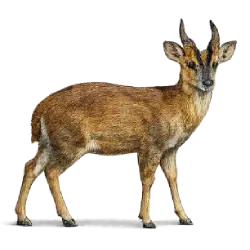
Indian MuntjacC
Barking deer call from the hills of Tai Mo Shan, Shing Mun and the Sai Kung peninsula, and cross the trails at dawn.
Catatan spotting: Heard regularly; seen with luck on early morning hikes.
Baca panduan spesies
Long-tailed MacaqueC
The Kam Shan and Shing Mun reservoir macaques are a mixed population of rhesus and long-tailed monkeys and hybrids, numbering about 1,800 and bold with hikers.
Catatan spotting: Guaranteed at Kam Shan ('Monkey Hill'); do not feed them.
Baca panduan spesies
DolphinB
Chinese white dolphins, pink as adults, live in the estuary waters off northwest Lantau and are watched from boats out of Tung Chung and Tai O.
Catatan spotting: Regular on dolphin-watch trips but the population is down to a few dozen.
Baca panduan spesies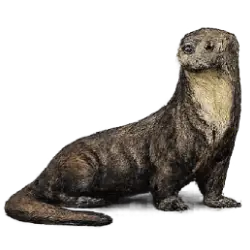
OtterB
Eurasian otters survive in the fishponds and channels of Mai Po and the Deep Bay wetlands, detected mostly by camera trap and spraint.
Catatan spotting: Very rare to see; dawn at the Mai Po gei wai is the only realistic try.
Baca panduan spesies
Pied AvocetC
Thousands of avocets winter on the Deep Bay mudflats off the Mai Po boardwalk hides, sweeping the shallows at high tide.
Catatan spotting: Reliable from Mai Po's floating hides November to March.
Baca panduan spesies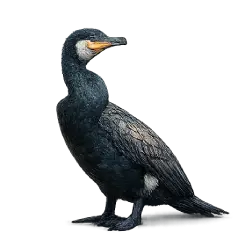
Great CormorantC
Up to 10,000 cormorants roost in the Mai Po mangroves in winter and fly out over the fishponds at dawn in long lines.
Catatan spotting: Abundant in winter at Mai Po and Nam Sang Wai.
Baca panduan spesies
Chinese Pond HeronD
Stands along every nullah, fishpond and reservoir edge in the territory, maroon-headed in summer.
Catatan spotting: Very common year-round.
Baca panduan spesies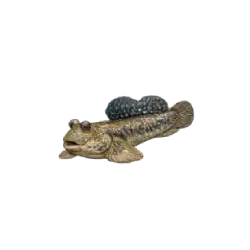
Blue-spotted MudskipperD
Mudskippers flag and skip across the Mai Po mudflats and the Tai O and Lai Chi Wo mangroves at low tide.
Catatan spotting: Abundant at low tide on any mangrove shore.
Baca panduan spesies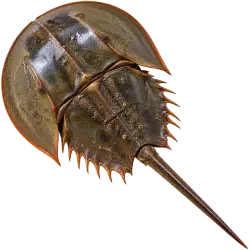
Mangrove Horseshoe CrabE
Juvenile mangrove and tri-spine horseshoe crabs still crawl the mudflats at Ha Pak Nai and Shui Hau on Lantau, among the last nurseries in southern China.
Catatan spotting: Uncommon; low spring tides at Ha Pak Nai with a local guide.
Baca panduan spesies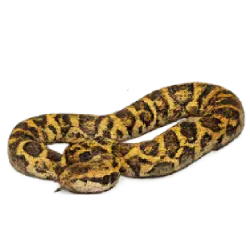
Burmese PythonB
Hong Kong's biggest snake lives in the country parks and turns up in Sai Kung and Lantau villages; Kadoorie Farm rehabilitates the ones that are caught.
Catatan spotting: Occasional in the wild, guaranteed at Kadoorie Farm.
Baca panduan spesies
Chinese CobraC
The territory's commonest venomous snake, found on hillside paths and village edges in the warm months.
Catatan spotting: Occasional; give it space and it leaves.
Baca panduan spesies
LanternflyE
The long-snouted lanternfly clusters on longan and lychee trunks in the New Territories every summer, a Hong Kong insect icon.
Catatan spotting: Common June to September on fruit trees in Tai Po and Fanling villages.
Baca panduan spesies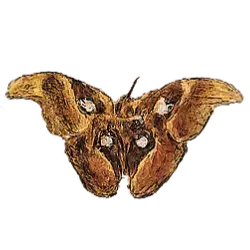
Atlas MothE
The giant moth emerges in Hong Kong's country parks and appears at Kadoorie Farm's lights and village lamps in early summer.
Catatan spotting: Seasonal; May and June around forest-edge lights.
Baca panduan spesiesPaling cocok untuk
Gunakan bagian ini untuk menilai apakah lokasi tersebut cocok dengan gaya perjalanan, level pengalaman, dan target AnimalDex kamu.
- Birders at Mai Po in the northern winter for spoonbills, avocets and waders
- Hikers logging boar, barking deer and macaques on the country park trails
- Boat trips for the Pearl River's pink dolphins from Tai O
- Families: Kadoorie Farm, Monkey Hill and the Tai O mangroves
Tips spotting
Tips ini dibuat agar halaman ini benar-benar berguna di lapangan, bukan hanya enak dibaca di layar.
- 01Mai Po needs a permit; book through WWF Hong Kong and time your visit for a high tide between November and March so the waders push into the boardwalk hides.
- 02Hike the Kam Shan or Shing Mun reservoir paths early; macaques are guaranteed, and keep plastic bags out of sight because they associate them with food.
- 03Check Ha Pak Nai at a low spring tide in summer for horseshoe crabs and mudskippers, and stay for the sunset over Deep Bay.
- 04Kadoorie Farm in Tai Po shows the species the city cannot: rescued pythons, leopard cats, birds of prey and pangolins, plus wild lanternflies and atlas moths on its grounds in summer.
Wildlife Guides virtual
Panduan satwa liar ke Hong Kong
AnimalDex membuat panduan virtual dari penampakan satwa liar milik para penjelajah sendiri: satwa apa yang mereka temukan, seberapa langka, dan kapan. Panduan adalah saran dari orang yang pernah ke sana, bukan tur. Membelinya membuka catatan penulis untuk setiap satwa, obrolan dengan penulis, dan perkenalan dengan warga lokal yang mereka temui. Penampakan satwa tidak pernah dijamin.
Memeriksa panduan virtual ke Hong Kong...
Cara memilih pemandu satwa liar lokal di Hong Kong
- Tanyakan apa yang biasanya mereka temukan pada musim kunjunganmu. Pemandu yang baik memberi jawaban jujur, bukan janji pasti melihat satwa tertentu.
- Perhatikan cara mereka memperlakukan satwa: tanpa umpan, tanpa memanggil satwa, tanpa memegang, dan tanpa flash dari jarak dekat demi foto.
- Pastikan titik temu, durasi, ukuran grup, total harga, dan cara pembayaran sebelum hari kegiatan, termasuk izin atau biaya taman yang diperlukan.
Lacak hewan yang kamu temukan di Hong Kong
Bangun koleksimu sambil menjelajahi Hong Kong, dari spesies yang mudah ditemukan sampai target yang layak direncanakan khusus.
Tier list terkait
Tier list ini memberi konteks yang lebih luas untuk spesies yang membuat lokasi ini menarik.
100 Most Adaptable Animals
Most adaptable animals ranked by habitat flexibility, behavioral range, and success in changing conditions — including the current AnimalDex number one.
Baca tier listMost Invasive Species in the World
A structured ranking of the most invasive species in the world, balancing establishment success, ecological disruption, spread potential, and how difficult the species is to remove once it takes hold.
Baca tier listLokasi terkait
Lanjutkan eksplorasi dengan destinasi yang mirip atau berdekatan dan mendukung gaya discovery AnimalDex yang sama.
Animals in China: What You Can Spot, Learn, and Collect
A practical China wildlife guide built around iconic mountain species, river-edge birds, and the broader habitat variety that makes the country more than a panda-only destination.
Baca panduan lokasiAnimals in Singapore: What You Can Spot, Learn, and Collect
A practical Singapore wildlife guide built around urban-edge nature, parks, coasts, and the kind of compact travel that can still produce a satisfying animal list.
Baca panduan lokasiAnimals in Japan: What You Can Spot, Learn, and Collect
A practical Japan wildlife guide focused on birds, coasts, smaller seasonal animals, and the quieter observation style that makes the country rewarding for careful travelers.
Baca panduan lokasiFAQ lokasi
Jawaban singkat dan langsung untuk pertanyaan yang biasanya ditanyakan traveler sebelum memilih destinasi satwa liar atau hari kebun binatang.
What wildlife is there in Hong Kong?
Wild boar, barking deer, porcupines, macaques, civets, leopard cats and pangolins in the country parks; Burmese pythons and Chinese cobras on the hills; tens of thousands of wintering birds including black-faced spoonbills, avocets and cormorants at Mai Po; Chinese white dolphins off Lantau; and horseshoe crabs, mudskippers and fiddler crabs on the Deep Bay and Lantau mudflats.
What animals can be found in Hong Kong?
Around 55 mammal species, over 550 birds, 80-plus reptiles including 50 snakes, and a huge insect fauna with 240 butterflies and 120 dragonflies. The ones residents meet most are boar, macaques, pond herons, geckos, lanternflies and the occasional python.
Are wild boar in Hong Kong dangerous?
Rarely. Boar bites and charges happen a few times a year, nearly always involving feeding or cornering an animal. Keep your distance, never feed them and keep dogs leashed, and they trot off.
Can you still see pink dolphins in Hong Kong?
Yes, on boat trips from Tai O or Tung Chung to the waters off northwest Lantau, where Chinese white dolphins are seen on most trips. The population has fallen sharply, so choose an operator that follows the code of conduct and keeps its distance.
Bagaimana cara menemukan panduan satwa liar ke Hong Kong?
Lihat bagian Wildlife Guides di halaman ini atau jelajahi Wildlife Guides di AnimalDex. Setiap panduan adalah panduan virtual yang dibuat dari penampakan satwa liar milik seorang penjelajah di sekitar Hong Kong: satwa yang mereka temukan, seberapa langka, dan kapan. Ini saran dari orang yang pernah ke sana, bukan tur. Jika kamu ingin ditemani seseorang di lokasi, bandingkan pemandu lokal dari pengetahuan satwanya, cara mereka memperlakukan satwa, dan kejelasan harganya sebelum berangkat.