

Animals in Japan: What You Can Spot, Learn, and Collect
A practical Japan wildlife guide focused on birds, coasts, smaller seasonal animals, and the quieter observation style that makes the country rewarding for careful travelers.
Jawaban cepat
Mulai dari jawaban langsung, lalu gunakan bagian di bawah untuk melihat kenapa lokasi ini penting dan hewan mana yang benar-benar realistis untuk di-spot di sana.
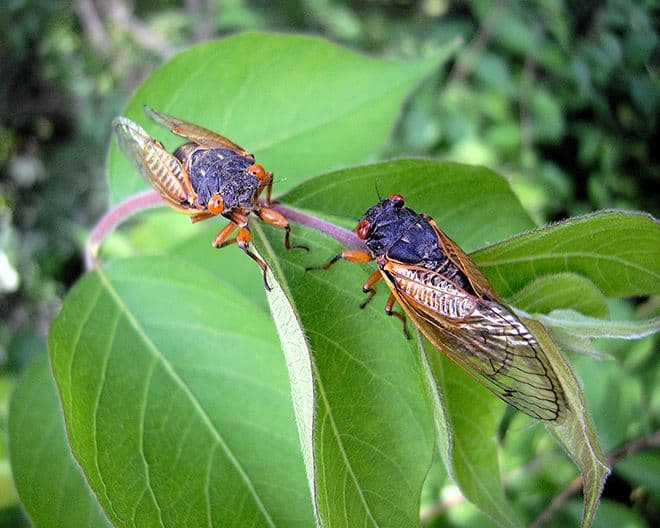
Japan works best for travelers who enjoy subtle wildlife rather than constant large-animal drama. Kingfishers, swallows, cicadas, and coastal dolphins make the country strong for careful observers.
Japan rewards attention more than force.
Quiet water, park edges, coastlines, and seasonal timing matter more here than a one-big-checklist mentality.
Jelajahi tempat hewan di Japan
Buka panduan terkurasi untuk atraksi bertema hewan atau habitat terlindungi yang terhubung ke lokasi ini.
Kenapa lokasi ini penting
Halaman lokasi yang baik menjelaskan kenapa tempat ini layak dikunjungi, bukan hanya nama-nama yang cocok dimasukkan ke checklist destinasi.
It is a good example of a high-value destination built on consistency, seasonality, and atmosphere.
Japan also makes smaller animals and birds feel central rather than secondary.
Where to find each animal in Japan
Japan is a long archipelago, so its wildlife changes with latitude: subarctic forest and drift ice in Hokkaido, high alpine ridges through central Honshu, wetlands and paddy across the plains, warm current water offshore, and dense cities that keep their own wild residents.
Zona habitat
Hokkaido forest & Shiretoko
Subarctic forest, drift-ice coast and the country's least-settled wild ground.
4 hewan dipetakan di sini
Zona habitat
Japanese Alps
Steep 3,000m ridges and snow country through central Honshu — serow and macaque ground.
2 hewan dipetakan di sini
Zona habitat
Kushiro & lowland wetlands
Marsh, reed bed and flooded paddy — cranes, herons and the country's freshwater life.
7 hewan dipetakan di sini
Zona habitat
Kuroshio current water
The warm current running up the Pacific side, and the cold water meeting it offshore.
3 hewan dipetakan di sini
Zona habitat
Cities, shrines & farmland
Tokyo's parks, shrine woodland and the rice country between the conurbations.
4 hewan dipetakan di sini
Zones are habitat guidance, not guarantees. Pin positions mark the part of the region each animal is realistically worked for; the coastline is simplified for legibility.
Tempat mencari
Peta satwa liar Japan
Setiap pin adalah tempat nyata yang bisa kamu kunjungi, lengkap dengan hewan yang layak dicari di sana.
Posisi diambil dari OpenStreetMap. Akses habitat dan jam buka bisa berubah — periksa dulu sebelum berangkat.
Hewan untuk di-spot
Pilihan spesies di sini sengaja dibuat praktis, menyeimbangkan aksesibilitas, excitement, dan apa yang realistis untuk diperhatikan traveler di lokasi tersebut.
 Common KingfisherC
A strong river and pond-edge bird for patient observers in quieter waterside habitats.
Catatan spotting: Practical high-satisfaction sighting.
Baca panduan spesies Barn SwallowD
An accessible supporting species that helps ordinary travel locations become part of the collection.
Catatan spotting: Reliable everyday addition.
Baca panduan spesies CicadaD
One of the strongest sound-linked seasonal animals for making summer feel alive.
Catatan spotting: Often heard before clearly seen.
Baca panduan spesies DolphinB
A coastal highlight that can turn marine travel into a memorable wildlife day.
Catatan spotting: Best with the right boat or coast conditions.
Baca panduan spesies Mandarin DuckC
Mandarin Duck adds realistic depth to the Japan animal list without forcing the page around one headline encounter.
Catatan spotting: Useful supporting species with the right habitat and timing.
Baca panduan spesies Red-crowned CraneB
Red Crowned Crane broadens the Japan page beyond the obvious targets and makes habitat-led spotting feel more complete.
Catatan spotting: Better treated as a realistic secondary target than a guaranteed sighting.
Baca panduan spesies Sika DeerC
Sika Deer is a strong supporting species that helps Japan feel richer than a one-animal destination.
Catatan spotting: Strong add when you pay attention to habitat instead of chasing one flagship animal.
Baca panduan spesies Giant Pacific OctopusC
Giant Pacific Octopus gives the Japan page more ecological range, not just more raw checklist count.
Catatan spotting: Meaningful supporting sighting rather than the only reason to choose the location.
Baca panduan spesies PufferfishC
Pufferfish adds realistic depth to the Japan animal list without forcing the page around one headline encounter.
Catatan spotting: Useful supporting species with the right habitat and timing.
Baca panduan spesies Great EgretC
Great Egret broadens the Japan page beyond the obvious targets and makes habitat-led spotting feel more complete.
Catatan spotting: Better treated as a realistic secondary target than a guaranteed sighting.
Baca panduan spesies Eurasian Tree SparrowE
Eurasian Tree Sparrow is a strong supporting species that helps Japan feel richer than a one-animal destination.
Catatan spotting: Strong add when you pay attention to habitat instead of chasing one flagship animal.
Baca panduan spesies Japanese Bush WarblerD
Japanese Bush Warbler gives the Japan page more ecological range, not just more raw checklist count.
Catatan spotting: Meaningful supporting sighting rather than the only reason to choose the location.
Baca panduan spesies Japanese SerowB
Japanese Serow adds realistic depth to the Japan animal list without forcing the page around one headline encounter.
Catatan spotting: Useful supporting species with the right habitat and timing.
Baca panduan spesies Japanese MacaqueB
Japanese Macaque broadens the Japan page beyond the obvious targets and makes habitat-led spotting feel more complete.
Catatan spotting: Better treated as a realistic secondary target than a guaranteed sighting.
Baca panduan spesies Japanese MartenC
Japanese Marten is a strong supporting species that helps Japan feel richer than a one-animal destination.
Catatan spotting: Strong add when you pay attention to habitat instead of chasing one flagship animal.
Baca panduan spesies Paper WaspE
Paper Wasp gives the Japan page more ecological range, not just more raw checklist count.
Catatan spotting: Meaningful supporting sighting rather than the only reason to choose the location.
Baca panduan spesies Common House GeckoE
Common House Gecko adds realistic depth to the Japan animal list without forcing the page around one headline encounter.
Catatan spotting: Useful supporting species with the right habitat and timing.
Baca panduan spesies MosquitoE
Mosquito broadens the Japan page beyond the obvious targets and makes habitat-led spotting feel more complete.
Catatan spotting: Better treated as a realistic secondary target than a guaranteed sighting.
Baca panduan spesies Chinese Pond HeronC
Chinese Pond Heron is a strong supporting species that helps Japan feel richer than a one-animal destination.
Catatan spotting: Strong add when you pay attention to habitat instead of chasing one flagship animal.
Baca panduan spesies Diving Bell SpiderD
Diving Bell Spider gives the Japan page more ecological range, not just more raw checklist count.
Catatan spotting: Meaningful supporting sighting rather than the only reason to choose the location.
Baca panduan spesiesPaling cocok untuk
Gunakan bagian ini untuk menilai apakah lokasi tersebut cocok dengan gaya perjalanan, level pengalaman, dan target AnimalDex kamu.
- Travelers who enjoy quieter observation.
- Bird and insect fans who like seasonality.
- Families turning ordinary travel into a species list.
- Collectors who appreciate small wins and atmosphere.
Tips spotting
Tips ini dibuat agar halaman ini benar-benar berguna di lapangan, bukan hanya enak dibaca di layar.
- 01Lean into season and habitat rather than expecting one giant headline animal.
- 02Water edges and coasts are especially useful.
- 03Treat sound as part of the wildlife experience.
- 04A short list of good sightings often feels better than forcing a long weak list.
Lacak hewan yang kamu temukan di Japan
Bangun koleksimu sambil menjelajahi Japan, dari spesies yang mudah ditemukan sampai target yang layak direncanakan khusus.
Lokasi terkait
Lanjutkan eksplorasi dengan destinasi yang mirip atau berdekatan dan mendukung gaya discovery AnimalDex yang sama.
Animals in Bali: What You Can Spot, Learn, and Collect
A practical Bali wildlife guide built around animals travelers can realistically spot, from birds and coastal species to high-value sightings that make the island feel richer than a resort-only trip.
Baca panduan lokasiAnimals in China: What You Can Spot, Learn, and Collect
A practical China wildlife guide built around iconic mountain species, river-edge birds, and the broader habitat variety that makes the country more than a panda-only destination.
Baca panduan lokasiAnimals in Singapore: What You Can Spot, Learn, and Collect
A practical Singapore wildlife guide built around urban-edge nature, parks, coasts, and the kind of compact travel that can still produce a satisfying animal list.
Baca panduan lokasiFAQ lokasi
Jawaban singkat dan langsung untuk pertanyaan yang biasanya ditanyakan traveler sebelum memilih destinasi satwa liar atau hari kebun binatang.
What animals are easiest to notice in Japan?
Birds, cicadas, park-edge species, and some coastal wildlife are the most practical answers for many travelers.
Is Japan good for wildlife beginners?
Yes, especially for people who enjoy observation, timing, and smaller species rather than pure megafauna travel.