

Animals in São Paulo: What You Can Spot, Learn, and Collect
Wildlife in São Paulo: capybaras on the Pinheiros river, howler monkeys and toucans in Cantareira, whales and turtles at Ilhabela, plus the São Paulo Zoo.
Jawaban cepat
Mulai dari jawaban langsung, lalu gunakan bagian di bawah untuk melihat kenapa lokasi ini penting dan hewan mana yang benar-benar realistis untuk di-spot di sana.
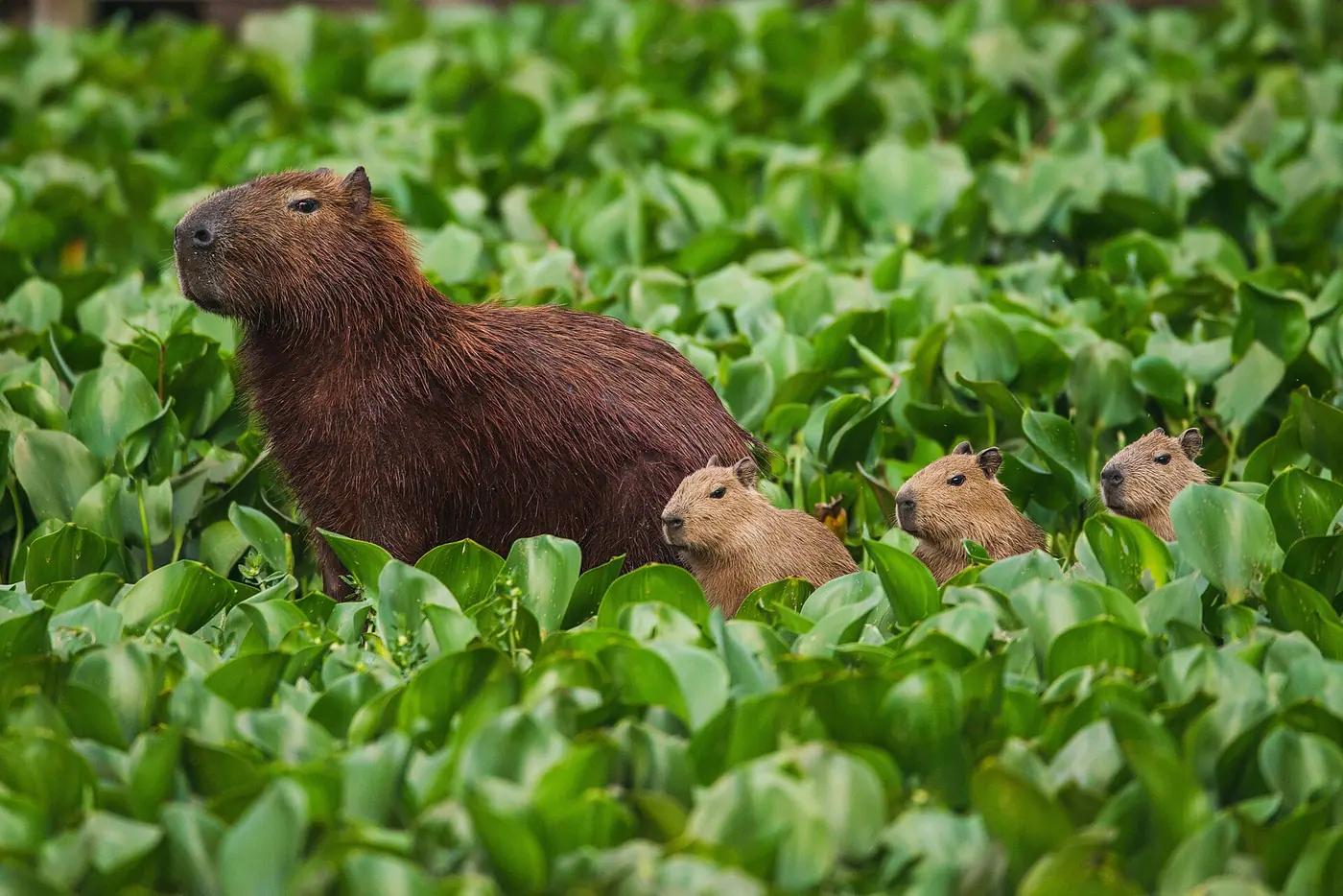
São Paulo is a megacity ringed by Atlantic Forest. Capybaras graze the banks of the Pinheiros river and the Tietê parks, toco toucans and marmosets visit Ibirapuera, brown howler monkeys roar in Cantareira State Park on the northern edge, and the Serra do Mar drops to a coast where humpback whales and green turtles pass Ilhabela.
Twelve million people live in the city and the forest still presses in from every side. Cantareira State Park, directly north of the centre, is one of the largest urban forest reserves on earth, and a sunrise walk there means howlers, capuchins and toucans before the traffic builds.
Beyond the city the state is remarkably varied: the Serra do Mar escarpment carries unbroken rainforest to the sea, Ilhabela is an island park with sloths and whale-watching boats, and the interior cerrado and farmland hold maned wolves and seriemas. The São Paulo Zoo, inside the Fontes do Ipiranga forest, is Brazil's largest.
Kenapa lokasi ini penting
Halaman lokasi yang baik menjelaskan kenapa tempat ini layak dikunjungi, bukan hanya nama-nama yang cocok dimasukkan ke checklist destinasi.
Several of the captures users log in São Paulo are the city's real wildlife problems: recluse spiders, wandering spiders and giant African land snails are all abundant here and worth recognising. Knowing them matters as much as spotting a toucan.
The region also shows the Atlantic Forest working as a corridor. Capybaras returned to the Pinheiros river once water quality improved, and the Cantareira and Serra do Mar parks still connect enough forest for ocelots and tapirs to hang on within sight of the skyline.
Tempat mencari
Peta satwa liar São Paulo
Panduan ini mencakup wilayah di bawah ini. Perbesar peta untuk mengenali areanya sebelum merencanakan perjalanan.
Posisi diambil dari OpenStreetMap. Akses habitat dan jam buka bisa berubah — periksa dulu sebelum berangkat.
Hewan untuk di-spot
Pilihan spesies di sini sengaja dibuat praktis, menyeimbangkan aksesibilitas, excitement, dan apa yang realistis untuk diperhatikan traveler di lokasi tersebut.

CapybaraD
Herds graze the Marginal Pinheiros embankments and the lawns of Parque Ecológico do Tietê, the city's most famous urban wildlife story.
Catatan spotting: Reliable along the Pinheiros river at dawn and late afternoon.
Baca panduan spesies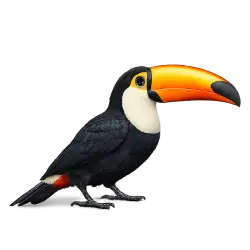
Toco ToucanC
Toucans have moved into Ibirapuera, the Jardim Botânico and the Horto Florestal, feeding on palm fruit above the joggers.
Catatan spotting: Regular at the big city parks, best early morning.
Baca panduan spesies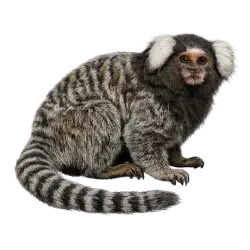
Common MarmosetD
Introduced marmosets chatter through Ibirapuera, Trianon and almost any wooded square in the city.
Catatan spotting: Very common in city parks.
Baca panduan spesies
Tufted CapuchinC
Capuchin troops work the Cantareira trails and the Horto Florestal edge, and raid fruit trees in northern suburbs.
Catatan spotting: Common in Cantareira and Fontes do Ipiranga.
Baca panduan spesies
Three-toed SlothD
Sloths hang in the roadside trees of Ilhabela and the Serra do Mar foothills, especially where cecropia grows.
Catatan spotting: Uncommon; Ilhabela's north-coast roads give the best odds.
Baca panduan spesies
Humpback WhaleA
Humpbacks pass the São Sebastião channel and the outer coast of Ilhabela between June and November on their migration.
Catatan spotting: Seasonal; boat trips from Ilhabela in August and September.
Baca panduan spesies
Green Sea TurtleC
Juvenile green turtles feed around the rocky points of Ilhabela and Ubatuba, where the Tamar project runs a visitor centre.
Catatan spotting: Likely on a snorkel at Ilhabela or at Tamar Ubatuba.
Baca panduan spesies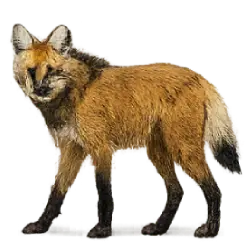
Maned WolfB
The long-legged wolf of the interior cerrado survives around the Itirapina and Vassununga reserves, and is a signature animal at the São Paulo Zoo.
Catatan spotting: Rare in the wild; guaranteed at the zoo.
Baca panduan spesies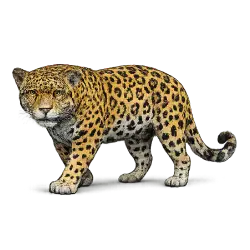
JaguarA
The Serra do Mar and the Paranapiacaba forests still hold a few jaguars, and the São Paulo Zoo keeps a breeding group under the Atlantic Forest canopy.
Catatan spotting: Essentially unseen in the wild; a zoo sighting here is realistic.
Baca panduan spesies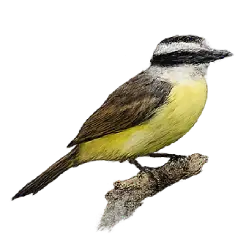
Great KiskadeeD
The bem-te-vi is the soundtrack of every São Paulo neighbourhood, shouting from antennas and plane trees.
Catatan spotting: Abundant across the city.
Baca panduan spesies Rufous-bellied ThrushE
Brazil's national bird, the rufous-bellied thrush, sings from garden walls across the city before dawn from August onwards.
Catatan spotting: Very common; the spring dawn chorus is unmissable.
Baca panduan spesies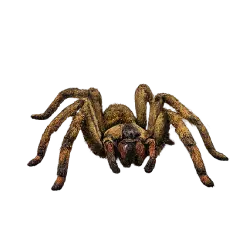
Brazilian Wandering SpiderD
The armadeira hides in banana plants, woodpiles and shoes across the state and is the spider that gives São Paulo's hospitals real work.
Catatan spotting: Occasional in gardens and markets; never handle.
Baca panduan spesies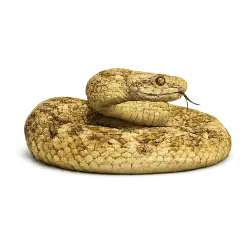
Golden LanceheadC
The world-famous snake island, Ilha da Queimada Grande, lies 35 km off the São Paulo coast and holds the only population of this viper.
Catatan spotting: Off limits to visitors; seen only in documentaries and at the Butantan Institute.
Baca panduan spesiesPaling cocok untuk
Gunakan bagian ini untuk menilai apakah lokasi tersebut cocok dengan gaya perjalanan, level pengalaman, dan target AnimalDex kamu.
- Urban wildlife on the Pinheiros river and in Ibirapuera
- Atlantic Forest hiking with howlers and capuchins in Cantareira
- Whale and turtle trips from Ilhabela and Ubatuba
- A full day at the São Paulo Zoo and the Butantan snake institute
Tips spotting
Tips ini dibuat agar halaman ini benar-benar berguna di lapangan, bukan hanya enak dibaca di layar.
- 01Book Cantareira's Pedra Grande trail for the first slot of the day; howler monkeys call loudest in the hour after sunrise.
- 02Look for capybaras from the Cidade Universitária and Ponte Cidade Jardim stretches of the Pinheiros cycle path at dusk.
- 03The Butantan Institute's serpentarium is the safe way to see lanceheads, rattlesnakes and the wandering spider up close.
- 04On Ilhabela, drive the north-coast road slowly in the early morning and check cecropia crowns for sloths.
Wildlife Guides virtual
Panduan satwa liar ke São Paulo
AnimalDex membuat panduan virtual dari penampakan satwa liar milik para penjelajah sendiri: satwa apa yang mereka temukan, seberapa langka, dan kapan. Panduan adalah saran dari orang yang pernah ke sana, bukan tur. Membelinya membuka catatan penulis untuk setiap satwa, obrolan dengan penulis, dan perkenalan dengan warga lokal yang mereka temui. Penampakan satwa tidak pernah dijamin.
Memeriksa panduan virtual ke São Paulo...
Cara memilih pemandu satwa liar lokal di São Paulo
- Tanyakan apa yang biasanya mereka temukan pada musim kunjunganmu. Pemandu yang baik memberi jawaban jujur, bukan janji pasti melihat satwa tertentu.
- Perhatikan cara mereka memperlakukan satwa: tanpa umpan, tanpa memanggil satwa, tanpa memegang, dan tanpa flash dari jarak dekat demi foto.
- Pastikan titik temu, durasi, ukuran grup, total harga, dan cara pembayaran sebelum hari kegiatan, termasuk izin atau biaya taman yang diperlukan.
Lacak hewan yang kamu temukan di São Paulo
Bangun koleksimu sambil menjelajahi São Paulo, dari spesies yang mudah ditemukan sampai target yang layak direncanakan khusus.
Tier list terkait
Tier list ini memberi konteks yang lebih luas untuk spesies yang membuat lokasi ini menarik.
100 Most Dangerous Animals in the World
Dangerous animals list ranking 100 species by lethal capability, aggression, and encounter risk — not a jump-scare trivia page and not a disease-vector list.
Baca tier listLokasi terkait
Lanjutkan eksplorasi dengan destinasi yang mirip atau berdekatan dan mendukung gaya discovery AnimalDex yang sama.
Animals in Brazil: What You Can Spot, Learn, and Collect
A practical Brazil wildlife guide built around wetlands, rainforest color, and the species that make the country feel big, alive, and worth collecting carefully.
Baca panduan lokasiAnimals in Rio de Janeiro: What You Can Spot, Learn, and Collect
Wildlife in Rio de Janeiro: marmosets and sloths in Tijuca Forest, capybaras on the Barra lagoons, frigatebirds over Sugarloaf and whales off Ilha Grande.
Baca panduan lokasiAnimals in Minas Gerais: What You Can Spot, Learn, and Collect
Wildlife in Minas Gerais: giant anteaters and rheas on the Serra da Canastra plateau, maned wolves at the Caraça sanctuary, giant armadillos and seriemas.
Baca panduan lokasiFAQ lokasi
Jawaban singkat dan langsung untuk pertanyaan yang biasanya ditanyakan traveler sebelum memilih destinasi satwa liar atau hari kebun binatang.
What wildlife is there in São Paulo?
Capybaras on the Pinheiros river, toucans and marmosets in the city parks, howler and capuchin monkeys in Cantareira State Park, sloths and whales around Ilhabela, maned wolves in the interior cerrado, and a notable set of urban spiders including recluses and wandering spiders.
What animals can be found in São Paulo?
In the city itself the reliable animals are capybaras, toco toucans, marmosets, great kiskadees and rufous-bellied thrushes. Within a few hours you add howler monkeys, sloths, sea turtles and seasonal humpback whales.
Is the São Paulo Zoo worth visiting for Brazilian animals?
Yes. It is Brazil's largest zoo and sits inside a protected Atlantic Forest fragment, so wild toucans and capuchins visit the grounds. It is the realistic place to see jaguars, maned wolves, tapirs and harpy eagles that you will not find on a city walk.
Are there dangerous animals in São Paulo?
The ones that matter are small: recluse spiders indoors and wandering spiders in bananas and woodpiles. Shake out shoes, check gloves, and visit the Butantan Institute to learn to recognise them.
Bagaimana cara menemukan panduan satwa liar ke São Paulo?
Lihat bagian Wildlife Guides di halaman ini atau jelajahi Wildlife Guides di AnimalDex. Setiap panduan adalah panduan virtual yang dibuat dari penampakan satwa liar milik seorang penjelajah di sekitar São Paulo: satwa yang mereka temukan, seberapa langka, dan kapan. Ini saran dari orang yang pernah ke sana, bukan tur. Jika kamu ingin ditemani seseorang di lokasi, bandingkan pemandu lokal dari pengetahuan satwanya, cara mereka memperlakukan satwa, dan kejelasan harganya sebelum berangkat.