

Animals in Minas Gerais: What You Can Spot, Learn, and Collect
Wildlife in Minas Gerais: giant anteaters and rheas on the Serra da Canastra plateau, maned wolves at the Caraça sanctuary, giant armadillos and seriemas.
Jawaban cepat
Mulai dari jawaban langsung, lalu gunakan bagian di bawah untuk melihat kenapa lokasi ini penting dan hewan mana yang benar-benar realistis untuk di-spot di sana.
Minas Gerais is Brazil's best state for cerrado wildlife. Giant anteaters, greater rheas, seriemas and the occasional giant armadillo roam the Serra da Canastra plateau, maned wolves climb the steps of the Caraça sanctuary at night, and the Serra do Cipó holds tapirs, hummingbirds and rock-dwelling cavies above Belo Horizonte.
The highlands of Minas are open grassland on ancient rock, cut by waterfalls and gallery forest. That is cerrado, the most species-rich savanna on earth, and the Serra da Canastra National Park is the place where it is easiest to see: anteaters and rheas feed in plain view beside the dirt road across the plateau.
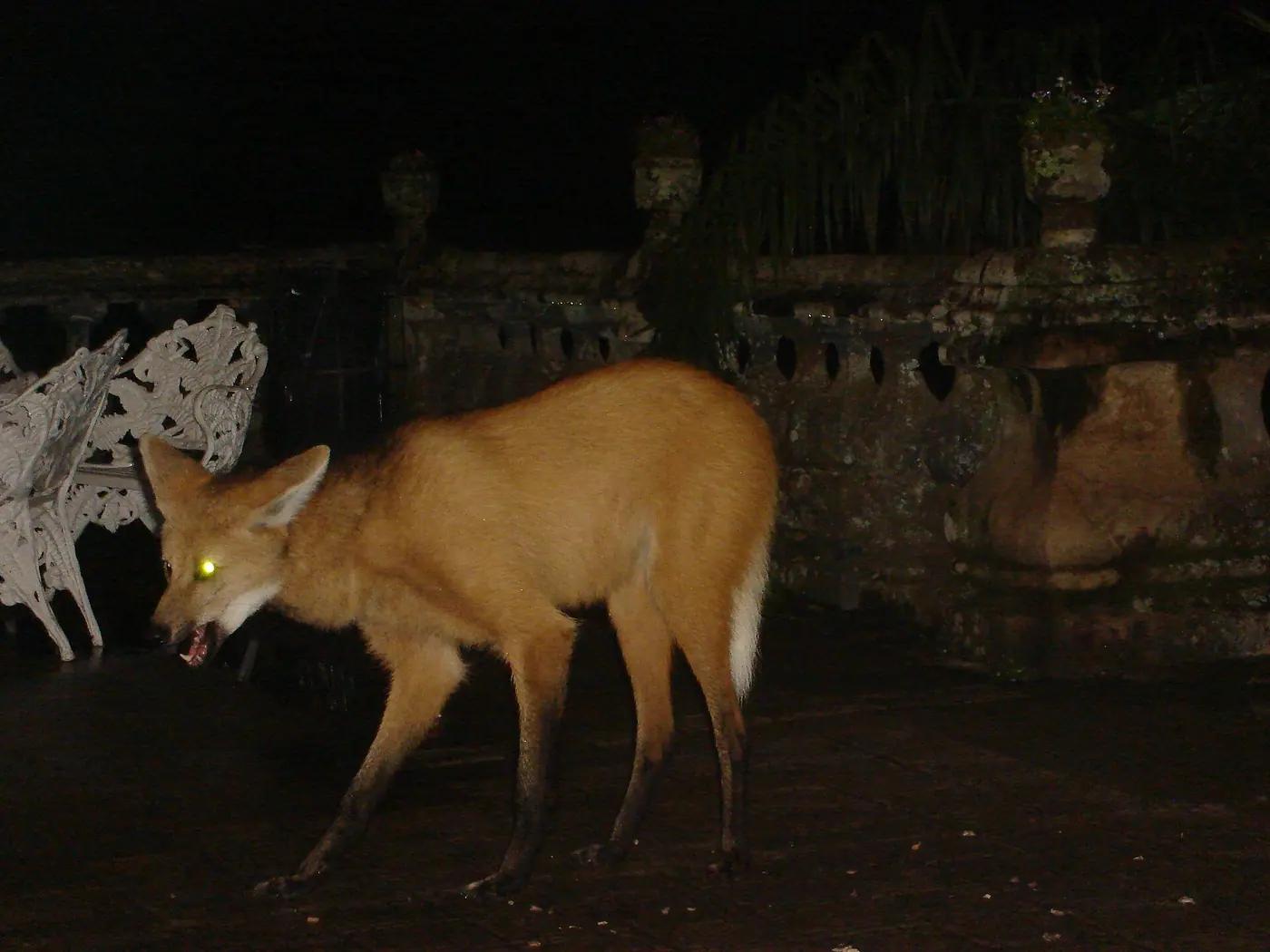
Caraça is the other essential stop. Every evening since the 1980s the monks of the Santuário do Caraça have put food on the church steps for wild maned wolves, and the animals still come. It is the most reliable maned wolf sighting on earth, in a cold mountain valley two hours from Belo Horizonte.
Kenapa lokasi ini penting
Halaman lokasi yang baik menjelaskan kenapa tempat ini layak dikunjungi, bukan hanya nama-nama yang cocok dimasukkan ke checklist destinasi.
The cerrado is losing ground to soy and eucalyptus faster than any other Brazilian biome, and Canastra is one of the few places where its big mammals, from giant anteaters to pampas deer, still live at natural densities. Visitors who log sightings add to that record.
Minas also delivers for people who never leave the car. Burrowing owls on fence posts, caracaras over the road, lava lizards on every warm rock and horneros building ovens on the power lines mean a drive between historic towns fills a collection on its own.
Tempat mencari
Peta satwa liar Minas Gerais
Panduan ini mencakup wilayah di bawah ini. Perbesar peta untuk mengenali areanya sebelum merencanakan perjalanan.
Posisi diambil dari OpenStreetMap. Akses habitat dan jam buka bisa berubah — periksa dulu sebelum berangkat. Pin yang lebih kecil adalah capture publik AnimalDex, ditempatkan sampai kilometer terdekat.
Bukti lapangan
Ditemukan di Minas Gerais oleh pengguna AnimalDex
Capture nyata yang dicatat di aplikasi AnimalDex di dalam area ini dan dibagikan secara publik oleh kolektornya, dengan hewan yang dikonfirmasi oleh identifikasi aplikasi. Lokasi ditampilkan sampai tingkat wilayah, bukan titik persisnya.
- 13
- capture publik
- 12
- spesies tercatat
- 3
- kolektor
- 12
- penampakan liar
Capture terbaru dari lapangan
Spesies yang benar-benar dicatat orang di sini
Setiap nama menuju panduan spesiesnya. Angkanya adalah jumlah capture publik hewan itu di dalam area ini.
Kolektor memilih membagikan capture ini di Discover dan bisa menariknya kapan saja. Koordinat dibulatkan sekitar satu kilometer dan diperbarui setiap build situs.
Hewan untuk di-spot
Pilihan spesies di sini sengaja dibuat praktis, menyeimbangkan aksesibilitas, excitement, dan apa yang realistis untuk diperhatikan traveler di lokasi tersebut.
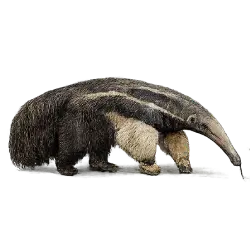
Giant AnteaterC
Canastra's anteaters forage the plateau grassland in daylight, swinging their long snouts through termite mounds beside the park road.
Catatan spotting: Very likely on the Canastra plateau, best early and late.
Baca panduan spesies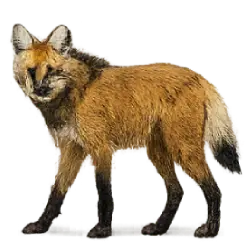
Maned WolfB
Wild maned wolves come to the Caraça sanctuary steps most nights for the plate of meat the monks leave out.
Catatan spotting: Near-nightly at Caraça; a genuine wild encounter.
Baca panduan spesies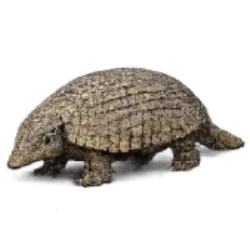
Giant ArmadilloC
The largest armadillo on earth digs enormous burrows across the Canastra plateau and the Grande Sertão Veredas grasslands of the north.
Catatan spotting: Rare and nocturnal; fresh burrows are far easier to find than the animal.
Baca panduan spesies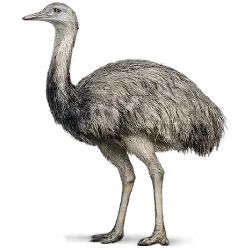
Greater RheaC
Rheas stride across the upper plateau of Canastra in small groups, often alongside anteaters and pampas deer.
Catatan spotting: Common on the Canastra plateau.
Baca panduan spesies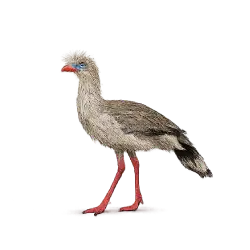
Red-legged SeriemaC
The long-legged cerrado bird whose rattling duets carry across Canastra and the farmland around Uberaba.
Catatan spotting: Regular; heard far more than seen, usually on a fence post.
Baca panduan spesies
South American TapirB
Tapirs feed in the gallery forest and marshes of Canastra and the Serra do Cipó and leave three-toed tracks on the river crossings.
Catatan spotting: Uncommon; dusk at the Casca d'Anta forest is the best bet.
Baca panduan spesies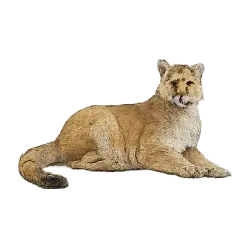
CougarA
Pumas hunt the rock fields of Serra do Cipó and Canastra, and camera traps catch them along the plateau roads.
Catatan spotting: Rarely seen; tracks on sandy tracks are common.
Baca panduan spesies
Horned SungemD
A cerrado hummingbird with a glittering horned crown that feeds on low flowers across the Canastra and Cipó grasslands.
Catatan spotting: Uncommon but conspicuous when it perches on a shrub top.
Baca panduan spesies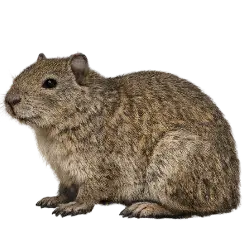
Rock CavyD
The mocó lives on rocky outcrops in the dry north of the state, basking on boulders near Januária and the Peruaçu caves.
Catatan spotting: Localised; realistic at Cavernas do Peruaçu National Park.
Baca panduan spesies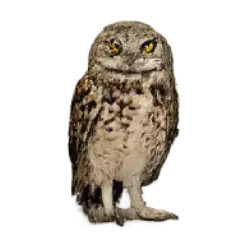
Burrowing OwlC
Pairs stand on fence posts and termite mounds beside almost every dirt road in the cerrado.
Catatan spotting: Very common in open country.
Baca panduan spesies
Crested CaracaraC
Caracaras walk the roadsides and pastures of Minas looking for carrion and insects turned up by cattle.
Catatan spotting: Common along any country road.
Baca panduan spesies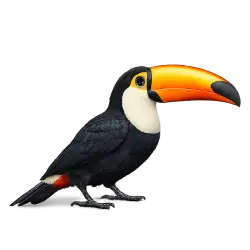
Toco ToucanC
Toco toucans cross the cerrado between fruiting trees and gather at the gallery forests along Canastra's São Francisco headwaters.
Catatan spotting: Regular in the lower Canastra valleys and around Capitólio.
Baca panduan spesies Brazilian Lava LizardE
Lava lizards bask on the quartzite rock of Cipó and on the stone walls of Ouro Preto and Tiradentes.
Catatan spotting: Abundant on any sunny rock face; one of the state's most logged captures.
Baca panduan spesies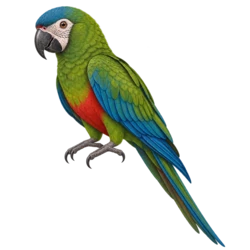
Blue-winged MacawC
Small macaws screech over the cerrado edges and palm groves of western Minas and the Triângulo region.
Catatan spotting: Uncommon; dawn and dusk flights along gallery forest.
Baca panduan spesiesPaling cocok untuk
Gunakan bagian ini untuk menilai apakah lokasi tersebut cocok dengan gaya perjalanan, level pengalaman, dan target AnimalDex kamu.
- Daylight anteater and rhea watching on the Canastra plateau
- Nightly wild maned wolves at the Caraça sanctuary
- Cerrado birding with seriemas, hummingbirds and owls
- Combining historic towns with roadside wildlife
Tips spotting
Tips ini dibuat agar halaman ini benar-benar berguna di lapangan, bukan hanya enak dibaca di layar.
- 01Enter Serra da Canastra by the São Roque de Minas gate at opening and drive the plateau road slowly; anteaters are most active in the first two hours of light.
- 02Stay overnight at the Santuário do Caraça; the wolves usually arrive between 20:00 and midnight and non-residents cannot wait.
- 03Look for giant armadillo burrows, a metre wide with a crescent-shaped mouth, along the Canastra plateau tracks.
- 04Pack warm layers: Caraça and the Cipó plateau drop near freezing on winter nights, which is exactly when the mammals move.
Wildlife Guides virtual
Panduan satwa liar ke Minas Gerais
AnimalDex membuat panduan virtual dari penampakan satwa liar milik para penjelajah sendiri: satwa apa yang mereka temukan, seberapa langka, dan kapan. Panduan adalah saran dari orang yang pernah ke sana, bukan tur. Membelinya membuka catatan penulis untuk setiap satwa, obrolan dengan penulis, dan perkenalan dengan warga lokal yang mereka temui. Penampakan satwa tidak pernah dijamin.
Memeriksa panduan virtual ke Minas Gerais...
Cara memilih pemandu satwa liar lokal di Minas Gerais
- Tanyakan apa yang biasanya mereka temukan pada musim kunjunganmu. Pemandu yang baik memberi jawaban jujur, bukan janji pasti melihat satwa tertentu.
- Perhatikan cara mereka memperlakukan satwa: tanpa umpan, tanpa memanggil satwa, tanpa memegang, dan tanpa flash dari jarak dekat demi foto.
- Pastikan titik temu, durasi, ukuran grup, total harga, dan cara pembayaran sebelum hari kegiatan, termasuk izin atau biaya taman yang diperlukan.
Lacak hewan yang kamu temukan di Minas Gerais
Bangun koleksimu sambil menjelajahi Minas Gerais, dari spesies yang mudah ditemukan sampai target yang layak direncanakan khusus.
Tier list terkait
Tier list ini memberi konteks yang lebih luas untuk spesies yang membuat lokasi ini menarik.
Rarest Animals in the World
A structured ranking of the rarest animals in the world, blending scarcity, vulnerability, and conservation pressure to answer the overlap between rarest and most endangered wildlife.
Baca tier list100 Animals with the Strongest Armor
Animals with the strongest natural armor, ranked by shells, scales, hide, and exoskeletons that actually protect — not just look impressive.
Baca tier listLokasi terkait
Lanjutkan eksplorasi dengan destinasi yang mirip atau berdekatan dan mendukung gaya discovery AnimalDex yang sama.
Animals in Brazil: What You Can Spot, Learn, and Collect
A practical Brazil wildlife guide built around wetlands, rainforest color, and the species that make the country feel big, alive, and worth collecting carefully.
Baca panduan lokasiAnimals in São Paulo: What You Can Spot, Learn, and Collect
Wildlife in São Paulo: capybaras on the Pinheiros river, howler monkeys and toucans in Cantareira, whales and turtles at Ilhabela, plus the São Paulo Zoo.
Baca panduan lokasiAnimals in Rio de Janeiro: What You Can Spot, Learn, and Collect
Wildlife in Rio de Janeiro: marmosets and sloths in Tijuca Forest, capybaras on the Barra lagoons, frigatebirds over Sugarloaf and whales off Ilha Grande.
Baca panduan lokasiFAQ lokasi
Jawaban singkat dan langsung untuk pertanyaan yang biasanya ditanyakan traveler sebelum memilih destinasi satwa liar atau hari kebun binatang.
What wildlife is there in Minas Gerais?
Cerrado specialists: giant anteaters, maned wolves, giant armadillos, greater rheas, red-legged seriemas, tapirs, pumas, blue-winged macaws, toucans and hummingbirds like the horned sungem, plus rock cavies on the dry northern outcrops.
What animals can be found in Minas Gerais?
The Serra da Canastra plateau is the place for anteaters, rheas and seriemas in daylight. Caraça delivers wild maned wolves almost every night. Burrowing owls, caracaras, toucans and lava lizards are easy along roads anywhere in the state.
How do you see a maned wolf in Minas Gerais?
Book a night at the Santuário do Caraça near Santa Bárbara. The monks place food on the church steps after dinner and wild wolves have come to take it almost nightly for decades. Sit quietly, no flash, and expect a wait of an hour or two.
When is the best time to visit Serra da Canastra for animals?
The dry season from May to September gives clear plateau roads, cool mornings and short grass, so anteaters and rheas are easy to see. The wet season greens the grassland but tracks turn to mud.
Apakah pengguna AnimalDex pernah menemukan hewan di Minas Gerais?
Ya. Pengguna AnimalDex telah mencatat 13 capture publik dari 12 spesies berbeda di Minas Gerais, termasuk snail, black ant, black rat, boa constrictor. Semuanya difoto di aplikasi pada saat penampakan.
Bagaimana cara menemukan panduan satwa liar ke Minas Gerais?
Lihat bagian Wildlife Guides di halaman ini atau jelajahi Wildlife Guides di AnimalDex. Setiap panduan adalah panduan virtual yang dibuat dari penampakan satwa liar milik seorang penjelajah di sekitar Minas Gerais: satwa yang mereka temukan, seberapa langka, dan kapan. Ini saran dari orang yang pernah ke sana, bukan tur. Jika kamu ingin ditemani seseorang di lokasi, bandingkan pemandu lokal dari pengetahuan satwanya, cara mereka memperlakukan satwa, dan kejelasan harganya sebelum berangkat.