

Animals in South Korea: What You Can Spot, Learn, and Collect
South Korea wildlife guide: red-crowned cranes and vultures at Cheorwon, water deer and raccoon dogs in the hills, Jeju's roe deer, Jirisan's bears, Seoul's tigers.
Jawaban cepat
Mulai dari jawaban langsung, lalu gunakan bagian di bawah untuk melihat kenapa lokasi ini penting dan hewan mana yang benar-benar realistis untuk di-spot di sana.
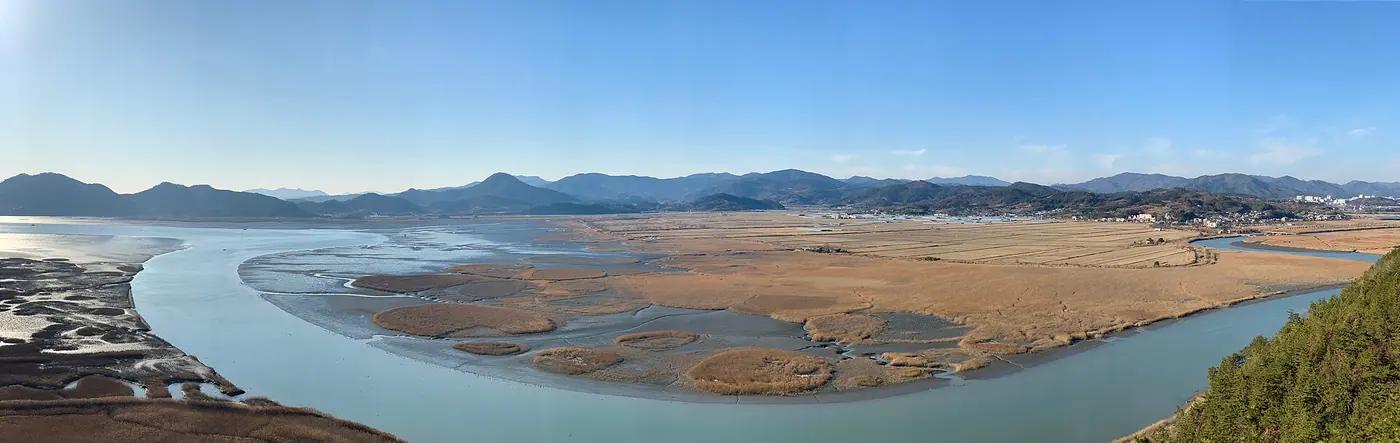
South Korea's wildlife is winter wildlife. Red-crowned and white-naped cranes feed in the Cheorwon rice stubble inside the civilian control zone, cinereous vultures drift down from Mongolia to Paju and Goseong, and whooper swans and mandarin ducks fill the rivers. Water deer bark in every hillside, raccoon dogs cross the suburbs at night, Jeju has roe deer on Hallasan, and Jirisan's reintroduced Asiatic black bears number over 80. Seoul Grand Park keeps Siberian tigers and Amur leopards.
Korea's mountains cover 70 percent of the country and were stripped of large animals by the mid-20th century, but the forest grew back and the small and medium mammals came with it. Water deer, a tusked, dog-sized deer found only here and in China, are now so common they are a traffic hazard, and raccoon dogs live inside Seoul's parks.
The DMZ borderlands are the other story. Seventy years without farming turned the strip into an accidental reserve, and the civilian control zone beside it at Cheorwon is where the cranes winter. Add Suncheon Bay's reedbeds for hooded cranes and the islands for migrating songbirds, and Korea rewards a cold-season trip.
Kenapa lokasi ini penting
Halaman lokasi yang baik menjelaskan kenapa tempat ini layak dikunjungi, bukan hanya nama-nama yang cocok dimasukkan ke checklist destinasi.
The Jirisan bear reintroduction, begun in 2004 with animals from Russia and North Korea, has passed 80 wild bears and is one of Asia's most successful large-carnivore recoveries. It also raises the question of what happens as bears spread into farmland.
Cheorwon hosts a significant share of the world's red-crowned cranes each winter in fields that could be developed the moment the border opens. Counts and photographs from the civilian control zone are the record conservationists use.
Tempat mencari
Peta satwa liar South Korea
Panduan ini mencakup wilayah di bawah ini. Perbesar peta untuk mengenali areanya sebelum merencanakan perjalanan.
Posisi diambil dari OpenStreetMap. Akses habitat dan jam buka bisa berubah — periksa dulu sebelum berangkat. Pin yang lebih kecil adalah capture publik AnimalDex, ditempatkan sampai kilometer terdekat.
Bukti lapangan
Ditemukan di South Korea oleh pengguna AnimalDex
Capture nyata yang dicatat di aplikasi AnimalDex di dalam area ini dan dibagikan secara publik oleh kolektornya, dengan hewan yang dikonfirmasi oleh identifikasi aplikasi. Lokasi ditampilkan sampai tingkat wilayah, bukan titik persisnya.
- 2
- capture publik
- 2
- spesies tercatat
- 1
- kolektor
- 1
- penampakan liar
Capture terbaru dari lapangan
Spesies yang benar-benar dicatat orang di sini
Setiap nama menuju panduan spesiesnya. Angkanya adalah jumlah capture publik hewan itu di dalam area ini.
Kolektor memilih membagikan capture ini di Discover dan bisa menariknya kapan saja. Koordinat dibulatkan sekitar satu kilometer dan diperbarui setiap build situs.
Hewan untuk di-spot
Pilihan spesies di sini sengaja dibuat praktis, menyeimbangkan aksesibilitas, excitement, dan apa yang realistis untuk diperhatikan traveler di lokasi tersebut.
Red-crowned CraneB
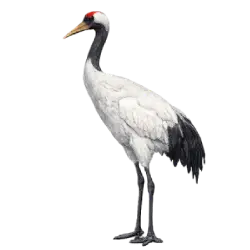
Hundreds of the world's rarest cranes winter in the rice stubble of the Cheorwon plain inside the civilian control zone, viewed from guided buses and hides.
Catatan spotting: Reliable at Cheorwon from November to February with a permit tour.
Baca panduan spesies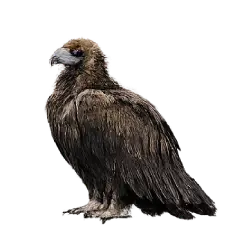
Cinereous VultureB
Europe's largest vulture arrives from Mongolia each winter to feeding stations at Paju and Goseong, hundreds at a time.
Catatan spotting: Regular at the winter feeding sites from December to February.
Baca panduan spesies
Whooper SwanC
Flocks winter on the Nakdong estuary, Junam reservoir and the Cheonsu Bay reclaimed fields, trumpeting across the water.
Catatan spotting: Common at the big wetlands in winter.
Baca panduan spesies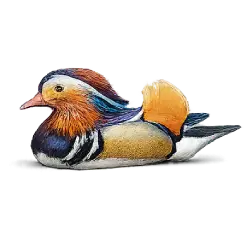
Mandarin DuckC
Korea's natural monument duck breeds in tree holes along mountain streams and winters on rivers in Seoul, including the Cheonggyecheon and Jungnangcheon.
Catatan spotting: Regular on Seoul's streams in winter; look for the drakes' orange sails.
Baca panduan spesies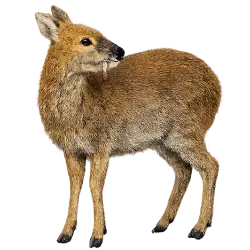
Water DeerC
The tusked, antlerless deer barks from reedbeds and hillsides across the country and is the mammal Koreans see most, often as roadkill.
Catatan spotting: Very common; dawn and dusk on any rural road or riverside path.
Baca panduan spesies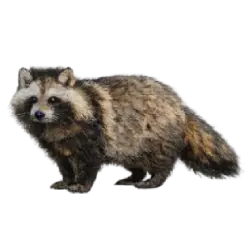
Raccoon DogD
Raccoon dogs live in Seoul's larger parks and hills, from Namsan to the Han River banks, and trot across suburban roads after dark.
Catatan spotting: Regular at night in the city's green spaces.
Baca panduan spesies Leopard CatC
Korea's only surviving wild cat lives in every mainland national park and the DMZ borderlands, hunting rodents on paddy edges and forest margins after dark.
Catatan spotting: Rarely seen; camera traps and roadside sightings at night are the usual record.
Baca panduan spesies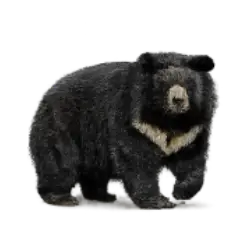
Asiatic Black BearA
The reintroduced Jirisan population now exceeds 80 bears roaming the national park's ridges, with occasional sightings on the trails.
Catatan spotting: Rare to see; claw-marked trees and park warnings are common on Jirisan.
Baca panduan spesies
Yellow-throated MartenC
Big, bold martens hunt in groups through Jirisan, Odaesan and Seoraksan forests and sometimes along the trails in daylight.
Catatan spotting: Uncommon but conspicuous; mountain trails at dawn.
Baca panduan spesies
Wild BoarB
Boar have expanded into Seoul's hills and suburbs, and signs in Bukhansan warn hikers about them.
Catatan spotting: Common in the hills; dusk encounters on the Bukhansan trails happen.
Baca panduan spesies
Eurasian MagpieD
Korea's national bird and the loudest presence in every city park and village, nesting in the plane trees along Seoul's boulevards.
Catatan spotting: Guaranteed.
Baca panduan spesies
Korean Rat SnakeC
A big, harmless snake of rice paddies, stone walls and temple grounds across the peninsula, active from April to October.
Catatan spotting: Occasional; warm mornings on paddy dikes and temple walls.
Baca panduan spesies
Oriental Fire-bellied ToadE
Green-backed, red-bellied toads breed in mountain pools and paddy ditches across the country each spring.
Catatan spotting: Common April to June in still water.
Baca panduan spesies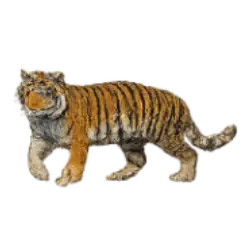
TigerA
Seoul Grand Park zoo in Gwacheon keeps Siberian tigers, the national symbol that vanished from the wild peninsula a century ago; captive animals only.
Catatan spotting: Guaranteed at Seoul Grand Park; none in the wild.
Baca panduan spesiesPaling cocok untuk
Gunakan bagian ini untuk menilai apakah lokasi tersebut cocok dengan gaya perjalanan, level pengalaman, dan target AnimalDex kamu.
- Winter birders: cranes, vultures, swans and ducks at Cheorwon, Paju and Suncheon
- Hikers logging water deer, boar and martens in the national parks
- Jeju travelers adding roe deer and seabirds to the volcano and beaches
- City visitors seeing mandarin ducks and raccoon dogs inside Seoul
Tips spotting
Tips ini dibuat agar halaman ini benar-benar berguna di lapangan, bukan hanya enak dibaca di layar.
- 01Cheorwon crane tours need a permit and run from the Cheorwon tourist office; book for a December or January morning when the cranes feed close to the road.
- 02Walk the Cheonggyecheon and Jungnangcheon streams in Seoul on a cold morning for mandarin ducks, egrets and night herons among the commuters.
- 03Jeju's eastern oreum hills and the Hallasan Yeongsil trail are the best roe deer ground; go at first light before the tour buses.
- 04In the national parks, carry bells or talk on remote Jirisan trails; the bears are shy but the park asks hikers to make noise.
Wildlife Guides virtual
Panduan satwa liar ke South Korea
AnimalDex membuat panduan virtual dari penampakan satwa liar milik para penjelajah sendiri: satwa apa yang mereka temukan, seberapa langka, dan kapan. Panduan adalah saran dari orang yang pernah ke sana, bukan tur. Membelinya membuka catatan penulis untuk setiap satwa, obrolan dengan penulis, dan perkenalan dengan warga lokal yang mereka temui. Penampakan satwa tidak pernah dijamin.
Memeriksa panduan virtual ke South Korea...
Cara memilih pemandu satwa liar lokal di South Korea
- Tanyakan apa yang biasanya mereka temukan pada musim kunjunganmu. Pemandu yang baik memberi jawaban jujur, bukan janji pasti melihat satwa tertentu.
- Perhatikan cara mereka memperlakukan satwa: tanpa umpan, tanpa memanggil satwa, tanpa memegang, dan tanpa flash dari jarak dekat demi foto.
- Pastikan titik temu, durasi, ukuran grup, total harga, dan cara pembayaran sebelum hari kegiatan, termasuk izin atau biaya taman yang diperlukan.
Lacak hewan yang kamu temukan di South Korea
Bangun koleksimu sambil menjelajahi South Korea, dari spesies yang mudah ditemukan sampai target yang layak direncanakan khusus.
Tier list terkait
Tier list ini memberi konteks yang lebih luas untuk spesies yang membuat lokasi ini menarik.
100 Most Resilient Animals
Most resilient animals ranked by recovery, climate toughness, and staying functional under stress — not a copy of the strongest or most dangerous lists.
Baca tier listLokasi terkait
Lanjutkan eksplorasi dengan destinasi yang mirip atau berdekatan dan mendukung gaya discovery AnimalDex yang sama.
Animals in Japan: What You Can Spot, Learn, and Collect
A practical Japan wildlife guide focused on birds, coasts, smaller seasonal animals, and the quieter observation style that makes the country rewarding for careful travelers.
Baca panduan lokasiAnimals in China: What You Can Spot, Learn, and Collect
A practical China wildlife guide built around iconic mountain species, river-edge birds, and the broader habitat variety that makes the country more than a panda-only destination.
Baca panduan lokasiAnimals in Russia: What You Can Spot, Learn, and Collect
A practical Russia wildlife guide built around scale, cold-region animals, forests, and the species that make the country feel ecologically vast rather than easy to summarize.
Baca panduan lokasiFAQ lokasi
Jawaban singkat dan langsung untuk pertanyaan yang biasanya ditanyakan traveler sebelum memilih destinasi satwa liar atau hari kebun binatang.
What wildlife is there in South Korea?
Red-crowned, white-naped and hooded cranes, cinereous vultures, whooper swans and mandarin ducks in winter; water deer, roe deer, raccoon dogs, wild boar, martens and reintroduced Asiatic black bears in the mountains; magpies everywhere; and rat snakes and fire-bellied toads in the paddies. Siberian tigers and Amur leopards are at Seoul Grand Park.
What animals can be found in South Korea?
Around 80 mammals including water deer, roe deer, boar, raccoon dog, Asiatic black bear, yellow-throated marten and leopard cat; over 500 bird species, many of them migrants; and amphibians and reptiles from fire-bellied toads to Korean rat snakes. Tigers and leopards are extinct in the wild here.
When is the best time for wildlife in Korea?
Winter, from November to February, for the cranes, vultures and waterfowl that make Korea special. Spring (April to May) is best for migrating songbirds on the west-coast islands and for frogs and snakes emerging in the paddies.
Can you see wild animals in Seoul?
Yes. Raccoon dogs and wild boar live in the city's hills and parks, mandarin ducks and herons winter on the restored streams, water deer graze the Han River reedbeds, and magpies are everywhere. Seoul Grand Park covers the big species.
Apakah pengguna AnimalDex pernah menemukan hewan di South Korea?
Ya. Pengguna AnimalDex telah mencatat 2 capture publik dari 2 spesies berbeda di South Korea, termasuk common pill woodlouse, wasp spider. Semuanya difoto di aplikasi pada saat penampakan.
Bagaimana cara menemukan panduan satwa liar ke South Korea?
Lihat bagian Wildlife Guides di halaman ini atau jelajahi Wildlife Guides di AnimalDex. Setiap panduan adalah panduan virtual yang dibuat dari penampakan satwa liar milik seorang penjelajah di sekitar South Korea: satwa yang mereka temukan, seberapa langka, dan kapan. Ini saran dari orang yang pernah ke sana, bukan tur. Jika kamu ingin ditemani seseorang di lokasi, bandingkan pemandu lokal dari pengetahuan satwanya, cara mereka memperlakukan satwa, dan kejelasan harganya sebelum berangkat.