

Animals in South Korea: What You Can Spot, Learn, and Collect
South Korea wildlife guide: red-crowned cranes and vultures at Cheorwon, water deer and raccoon dogs in the hills, Jeju's roe deer, Jirisan's bears, Seoul's tigers.
Quick answer
Start with the direct answer, then use the sections below to see why the location matters and which animals are actually realistic to spot there.
South Korea's wildlife is winter wildlife. Red-crowned and white-naped cranes feed in the Cheorwon rice stubble inside the civilian control zone, cinereous vultures drift down from Mongolia to Paju and Goseong, and whooper swans and mandarin ducks fill the rivers. Water deer bark in every hillside, raccoon dogs cross the suburbs at night, Jeju has roe deer on Hallasan, and Jirisan's reintroduced Asiatic black bears number over 80. Seoul Grand Park keeps Siberian tigers and Amur leopards.
Korea's mountains cover 70 percent of the country and were stripped of large animals by the mid-20th century, but the forest grew back and the small and medium mammals came with it. Water deer, a tusked, dog-sized deer found only here and in China, are now so common they are a traffic hazard, and raccoon dogs live inside Seoul's parks.
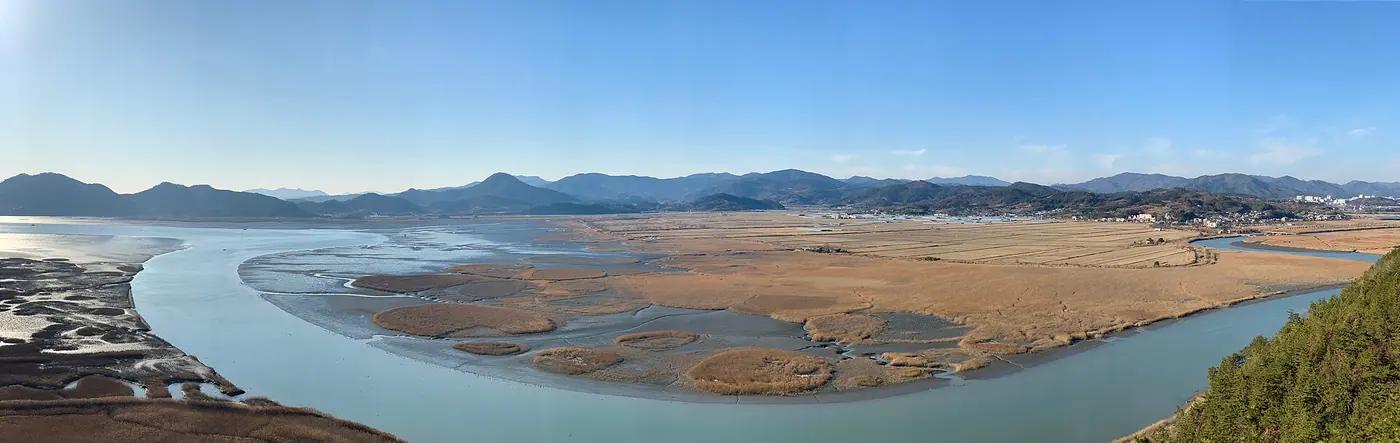
The DMZ borderlands are the other story. Seventy years without farming turned the strip into an accidental reserve, and the civilian control zone beside it at Cheorwon is where the cranes winter. Add Suncheon Bay's reedbeds for hooded cranes and the islands for migrating songbirds, and Korea rewards a cold-season trip.
Why this location matters
Good location pages explain why the place is worth your time, not just which names belong on a destination checklist.
The Jirisan bear reintroduction, begun in 2004 with animals from Russia and North Korea, has passed 80 wild bears and is one of Asia's most successful large-carnivore recoveries. It also raises the question of what happens as bears spread into farmland.
Cheorwon hosts a significant share of the world's red-crowned cranes each winter in fields that could be developed the moment the border opens. Counts and photographs from the civilian control zone are the record conservationists use.
Where to look
Wildlife map of South Korea
This guide covers the region shown below. Zoom in to get your bearings before planning a trip.
Positions are geocoded from OpenStreetMap. Habitat access and opening times change — check locally before travelling. Smaller pins are public AnimalDex captures, placed to the nearest kilometre.
Field proof
Found in South Korea by AnimalDex users
Real captures logged in the AnimalDex app inside this area and shared publicly by their collectors, with the animal confirmed by the app's identification. Places are shown to the nearest region, never the exact spot.
- 2
- public captures
- 2
- species recorded
- 1
- collectors
- 1
- wild sightings
Recent captures from the field
Species people have actually logged here
Every name links to its species guide. The count is how many public captures of that animal sit inside this area.
Collectors choose to share these captures on Discover and can withdraw them at any time. Coordinates are rounded to about a kilometre and refreshed with each site build.
Animals to spot
These are intentionally practical species picks, balancing accessibility, excitement, and what travelers can realistically notice in the location.
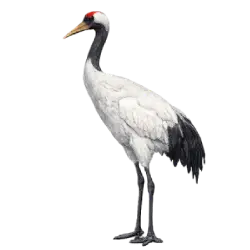
Red-crowned CraneB
Hundreds of the world's rarest cranes winter in the rice stubble of the Cheorwon plain inside the civilian control zone, viewed from guided buses and hides.
Spotting note: Reliable at Cheorwon from November to February with a permit tour.
Read species guide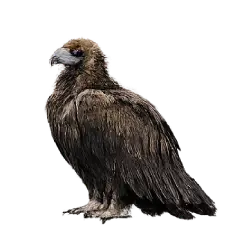
Cinereous VultureB
Europe's largest vulture arrives from Mongolia each winter to feeding stations at Paju and Goseong, hundreds at a time.
Spotting note: Regular at the winter feeding sites from December to February.
Read species guide
Whooper SwanC
Flocks winter on the Nakdong estuary, Junam reservoir and the Cheonsu Bay reclaimed fields, trumpeting across the water.
Spotting note: Common at the big wetlands in winter.
Read species guide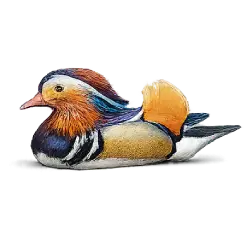
Mandarin DuckC
Korea's natural monument duck breeds in tree holes along mountain streams and winters on rivers in Seoul, including the Cheonggyecheon and Jungnangcheon.
Spotting note: Regular on Seoul's streams in winter; look for the drakes' orange sails.
Read species guide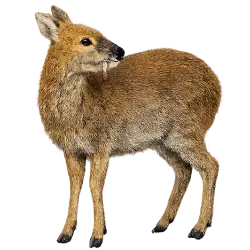
Water DeerC
The tusked, antlerless deer barks from reedbeds and hillsides across the country and is the mammal Koreans see most, often as roadkill.
Spotting note: Very common; dawn and dusk on any rural road or riverside path.
Read species guide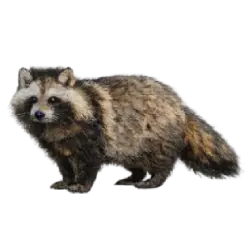
Raccoon DogD
Raccoon dogs live in Seoul's larger parks and hills, from Namsan to the Han River banks, and trot across suburban roads after dark.
Spotting note: Regular at night in the city's green spaces.
Read species guide Leopard CatC
Korea's only surviving wild cat lives in every mainland national park and the DMZ borderlands, hunting rodents on paddy edges and forest margins after dark.
Spotting note: Rarely seen; camera traps and roadside sightings at night are the usual record.
Read species guide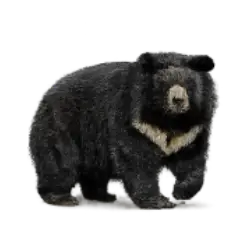
Asiatic Black BearA
The reintroduced Jirisan population now exceeds 80 bears roaming the national park's ridges, with occasional sightings on the trails.
Spotting note: Rare to see; claw-marked trees and park warnings are common on Jirisan.
Read species guide
Yellow-throated MartenC
Big, bold martens hunt in groups through Jirisan, Odaesan and Seoraksan forests and sometimes along the trails in daylight.
Spotting note: Uncommon but conspicuous; mountain trails at dawn.
Read species guide
Wild BoarB
Boar have expanded into Seoul's hills and suburbs, and signs in Bukhansan warn hikers about them.
Spotting note: Common in the hills; dusk encounters on the Bukhansan trails happen.
Read species guide
Eurasian MagpieD
Korea's national bird and the loudest presence in every city park and village, nesting in the plane trees along Seoul's boulevards.
Spotting note: Guaranteed.
Read species guide
Korean Rat SnakeC
A big, harmless snake of rice paddies, stone walls and temple grounds across the peninsula, active from April to October.
Spotting note: Occasional; warm mornings on paddy dikes and temple walls.
Read species guide
Oriental Fire-bellied ToadE
Green-backed, red-bellied toads breed in mountain pools and paddy ditches across the country each spring.
Spotting note: Common April to June in still water.
Read species guide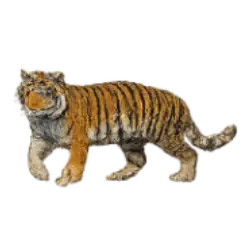
TigerA
Seoul Grand Park zoo in Gwacheon keeps Siberian tigers, the national symbol that vanished from the wild peninsula a century ago; captive animals only.
Spotting note: Guaranteed at Seoul Grand Park; none in the wild.
Read species guideBest for
Use this section to decide whether the location fits your travel style, skill level, and AnimalDex goals.
- Winter birders: cranes, vultures, swans and ducks at Cheorwon, Paju and Suncheon
- Hikers logging water deer, boar and martens in the national parks
- Jeju travelers adding roe deer and seabirds to the volcano and beaches
- City visitors seeing mandarin ducks and raccoon dogs inside Seoul
Spotting tips
These tips are meant to make the page useful in the field, not just readable on the page.
- 01Cheorwon crane tours need a permit and run from the Cheorwon tourist office; book for a December or January morning when the cranes feed close to the road.
- 02Walk the Cheonggyecheon and Jungnangcheon streams in Seoul on a cold morning for mandarin ducks, egrets and night herons among the commuters.
- 03Jeju's eastern oreum hills and the Hallasan Yeongsil trail are the best roe deer ground; go at first light before the tour buses.
- 04In the national parks, carry bells or talk on remote Jirisan trails; the bears are shy but the park asks hikers to make noise.
Virtual Wildlife Guides
Wildlife guides to South Korea
AnimalDex builds virtual guides from explorers' own wild sightings: which animals they found, how rare they are, and when. A guide is advice from someone who has been there, not a tour. Buying one unlocks the author's notes for every animal, a chat with the author, and introductions to local people they met. Wildlife is never guaranteed.
Checking for virtual guides to South Korea...
How to choose a local wildlife guide in South Korea
- Ask what they usually find in the season you are visiting. A good guide gives an honest answer, not a promised sighting.
- Check how they treat animals: no baiting, calling in, handling, or close flash photography for a better shot.
- Confirm the meeting area, duration, group size, total price, and how you pay before the day, plus any permits or park fees the place requires.
Track the animals you find in South Korea
Build your collection while you travel through South Korea, from easy wins to the species worth planning around.
Related tier lists
These tier lists add broader context around the species that make this location interesting.
100 Most Resilient Animals
Most resilient animals ranked by recovery, climate toughness, and staying functional under stress — not a copy of the strongest or most dangerous lists.
Read tier listRelated locations
Keep exploring with nearby or similar destinations that support the same kind of AnimalDex discovery.
Animals in Japan: What You Can Spot, Learn, and Collect
A practical Japan wildlife guide focused on birds, coasts, smaller seasonal animals, and the quieter observation style that makes the country rewarding for careful travelers.
Read location guideAnimals in China: What You Can Spot, Learn, and Collect
A practical China wildlife guide built around iconic mountain species, river-edge birds, and the broader habitat variety that makes the country more than a panda-only destination.
Read location guideAnimals in Russia: What You Can Spot, Learn, and Collect
A practical Russia wildlife guide built around scale, cold-region animals, forests, and the species that make the country feel ecologically vast rather than easy to summarize.
Read location guideLocation FAQ
Short direct answers to the questions travelers usually ask before choosing a wildlife destination or zoo day.
What wildlife is there in South Korea?
Red-crowned, white-naped and hooded cranes, cinereous vultures, whooper swans and mandarin ducks in winter; water deer, roe deer, raccoon dogs, wild boar, martens and reintroduced Asiatic black bears in the mountains; magpies everywhere; and rat snakes and fire-bellied toads in the paddies. Siberian tigers and Amur leopards are at Seoul Grand Park.
What animals can be found in South Korea?
Around 80 mammals including water deer, roe deer, boar, raccoon dog, Asiatic black bear, yellow-throated marten and leopard cat; over 500 bird species, many of them migrants; and amphibians and reptiles from fire-bellied toads to Korean rat snakes. Tigers and leopards are extinct in the wild here.
When is the best time for wildlife in Korea?
Winter, from November to February, for the cranes, vultures and waterfowl that make Korea special. Spring (April to May) is best for migrating songbirds on the west-coast islands and for frogs and snakes emerging in the paddies.
Can you see wild animals in Seoul?
Yes. Raccoon dogs and wild boar live in the city's hills and parks, mandarin ducks and herons winter on the restored streams, water deer graze the Han River reedbeds, and magpies are everywhere. Seoul Grand Park covers the big species.
Have AnimalDex users found animals in South Korea?
Yes. AnimalDex users have publicly logged 2 captures of 2 different species in South Korea, including common pill woodlouse, wasp spider. Each one was photographed in the app at the moment of the sighting.
How do I find a wildlife guide to South Korea?
Check the Wildlife Guides section on this page or browse Wildlife Guides on AnimalDex. Each one is a virtual guide built from an explorer's own wild sightings around South Korea: the animals they found, how rare they are, and when. It is advice from someone who has been there, not a tour. If you want someone with you on the day, compare local guides on wildlife knowledge, how they treat animals, and clear pricing before you go.