

Animals in Turkey: What You Can Spot, Learn, and Collect
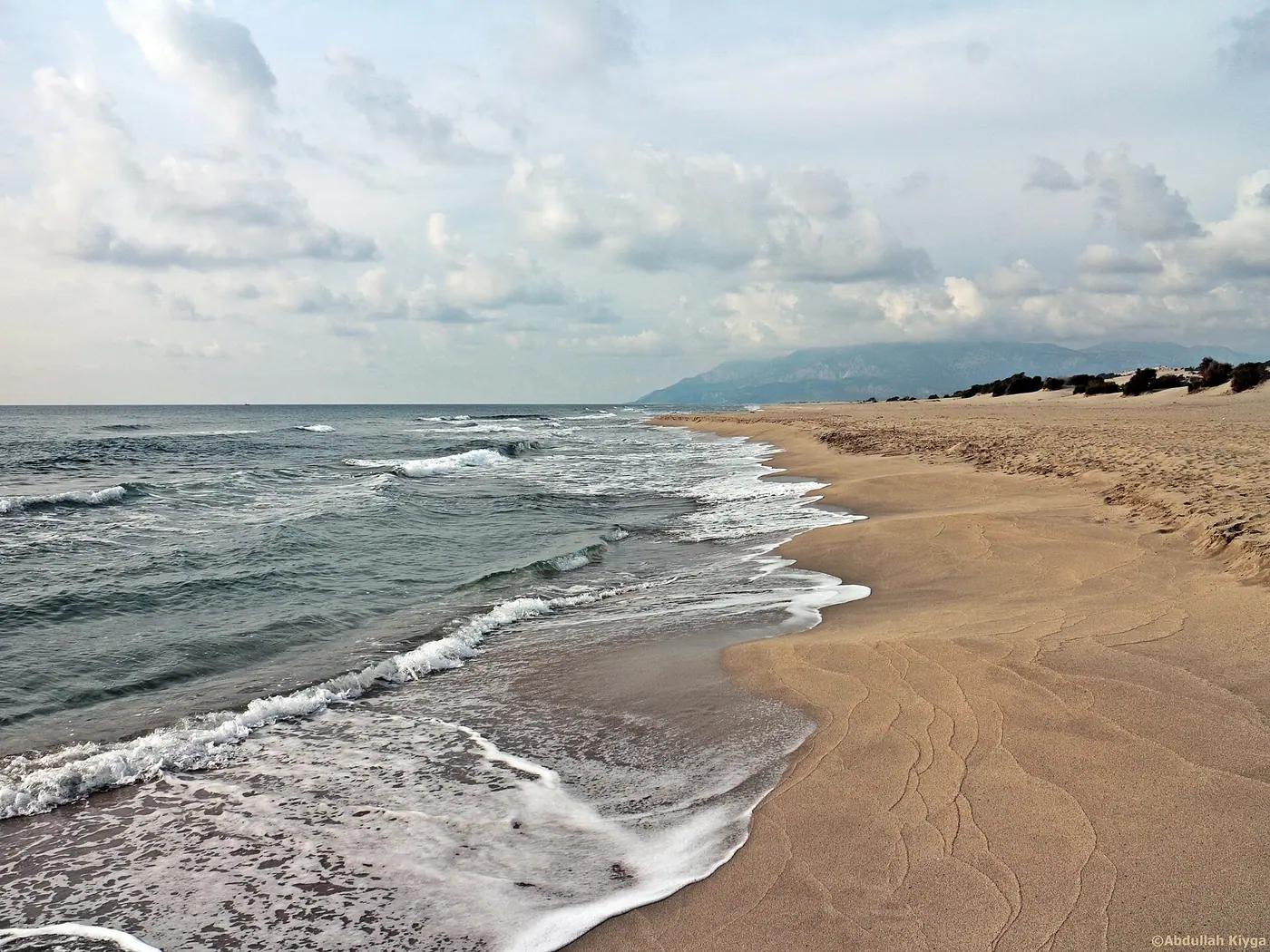
Turkey's wildlife: bald ibis at Birecik, sea turtles at Dalyan and the Göksu Delta, flamingos at the Sultan Marshes near Kayseri, Kaçkar bears and Bosphorus storks.
Jawaban cepat
Mulai dari jawaban langsung, lalu gunakan bagian di bawah untuk melihat kenapa lokasi ini penting dan hewan mana yang benar-benar realistis untuk di-spot di sana.
Turkey bridges Europe and the Middle East and its wildlife shows it: brown bears, wolves and lynx in the Black Sea mountains, caracals and striped hyenas in the south and south-east, the last semi-wild northern bald ibis colony at Birecik, and loggerhead and green turtles nesting on the Mediterranean beaches. Flamingos breed on Lake Tuz and feed at the Sultan Marshes below Erciyes near Kayseri, pelicans nest at Manyas, and hundreds of thousands of storks and raptors cross the Bosphorus every autumn.
Turkey is too big and too varied to summarise as one wildlife destination. The Black Sea coast is temperate rainforest with bears and lynx in the Kaçkar mountains; the Anatolian plateau is steppe with salt lakes, flamingos and the wild ancestor of the golden hamster; the Mediterranean coast has turtle beaches, geckos and fallow deer in the Taurus pine forest; and the south-east around Birecik and Şanlıurfa is where striped hyenas, bald ibis and Middle Eastern species reach their northern limit.
Cappadocia and Kayseri, where the Turkish AnimalDex captures so far have been made, sit in the middle of this. The fairy-chimney valleys have rock-nesting birds, foxes and hares, and twenty minutes south of Kayseri the Sultan Marshes National Park spreads under the volcano Erciyes, one of Turkey's most important wetlands with flamingos, pelicans, cranes and herons on its reed-fringed lakes.
Mulai dari hewan ini
Kenapa lokasi ini penting
Halaman lokasi yang baik menjelaskan kenapa tempat ini layak dikunjungi, bukan hanya nama-nama yang cocok dimasukkan ke checklist destinasi.
Turkey holds species that are gone or nearly gone from the rest of the region. The Birecik bald ibis colony is the only one left in the eastern Mediterranean, the Akyatan beach near Adana is the largest green turtle nesting site in the Mediterranean, and the Anatolian leopard still survives in a few remote ranges.
It is also one of the great migration crossroads. The Bosphorus in September funnels the entire eastern European population of white storks and tens of thousands of raptors over Istanbul's rooftops, and the Çamlıca hills give views that rival any flyway in the world.
Tempat mencari
Peta satwa liar Turkey
Panduan ini mencakup wilayah di bawah ini. Perbesar peta untuk mengenali areanya sebelum merencanakan perjalanan.
Posisi diambil dari OpenStreetMap. Akses habitat dan jam buka bisa berubah — periksa dulu sebelum berangkat. Pin yang lebih kecil adalah capture publik AnimalDex, ditempatkan sampai kilometer terdekat.
Bukti lapangan
Ditemukan di Turkey oleh pengguna AnimalDex
Capture nyata yang dicatat di aplikasi AnimalDex di dalam area ini dan dibagikan secara publik oleh kolektornya, dengan hewan yang dikonfirmasi oleh identifikasi aplikasi. Lokasi ditampilkan sampai tingkat wilayah, bukan titik persisnya.
- 3
- capture publik
- 3
- spesies tercatat
- 2
- kolektor
- 0
- penampakan liar
Capture terbaru dari lapangan
Spesies yang benar-benar dicatat orang di sini
Setiap nama menuju panduan spesiesnya. Angkanya adalah jumlah capture publik hewan itu di dalam area ini.
Kolektor memilih membagikan capture ini di Discover dan bisa menariknya kapan saja. Koordinat dibulatkan sekitar satu kilometer dan diperbarui setiap build situs.
Hewan untuk di-spot
Pilihan spesies di sini sengaja dibuat praktis, menyeimbangkan aksesibilitas, excitement, dan apa yang realistis untuk diperhatikan traveler di lokasi tersebut.
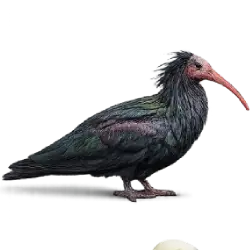
Northern Bald IbisB
The Birecik breeding station on the Euphrates keeps the last eastern colony of bald ibis, a few hundred birds that fly free over the town from February to July and nest on the cliffs and ledges above it.
Catatan spotting: Guaranteed at Birecik in spring and early summer; the birds are aviary-held outside the breeding season.
Baca panduan spesies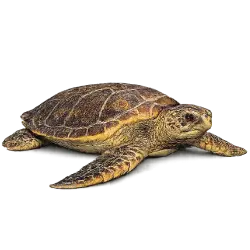
Loggerhead Sea TurtleC
Loggerheads nest on İztuzu beach at Dalyan, the Göksu Delta near Silifke, Patara and Belek, with a rehabilitation centre at Dalyan and strict night closures in the nesting season.
Catatan spotting: Likely from boats off Dalyan in summer; nesting is watched only on guided walks.
Baca panduan spesies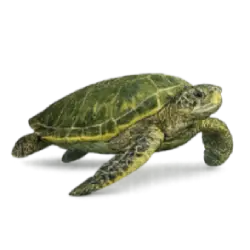
Green Sea TurtleC
Turkey's southern beaches hold most of the Mediterranean's green turtle nests, with Akyatan near Adana the largest site and the Göksu Delta and Samandağ close behind.
Catatan spotting: Uncommon to see; the Göksu and Akyatan beaches in June and July with a guide.
Baca panduan spesies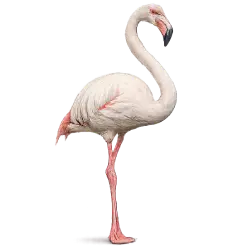
Greater FlamingoC
Lake Tuz in central Anatolia has one of the Mediterranean's largest flamingo breeding colonies, and the birds feed in thousands at the Sultan Marshes south of Kayseri and on Lake Seyfe.
Catatan spotting: Reliable at the Sultan Marshes from spring to autumn; the Lake Tuz colony itself is off-limits.
Baca panduan spesies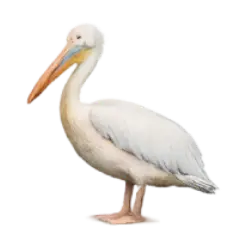
Great White PelicanC
Pelicans breed at the Kuş Cenneti (Bird Paradise) National Park on Lake Manyas near Bandırma and pass through the Sultan Marshes and the Göksu Delta on migration.
Catatan spotting: Regular at Manyas from April to September; passage flocks at Sultan Marshes in spring and autumn.
Baca panduan spesies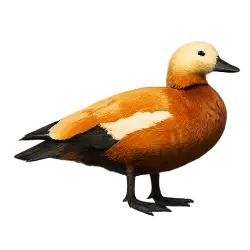
Ruddy ShelduckC
Ruddy shelducks breed around the highland lakes of eastern Anatolia, including Lake Van and Lake Erçek, and on the Sultan Marshes and other central plateau wetlands.
Catatan spotting: Common on plateau lakes from March to October.
Baca panduan spesies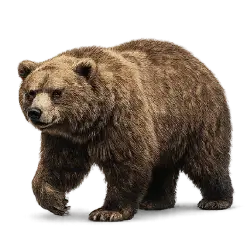
Brown BearA
Several thousand bears live in Turkey, densest in the Kaçkar mountains above Yusufeli and the Black Sea forests, where bear-watching hides operate in late summer.
Catatan spotting: Likely from a Kaçkar hide in August and September; occasional on mountain trails.
Baca panduan spesies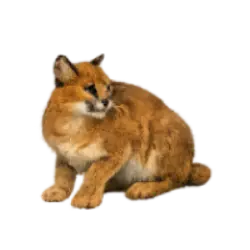
CaracalB
Caracals survive in the Mediterranean maquis and Taurus foothills of Antalya and Muğla and in the south-east, recorded by camera traps far more often than by eye.
Catatan spotting: Very rare; a night drive in the Köprülü Canyon or Termessos hinterland is the slim chance.
Baca panduan spesies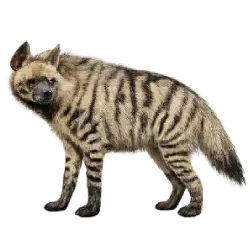
Striped HyenaB
Striped hyenas reach their northern limit in south-eastern Turkey around Şanlıurfa, Hatay and the Euphrates valley, scavenging around villages at night.
Catatan spotting: Rare; road sightings at night near Birecik and Hatay are the usual records.
Baca panduan spesies
Golden HamsterE
The wild ancestor of the pet golden hamster lives only on the Aleppo plateau of northern Syria and the adjoining Turkish provinces of Kilis and Gaziantep, in wheat fields and field margins.
Catatan spotting: Very rare to see; nocturnal and confined to a small farmed region on the Syrian border.
Baca panduan spesies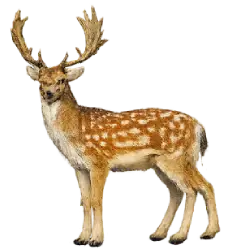
Fallow DeerC
Turkey's Düzlerçamı forest near Antalya holds one of the last truly native fallow deer populations in the world, the stock from which many European herds descend.
Catatan spotting: Uncommon; the Düzlerçamı breeding station and surrounding pine forest at dawn.
Baca panduan spesies
Greek TortoiseE
Spur-thighed tortoises are common across Anatolia from the Aegean olive groves to the steppe around Cappadocia, crossing roads and tracks in spring.
Catatan spotting: Common in April and May; look on dirt tracks in the morning.
Baca panduan spesies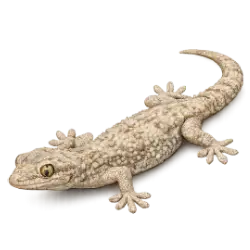
Mediterranean House GeckoE
House geckos hunt moths on the walls of Antalya, Bodrum and Göreme hotel courtyards every warm night and are the standard Turkish evening capture.
Catatan spotting: Guaranteed on lit walls from April to October on the coast and in Cappadocia.
Baca panduan spesies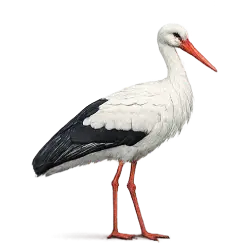
White StorkC
The entire eastern European stork population crosses the Bosphorus in late August and September, hundreds of thousands of birds in a few weeks, and villages like Eskikaraağaç near Bursa are stork villages.
Catatan spotting: Spectacular over Istanbul's Çamlıca hills in late August; nests across Anatolia in summer.
Baca panduan spesiesPaling cocok untuk
Gunakan bagian ini untuk menilai apakah lokasi tersebut cocok dengan gaya perjalanan, level pengalaman, dan target AnimalDex kamu.
- Bald ibis at Birecik on the Euphrates in spring
- Flamingos, pelicans and herons at the Sultan Marshes below Erciyes near Kayseri
- Turtle beaches at Dalyan, the Göksu Delta and Akyatan
- Stork and raptor migration over the Bosphorus in September
Tips spotting
Tips ini dibuat agar halaman ini benar-benar berguna di lapangan, bukan hanya enak dibaca di layar.
- 01Visit Birecik between March and June when the ibis are free-flying; the breeding station is on the north edge of town and the birds feed on the riverside fields at dawn.
- 02The Sultan Marshes are a short drive from Kayseri or Cappadocia; the Ovaçiftlik visitor centre has towers and boardwalks, and early morning gives flamingos before the heat haze.
- 03At Dalyan take a boat to İztuzu beach and watch for turtles surfacing in the channel; the beach closes at night in the nesting season and daytime visitors must stay off the marked nests.
- 04For the Bosphorus migration stand on Büyük Çamlıca hill on the Asian side in the last ten days of August from mid-morning, when thermals lift the storks over the city.
Wildlife Guides virtual
Panduan satwa liar ke Turkey
AnimalDex membuat panduan virtual dari penampakan satwa liar milik para penjelajah sendiri: satwa apa yang mereka temukan, seberapa langka, dan kapan. Panduan adalah saran dari orang yang pernah ke sana, bukan tur. Membelinya membuka catatan penulis untuk setiap satwa, obrolan dengan penulis, dan perkenalan dengan warga lokal yang mereka temui. Penampakan satwa tidak pernah dijamin.
Memeriksa panduan virtual ke Turkey...
Cara memilih pemandu satwa liar lokal di Turkey
- Tanyakan apa yang biasanya mereka temukan pada musim kunjunganmu. Pemandu yang baik memberi jawaban jujur, bukan janji pasti melihat satwa tertentu.
- Perhatikan cara mereka memperlakukan satwa: tanpa umpan, tanpa memanggil satwa, tanpa memegang, dan tanpa flash dari jarak dekat demi foto.
- Pastikan titik temu, durasi, ukuran grup, total harga, dan cara pembayaran sebelum hari kegiatan, termasuk izin atau biaya taman yang diperlukan.
Lacak hewan yang kamu temukan di Turkey
Bangun koleksimu sambil menjelajahi Turkey, dari spesies yang mudah ditemukan sampai target yang layak direncanakan khusus.
Tier list terkait
Tier list ini memberi konteks yang lebih luas untuk spesies yang membuat lokasi ini menarik.
Rarest Animals in the World
A structured ranking of the rarest animals in the world, blending scarcity, vulnerability, and conservation pressure to answer the overlap between rarest and most endangered wildlife.
Baca tier listBest Hunters in the Animal World
A structured ranking of the best hunters in the animal world, balancing success rate, kill efficiency, tracking ability, coordination, and finishing power.
Baca tier listLokasi terkait
Lanjutkan eksplorasi dengan destinasi yang mirip atau berdekatan dan mendukung gaya discovery AnimalDex yang sama.
Animals in Greece: What You Can Spot, Learn, and Collect
What lives in Greece: loggerhead turtles on Zakynthos, cinereous vultures at Dadia, pelicans on Prespa, Pindos bears and the tortoises and geckos of every olive grove.
Baca panduan lokasiAnimals in Bulgaria: What You Can Spot, Learn, and Collect
Bulgaria's wildlife: bears and chamois in Rila and Pirin, the Via Pontica stork migration, pelicans at Srebarna, red-breasted geese at Durankulak and dense jackals.
Baca panduan lokasiAnimals in Israel: What You Can Spot, Learn, and Collect
A practical Israel wildlife guide built around migration routes, coasts, wetlands, and the compact habitat variety that gives the country strong observation value.
Baca panduan lokasiFAQ lokasi
Jawaban singkat dan langsung untuk pertanyaan yang biasanya ditanyakan traveler sebelum memilih destinasi satwa liar atau hari kebun binatang.
What wildlife is there in Turkey?
Turkey has brown bears, wolves, lynx, wild boar and chamois in its northern mountains, caracals, striped hyenas and the rare Anatolian leopard in the south and south-east, loggerhead and green turtles on the Mediterranean beaches, and flamingos, pelicans, bald ibis and huge migrations of storks and raptors. Tortoises, geckos and agamas are common across Anatolia.
What animals can be found in Turkey?
Bald ibis at Birecik, flamingos at Lake Tuz and the Sultan Marshes, pelicans at Manyas, bears in the Kaçkar mountains, native fallow deer at Düzlerçamı, turtles at Dalyan and the Göksu Delta, and storks by the hundred thousand over the Bosphorus in September.
What animals live around Cappadocia and Kayseri?
The fairy-chimney valleys have red foxes, hares, rock-nesting kestrels and rollers, tortoises and geckos. The Sultan Marshes National Park south of Kayseri adds flamingos, pelicans, herons, cranes and ruddy shelducks, and the slopes of Erciyes have wolves and golden eagles.
When can you see turtles in Turkey?
Loggerheads and green turtles nest from May to August and hatchlings emerge from July to September. Boat trips at Dalyan see adult loggerheads in the channel throughout the summer, and the Dalyan rehabilitation centre is open year-round.
Apakah pengguna AnimalDex pernah menemukan hewan di Turkey?
Ya. Pengguna AnimalDex telah mencatat 3 capture publik dari 3 spesies berbeda di Turkey, termasuk eurasian collared dove, roe deer, toco toucan. Semuanya difoto di aplikasi pada saat penampakan.
Bagaimana cara menemukan panduan satwa liar ke Turkey?
Lihat bagian Wildlife Guides di halaman ini atau jelajahi Wildlife Guides di AnimalDex. Setiap panduan adalah panduan virtual yang dibuat dari penampakan satwa liar milik seorang penjelajah di sekitar Turkey: satwa yang mereka temukan, seberapa langka, dan kapan. Ini saran dari orang yang pernah ke sana, bukan tur. Jika kamu ingin ditemani seseorang di lokasi, bandingkan pemandu lokal dari pengetahuan satwanya, cara mereka memperlakukan satwa, dan kejelasan harganya sebelum berangkat.