

Animals in Greece: What You Can Spot, Learn, and Collect
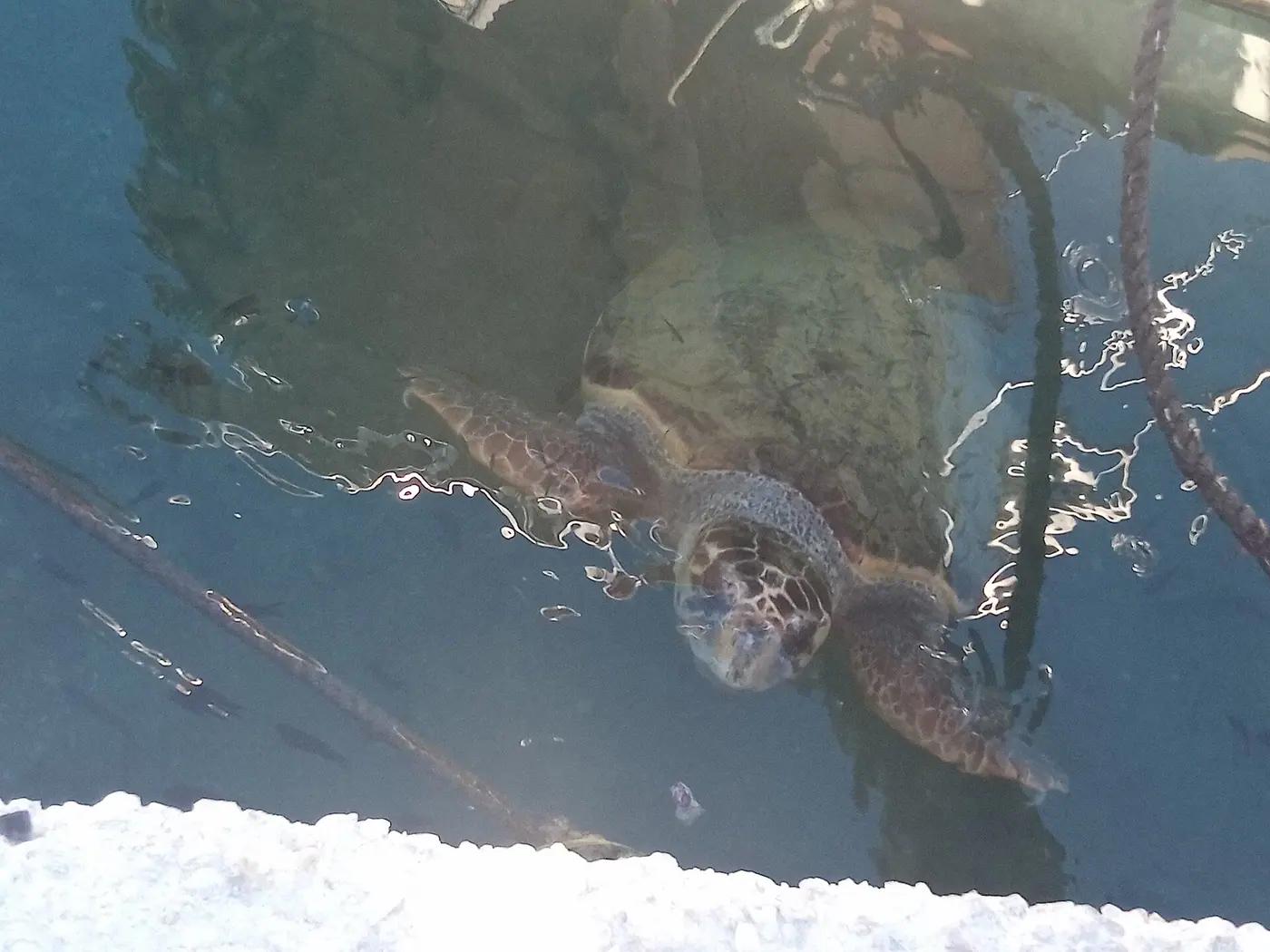
What lives in Greece: loggerhead turtles on Zakynthos, cinereous vultures at Dadia, pelicans on Prespa, Pindos bears and the tortoises and geckos of every olive grove.
Jawaban cepat
Mulai dari jawaban langsung, lalu gunakan bagian di bawah untuk melihat kenapa lokasi ini penting dan hewan mana yang benar-benar realistis untuk di-spot di sana.
Greece has the Mediterranean's largest loggerhead turtle nesting beaches on Zakynthos, the Balkans' only breeding colony of cinereous vultures in the Dadia forest, and the world's biggest Dalmatian pelican colony on Lake Prespa. Brown bears and wolves survive in the Pindos mountains, and tortoises, wall lizards, house geckos and cicadas are part of every summer day on the islands.
Most people see Greece from a beach, and the beach is a fair place to start. Loggerhead turtles nest on Zakynthos, Kefalonia, Crete and the Peloponnese between June and August, dolphins work the Ionian and the Alonissos marine park, and the stone walls behind the sand are busy with geckos and lizards from the first warm week in spring.
Inland Greece is a different country. The Pindos range along the Albanian border still holds bears and wolves, Dadia in Thrace is a vulture stronghold, and the two Prespa lakes in the far north-west are the best pelican site in Europe. AnimalDex captures from Greece so far come from Evia and from Ilia in the western Peloponnese, where users have logged house geckos, cicadas, collared doves and ants.
Mulai dari hewan ini
Kenapa lokasi ini penting
Halaman lokasi yang baik menjelaskan kenapa tempat ini layak dikunjungi, bukan hanya nama-nama yang cocok dimasukkan ke checklist destinasi.
Greece is where several Mediterranean species make their last or largest stand. Laganas Bay on Zakynthos carries more than a thousand loggerhead nests a year and the Dadia colony is the only place cinereous vultures still breed in the Balkans.
For a collector the country rewards walking slowly. Tortoises cross the paths at Olympia and Delphi, wall lizards sun on every archaeological site, and a single evening on a taverna terrace adds geckos, moths and cicadas without any effort.
Tempat mencari
Peta satwa liar Greece
Panduan ini mencakup wilayah di bawah ini. Perbesar peta untuk mengenali areanya sebelum merencanakan perjalanan.
Posisi diambil dari OpenStreetMap. Akses habitat dan jam buka bisa berubah — periksa dulu sebelum berangkat. Pin yang lebih kecil adalah capture publik AnimalDex, ditempatkan sampai kilometer terdekat.
Bukti lapangan
Ditemukan di Greece oleh pengguna AnimalDex
Capture nyata yang dicatat di aplikasi AnimalDex di dalam area ini dan dibagikan secara publik oleh kolektornya, dengan hewan yang dikonfirmasi oleh identifikasi aplikasi. Lokasi ditampilkan sampai tingkat wilayah, bukan titik persisnya.
- 7
- capture publik
- 7
- spesies tercatat
- 2
- kolektor
- 6
- penampakan liar
Capture terbaru dari lapangan
Spesies yang benar-benar dicatat orang di sini
Setiap nama menuju panduan spesiesnya. Angkanya adalah jumlah capture publik hewan itu di dalam area ini.
Kolektor memilih membagikan capture ini di Discover dan bisa menariknya kapan saja. Koordinat dibulatkan sekitar satu kilometer dan diperbarui setiap build situs.
Hewan untuk di-spot
Pilihan spesies di sini sengaja dibuat praktis, menyeimbangkan aksesibilitas, excitement, dan apa yang realistis untuk diperhatikan traveler di lokasi tersebut.
Loggerhead Sea TurtleC
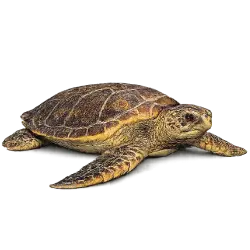
Laganas Bay on Zakynthos is the most important loggerhead nesting ground in the Mediterranean, protected as a National Marine Park, with females coming ashore at night from late May to August.
Catatan spotting: Likely from a licensed boat in Laganas Bay in summer; nesting is watched only on guided night walks.
Baca panduan spesies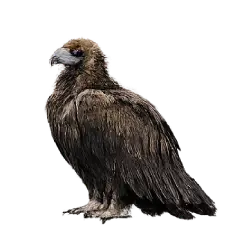
Cinereous VultureB
The Dadia-Lefkimi-Soufli forest in Evros holds the Balkans' only breeding colony, around 30 pairs, and the park's feeding station hide gives close views of Europe's largest raptor.
Catatan spotting: Reliable at the Dadia observatory on feeding days; ask at the visitor centre.
Baca panduan spesies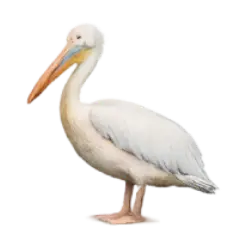
Great White PelicanC
Lake Mikri Prespa hosts a large colony of great white pelicans alongside the world's biggest Dalmatian pelican colony, and both species fish the reedy shallows near Agios Achillios in spring.
Catatan spotting: Easy at Prespa from April to August; Lake Kerkini near Serres is the other reliable site.
Baca panduan spesies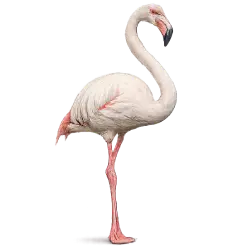
Greater FlamingoC
Flamingo flocks winter and sometimes summer on the Messolonghi lagoon, the Evros and Nestos deltas, Kalloni on Lesvos and the Kotychi lagoon in Ilia, where Peloponnese users have been capturing wildlife.
Catatan spotting: Regular from autumn to spring on the big lagoons; numbers vary with water levels.
Baca panduan spesies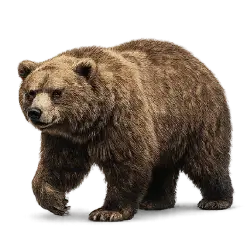
Brown BearA
Around 450 bears live in the Pindos and Rhodope mountains, and the Arcturos sanctuary at Nymfaio near Florina keeps rescued animals in forest enclosures for anyone who misses them in the wild.
Catatan spotting: Rare in the wild; realistic around Kastoria and Grevena with a guide in autumn, guaranteed at Arcturos.
Baca panduan spesies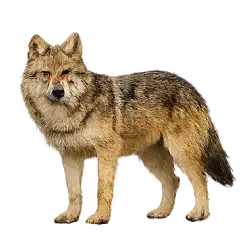
Golden JackalC
Jackals hold on in scattered Greek pockets: Samos, Fokida, the Peloponnese coast and the Evros delta, where their evening howling carries over the marshes.
Catatan spotting: Uncommon and local; dusk listening at the Evros delta is the best approach.
Baca panduan spesies
Hermann's TortoiseE
The eastern Hermann's tortoise crosses tracks and olive-grove edges across northern Greece and the Peloponnese, and basks at archaeological sites in the cool of the morning.
Catatan spotting: Common in spring and early summer; they retreat in the midday heat.
Baca panduan spesies
Marginated TortoiseD
Greece's own large tortoise, with the flared rear shell, lives on dry hillsides of the Peloponnese, Attica and Evia, exactly the ground around Olympia and Marathon.
Catatan spotting: Fairly common on scrubby slopes in April and May.
Baca panduan spesies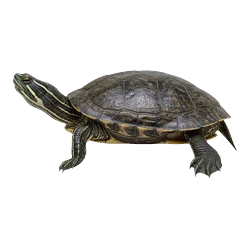
Balkan Pond TurtleE
Every irrigation ditch and slow stream in the Peloponnese and on Evia has Balkan terrapins stacked on the banks, dropping into the water with a splash as you approach.
Catatan spotting: Very common at farmland ditches and river mouths.
Baca panduan spesies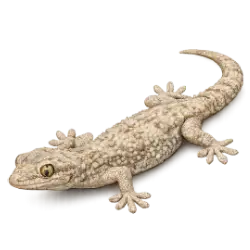
Mediterranean House GeckoE
The pale gecko on the taverna wall under the light, already captured by AnimalDex users in Ilia and a feature of every warm Greek evening.
Catatan spotting: Guaranteed on lit walls from May to October.
Baca panduan spesies
DolphinB
Bottlenose dolphins work the Amvrakikos gulf and the Alonissos marine park, common and striped dolphins are met offshore on Ionian ferry crossings, and the Kalamos channel has a well-studied group.
Catatan spotting: Frequent from ferries and boat trips in calm summer weather.
Baca panduan spesies
Alpine SwiftD
Alpine swifts scream around the Meteora pinnacles, the Vikos gorge and the cliffs of Delphi, bigger and whiter-bellied than the common swifts beneath them.
Catatan spotting: Regular at cliff and gorge sites from April to September.
Baca panduan spesies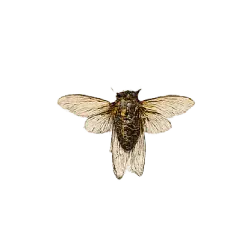
CicadaE
The sound of a Greek July, cicadas drone from every pine and olive on Evia and the Peloponnese and were among the first Greek captures users logged.
Catatan spotting: Everywhere in summer; follow the sound to a trunk and look for the shed skins.
Baca panduan spesies
Eurasian Collared DoveD
The soft three-note call of collared doves is the backdrop to every Greek village square, and the species is already in the Greek capture record.
Catatan spotting: Abundant year-round in towns and villages.
Baca panduan spesiesPaling cocok untuk
Gunakan bagian ini untuk menilai apakah lokasi tersebut cocok dengan gaya perjalanan, level pengalaman, dan target AnimalDex kamu.
- Loggerhead turtle boat trips and protected nesting beaches on Zakynthos
- Vultures at the Dadia forest feeding station in Thrace
- Pelicans and wetland birds at the Prespa lakes and Lake Kerkini
- Tortoises, lizards and geckos at archaeological sites and in olive groves
Tips spotting
Tips ini dibuat agar halaman ini benar-benar berguna di lapangan, bukan hanya enak dibaca di layar.
- 01On Zakynthos use a licensed small boat from Laganas or Keri in June or July and keep well back; turtles surface to breathe every few minutes in the bay and are easy to see from above in flat water.
- 02Arrive at the Dadia visitor centre early and ask about the feeding station schedule; the hide is a short walk and the vultures arrive within an hour of the carcass.
- 03Prespa pelicans are best from the causeway to Agios Achillios island at first light in May, when the birds fish close to the reeds.
- 04At Olympia, Delphi or any hill site, walk the perimeter fence in the first hour after opening for tortoises and wall lizards before the heat drives them under cover.
Wildlife Guides virtual
Panduan satwa liar ke Greece
AnimalDex membuat panduan virtual dari penampakan satwa liar milik para penjelajah sendiri: satwa apa yang mereka temukan, seberapa langka, dan kapan. Panduan adalah saran dari orang yang pernah ke sana, bukan tur. Membelinya membuka catatan penulis untuk setiap satwa, obrolan dengan penulis, dan perkenalan dengan warga lokal yang mereka temui. Penampakan satwa tidak pernah dijamin.
Memeriksa panduan virtual ke Greece...
Cara memilih pemandu satwa liar lokal di Greece
- Tanyakan apa yang biasanya mereka temukan pada musim kunjunganmu. Pemandu yang baik memberi jawaban jujur, bukan janji pasti melihat satwa tertentu.
- Perhatikan cara mereka memperlakukan satwa: tanpa umpan, tanpa memanggil satwa, tanpa memegang, dan tanpa flash dari jarak dekat demi foto.
- Pastikan titik temu, durasi, ukuran grup, total harga, dan cara pembayaran sebelum hari kegiatan, termasuk izin atau biaya taman yang diperlukan.
Lacak hewan yang kamu temukan di Greece
Bangun koleksimu sambil menjelajahi Greece, dari spesies yang mudah ditemukan sampai target yang layak direncanakan khusus.
Tier list terkait
Tier list ini memberi konteks yang lebih luas untuk spesies yang membuat lokasi ini menarik.
Biggest Animals in the World
A structured ranking of the biggest animals in the world, using the AnimalDex size stat to compare body scale across sea, land, and air.
Baca tier listRarest Animals in the World
A structured ranking of the rarest animals in the world, blending scarcity, vulnerability, and conservation pressure to answer the overlap between rarest and most endangered wildlife.
Baca tier listLokasi terkait
Lanjutkan eksplorasi dengan destinasi yang mirip atau berdekatan dan mendukung gaya discovery AnimalDex yang sama.
Animals in Turkey: What You Can Spot, Learn, and Collect
Turkey's wildlife: bald ibis at Birecik, sea turtles at Dalyan and the Göksu Delta, flamingos at the Sultan Marshes near Kayseri, Kaçkar bears and Bosphorus storks.
Baca panduan lokasiAnimals in Bulgaria: What You Can Spot, Learn, and Collect
Bulgaria's wildlife: bears and chamois in Rila and Pirin, the Via Pontica stork migration, pelicans at Srebarna, red-breasted geese at Durankulak and dense jackals.
Baca panduan lokasiAnimals in Croatia: What You Can Spot, Learn, and Collect
Croatia's wildlife: bottlenose dolphins off Lošinj, griffon vultures on Cres, bears and lynx around Plitvice, the Kopački Rit deer rut and the storks of Lonjsko Polje.
Baca panduan lokasiFAQ lokasi
Jawaban singkat dan langsung untuk pertanyaan yang biasanya ditanyakan traveler sebelum memilih destinasi satwa liar atau hari kebun binatang.
What wildlife is there in Greece?
Greece has loggerhead sea turtles, dolphins and monk seals on its coasts, brown bears, wolves and jackals in the northern mountains, cinereous and griffon vultures at Dadia, and pelicans and flamingos on its lakes and lagoons. Tortoises, lizards, geckos and cicadas are common everywhere in summer.
What animals can be found in Greece?
Loggerhead turtles nest on Zakynthos and Crete, pelicans breed on Lake Prespa, vultures feed at Dadia in Thrace and bears live in the Pindos. In the countryside you will meet Hermann's and marginated tortoises, Balkan terrapins, wall lizards and house geckos.
When can you see turtles in Greece?
Loggerheads nest from late May to early August and hatchlings emerge from late July to September. Adults are easy to see in Laganas Bay from licensed boats throughout the summer.
Are there dangerous animals in Greece?
Very few. The nose-horned viper is venomous but shy and bites are rare, scorpions and centipedes can sting, and sea urchins are the most common holiday injury. Bears and wolves avoid people and attacks are almost unknown.
Apakah pengguna AnimalDex pernah menemukan hewan di Greece?
Ya. Pengguna AnimalDex telah mencatat 7 capture publik dari 7 spesies berbeda di Greece, termasuk black ant, cicada, eurasian collared dove, german yellowjacket. Semuanya difoto di aplikasi pada saat penampakan.
Bagaimana cara menemukan panduan satwa liar ke Greece?
Lihat bagian Wildlife Guides di halaman ini atau jelajahi Wildlife Guides di AnimalDex. Setiap panduan adalah panduan virtual yang dibuat dari penampakan satwa liar milik seorang penjelajah di sekitar Greece: satwa yang mereka temukan, seberapa langka, dan kapan. Ini saran dari orang yang pernah ke sana, bukan tur. Jika kamu ingin ditemani seseorang di lokasi, bandingkan pemandu lokal dari pengetahuan satwanya, cara mereka memperlakukan satwa, dan kejelasan harganya sebelum berangkat.