

Animals in Bulgaria: What You Can Spot, Learn, and Collect
Bulgaria's wildlife: bears and chamois in Rila and Pirin, the Via Pontica stork migration, pelicans at Srebarna, red-breasted geese at Durankulak and dense jackals.
Jawaban cepat
Mulai dari jawaban langsung, lalu gunakan bagian di bawah untuk melihat kenapa lokasi ini penting dan hewan mana yang benar-benar realistis untuk di-spot di sana.
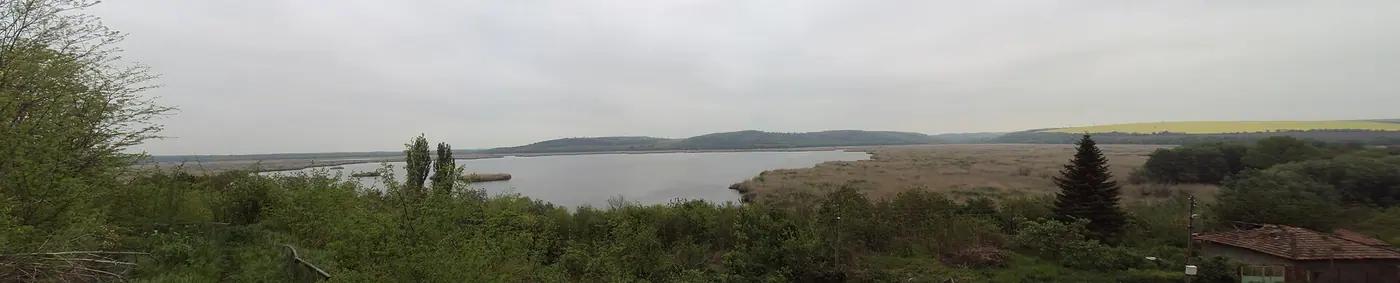
Bulgaria has brown bears, wolves and chamois in the Rila, Pirin and Balkan mountains, one of the highest golden jackal densities in the world, and vultures back in the Eastern Rhodopes and the Balkan range. The Black Sea coast lies under the Via Pontica flyway, which funnels hundreds of thousands of storks and raptors past Burgas each autumn, Srebarna lake has a pelican colony, and the Durankulak lakes host most of the world's red-breasted geese in winter.
Bulgaria is a mountain country with a Black Sea coast, and the two halves give it two different kinds of wildlife. Rila and Pirin rise above 2,900 metres with chamois on the ridges and bears in the pine forests below; the Central Balkan National Park has the same animals in beech forest; and the Eastern Rhodopes along the Greek border are vulture country, with griffon colonies at Madzharovo and Egyptian vultures in the gorges.
The coast is about migration. The Via Pontica is Europe's second-largest bird flyway and it narrows over Burgas, where the Atanasovsko and Pomorie salt lakes and Cape Emine concentrate white storks, pelicans and raptors in August and September. In winter the lakes at Durankulak and Shabla near the Romanian border hold the bulk of the world's red-breasted geese, and inland the Danube lake of Srebarna has a pelican colony on a reed island.
Mulai dari hewan ini
Kenapa lokasi ini penting
Halaman lokasi yang baik menjelaskan kenapa tempat ini layak dikunjungi, bukan hanya nama-nama yang cocok dimasukkan ke checklist destinasi.
Bulgaria's vultures are one of Europe's conservation success stories in progress. Griffons have recovered in the Rhodopes, cinereous vultures were reintroduced to the Balkan mountains near Kotel and Sliven and bred in the wild again in 2021 for the first time in decades.
The country is also cheap, uncrowded and mostly undiscovered as a wildlife destination, with national parks that see a fraction of the visitors of the Alps and a coastline where a few hours at a salt lake in September can produce tens of thousands of migrating birds.
Tempat mencari
Peta satwa liar Bulgaria
Panduan ini mencakup wilayah di bawah ini. Perbesar peta untuk mengenali areanya sebelum merencanakan perjalanan.
Posisi diambil dari OpenStreetMap. Akses habitat dan jam buka bisa berubah — periksa dulu sebelum berangkat.
Hewan untuk di-spot
Pilihan spesies di sini sengaja dibuat praktis, menyeimbangkan aksesibilitas, excitement, dan apa yang realistis untuk diperhatikan traveler di lokasi tersebut.
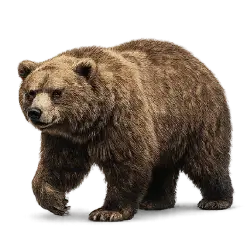
Brown BearA
Several hundred bears live in Rila, Pirin, the Central Balkan and the Rhodopes, and bear-watching hides in the Rhodopes and around Belitsa, where a sanctuary keeps rescued dancing bears, give the best views.
Catatan spotting: Uncommon in the wild; guided hides in the Rhodopes work in spring and autumn, Belitsa is guaranteed.
Baca panduan spesies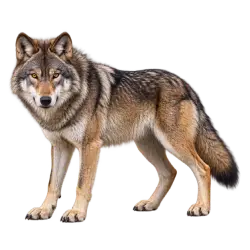
Eurasian WolfA
Bulgaria has one of the largest wolf populations in the EU, strongest in the Rhodopes, the Balkan range and the western border mountains.
Catatan spotting: Rarely seen; winter tracking in the Central Balkan or Rhodopes with a guide.
Baca panduan spesies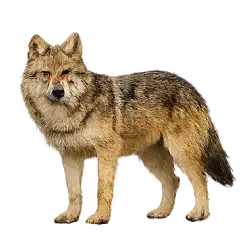
Golden JackalC
Jackal densities in Bulgaria are among the highest anywhere, with tens of thousands of animals calling from the Strandzha oak forests, the Danube plain and the Black Sea coast every dusk.
Catatan spotting: Heard almost nightly in the south-east; often seen on roads at night.
Baca panduan spesies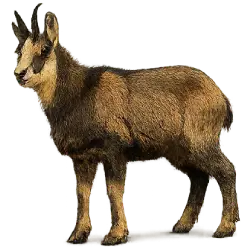
ChamoisC
Balkan chamois graze the high cirques of Rila and Pirin and the ridges of the Central Balkan, often visible from the Seven Rila Lakes trail and the Vihren hut.
Catatan spotting: Regular above the treeline in summer; scan the cliffs at first light.
Baca panduan spesies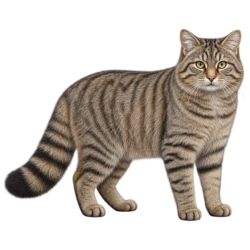
European WildcatC
Wildcats are widespread in the oak forests of Strandzha and the Eastern Rhodopes, hunting the forest edges and abandoned fields at dusk.
Catatan spotting: Rare and secretive; a dusk drive on Rhodope back roads gives a chance.
Baca panduan spesies
Red-breasted GooseC
The Durankulak and Shabla lakes on the northern Black Sea coast host the majority of the world's red-breasted geese in January and February, with flocks of tens of thousands feeding on winter wheat.
Catatan spotting: Reliable in midwinter at Durankulak; cold spells bring the biggest numbers.
Baca panduan spesies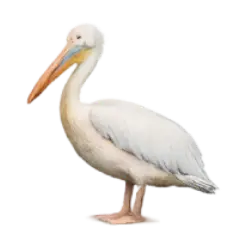
Great White PelicanC
Great white pelicans pour down the Via Pontica over Burgas in August and September and gather on the Atanasovsko and Mandra lakes, while Srebarna lake on the Danube has a breeding colony of the related Dalmatian pelican.
Catatan spotting: Easy at the Burgas lakes in late summer; the Srebarna Dalmatians from April to July.
Baca panduan spesies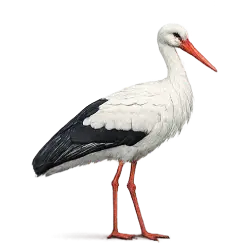
White StorkC
More than 200,000 white storks cross the Bulgarian coast each autumn on the Via Pontica, with Cape Emine and the Burgas lakes the places to stand under them.
Catatan spotting: Spectacular at Burgas in late August; nests in every village from April to August.
Baca panduan spesies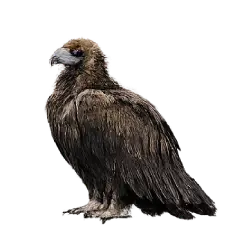
Cinereous VultureB
Reintroduced to the Eastern Balkan Mountains near Kotel and Sliven from 2018, cinereous vultures bred in the wild in Bulgaria again in 2021 and visit the Rhodope feeding stations from Greece.
Catatan spotting: Rare; the Kotel feeding site and the Madzharovo vulture centre are the places to try.
Baca panduan spesies
European Bee-eaterD
Bee-eater colonies dig into the loess banks of the Danube plain and the sandy cuttings of the south, and the birds hawk over vineyards across the Thracian plain all summer.
Catatan spotting: Common from May to August in the lowlands.
Baca panduan spesies
Hermann's TortoiseE
Hermann's tortoises are common in the Eastern Rhodopes, Sakar and Strandzha, crossing dirt roads and grazing meadow edges in spring.
Catatan spotting: Common in the south-east from April to June.
Baca panduan spesies
Greek TortoiseE
The spur-thighed tortoise shares the same dry south-eastern hills and the Black Sea dunes, usually a little larger and plainer than the Hermann's beside it.
Catatan spotting: Fairly common in the south-east; look on sunny mornings.
Baca panduan spesies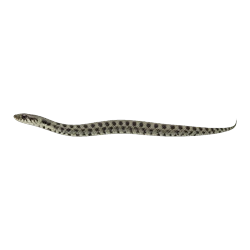
Dice SnakeE
Dice snakes swim in the Arda, Struma and Maritsa rivers and along the rocky Black Sea shore, and are the most often seen snake in the country.
Catatan spotting: Common at rivers and the coast from May to September; harmless.
Baca panduan spesies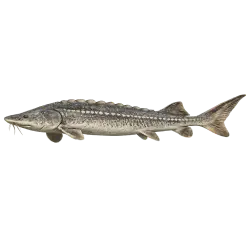
Beluga SturgeonA
The lower Danube along Bulgaria's border is one of the last rivers where beluga sturgeon still spawn naturally, and Bulgaria banned all sturgeon fishing to protect them.
Catatan spotting: Not realistically seen alive; conservation releases near Vidin and Silistra are the exception.
Baca panduan spesiesPaling cocok untuk
Gunakan bagian ini untuk menilai apakah lokasi tersebut cocok dengan gaya perjalanan, level pengalaman, dan target AnimalDex kamu.
- Via Pontica migration at the Burgas lakes and Cape Emine in late August and September
- Chamois and alpine hiking in Rila and Pirin national parks
- Vultures at Madzharovo in the Eastern Rhodopes
- Red-breasted geese at Durankulak and Shabla in January
Tips spotting
Tips ini dibuat agar halaman ini benar-benar berguna di lapangan, bukan hanya enak dibaca di layar.
- 01For the Via Pontica stand at the Atanasovsko lake observation points north of Burgas from mid-morning in the last week of August; storks and pelicans leave their roosts once the thermals build.
- 02The Seven Rila Lakes chairlift gets you above the treeline in minutes; chamois are on the cliffs around the upper lakes early before the crowds arrive.
- 03Red-breasted geese feed on fields around Durankulak by day and roost on the lake; be at the lake edge at dawn in January when they lift off.
- 04Drive the Eastern Rhodopes back roads around Madzharovo and Krumovgrad at dawn and dusk for tortoises, jackals and vultures leaving the cliffs.
Wildlife Guides virtual
Panduan satwa liar ke Bulgaria
AnimalDex membuat panduan virtual dari penampakan satwa liar milik para penjelajah sendiri: satwa apa yang mereka temukan, seberapa langka, dan kapan. Panduan adalah saran dari orang yang pernah ke sana, bukan tur. Membelinya membuka catatan penulis untuk setiap satwa, obrolan dengan penulis, dan perkenalan dengan warga lokal yang mereka temui. Penampakan satwa tidak pernah dijamin.
Memeriksa panduan virtual ke Bulgaria...
Cara memilih pemandu satwa liar lokal di Bulgaria
- Tanyakan apa yang biasanya mereka temukan pada musim kunjunganmu. Pemandu yang baik memberi jawaban jujur, bukan janji pasti melihat satwa tertentu.
- Perhatikan cara mereka memperlakukan satwa: tanpa umpan, tanpa memanggil satwa, tanpa memegang, dan tanpa flash dari jarak dekat demi foto.
- Pastikan titik temu, durasi, ukuran grup, total harga, dan cara pembayaran sebelum hari kegiatan, termasuk izin atau biaya taman yang diperlukan.
Lacak hewan yang kamu temukan di Bulgaria
Bangun koleksimu sambil menjelajahi Bulgaria, dari spesies yang mudah ditemukan sampai target yang layak direncanakan khusus.
Tier list terkait
Tier list ini memberi konteks yang lebih luas untuk spesies yang membuat lokasi ini menarik.
Best Hunters in the Animal World
A structured ranking of the best hunters in the animal world, balancing success rate, kill efficiency, tracking ability, coordination, and finishing power.
Baca tier list100 Most Adaptable Animals
Most adaptable animals ranked by habitat flexibility, behavioral range, and success in changing conditions — including the current AnimalDex number one.
Baca tier listLokasi terkait
Lanjutkan eksplorasi dengan destinasi yang mirip atau berdekatan dan mendukung gaya discovery AnimalDex yang sama.
Animals in Romania: What You Can Spot, Learn, and Collect
Romania's wildlife: Europe's largest pelican colony in the Danube Delta, thousands of Carpathian bears, wolves, lynx and chamois, and Dobrogea's tortoises and jackals.
Baca panduan lokasiAnimals in Greece: What You Can Spot, Learn, and Collect
What lives in Greece: loggerhead turtles on Zakynthos, cinereous vultures at Dadia, pelicans on Prespa, Pindos bears and the tortoises and geckos of every olive grove.
Baca panduan lokasiAnimals in Turkey: What You Can Spot, Learn, and Collect
Turkey's wildlife: bald ibis at Birecik, sea turtles at Dalyan and the Göksu Delta, flamingos at the Sultan Marshes near Kayseri, Kaçkar bears and Bosphorus storks.
Baca panduan lokasiFAQ lokasi
Jawaban singkat dan langsung untuk pertanyaan yang biasanya ditanyakan traveler sebelum memilih destinasi satwa liar atau hari kebun binatang.
What wildlife is there in Bulgaria?
Bulgaria has brown bears, wolves, golden jackals, wildcats, chamois and red deer in its mountains, griffon, Egyptian and cinereous vultures in the Rhodopes and the Balkan range, pelicans at Srebarna and Burgas, and vast numbers of migrating storks and raptors on the Black Sea coast. Tortoises and dice snakes are common in the south-east.
What animals can be found in Bulgaria?
Bears and chamois in Rila and Pirin, jackals and wildcats in Strandzha, vultures at Madzharovo, pelicans and storks over Burgas in autumn, and red-breasted geese at Durankulak in winter. Hermann's and spur-thighed tortoises, bee-eaters and rollers are common in the southern lowlands.
When is the best time to see bird migration in Bulgaria?
The last week of August and the first three weeks of September for storks, pelicans and raptors over Burgas and Cape Emine. January and February for red-breasted geese and other wintering waterfowl at Durankulak and Shabla.
Are there vultures in Bulgaria?
Yes. Griffon vultures breed in the Eastern Rhodopes around Madzharovo and the Vrachanski Balkan, Egyptian vultures nest in the Rhodope gorges, and cinereous vultures were reintroduced to the Balkan mountains near Kotel and Sliven and are breeding again.
Bagaimana cara menemukan panduan satwa liar ke Bulgaria?
Lihat bagian Wildlife Guides di halaman ini atau jelajahi Wildlife Guides di AnimalDex. Setiap panduan adalah panduan virtual yang dibuat dari penampakan satwa liar milik seorang penjelajah di sekitar Bulgaria: satwa yang mereka temukan, seberapa langka, dan kapan. Ini saran dari orang yang pernah ke sana, bukan tur. Jika kamu ingin ditemani seseorang di lokasi, bandingkan pemandu lokal dari pengetahuan satwanya, cara mereka memperlakukan satwa, dan kejelasan harganya sebelum berangkat.