Back to Powers

Animal Powers

Browsing

Browse both worlds.

Animals grouped here express a similar power through their behavior in nature. Each species still has its own principle, lesson, meaning, and field-guide page.

4 species

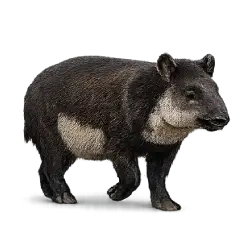
Baird's Tapir (Tapirus bairdii) thumbnail image on AnimalDex

Baird's Tapir

Species principle: Dual Passage

Browse both worlds.

One tool becomes wisdom when it works on land and in water.

Baird’s Tapirs use flexible snouts for browsing and are strong swimmers, moving through tropical forests and rivers while feeding on leaves, fruits, and aquatic vegetation.
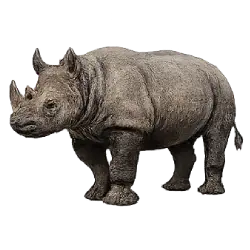
Black Rhinoceros (Diceros bicornis) thumbnail image on AnimalDex

Black Rhinoceros

Species principle: Thorn Browsing

Grip the thorn.

The right mouth can turn roughness into nourishment.

Black Rhinoceroses are browsers with pointed prehensile upper lips used to grasp leaves, twigs, and thorny branches.

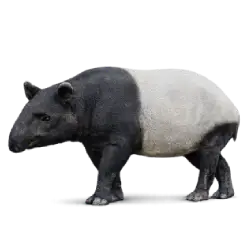
Malayan Tapir (Tapirus indicus) thumbnail image on AnimalDex

Malayan Tapir

Species principle: Contrast Camouflage

Hide in contrast.

A bold contrast can hide a body when the shadows already speak in patches.

Malayan Tapirs have a black-and-white saddle pattern that disrupts their outline in dark forest. They browse with flexible snouts and move through dense tropical habitats.

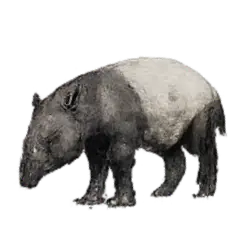
Mountain Tapir (Tapirus pinchaque) thumbnail image on AnimalDex

Mountain Tapir

Species principle: Cloud Covering

Wear the cloud.

The right covering can turn cold mist into home.

Mountain Tapirs have woolly coats and flexible snouts, browsing in cold Andean cloud forests and high-elevation habitats.

Explore related indexes