
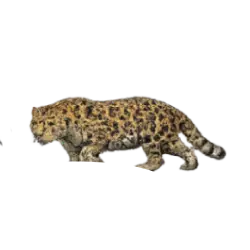
Amur Leopard
Species principle: Frost Stealth
Wear the frost.
The right coat turns cold into cover.
Amur Leopards have thick pale winter coats and rosetted camouflage, helping them hunt and move through cold forests and rocky snowy terrain.
Animal Powers
Wear the frost.
Animals grouped here express a similar power through their behavior in nature. Each species still has its own principle, lesson, meaning, and field-guide page.
8 species
Species principle: Frost Stealth
Wear the frost.
The right coat turns cold into cover.
Amur Leopards have thick pale winter coats and rosetted camouflage, helping them hunt and move through cold forests and rocky snowy terrain.
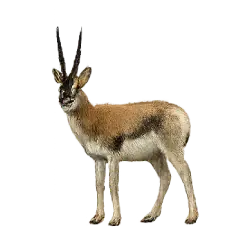
Species principle: Weatherproofing
Wear the wind.
The right covering turns weather into road.
Chiru live on the Tibetan Plateau and have fine insulating underwool and fast movement suited to cold, open high-altitude habitats.
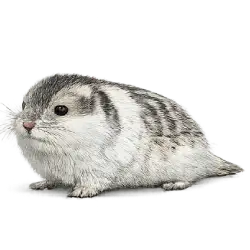
Species principle: Wintercoat
Wear the winter.
Survival improves when appearance, food, and season move together.
Collared lemmings turn white in winter and use snow tunnels, plant food, and rapid reproduction in Arctic tundra.

Species principle: Bloodless Cold
Stay clear in cold.
Adaptation can look strange when the environment is extreme.
Crocodile Icefish live in cold Antarctic waters and have unusual pale blood with little or no hemoglobin, supported by oxygen-rich cold seas.
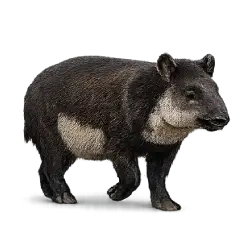
Species principle: Cloud Covering
Wear the cloud.
The right covering can turn cold mist into home.
Mountain Tapirs have woolly coats and flexible snouts, browsing in cold Andean cloud forests and high-elevation habitats.

Species principle: Ice-Hole Discipline
Guard the air hole.
Survival depends on maintaining the access point before panic arrives.
Weddell Seals live around Antarctic sea ice and use teeth to keep breathing holes open while diving beneath the ice for food.

Species principle: River-Floor Courage
Walk the current.
Adaptation becomes confidence when movement fits resistance.
Dippers forage in cold streams by walking underwater, using strong legs and dense plumage to hunt aquatic insects in fast flow.
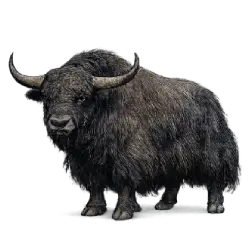
Species principle: Plateau Fortitude
Wear the plateau.
Hard weather becomes livable when protection is grown into the body.
Wild Yaks have dense coats, large bodies, strong lungs, and high-altitude adaptations that allow them to graze across cold Tibetan Plateau environments.