
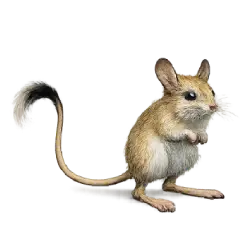
Jerboa
Species principle: Desert Lightness
Bounce the desert.
Cross hard ground without becoming heavy.
Jerboas use elongated hind legs, hopping locomotion, and light bodies to move efficiently across desert terrain.
Animal Powers
Bounce the desert.
Animals grouped here express a similar power through their behavior in nature. Each species still has its own principle, lesson, meaning, and field-guide page.
33 species
Species principle: Desert Lightness
Bounce the desert.
Cross hard ground without becoming heavy.
Jerboas use elongated hind legs, hopping locomotion, and light bodies to move efficiently across desert terrain.

Species principle: Sand-Buried Life
Swim the sand.
Resilience can be hidden, specialized, and almost never seen.
Kakarratul, an Indigenous name used for marsupial moles, refers to small desert mammals that swim through sand and live mostly underground.
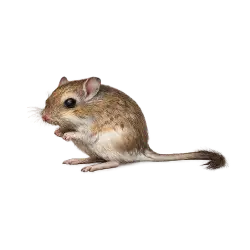
Species principle: Desert Seed Vault
Vault the seed.
Hidden resources matter most where waste becomes dangerous.
Merriam's Kangaroo Rats cache seeds, use burrows, and conserve water in arid habitats through efficient desert adaptations.

Species principle: Burrowed Economy
Spend life carefully.
Efficiency can be a survival virtue when resources are scarce.
Desert Tortoises use burrows, water storage, and slow activity rhythms to survive hot dry environments with limited resources.

Species principle: Desert Silence
Keep the desert quiet.
Discretion becomes survival when the landscape punishes noise.
Night Parrots are elusive Australian desert birds associated with spinifex habitat, nocturnal activity, and extreme rarity in detection.

Species principle: Cliff-Horn Economy
Walk the cliff.
Mastery appears when rough terrain becomes familiar enough for calm movement.
Nubian Ibex are desert and mountain goats that move across cliffs and steep rocky habitats with specialized hooves.

Species principle: Burrowed Reserve
Carry it home.
Preparation becomes survival when every return carries value.
Ord's Kangaroo Rats are seed-eating desert rodents that use cheek pouches, burrows, and caches to manage scarce food and water.
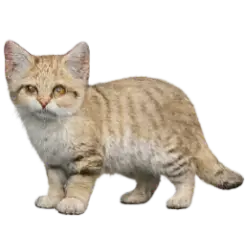
Species principle: Desert Silence
Step without heat.
The harshest ground can be crossed by the feet that make no noise.
Sand Cats live in desert habitats and have dense fur on their footpads that helps insulate them from hot sand. They hunt mostly at night and use large ears to detect small prey moving under sparse cover.
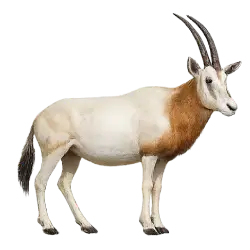
Species principle: Oryx Return
Return through heat.
Resilience sometimes means surviving long enough for return to become possible.
Scimitar-horned Oryx are desert antelopes known for pale coats and curved horns, with conservation reintroduction efforts after extinction in the wild.
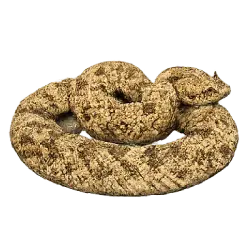
Species principle: Sideways Strategy
Move sideways.
The smartest path may look wrong to everything built for straight lines.
Sidewinders move across loose hot sand using sidewinding locomotion, reducing contact with the ground and improving traction on unstable desert surfaces.

Species principle: Sandswim
Swim the sand.
Hidden movement can turn an obstacle into a route.
Marsupial Moles are desert-adapted burrowers that move through sand with strong forelimbs and reduced eyes.

Species principle: Spinifex Night Agility
Move after heat.
Open-country survival depends on timing the body around danger and temperature.
Spinifex Hopping Mice are Australian desert rodents that shelter by day, forage at night, and move with hopping agility.
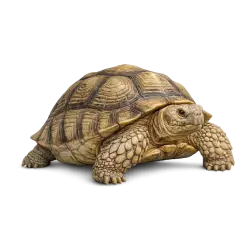
Species principle: Desert Refuge
Build below heat.
When the world burns above, wisdom builds below.
Sulcata Tortoises dig deep burrows to escape extreme heat and dryness in arid African habitats, using strong legs and heavy bodies.
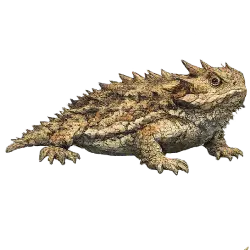
Species principle: Spined Warning
Warn before contact.
Deterrence works best when danger understands the boundary early.
Texas Horned Lizards rely on camouflage, spines, body inflation, and in some cases defensive blood-squirting from the eyes to discourage predators.
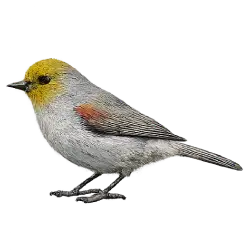
Species principle: Desert Weaving
Weave the thorn.
Tiny work can make shelter even in a thorny place.
Verdins build enclosed nests in thorny desert shrubs, using small bills and steady construction to create shelter in arid environments.