

Arabian Oryx
Species principle: Rewilding
Return to sand.
Conservation is patience made practical across harsh ground.
Arabian oryx are desert antelopes restored through conservation, adapted to arid habitats with pale coats and efficient water use.
Animal Powers
Return to sand.
Animals grouped here express a similar power through their behavior in nature. Each species still has its own principle, lesson, meaning, and field-guide page.
33 species
Species principle: Rewilding
Return to sand.
Conservation is patience made practical across harsh ground.
Arabian oryx are desert antelopes restored through conservation, adapted to arid habitats with pale coats and efficient water use.

Species principle: Tiny Desert Spring
Small body, long jump.
Confidence can be compact when movement is efficient and well-timed.
Pygmy Jerboas are tiny desert rodents with long hind legs, nocturnal activity, and hopping movement adapted to open dry habitats.
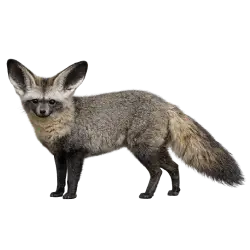
Species principle: Acute Listening
Hear the insects.
A whole life can be fed by hearing what others walk over.
Bat-eared Foxes have oversized ears used for detecting insects such as termites and beetles, and also for heat regulation in open African habitats.
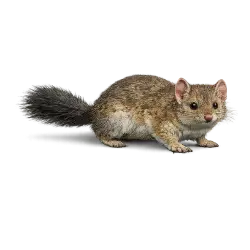
Species principle: Night-Heat Economy
Hunt after heat.
Timing can make limited energy go further.
Mulgaras are small carnivorous marsupials of arid Australia that shelter by day and hunt insects or small vertebrates at night.
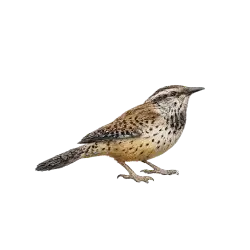
Species principle: Desert Nest Rhythm
Nest in heat.
Steady life in harsh places depends on timing, shade, and repeated small work.
Saguaro Cactus Wrens nest among desert plants and use arid scrub habitats shaped by heat, cover, and scarce resources.

Species principle: Desert Pursuit
Sprint the night sand.
Speed becomes useful when it is aimed through the heat after dark.
Camel Spiders, or solifuges, are fast-running arachnids with large chelicerae that hunt insects and small animals, often active in arid environments.

Species principle: Rock-Wedge Confidence
Hold the crack.
Self-protection becomes confidence when the body knows exactly where it fits.
Chuckwallas are desert lizards that retreat into rock crevices and inflate their bodies to wedge themselves against predators.

Species principle: Crested Night Forager
Hunt the dry night.
Harsh places reward the one who conserves energy and strikes at the right time.
Crest-tailed Mulgaras are small carnivorous marsupials of arid Australia, using nocturnal hunting, burrows, and fat storage in the tail.

Species principle: Dry-Spine Shelter
Curl in the dry.
Self-protection becomes practical when it fits the climate.
Desert Hedgehogs use spines, nocturnal activity, and dryland habits to survive in arid regions while avoiding extreme daytime heat.
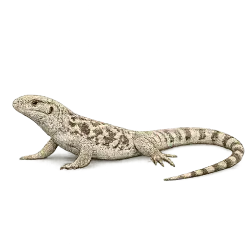
Species principle: Heatstep
Time the heat.
Adaptation comes from timing activity around conditions, not denying them.
Desert iguanas tolerate high temperatures, bask, burrow, and feed in arid habitats where heat timing matters.

Species principle: Waterless Seedcraft
Waste less water.
Efficiency turns scarcity into a system instead of a crisis.
Desert Kangaroo Rats can survive in deserts with little free water, using seed diets, burrows, and efficient water balance.

Species principle: Tiny Defiance
Squeak from the sand.
Even the smallest body can make a sound that says no.
Desert Rain Frogs live in sandy coastal desert habitats, burrow in moist sand, and are known for high-pitched defensive squeaks when disturbed.
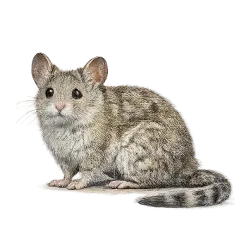
Species principle: Desert Midden Builder
Build from scraps.
Resourcefulness is often built from small collected pieces, not perfect materials.
Desert Woodrats build stick nests or middens and gather plant material, using shelters that can persist in arid landscapes.
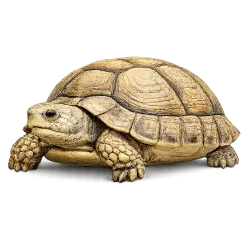
Species principle: Desert Miniature Patience
Need less, last longer.
Small endurance is still endurance when the limits are real.
Egyptian Tortoises are small desert tortoises adapted to arid North African habitats and threatened by habitat loss and collection.
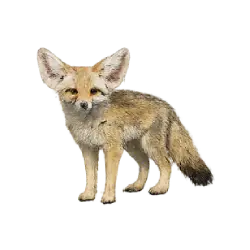
Species principle: Listening
Hear the sand.
Survival begins by hearing what the heat tries to hide.
Fennec Foxes have very large ears that help detect prey sounds underground and dissipate heat, supporting survival in desert environments.
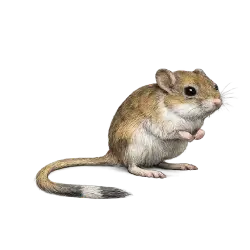
Species principle: Seed Vault
Cache the desert.
Preparation makes scarcity less frightening.
Kangaroo Rats survive arid habitats by conserving water, using dry burrows, and caching seeds gathered during safer conditions.
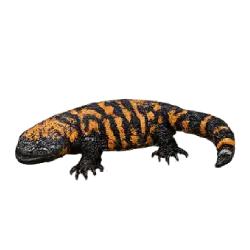
Species principle: Slow Venom
Move slow, bite deep.
Slow does not mean harmless when the power is stored deep.
Gila Monsters are venomous lizards with bead-like scales, slow movement, fat storage in the tail, and venom delivered through a powerful chewing bite.
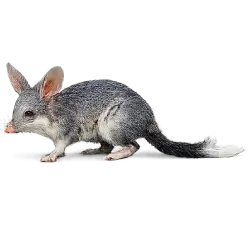
Species principle: Desert Provision
Work after dark.
The future is fed by quiet work done under cool darkness.
Greater Bilbies are nocturnal marsupials that dig burrows in arid regions and forage for seeds, insects, bulbs, and other food using strong claws and long ears.