Back to Powers

Animal Powers

Ecological Service

Make room in forest.

Animals grouped here express a similar power through their behavior in nature. Each species still has its own principle, lesson, meaning, and field-guide page.

13 species

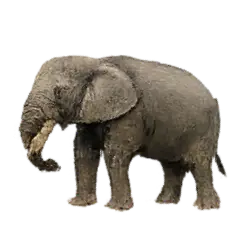
African Forest Elephant (Loxodonta cyclotis) thumbnail image on AnimalDex

African Forest Elephant

Species principle: Forest Pathmaking

Make room in forest.

True strength opens room for other lives to move.

African Forest Elephants use trunks, tusks, and large bodies to create trails, disperse seeds, and shape rainforest structure through movement and feeding.
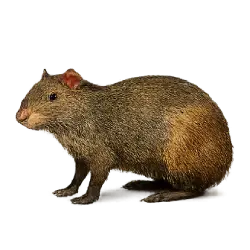
Central American Agouti animal lesson image on AnimalDex

Central American Agouti

Species principle: Seed Stewardship

Bury the future.

The future grows from what is carried away and hidden well.

Central American Agoutis collect, bury, and sometimes forget large seeds and nuts, helping disperse important forest trees while storing food for later.

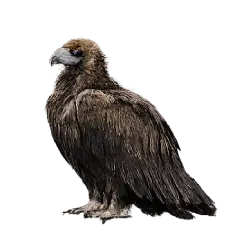
Cinereous Vulture (Aegypius monachus) thumbnail image on AnimalDex

Cinereous Vulture

Species principle: Quiet Stewardship

Patrol the remains.

The largest work can be done steadily, without asking to be admired.

Cinereous Vultures are among the largest vultures, soaring over wide landscapes and feeding on carrion with powerful bills, helping recycle nutrients.

Freshwater Pearl Mussel animal lesson image on AnimalDex

Freshwater Pearl Mussel

Species principle: Pearlbed Patience

Filter and last.

Quiet usefulness can last when it is rooted in place and water quality.

Freshwater Pearl Mussels filter river water and can live for decades while depending on healthy streams and fish hosts for reproduction.

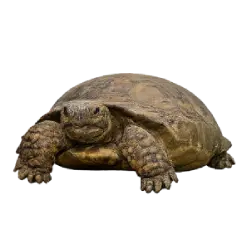
Gopher Tortoise (Gopherus polyphemus) thumbnail image on AnimalDex

Gopher Tortoise

Species principle: Keystone Shelter

Build for many.

The best homes become refuge for more lives than the builder planned.

Gopher Tortoises dig deep burrows in sandy soils, and those burrows provide shelter for many other species, making the tortoise an important keystone species.

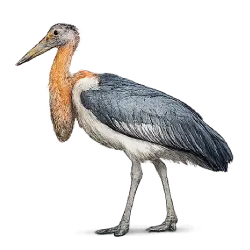
Greater Adjutant (Leptoptilos dubius) thumbnail image on AnimalDex

Greater Adjutant

Species principle: Messy Service

Do the messy work.

The world needs those willing to do the valuable work that is not pretty.

Greater Adjutants are large scavenging storks that feed at wetlands, carcasses, and refuse sites, providing cleanup services in human-influenced landscapes.

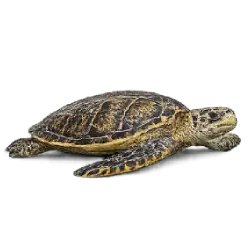
Hawksbill Sea Turtle (Eretmochelys imbricata) thumbnail image on AnimalDex

Hawksbill Sea Turtle

Species principle: Reef Access

Reach into the reef.

The right shape unlocks food hidden inside hard places.

Hawksbill Sea Turtles use narrow hooked beaks to feed on sponges and other organisms in coral reef crevices, helping shape reef communities.

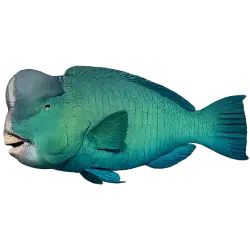
Humphead Parrotfish (Bolbometopon muricatum) thumbnail image on AnimalDex

Humphead Parrotfish

Species principle: Reef Shaping

Bite the reef into sand.

Tiny repeated bites can change the shape of a whole reef.

Humphead Parrotfish use powerful beak-like teeth to bite coral and algae, contributing to reef erosion and sand production while shaping coral ecosystems.

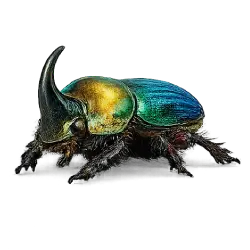
Rainbow Scarab animal lesson image on AnimalDex

Rainbow Scarab

Species principle: Iridescent Soil Work

Shine in the soil.

Hidden work can still carry color, value, and ecological purpose.

Rainbow Scarabs are dung beetles with metallic coloration that help recycle dung and move nutrients through soil.

Red-billed Oxpecker animal lesson image on AnimalDex

Red-billed Oxpecker

Species principle: Perchwork

Perch and help.

Service creates belonging when it solves a problem both sides feel.

Red-billed oxpeckers feed on ticks and other material from large mammals, forming visible associations with host animals.

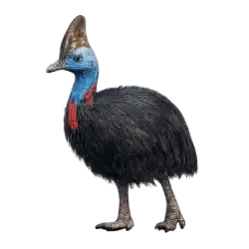
Southern Cassowary (Casuarius casuarius) thumbnail image on AnimalDex

Southern Cassowary

Species principle: Seed Bearing

Carry the forest.

The strongest steps are the ones that leave forests behind them.

Southern Cassowaries eat rainforest fruits and disperse large seeds through their droppings, making them important for forest regeneration. They also use powerful legs and a casque while moving through dense forest.

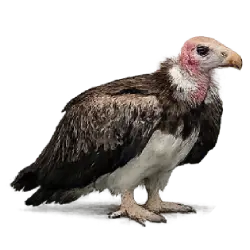
White-headed Vulture (Trigonoceps occipitalis) thumbnail image on AnimalDex

White-headed Vulture

Species principle: Necessary Work

Do the necessary work.

The work others avoid may be the work that keeps the world clean.

White-headed Vultures feed on carrion and scraps in open African habitats, using a hooked bill and bare head suited to scavenging around carcasses.

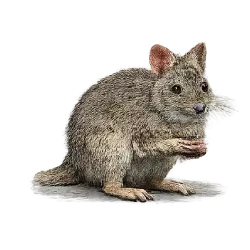
Woylie (Bettongia penicillata) thumbnail image on AnimalDex

Woylie

Species principle: Fungal Stewardship

Dig the future.

Busy searching can feed more than the seeker.

Woylies dig for underground fungi and other foods, helping turn soil and spread fungal spores that support forest and woodland ecosystems.

Explore related indexes