
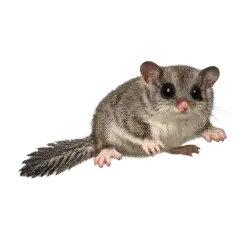
Feathertail Glider
Species principle: Feathersteer
Steer lightly.
Fine control makes small movement reliable.
Feathertail gliders are tiny gliding marsupials with feather-like tails that help control movement between trees.
Animal Powers
Steer lightly.
Animals grouped here express a similar power through their behavior in nature. Each species still has its own principle, lesson, meaning, and field-guide page.
6 species
Species principle: Feathersteer
Steer lightly.
Fine control makes small movement reliable.
Feathertail gliders are tiny gliding marsupials with feather-like tails that help control movement between trees.
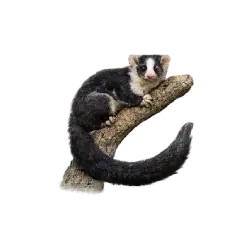
Species principle: Falling Flight
Turn falling into flying.
The right design can turn a fall into a crossing.
Greater Gliders use a membrane of skin between limbs to glide from tree to tree, moving through forest canopy without true powered flight.

Species principle: Night Glide
Use the gap.
Adaptation turns falling space into controlled movement.
Southern Flying Squirrels glide at night using a skin membrane between limbs, steering between trees while foraging and avoiding predators.

Species principle: Bonded Glide
Glide with your people.
Freedom feels safer when movement and bonding work together.
Sugar Gliders are small nocturnal marsupials that glide between trees and live in social groups using scent, calls, and shared shelter.
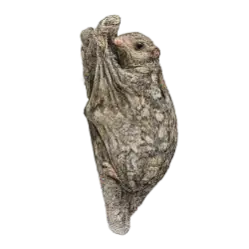
Species principle: Canopy Membrane
Trust the glide.
Transition becomes smoother when support is stretched across the whole body.
Sunda Colugos glide between rainforest trees using a broad membrane that extends from neck to limbs and tail, allowing long controlled aerial movement.
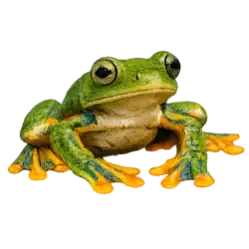
Species principle: Parachute
Open the fall.
The fall becomes a path when the body learns to open.
Wallace’s Flying Frogs have large webbed feet and skin flaps that help them glide or parachute between trees in rainforest canopies.